

When you start looking for an outdoor pizza oven, you’re not just buying an appliance; you’re choosing a new centerpiece for your home and social life. The decision of a wood fired vs gas italian pizza oven is at the heart of this, shaping everything from your weeknight dinners to your weekend parties. It’s a choice between two distinct culinary philosophies. One is steeped in the primal, sensory experience of cooking with a live fire—the crackle of the logs, the aroma of woodsmoke, and the art of managing the heat. The other is built on modern precision and ease, giving you consistent, perfect results with the simple turn of a knob. Neither is better than the other, but one is definitely better for you. Let’s explore what each experience feels like, from setup to cleanup.
Key Takeaways
- Decide Between Ritual and Convenience: A wood-fired oven is for the chef who loves the hands-on ritual of managing a fire, while a gas oven is for those who want delicious results with push-button simplicity.
- Look Beyond Temperature to Temperature Control: Both oven types get incredibly hot. The real difference is that gas offers set-it-and-forget-it precision, while wood requires the hands-on skill of active fire management.
- Factor in Fuel, Cleanup, and Versatility: Gas ovens simplify everything from fuel connections to cleanup. Wood ovens require more effort but reward you with unique smoky flavors and the ability to slow-roast or bake using retained heat.
Wood-Fired vs. Gas: What Are the Key Differences?
Choosing between a wood-fired and a gas pizza oven comes down to more than just fuel. It’s a decision that shapes your entire outdoor cooking experience, from the prep work to the final slice. Each type offers a distinct journey, with its own unique rituals, flavors, and learning curves. Understanding these core differences is the first step in finding the perfect oven for your backyard gatherings and culinary adventures. Are you someone who loves the hands-on, primal connection of cooking with a live fire, tending to the flames and embers? Or do you prefer the set-it-and-forget-it convenience that lets you focus more on your guests and less on fire management? There’s no right or wrong answer, but your preference will point you toward the ideal oven for your lifestyle. Both can produce incredible, restaurant-quality pizza with crispy, leopard-spotted crusts. However, the path to that perfect pizza looks a little different depending on your choice. To help you decide, let's break down what truly sets them apart in terms of how they heat, the temperatures they reach, and the aesthetic they bring to your outdoor kitchen.
How They Heat and What They Burn
The most fundamental difference is, of course, the fuel source. A wood-fired oven uses logs to generate heat. As the wood burns, it creates a bed of hot coals directly on the oven floor, which is essential for cooking the pizza from below. At the same time, the flames roll across the top of the dome, creating an intense radiant heat that cooks the toppings and gives the crust its signature char. In contrast, a gas oven uses propane or a natural gas line to fuel burners. These are strategically placed to heat the oven dome quickly and efficiently, but the floor heats more slowly because there are no coals to transfer heat directly.
Temperature Capabilities and Control
While many people assume wood-fired ovens get hotter, some modern gas pizza ovens can easily reach the same high temperatures—often 900°F or more—needed for authentic Neapolitan-style pizza. The real distinction is in temperature management. A wood-fired oven requires a bit of artistry; you’ll need to manage the fire by adding logs and moving embers to maintain your target temperature. It’s a hands-on process that many chefs love. A gas oven offers precision and ease. With the turn of a knob, you can set and maintain a consistent temperature, making it a fantastic option for beginners or anyone who values convenience and predictability in their cooking process.
A Look at Construction and Design
Your oven is a centerpiece, and its design contributes to the overall atmosphere of your outdoor kitchen. Wood-fired ovens often have a classic, rustic appeal with their traditional brick or clay domes. There’s a certain charm and theater to seeing the fire crackling inside, and it becomes a natural gathering spot for guests. Gas ovens tend to have a more modern and streamlined aesthetic, often featuring stainless steel and sleek lines that fit perfectly into a contemporary patio design. While both are built for performance, a wood-fired oven often appeals to those looking to create an authentic, traditional experience, while a gas oven is perfect for those who prioritize convenience and modern style.
Which Oven Gets Hotter and Stays Hotter?
When it comes to outdoor pizza ovens, heat is everything. It’s the secret to that perfect leopard-spotted crust and bubbly, melted cheese. Both wood-fired and gas ovens are engineered to reach scorching temperatures far beyond your kitchen oven, but they get there—and stay there—in very different ways. It’s not just about which oven gets hotter on paper, but how that heat is generated, distributed, and controlled. The way an oven manages heat directly impacts everything from preheat times to cooking consistency and, ultimately, the pizza that lands on your plate. Understanding these thermal dynamics is key to choosing the oven that best fits your cooking style. Let's break down how each type of oven handles the heat.
The Dynamics of a Wood-Fired Oven
A wood-fired oven is a powerhouse of intense, radiant heat. By burning real wood, these ovens can easily reach temperatures between 800°F and 900°F. This blistering heat is what makes it possible to cook an authentic wood-fired pizza in 90 seconds or less. The magic comes from the live fire and the bed of hot coals, which heat the oven floor (the deck) directly. At the same time, the flames roll across the domed ceiling, saturating the refractory materials with heat. This stored energy then radiates evenly down onto your pizza, cooking the toppings and melting the cheese to perfection while the hot deck crisps the crust from below.
Heating Patterns in a Gas Oven
Gas ovens are designed for convenience and precision, offering incredible heat with the turn of a knob. While they can reach similar high temperatures as their wood-fired counterparts, their heating pattern is different. In a gas oven, burners heat the air and the dome, which then radiates heat downward. However, since there are no hot coals on the oven floor, the deck heats up more slowly through convection and radiation from the dome. The major advantage here is temperature control; you can set a specific temperature and trust the oven to maintain it, which is fantastic for consistency.
How Heat Spreads Differently
The real difference between these ovens isn't just the maximum temperature but how the heat is delivered to the pizza. A wood-fired oven provides heat from three sources at once: conductive heat from the hot floor, convective heat from the circulating hot air, and intense radiant heat from the flames and superheated dome. This combination creates a unique cooking environment. In contrast, a gas oven relies primarily on convection and radiation from the dome and burners. The way the heat hits the pizza from the top, bottom, and sides is what defines the final result. A wood oven’s floor tends to stay hotter between pizzas, while a gas oven’s floor might cool down slightly, requiring a moment to recover its heat.
The Ultimate Taste Test: Flavor and Crust Differences
This is where the real debate begins. For many pizza lovers, the choice between a wood-fired and a gas oven comes down to one thing: taste. The fuel source doesn't just heat the oven; it plays a direct role in the final flavor profile and the texture of the crust. A wood-fired oven imparts a distinct, rustic character that’s hard to replicate, while a gas oven offers a clean, consistent heat that lets your high-quality ingredients take center stage.
The differences are subtle but significant. Think about the char on the crust, the hint of smoke in the cheese, and the way the toppings are cooked. Both oven types can produce an incredible, restaurant-quality pizza, but they get there in different ways. Understanding how each one influences the final product will help you decide which experience you want to create in your own backyard. It’s less about which one is "better" and more about which one aligns with your personal culinary style and the flavors you love most.
The Smoky Signature of Wood-Fired Pizza
There’s a reason people rave about wood-fired pizza. The burning wood releases a fragrant smoke that infuses everything in the oven, giving the pizza a unique, slightly smoky flavor you just can't get from any other cooking method. This process results in what many consider the secrets of authentic wood-fired pizza: a beautifully complex taste with a rustic, earthy aroma. The intense, dry heat also creates a perfect crust—crisp on the outside with a light, airy chew and those coveted charred spots, often called "leoparding." It’s a flavor that transports you straight to a classic Neapolitan pizzeria.
The Consistent Taste of Gas-Fired Pizza
A gas-fired oven delivers a clean, consistent heat that results in a reliably delicious pizza every time. While it doesn't have the smoky notes of a wood oven, its flavor is pure and allows the taste of the dough, sauce, and fresh toppings to shine through. The high, steady temperatures ensure a perfectly cooked crust with a satisfying crispness. For those who prioritize convenience and precision, a gas oven offers a fantastic flavor profile without the learning curve of managing a live fire. You get that classic pizzeria taste with incredible ease and control.
How Each Oven Perfects the Crust
The secret to a perfect crust lies in how the oven floor, or deck, gets heated. In a wood-fired oven, the burning logs and hot coals are placed directly on the deck, creating an intensely hot surface that cooks the pizza from the bottom up. This direct heat is what gives the crust its signature crisp base and puffy, bubbled edges. You can even move the fire around to manage hot spots. In contrast, a gas oven’s burners typically heat the dome, which then radiates heat down onto the deck. This creates a more even, consistent floor temperature, which is great for achieving a uniformly browned and crispy crust without needing to manage a live fire. The heating dynamics of each oven are fundamentally different, and both methods produce an exceptional result.
Comparing Maintenance: What to Expect for Cleanup
After you’ve enjoyed that last slice of perfectly cooked pizza, the reality of cleanup sets in. The maintenance routine is one of the most practical differences between wood-fired and gas ovens, and it’s a factor that will affect you after every use. While neither is terribly difficult, the steps involved are quite different. Your choice of fuel directly impacts what you’ll need to do to keep your oven in top shape for years to come.
Think of it this way: a wood-fired oven offers a more traditional, hands-on experience that extends to its upkeep, while a gas oven is designed for modern convenience from start to finish. Both are built to last, especially when you invest in a quality brand, but understanding the day-to-day and long-term care requirements will help you choose the oven that truly fits your lifestyle. Let’s break down what you can expect when it’s time to clean up.
Caring for a Wood-Fired Oven
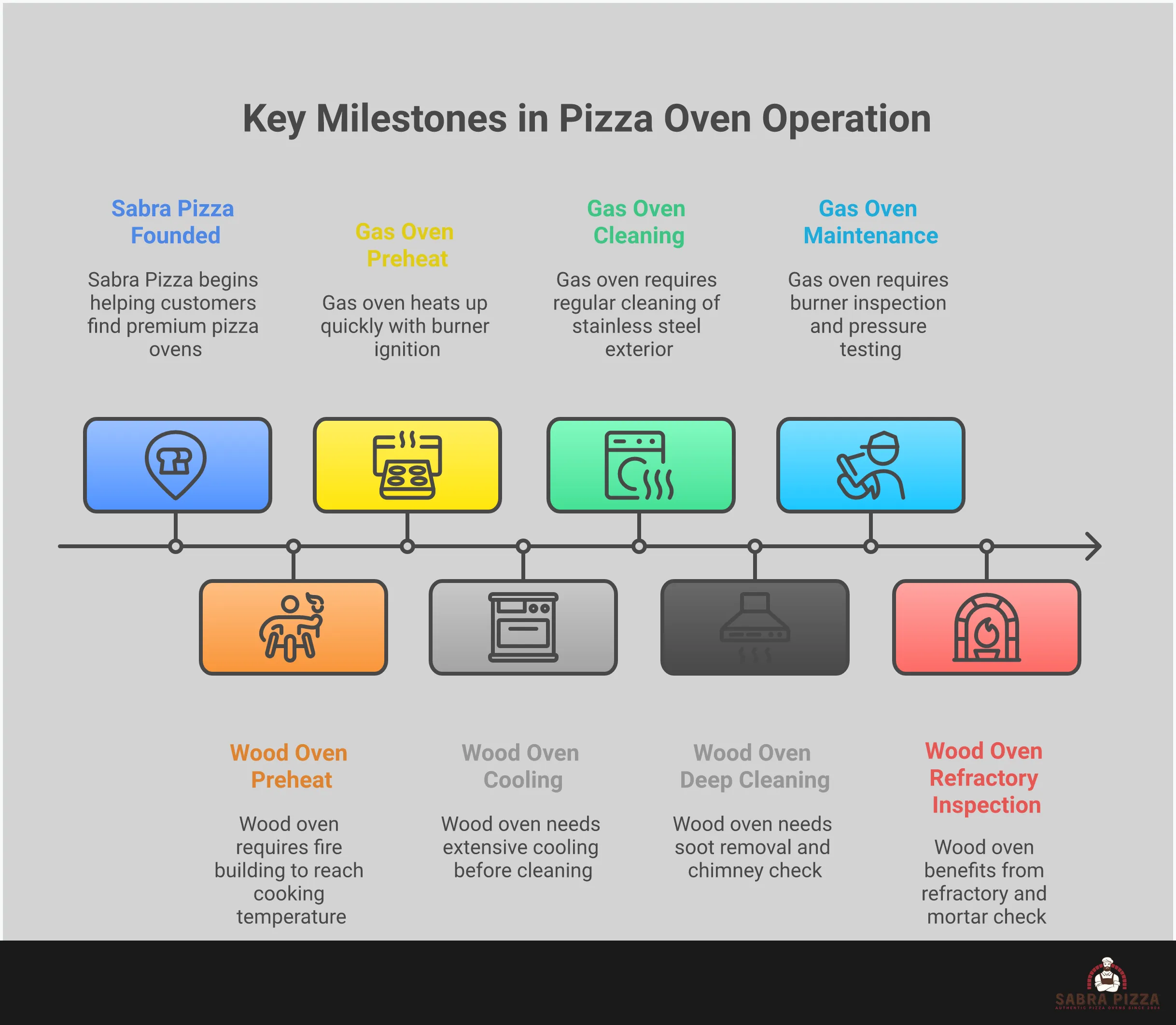
The authentic experience of a wood-fired oven comes with a more involved, rustic cleaning process. After the oven has completely cooled, your main task is to clear out the ash and any leftover wood embers from your cook. You’ll need to sweep the ash out of the chamber, and for a really thorough job, a special ash vacuum can help remove the fine dust that a brush might miss.
Periodically, you’ll also want to wipe the oven floor with a damp cloth to remove any soot, ensuring a clean surface for your next pizza. This routine is part of the ritual of cooking with wood. Using the right pizza oven accessories, like a sturdy copper brush, makes the process much smoother and more effective.
The Routine for a Gas Oven
If you’re looking for a quick and simple cleanup, a gas oven is hard to beat. The maintenance is minimal because there’s no ash or soot to manage. Once the oven is cool, you just need to sweep or scrape out any bits of cheese or toppings that may have fallen onto the oven floor. A small brush or a handheld vacuum can easily take care of any crumbs in tight spots.
The exterior is just as easy to maintain. Most gas pizza ovens feature a stainless steel finish that you can simply wipe down with a damp cloth or a non-abrasive sponge. The entire process takes just a few minutes, getting you from cleanup to relaxation in no time.
Long-Term Durability and Care
When it comes to long-term upkeep, gas ovens generally require less monitoring. With no wood and ash, there’s no risk of creosote buildup in a chimney or soot staining the oven dome. The components are self-contained, leading to a very straightforward ownership experience over the years.
However, it’s important to remember that high-quality ovens of both types are engineered for incredible durability. A well-built wood-fired oven from a premium manufacturer like Alfa Forni is designed to withstand the elements and high temperatures for decades with proper care. Ultimately, the choice comes down to whether you prefer the hands-on maintenance of a wood oven or the set-it-and-forget-it convenience of gas.
Installation and Setup: What You Need to Know
Bringing a pizza oven into your backyard is an exciting step, but it requires a bit of planning to get it right. Whether you’re drawn to the rustic appeal of a wood-fired oven or the modern convenience of gas, thinking through the installation process will ensure your setup is safe, functional, and ready for countless pizza nights. Let’s walk through what you need to consider for each type of oven and how to design the perfect space for it.
Setting Up a Wood-Fired Oven
A wood-fired oven is all about embracing the process. The setup is centered on managing a live fire, which is part of its charm. The burning wood creates a bed of hot coals on the oven floor, heating the dome to incredible temperatures. You can even move the fire around to heat specific parts of the floor for that perfect leopard-spotted crust. These ovens can reach between 800°F and 900°F, cooking a Neapolitan-style pizza in 90 seconds or less. Because they retain heat so well, they’re also fantastic for slow-cooking meats or baking bread long after the flames have died down. Your main considerations will be a stable, level surface and a good supply of quality hardwood.
Gas Oven Safety and Connections
If you want wood-fired results with less hands-on effort, a gas oven is a fantastic choice. The primary setup consideration is your fuel source. You can connect the oven to a portable propane tank or have a professional run a natural gas line directly to your outdoor kitchen. Safety is paramount here, so ensure you have proper ventilation and follow all manufacturer guidelines. The beauty of a gas oven is its simplicity; you don’t have to worry about storing wood or dealing with local burn bans. This ease of use makes it perfect for weeknight dinners or for hosts who want to focus on their guests instead of tending a fire.
Planning Your Outdoor Kitchen Space
Your pizza oven is more than just an appliance—it’s the heart of your outdoor entertaining area. When planning your space, think about workflow. Where will you prep your dough? How far will you have to carry a finished pizza? A visible wood-fired oven adds incredible character and becomes a natural gathering spot. Ultimately, the best oven for you comes down to your personal preferences and cooking style. Consider your budget, how often you’ll be cooking, and what you enjoy most about the experience. Whether you choose the authenticity of wood or the consistency of gas, a well-planned space will make every meal memorable.
Breaking Down the Costs: Fuel and Efficiency
When you’re choosing a pizza oven, the sticker price is just the beginning. To really understand the cost of ownership, you have to look at the ongoing fuel expenses and how efficiently the oven performs. The price of what it burns and how well it holds heat will impact your budget and your cooking experience for years to come. Thinking about these factors now helps ensure you’ll be happy with your choice long after your first pizza party. Let's break down how wood and gas ovens compare in performance and cost over time.
Comparing Fuel Costs and Usage
Your choice of fuel directly impacts your running costs. Wood can be inexpensive if you have a free supply of seasoned hardwood, but for most of us, it’s a recurring purchase. A bag of quality, kiln-dried cooking wood can be pricey, and you’ll need a dry place to store it. Propane and natural gas offer more predictable pricing. You can easily swap a propane tank or connect your oven to your home’s natural gas line for a steady supply. While gas is often the more economical fuel choice, your decision really comes down to balancing cost with the cooking experience you want.
A Look at Energy Efficiency
Energy efficiency is all about how well an oven turns fuel into heat and, just as importantly, holds onto it. Modern gas ovens are engineered for this, using advanced burners to get to temperature quickly and maintain it with minimal fuel. Think of it like cruise control—it makes small, consistent adjustments to keep things steady. A wood-fired oven’s efficiency depends more on the user and the oven's construction. A well-insulated oven requires less wood, but you’ll still need to actively manage the fire to maintain a consistent temperature. This hands-on approach is part of the charm but can use more fuel over a long cookout.
Which is the Better Long-Term Investment?
So, which oven makes more sense for the long haul? If your priorities are predictable costs and push-button simplicity, a gas oven is an excellent investment. The convenience and fuel efficiency often translate to lower overall running costs. However, if the authentic, rustic experience of a wood-fired oven is your main goal, then the hands-on process is simply part of the package. The best investment is always a high-quality oven that fits your lifestyle. A well-built machine from a trusted brand like Alfa Forni will deliver incredible results for decades, regardless of the fuel you choose.
From Start to Finish: Cooking Time and Ease of Use
Beyond flavor and fuel, the day-to-day experience of using your pizza oven is a huge factor. How much time do you want to spend getting ready to cook? How involved do you want to be in managing the heat? Your answers to these questions will point you toward the right oven for your lifestyle. Let's walk through the entire cooking process, from turning the oven on to pulling out that perfectly cooked pizza. The choice often comes down to whether you prioritize convenience or the hands-on craft of cooking with fire.
How Long Does it Take to Preheat?
When you're ready to cook, a gas oven is ready for you. With the push of a button, the flame ignites, providing a steady, consistent heat that warms the oven dome and then the floor. You can be ready to launch your first pizza in a fraction of the time. A wood-fired pizza oven, on the other hand, requires a more hands-on approach. You’ll need to build and tend a fire, which takes more time and attention. For many, this ritual is a cherished part of the authentic pizza-making experience.
Mastering Temperature Control
Temperature control is where gas ovens truly shine in their simplicity. You can set your desired temperature and trust the oven to maintain it, which is a huge advantage when you're hosting a party and need to focus on your guests, not the fire. If a wood oven gets too hot, it can take a while to cool down, requiring you to manage the fire carefully. Mastering the heat in a wood oven is a skill that develops over time, giving you a deeper connection to the cooking process and rewarding you with incredible results.
Which Oven is Easier for Beginners?
If you're just starting your pizza-making journey, a gas pizza oven offers a much gentler learning curve. They are incredibly easy to use and heat up quickly, letting you focus on perfecting your dough and toppings without the added variable of fire management. This simplicity gives you the wood-fired look with less hassle. A wood oven is for the purist who enjoys the craft and is excited by the challenge of taming a live fire. It’s a rewarding experience, but it definitely requires more practice to get it right.
Finding Your Fit: Which Oven is Right for You?
Choosing between a wood-fired and a gas oven comes down to your lifestyle, cooking habits, and what you want to achieve in your outdoor kitchen. There’s no single right answer, but thinking through how you’ll use your oven will point you in the right direction. Are you dreaming of lazy weekend pizza parties with the family, or are you outfitting a bustling restaurant patio? Do you relish the ritual of building a fire, or do you want to get cooking with the simple turn of a knob? Let’s walk through a few scenarios to help you find the perfect match for your culinary ambitions.
Choosing an Oven for Your Home
When selecting an oven for your backyard, the main consideration is the experience you’re looking for. If you love the romance of a real fire and the authentic, smoky flavor it imparts, a wood-fired pizza oven is your best bet. It does require more hands-on effort with tending the fire and cleaning the ash, but for many, that’s part of the charm.
On the other hand, if you prioritize convenience, speed, and precise temperature control, a gas-fired oven is a fantastic choice. You get fast heating and simple cleanup without the fuss. Worried about missing out on that classic taste? Many modern gas pizza ovens are engineered to get incredibly hot and distribute heat evenly, giving you a delicious, crisp crust that rivals a wood oven.
Ovens for Commercial Kitchens and High Volume
For a restaurant or catering business, consistency and efficiency are everything. Gas ovens are often the workhorses of commercial kitchens because they maintain a steady temperature during busy periods. This allows your staff to focus on crafting perfect pizzas and serving customers instead of managing a fire. They offer reliable, repeatable results, which is crucial when you have a line of orders to fill.
However, a visible wood-fired oven can be a powerful draw, adding immense charm and character to your establishment. The theater of a live fire creates a memorable dining experience, and customer demand for authentic wood-fired pizza is always strong. Many businesses find that a high-performance commercial pizza oven, whether gas or wood, becomes a centerpiece that defines their brand and delights their guests.
Matching an Oven to Your Cooking Style
Your oven should complement the way you love to cook. If you’re an adventurous chef who wants to do more than just make pizza, a wood-fired oven offers incredible versatility. Because wood ovens retain heat for hours after the fire dies down, they are perfect for slow-roasting meats, baking bread, or even smoking. The retained heat opens up a world of culinary possibilities.
If your focus is purely on making incredible pizza with minimal fuss, a gas oven is hard to beat. Its precise heat control ensures your crust is perfectly cooked every time. It’s important to remember that how an oven spreads heat is just as crucial as how hot it gets. A great oven, whether gas or wood, provides balanced heat from all sides, ensuring a perfect bake from the base to the toppings.
What Else Can You Cook?
Your Italian pizza oven is the star of pizza night, but its talents don't stop there. Think of it as a versatile outdoor oven capable of producing so much more than the perfect Margherita. From searing steaks to baking bread, these ovens open up a whole new world of culinary possibilities. The key is understanding how to use their unique heating properties to your advantage. Whether you have a wood-fired or gas oven, you can create an incredible range of dishes that will impress any guest.
Multi-Cooking in a Wood-Fired Oven
A wood-fired oven is a master of heat retention. After you’ve finished cooking pizzas at scorching temperatures, the oven stays hot for hours as the fire dies down. This residual heat is perfect for a second wave of cooking. You can slide in a cast-iron skillet with a whole chicken, slow-roast a pork shoulder until it’s fall-apart tender, or even smoke ribs. The radiant heat cooks food evenly, while the lingering wood smoke adds an incredible, rustic flavor you just can’t get anywhere else. This makes it easy to plan an entire multi-course meal using the different temperature stages of a single fire. Imagine pulling out a loaf of crusty, hearth-baked bread the morning after your pizza party—it’s completely possible.
The Versatility of a Gas Oven
If you love the idea of wood-fired results without the learning curve, a gas oven offers incredible versatility with push-button simplicity. The main advantage is precise temperature control. You can set your oven to 600°F for roasted vegetables and know it will hold that temperature consistently. This reliability is fantastic for dishes that require a steady, even heat, like baked fish, casseroles, or even a fruit cobbler for dessert. Gas ovens provide a simpler cooking experience, which is perfect when you want less hassle. You can easily sear steaks in a preheated cast iron pan or grill delicate shrimp skewers without worrying about flare-ups from a live fire, making weeknight outdoor cooking a breeze.
Using Temperature Ranges for Different Dishes
Mastering your pizza oven is all about understanding temperature. Wood-fired ovens can reach blistering temperatures over 800°F, which is what you need to cook a Neapolitan pizza in 90 seconds. As the oven cools, you hit different cooking zones. The 500–700°F range is perfect for roasting meats and vegetables. Below 450°F, you enter the ideal environment for baking bread and desserts. With a gas oven, you can dial in these temperatures on demand. This means you can use it at lower temperatures for baking bread in the morning without having to manage a fire. Learning the ideal cooking temperatures for different foods will transform your oven from a pizza-maker into the centerpiece of your outdoor kitchen.
Debunking Common Myths About Wood and Gas Ovens
When you start shopping for a pizza oven, you’ll quickly run into some strong opinions about wood versus gas. It’s easy to get tangled up in myths and misconceptions that have been floating around for years. The truth is, both types of ovens can produce incredible, restaurant-quality pizza right in your backyard. Let's clear the air on a few of the most common myths so you can feel confident in choosing the perfect oven for your cooking style.
Flavor and Temperature Misconceptions
The biggest myth is that only wood-fired ovens can give you that authentic, smoky pizza flavor. While it’s true that cooking with wood imparts a distinct, delicious taste, the idea that gas ovens can't compete on temperature is outdated. Many believe wood ovens get hotter, but premium modern gas ovens, like the incredible Alfa Forni™ models, are engineered to reach the same scorching temperatures needed for a perfect Neapolitan-style pizza. The misconception often comes from comparing a high-performance wood oven to a standard gas grill, which simply can't produce the same heat. A dedicated gas pizza oven, however, is a completely different beast.
Assumptions About Heat and Efficiency
Another common assumption is that wood is a more powerful or efficient heat source. In reality, gas ovens offer unparalleled consistency. Once you set the temperature, it stays there, which is a huge advantage when you're hosting a party and would rather chat with guests than constantly tend a fire. Gas ovens heat the dome of the oven very quickly, creating the intense top-down heat needed to cook toppings and melt cheese perfectly. While the floor may heat a bit slower without hot coals directly on it, the overall stability makes for a very predictable and efficient cooking process, allowing you to churn out perfect pizzas one after another.
Clarifying Beliefs on Authenticity and Ease of Use
Many purists argue that a wood-fired oven is the only way to have an "authentic" pizza experience. And they're not wrong—there is something special about managing a live fire and embracing that traditional cooking method. It’s a rewarding, hands-on process. However, authenticity doesn't have to come at the cost of convenience. A high-quality gas oven can produce an equally delicious and impressive pizza with far less effort. If you love the ritual of building a fire and the smoky flavor it provides, a wood-fired oven is a fantastic choice. If you prioritize ease, speed, and precision, a gas oven delivers an amazing experience without the learning curve.
Related Articles
- Wood vs Gas Pizza Oven: Which is Best for Your Backyard?
- 4 Best Hybrid Gas and Wood Pizza Ovens of 2025
- 5 Best Outdoor Natural Gas Pizza Ovens of 2025
Frequently Asked Questions
Can I get that classic smoky flavor in a gas oven? While a gas oven won’t replicate the exact smoky notes that burning wood provides, it creates a clean, high heat that allows the flavors of your dough, sauce, and fresh toppings to be the stars of the show. The incredible temperatures produce a perfectly charred, crispy crust that is very similar to what you’d get from a wood oven. If that hint of smoke is a must-have for you, then a wood-fired oven is the way to go.
Which oven is better if I'm new to making pizza at home? For anyone just starting out, a gas pizza oven offers a much more forgiving learning experience. The ability to set a precise temperature with a simple knob takes the guesswork out of heat management. This lets you focus entirely on perfecting your dough and getting comfortable with the cooking process. A wood-fired oven requires more practice to master the art of building and maintaining a fire, which can be a rewarding challenge but is definitely a more hands-on skill to develop.
How much more work is a wood-fired oven to clean and maintain? A wood-fired oven does involve a more hands-on cleanup routine. After each use, you'll need to wait for it to cool completely before sweeping out the ash and any remaining embers. In contrast, a gas oven's cleanup is incredibly simple. With no ash or soot, you just need to brush off any fallen bits of food from the oven floor. Both are built to last, but the day-to-day maintenance for a gas oven is significantly quicker.
If I plan on hosting a lot of parties, which oven is a better fit? This really depends on the kind of host you are. A gas oven is fantastic for entertaining because it heats up quickly and maintains a consistent temperature, allowing you to cook pizza after pizza without having to manage a fire. This frees you up to spend more time with your guests. A wood-fired oven, however, becomes the centerpiece of the party. The live fire creates a wonderful atmosphere and a fun, interactive experience for everyone involved, though it does require more of your attention.
Is one type of oven more versatile for cooking things other than pizza? Both ovens are incredibly versatile, but they excel in different ways. A wood-fired oven is unmatched for its ability to retain heat for hours. After the fire dies down, you can use the stored heat to slow-roast meats, bake bread, and cook casseroles. A gas oven offers precision, allowing you to dial in a specific temperature for roasting vegetables or searing a steak in a cast-iron pan. Your choice depends on whether you prefer the rustic, multi-stage cooking of a wood oven or the on-demand control of gas.