

While "pizza" is in the name, a high-performance outdoor oven is one of the most versatile cooking tools you can own. The same intense, controllable heat that creates a perfect Neapolitan crust in 90 seconds can also beautifully roast vegetables, bake crusty artisan bread, or put a perfect sear on a thick-cut steak. Think of it as a complete outdoor cooking station. This incredible versatility is a key factor to consider when you’re looking for the best outdoor natural gas pizza oven. We’ll show you which models excel at more than just pizza, turning your patio into a true culinary powerhouse.
Key Takeaways
- Embrace Effortless Cooking: Natural gas ovens provide the high-heat magic of a traditional oven with the simple turn of a dial. This means you get consistent, repeatable results and minimal cleanup, letting you focus on the food, not the fire.
- Look for Features That Deliver Performance: The best ovens hold their temperature thanks to quality insulation, cook evenly because of smart burner design, and are built to last with durable materials like stainless steel. These are the key features that separate a good oven from a great one.
- Prioritize a Safe and Professional Setup: While assembling your oven is straightforward, connecting it to a natural gas line is a job for a licensed professional. Proper placement on a non-combustible surface with plenty of clearance is the most critical step before you start cooking.
Why Choose a Natural Gas Pizza Oven?
If you dream of pulling perfectly cooked, bubbly pizzas from your own backyard oven but feel a little intimidated by the thought of managing a live fire, you're in the right place. A natural gas pizza oven offers all the high-heat magic of a traditional oven with the modern convenience we all appreciate. It’s about getting straight to the good part: the cooking and, of course, the eating. It’s the perfect solution for anyone who wants authentic flavor without the fuss.
The biggest draw for many is just how simple they are to operate. Forget stacking wood and tending to flames. With a natural gas oven, you just turn a knob to light it, set your desired temperature, and it’s ready to go in a fraction of the time a wood oven takes. This exact heat control is a game-changer, not just for beginners but for anyone who wants consistent, repeatable results without the learning curve. You can focus on perfecting your dough recipe instead of worrying about temperature fluctuations.
Let's talk cleanup—or the lack thereof. Because natural gas is a clean-burning fuel, you won't have to deal with soot or ash. Maintenance is wonderfully minimal; you really just need to keep the pizza stone clean. This simplicity frees you up to experiment. While pizza is the star of the show, the steady, controllable heat makes these ovens incredibly versatile. You can roast vegetables, bake bread, sear steaks, and so much more. It’s an appliance that expands your entire outdoor cooking repertoire, making it a true centerpiece of your patio or backyard kitchen.
What to Look For in a Natural Gas Pizza Oven
You’ve decided a natural gas oven is the right fit for your backyard—great choice! They offer incredible convenience and control. But before you make a final decision, it’s important to know what separates a good oven from a truly exceptional one. Focusing on a few key features will help you find a model that performs beautifully and becomes a lasting centerpiece for your outdoor gatherings. Let’s walk through exactly what you should be looking for.
Cooking Space and Overall Size
First, think about how you plan to use your oven and where it will live. Are you picturing a large, built-in statement piece for a full outdoor kitchen, or do you need a more compact countertop model? The size of the cooking surface will determine how many pizzas you can make at once and how large they can be. If you love hosting big parties, a larger oven is ideal for keeping the food flowing. If you’re mostly cooking for your family or have limited space, a smaller oven offers more flexibility without sacrificing performance. Match the oven’s footprint and capacity to your lifestyle.
Heat Output and Temperature Control
To achieve that perfect, puffy, leopard-spotted crust, you need high, consistent heat. A great natural gas oven should be able to reach at least 700°F, but the top-tier models easily push past 900°F. This is where the convenience of gas really shines. You get precise, steady temperature control with the turn of a dial, which is much simpler than managing a wood fire. This level of control is not only essential for perfect pizza but also gives you the versatility to roast vegetables, bake bread, and sear steaks with confidence.
Burner Design for Even Heat
This is a pro tip that makes a huge difference in your cooking experience. Pay attention to how the burners are designed and where they’re placed inside the oven. Some models have a burner in the back, while others might have them along the side or even underneath the cooking floor. A well-engineered burner system ensures heat is distributed evenly across the stone, which minimizes hot spots. This means your pizza cooks uniformly without you having to constantly turn it, leading to a more relaxed process and better, more consistent results every time.
Quality Insulation for Heat Retention
Getting an oven hot is one thing, but keeping it hot is another. This is where quality insulation is critical. Look for ovens with thick, multi-layered ceramic fiber insulation, which effectively traps heat within the cooking dome. Excellent insulation allows the oven to heat up quickly, maintain its temperature without wavering, and recover heat fast after you’ve opened the door to check on your pizza. It also means the oven is more fuel-efficient and the exterior stays cooler, making it safer for everyone enjoying your patio.
Durable Materials and Build Quality
Your outdoor pizza oven is an investment that should stand up to the elements and years of use. The best ovens are constructed from premium materials. For example, world-class Alfa Forni pizza ovens use heavy-gauge stainless steel and powder-coated finishes to prevent rust and corrosion. The cooking floor, or deck, should be made from thick slabs of refractory stone, just like the ones used in commercial pizzerias. This material is fantastic at absorbing and radiating intense heat, giving you that crispy, delicious crust you’re after.
Our Top Natural Gas Pizza Ovens for Every Budget
Finding the right natural gas pizza oven comes down to your space, your cooking style, and your budget. The good news is that there are incredible options at every price point, from investment-worthy Italian masterpieces to powerful and portable models that deliver amazing results. Whether you’re designing a complete outdoor kitchen or just want to make incredible pizza on your patio, there’s a perfect fit for you.
We’ve spent years testing and cooking with the best ovens on the market, so we know what separates the good from the great. It’s all about consistent heat, quality construction, and user-friendly design. To help you decide, we’ve broken down our top picks into three categories. Let's look at some of our favorite natural gas pizza ovens that consistently impress us with their performance and value.
Premium Pick: The Alfa Forni Collection
If you're ready to invest in the best, look no further than the Alfa Forni collection. Handcrafted in Italy, these ovens are the pinnacle of performance and design. Alfa ovens are renowned for their patented Forninox™ technology, which combines a stainless steel dome with a refractory brick cooking floor. This allows them to heat up in as little as 15 minutes and maintain incredibly high, even temperatures for perfect Neapolitan-style pizza. They are true statement pieces that become the heart of any outdoor kitchen, offering unmatched durability and cooking versatility for everything from pizzas and bread to roasted meats and vegetables.
Great Mid-Range Choices
For a fantastic balance of innovative features and price, the Halo Versa 16 is a standout. This oven is a dream for anyone who loves New York-style pizza. Its best feature is a unique rotating 16-inch pizza stone, which means you don't have to manually turn your pizza for an even, crispy crust. It’s powered by two burners to ensure the oven stays hot between pizzas, which is a huge plus when you’re cooking for a crowd. The Versa 16 is designed for propane out of the box but has a natural gas conversion kit available, making it a versatile and efficient choice for serious home cooks.
Top Budget-Friendly Models
Getting into outdoor pizza making doesn't require a massive budget, and the Ooni Koda 16 proves it. This sleek, gas-only oven is incredibly popular for a reason: it’s simple to use and delivers fantastic results. The Koda 16 features an innovative L-shaped burner that creates a waterfall effect of flames, cooking pizzas in about 60 seconds with minimal turning required. It’s lightweight enough to be portable but large enough to cook a 16-inch pizza. You can choose the natural gas version at purchase or get a conversion kit later, offering great flexibility for an entry-level price.
Natural Gas vs. Other Fuel Types: A Quick Comparison
Natural gas is a fantastic fuel source, but it’s not the only player in the game. The debate between gas, wood, and propane often comes down to personal preference, convenience, and the kind of cooking experience you’re after. If you're weighing your options, understanding the key differences will help you land on the perfect oven for your backyard setup. Let's break down how natural gas stacks up against the other popular choices so you can feel confident in your decision.
Natural Gas vs. Wood-Fired
This is the classic showdown: modern convenience versus old-world tradition. A wood-fired oven is iconic, offering that authentic, smoky flavor that many pizza purists crave. However, it requires more hands-on effort—you have to build and manage the fire, which takes practice. Natural gas ovens, on the other hand, are all about ease and precision. They heat up quickly and provide steady, exact heat control with the turn of a knob. This makes them incredibly user-friendly, especially for beginners or for those nights when you just want a delicious pizza without the fuss. For consistent results and effortless cooking, natural gas is hard to beat.
Natural Gas vs. Propane
Here, the comparison is a bit more apples-to-apples, as both are gas fuels. The main difference lies in the delivery. Natural gas connects directly to your home's gas line, providing a continuous, uninterrupted fuel supply. You’ll never have to worry about a tank running empty in the middle of a pizza party. This makes it ideal for a permanent backyard kitchen. Propane, which comes in portable tanks, offers flexibility. It’s the perfect choice for mobile pizza businesses or if you want the freedom to move your oven around your patio. Think of natural gas as a permanent fixture and propane as the go-anywhere option.
A Note on Conversion Kits and Flexibility
If you’re leaning toward gas, here’s a crucial tip: many gas pizza ovens are designed to run on propane right out of the box. To use one with your home’s natural gas line, you’ll likely need a conversion kit. Some models include this, while for others, it’s a separate purchase. Always double-check the product details before you buy to ensure you can make the switch. This small step saves a lot of headaches later. And if you truly can’t decide between the convenience of gas and the flavor of wood, look into hybrid ovens. These versatile models let you cook with either fuel, giving you the best of both worlds.
Let's Talk Flavor and Performance
Beyond the specs and materials, what you really want to know is how a natural gas pizza oven will perform in your backyard. Will it make amazing pizza? Is it easy to use? Can it do more than just one thing? The answer to all of these is a resounding yes. The real magic of these ovens lies in their ability to deliver consistent, high-heat performance that transforms your outdoor cooking, making every meal feel like a special occasion. Let's get into what you can expect when you fire one up.
Cooking Speed and Temperature Range
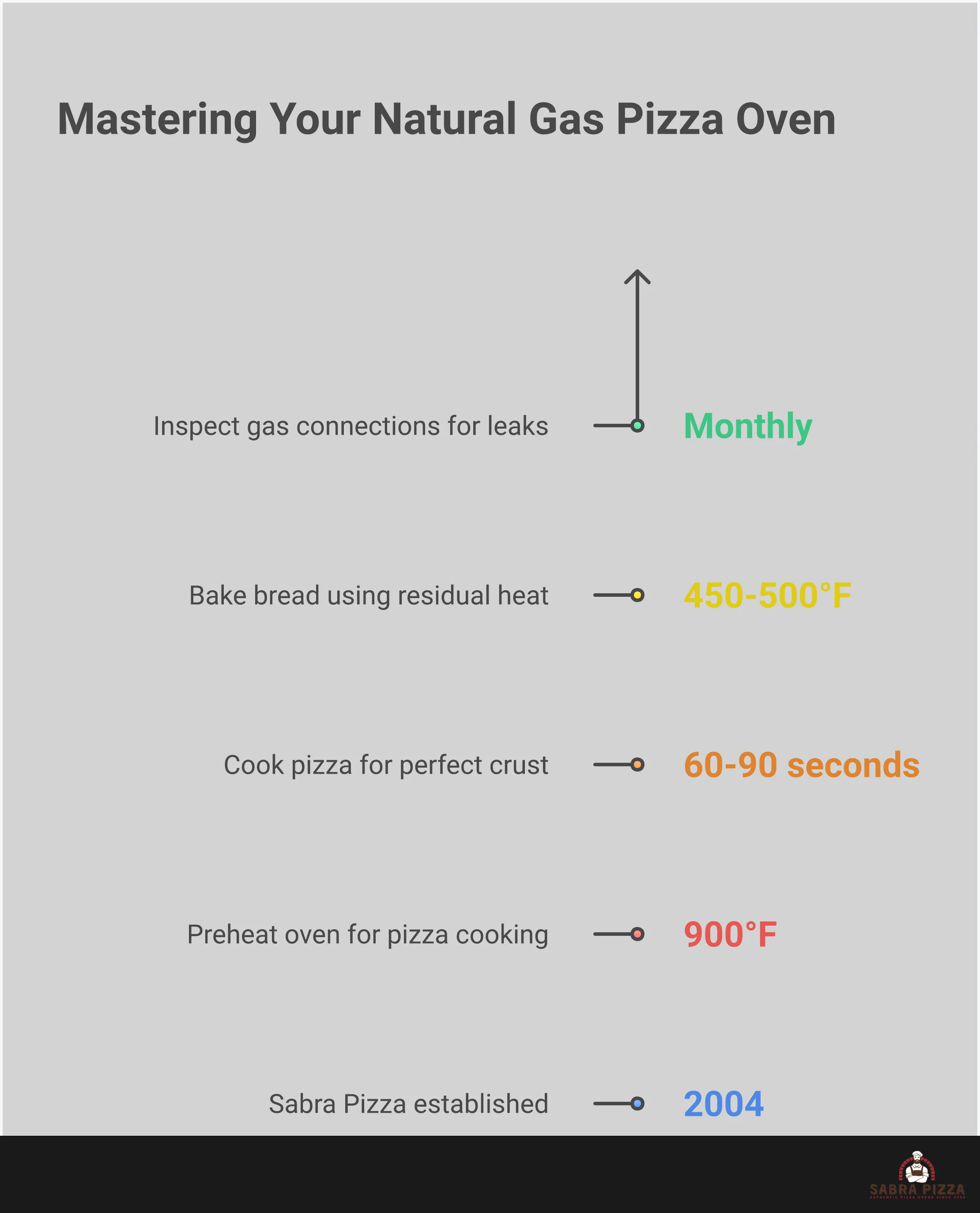
To get that perfect Neapolitan-style pizza with a crispy, leopard-spotted crust and a soft, chewy interior, you need serious heat. Your indoor kitchen oven, which maxes out around 500°F, just can’t get the job done. A quality natural gas pizza oven needs to reach temperatures over 900°F to cook a pizza in as little as 60 to 90 seconds. This intense, searing heat is what creates the "oven spring" that makes the dough puff up beautifully. The best premium ovens are engineered to hit and maintain these temperatures with ease, giving you pizzeria-quality results every single time.
More Than Just Pizza: What Else Can You Cook?
Don't let the name fool you; an outdoor pizza oven is one of the most versatile cooking tools you can own. Think of it as a high-performance outdoor convection oven. You can use it to roast vegetables until they’re perfectly caramelized, bake crusty artisanal bread, or sear a thick-cut steak in a cast-iron skillet. It’s also fantastic for cooking fish, flame-kissed chicken wings, and even desserts. With the right pizza oven accessories, your oven becomes the centerpiece of your entire outdoor kitchen, capable of handling almost any dish you can imagine.
Answering Your Top Concerns About Gas Ovens
Many people wonder if they’ll miss out on the "authentic" smoky flavor of a wood-fired oven. The truth is, the main difference between gas and wood ovens is simply the heat source. The incredible flavor of a great pizza comes from the high-temperature cooking process itself, not from wood smoke. What you gain with natural gas pizza ovens is incredible convenience and control. They heat up quickly and offer steady, precise temperatures with the turn of a dial. This means less time managing a fire and more time enjoying perfectly cooked food with your friends and family.
How to Install Your Natural Gas Pizza Oven
Getting your new pizza oven set up is the final step before you can start cooking. While the process is straightforward, proper installation is key to cooking safely and getting the best performance from your oven. Let's walk through the most important considerations, from hooking up the gas to finding the perfect spot in your backyard.
Connecting to Your Gas Line
One of the biggest perks of a natural gas oven is the direct connection to your home’s gas line. This means you have a constant, reliable fuel source on tap—no more running out of propane halfway through a pizza party. The connection itself is the most technical part of the setup. Your oven will come with specific fittings and a hose designed to hook into your existing natural gas stub. This setup provides the ultimate convenience, letting you fire up your oven with the simple turn of a knob, so you can focus on the fun part: making delicious pizza.
Professional vs. DIY Installation
While you might be tempted to handle the entire installation yourself, connecting the gas line is one job best left to a professional. We strongly recommend hiring a licensed plumber or certified gas technician to make the final connection. They have the tools and expertise to ensure the line is installed correctly, is free of leaks, and complies with all local safety codes. Think of it as an investment in peace of mind. While you can certainly assemble the oven stand and place the unit, a professional hookup guarantees everything is safe for your first cook. It’s the best way to prevent any potential risks associated with gas lines.
Safety and Placement Guidelines
Choosing the right location for your oven is just as important as the installation itself. Start by finding a stable, level, and non-combustible surface, like a stone countertop or a sturdy metal stand. Proper clearance is crucial for safety. You’ll need to maintain a safe distance from your house, fences, overhanging trees, and any other flammable materials. Always check your owner’s manual for specific clearance requirements. It’s also smart to find a spot that’s somewhat sheltered from strong winds, which can cause flare-ups and affect temperature stability. Following these guidelines for safe placement will create a secure and enjoyable cooking environment for years to come.
Caring for Your Natural Gas Pizza Oven
Your natural gas pizza oven is the heart of your outdoor kitchen, and a little bit of care will keep it performing beautifully for years. The good news is that gas ovens are wonderfully low-maintenance compared to their wood-fired cousins. You don't have to worry about scooping out piles of ash after every cook. However, a few simple routines—some daily, some seasonal—will protect your investment, ensure every pizza is as delicious as the last, and keep everything running safely. Think of it less as a chore and more as part of the ritual of creating amazing food for your friends and family.
Your Daily Cleaning Routine
The best habit you can get into is cleaning your oven after each use. Once the oven has completely cooled down, take a moment to sweep out any stray bits of cheese, toppings, or flour from the cooking floor. A good quality pizza oven brush is your best friend here. This simple step prevents debris from burning during your next cook, which can create unpleasant smoke and affect the flavor of your pizza. For the pizza stone itself, you can scrape off any baked-on food with a metal spatula or brush. Avoid using soap or water, as the porous stone will absorb it, which can lead to cracking.
Essential Seasonal Maintenance
A couple of times a year, it’s smart to give your oven a more thorough check-up. Start by inspecting the exterior for any signs of rust or wear, especially if you live in a humid climate. A high-quality, weather-resistant cover is your first line of defense against the elements. It’s also a good idea to check the burner tubes and vents for any blockages. Spiders and other insects can sometimes build nests in these areas during periods of inactivity, which can affect airflow and performance. A quick visual inspection before you fire it up for the first time in the spring can save you a lot of trouble down the line.
Maintaining Burners and Gas Lines
While gas ovens burn cleanly, the gas components themselves need your attention to ensure safety and efficiency. Periodically, you should check your gas lines for leaks. The easiest way to do this is by applying a bit of soapy water to the connections and hoses—if you see bubbles forming, you have a leak and should turn off the gas supply immediately and contact a professional. Also, give the hoses a visual inspection for any cracks or damage. And as a golden rule for any kind of outdoor cooking, always keep a fire extinguisher nearby. It’s a simple safety measure that gives you peace of mind while you focus on the fun part: making pizza.
Common Challenges (And How to Solve Them)
Even the most intuitive pizza oven has a bit of a learning curve. Your new natural gas oven is a powerful tool, and mastering it is part of the fun. Most issues that pop up are easily solved with a few simple adjustments to your technique. Let's walk through some of the most common hurdles and how you can clear them with confidence, getting you that much closer to baking the perfect pizza every single time.
How to Manage Hot Spots
Natural gas ovens, especially those with L-shaped burners, deliver powerful, concentrated heat. This can create "hot spots" on the cooking stone, causing one side of your pizza to cook faster than the other. The solution is simple: get rotating. Once you launch your pizza, let it cook for 20-30 seconds, then use a pizza turning peel to give it a quarter turn. Repeat this until all sides are evenly cooked and the cheese is perfectly bubbly. This technique ensures every inch of your crust gets the right amount of heat for a beautifully uniform bake.
Dealing with Weather
Cooking outdoors means you’re working with the elements. On a windy day, the flame might flicker, and cold temperatures can increase your preheating time. Don't let a little breeze stop you. If it's windy, position your oven with its back to the wind or use a temporary windbreak. On colder days, just give your oven an extra 10-15 minutes to fully preheat. An infrared thermometer is your best friend here, as it lets you check the stone's surface temperature to ensure it’s hot enough before you launch your first pie.
Troubleshooting Temperature Control
While natural gas provides a steady fuel source, you are still the master of your oven's temperature. The key is learning how your specific oven breathes—how it heats up, retains heat, and recovers. Once your oven is preheated, managing that heat effectively is what leads to consistent results. If your pizzas are cooking too quickly on top but the bottom is underdone, your stone might not be hot enough. Let it preheat longer. If the bottom is burning, you may need to lower the flame slightly just before you launch the pizza. It’s a dance, but you’ll learn the steps quickly.
How Much Does a Natural Gas Pizza Oven Cost?
Let's talk about the investment. When you're ready to add a natural gas pizza oven to your backyard, it's helpful to have a clear idea of the budget you'll need. The price can vary quite a bit depending on the size, features, and brand you choose, but I can give you a solid breakdown of what to expect so you can plan accordingly.
For a quality standalone gas or wood-fired outdoor pizza oven, you're generally looking at a price range between $1,500 and $8,000. This covers a wide variety of excellent models that will turn your patio into the neighborhood's favorite pizzeria. If you're dreaming bigger and planning a fully integrated oven as part of a custom outdoor kitchen, the investment can range from $5,000 to $15,000 or even more, depending on the complexity of your setup.
Looking at the broader market for outdoor pizza ovens, you'll find options starting around $1,500 and going up to over $10,000. The price often reflects the quality of materials, insulation, and the precision of the temperature controls. For instance, some brands offer compact countertop models for under $1,000, while their larger, commercial-style gas ovens can reach upwards of $8,500. Most of the popular residential models from top-tier brands tend to fall comfortably in the $2,500 to $6,000 range. Understanding these numbers will help you find the perfect oven that fits both your culinary ambitions and your budget.
So, Which Natural Gas Oven Is Right for You?
Choosing the right natural gas oven really comes down to how you plan to cook. Are you looking for ultimate flexibility, push-button simplicity, or a statement piece for your patio? Recent reviews of the best gas pizza ovens often highlight a few key models based on different cooking styles, so let's break them down to help you find your perfect match.
If you love having options, the Ooni Karu 2 Pro is a fantastic all-around choice. It’s a multi-fuel powerhouse, giving you the freedom to cook with wood or charcoal for authentic flavor, or switch to the natural gas burner for convenience. It’s large enough for 16-inch pizzas and features a digital thermometer, making it a great fit for both beginners and seasoned pros who want to experiment.
For those who dream of perfect, evenly-cooked New York-style pizza without the hassle, the Halo Versa 16 is a game-changer. Its signature feature is a rotating pizza stone that does the turning for you, ensuring a perfect crust every time. It heats up in as little as 15 minutes, so you can go from craving to cooking in no time.
If you want an oven that’s as beautiful as it is functional, the Gozney Dome is a premium option that delivers on both fronts. Its stunning design makes it a true centerpiece for any outdoor kitchen. With dual-fuel capability, you can enjoy the ease of gas during the week and the classic taste of a wood-fired pizza on the weekend. It’s an investment in both performance and style.
Finally, for the person who just wants a straightforward, high-performing gas oven, the Ooni Koda 16 is a top pick. It’s designed for simplicity and speed, with an L-shaped burner that heats the oven to 950°F in about 20 minutes. There’s no fuss here—just turn it on and start making incredible pizza.
Related Articles
Frequently Asked Questions
Will my pizza taste as good without the wood smoke? This is the number one question people ask, and the answer is yes, absolutely. The incredible flavor you associate with pizzeria-style pizza comes from the intense, searing heat that cooks the dough in under two minutes. This high temperature caramelizes the crust and toppings in a way your kitchen oven can't. A natural gas oven delivers that essential high heat with incredible precision, giving you that perfect flavor and texture every time.
Do I really need to hire a professional for installation? For the final gas connection, yes. While you can handle assembling the oven and stand yourself, connecting a natural gas line is a job for a licensed professional. It’s a matter of safety and peace of mind. A certified technician will ensure the connection is secure, leak-free, and up to local code, so you can focus on cooking without any worries.
Besides pizza, what are the best things to cook in a natural gas oven? Think of your pizza oven as a high-performance outdoor convection oven. It’s fantastic for searing steaks or cooking fish in a cast-iron skillet, roasting vegetables like asparagus and bell peppers until they’re perfectly charred, and baking crusty, artisanal bread. The steady, controllable heat makes it one of the most versatile tools in your outdoor kitchen.
How do I clean the pizza stone if I can't use soap and water? It’s simpler than you think. After you’re done cooking, let the oven cool down completely. Then, use a stiff brush or a metal scraper to remove any burnt-on cheese or toppings. For stubborn spots, you can flip the stone over before your next cook; the high heat will incinerate any remaining residue, effectively sterilizing it. The stone is porous, so avoiding water prevents it from cracking.
What if I don't have a natural gas line on my patio? A natural gas oven requires a direct connection to your home's gas supply, so you'll need a line already installed in your desired location. If you don't have one, a propane-fueled oven is an excellent alternative. It offers the same push-button convenience and temperature control but uses portable tanks, giving you more flexibility to move the oven around. Many models are also available in hybrid versions that can use both gas and wood.