

There’s a reason pizza from a true pizzeria tastes so different, and it all comes down to the intense, radiant heat of a proper oven. A built in outdoor pizza oven is the key to replicating that authentic experience at home, producing perfectly crisp, leopard-spotted crusts that are impossible to achieve in a conventional oven. But its capabilities go far beyond pizza. Think of it as a high-performance outdoor oven perfect for baking artisan breads, roasting vegetables, and searing meats. This guide explores how this versatile workhorse can transform your cooking, turning your backyard into a true culinary destination for every meal.
Key Takeaways
- Think Beyond Pizza: A built-in oven is a versatile centerpiece that transforms your outdoor space into a social hub, perfect for baking artisan bread, roasting meats, and searing vegetables.
- Find the Right Fit for Your Cooking Style: Your most important choices are the fuel source (wood for authentic flavor, gas for convenience) and whether to choose a pre-made model for proven performance over a complex custom build.
- Invest in Quality and Plan Your Installation: Prioritize durable materials and superior insulation for long-term performance, and map out your foundation, placement, and utility needs before the oven arrives to ensure a smooth setup.
Is a Built-In Pizza Oven Right for You?
Deciding to add a built-in pizza oven to your home is about more than just making pizza—it’s about transforming your outdoor space and the way you entertain. Unlike a portable grill or a countertop appliance, a built-in oven becomes a permanent, stunning centerpiece of your patio or outdoor kitchen. It signals a commitment to quality, flavor, and creating memorable experiences with family and friends. If you’re someone who loves hosting, appreciates fine craftsmanship, and wants to take your culinary skills to the next level, a built-in oven is a fantastic choice.
These ovens are designed to be integrated seamlessly into your outdoor living area, often surrounded by custom stonework or tile that matches your home’s aesthetic. This creates a cohesive, high-end look that feels both intentional and inviting. Beyond the visual appeal, a built-in oven offers unparalleled performance, reaching temperatures that home ovens can't match. This high heat is the secret to everything from perfectly crisp pizza crusts to beautifully seared steaks. It's a serious piece of cooking equipment that will change how you think about cooking outdoors. Before you make a final decision, let’s explore the key benefits that make a built-in pizza oven a worthwhile addition to your home.
Create an Authentic Pizza Experience
There’s a reason pizza from a true pizza oven tastes so different. A quality wood-fired oven gives you a traditional and authentic cooking experience, allowing you to replicate the flavors and textures of pizzas made in Italy. The intense, dry heat cooks a pizza in minutes, resulting in a perfectly crisp, leopard-spotted crust that’s impossible to achieve in a conventional oven. The subtle, smoky flavor infused by the wood fire adds a layer of complexity that simply can’t be faked. It’s a completely immersive cooking process that engages all your senses, from the crackle of the fire to the incredible aroma of baking dough and melting cheese.
Upgrade Your Outdoor Living Space
A built-in pizza oven does more than just cook food; it becomes the heart of your backyard. These ovens enhance your outdoor cooking area, transforming it into a social hub where you can cook like a restaurant chef at home, making gatherings more enjoyable. Imagine your friends and family gathered around the warm glow of the oven, drinks in hand, as you slide pizzas in and out. It creates a focal point for entertainment and encourages a more interactive, communal style of dining. A beautifully designed oven elevates your entire outdoor kitchen design, turning a simple patio into a true outdoor living room.
Cook More Than Just Pizza
While they excel at making pizza, these ovens are incredibly versatile. Think of a built-in pizza oven as a high-performance outdoor oven capable of tackling almost any recipe. They are perfect for baking artisan breads with incredible crusts, roasting vegetables to caramelized perfection, and searing meats and seafood to lock in juices and flavor. The consistent, radiant heat is ideal for slow-roasting a whole chicken or even baking a fruit cobbler for dessert. This versatility expands your outdoor cooking repertoire far beyond the grill, allowing you to prepare entire multi-course meals outside without ever stepping back into your indoor kitchen.
Add Lasting Value to Your Home
A built-in pizza oven is an investment that pays off in more ways than one. A quality brick or stainless steel oven is a long-term feature that not only enhances your cooking experience but can also add significant value to your home. A well-executed outdoor kitchen is a highly sought-after feature for potential homebuyers, making your property stand out in the market. It’s a permanent upgrade that improves your home’s functionality and curb appeal. By choosing a durable, premium model, you’re adding a luxury amenity that will provide enjoyment for years to come and deliver a solid return on your investment should you ever decide to sell.
Find Your Perfect Fuel Type
Choosing the fuel for your pizza oven is one of the most important decisions you'll make. It shapes everything from the flavor of your food to the time it takes to heat up for a weeknight dinner. This isn't just a technical detail; it's about matching the oven to your lifestyle. Do you dream of tending a crackling fire and savoring that authentic, smoky taste that only real wood can provide? Or do you value the speed and precision of flipping a switch and being ready to cook in minutes, without any fuss?
There’s no single "best" option—only what's best for you. The three main choices are wood, gas, or a hybrid model that combines both. Each offers a distinct cooking experience. Wood-fired ovens are for the purists who love the craft and the ritual of building a fire. Gas ovens deliver incredible convenience and control, making them a fantastic choice for busy families or frequent entertainers. And hybrid ovens give you the flexibility to choose your adventure, depending on your mood and how much time you have. Let's walk through what makes each fuel type unique so you can find the perfect heart for your outdoor kitchen.
Wood-Fired: For the Traditionalist
If you’re drawn to the romance of traditional cooking, a wood-fired oven is for you. There’s nothing quite like the crackle of burning logs and the rich, smoky aroma that infuses every pizza with an unmatched flavor. These ovens are the gold standard for authentic Neapolitan-style pizza, reaching scorching temperatures over 900°F that cook a pie in as little as 60 seconds. This intense heat creates that perfect leopard-spotted char on the crust. Choosing a wood-fired pizza oven means embracing the process—it’s an experience that turns cooking into a true art form.
Gas-Powered: For Ultimate Convenience
For those who want delicious, high-quality pizza without the learning curve of managing a live fire, gas is the way to go. Gas-powered pizza ovens offer the ultimate convenience. With the turn of a knob, you get fast, consistent heat and precise temperature control, taking all the guesswork out of the equation. They heat up quickly, making them perfect for spontaneous pizza nights or entertaining guests when you’d rather be socializing than tending to a fire. You get all the fun of an outdoor pizza oven with push-button simplicity, ensuring perfect results every time.
Hybrid: The Best of Both Worlds
Can’t decide between the authentic flavor of wood and the simplicity of gas? You don’t have to. A hybrid oven gives you the freedom to use either fuel source, offering incredible versatility. You can fire it up with gas for a quick and easy weeknight meal, then add wood on the weekend when you want to slow down and achieve that classic smoky taste. These dual-fuel models are perfect for the home chef who wants it all—uncompromising flavor when you have the time and push-button convenience when you need it.
How Fuel Affects Temperature and Cooking
The fuel you choose directly impacts how your oven performs. Wood fires can generate intense, radiant heat, allowing the oven’s dome to reach 900°F or more. This is the secret to cooking a pizza in under two minutes, creating a crispy crust while keeping the toppings fresh. The oven floor, or deck, should ideally be between 600-750°F for that perfect bake. Gas ovens, on the other hand, provide a more consistent and easily regulated heat. This steady temperature is not only great for pizza but also gives you the control needed to perfectly roast vegetables, sear steaks, or even bake bread.
Custom Build vs. Pre-Made: Which Is Better?
One of the biggest decisions you'll make when adding a pizza oven to your outdoor kitchen is whether to build a custom one from scratch or buy a pre-fabricated model. A custom-built oven offers the allure of a unique, personal project, allowing you to design every detail to match your vision. It can be a rewarding experience if you have the skills, time, and a clear plan. However, it’s a major undertaking that often comes with a steep learning curve and unexpected costs.
On the other hand, pre-made ovens from expert manufacturers offer a more direct path to pizza perfection. These units are engineered for optimal performance, built with high-quality materials, and designed to be installed with relative ease. You get the benefit of years of research and development without the headache of sourcing materials and managing a complex construction project. For most homeowners who want a reliable, high-performance oven without the guesswork, a pre-made model is the ideal choice. It lets you focus on what really matters: firing up the oven and making incredible food for your friends and family.
The Pros of a Custom-Built Oven
The main draw of a custom-built oven is total creative control. You get to decide the exact size, shape, and finish, creating a true one-of-a-kind centerpiece for your backyard. If you have a specific aesthetic in mind or need to fit the oven into an unusual space, a custom build lets you tailor it perfectly. For the dedicated DIYer, the process itself can be a fun and satisfying project. You’ll learn a lot about masonry and oven construction, and there’s a definite sense of pride in cooking in an oven you built with your own hands. However, it's a serious commitment that requires significant research, skill, and patience to get right.
The Perks of a Pre-Made Model
Opting for a pre-made pizza oven is all about quality, convenience, and peace of mind. Brands like Alfa Forni have spent decades perfecting their designs, so you’re getting a product that’s guaranteed to perform. These ovens are built with superior materials engineered for heat retention and durability, taking all the guesswork out of the equation. You can often get a larger, higher-quality oven for less money and effort than a DIY project. Plus, the installation process is much more straightforward, meaning you can go from delivery to your first pizza party in a fraction of the time it would take to build from scratch.
Comparing the Costs
When you look at the numbers, a pre-made oven is often the more financially savvy choice. A well-executed DIY pizza oven can easily cost more than $2,600 in materials alone, and that doesn’t account for your time or any specialized tools you might need to buy. This is often more than double the price of a top-rated pre-made oven. While a professionally installed pre-made oven might cost around $3,500, you’re paying for a predictable outcome and expert setup. With a custom build, costs can quickly spiral, making it a riskier investment if you’re trying to stick to a specific budget.
What to Expect for Installation
Whether you build or buy, proper installation is key to your oven’s performance and longevity. A critical mistake many people make is building a pergola or roof structure before the oven is in place, which can make it incredibly difficult to move the heavy unit into position. Always plan your oven placement first. You’ll need a solid, level foundation to support the oven’s weight. For pre-made models, it’s wise to follow the manufacturer’s step-by-step instructions or hire a professional. They’ll ensure everything is set up safely, with proper ventilation and clearance, so you can fire up your oven with confidence.
Meet the Best Brands in the Business
When you're investing in a built-in pizza oven, the brand you choose is a big deal. It’s a decision that impacts the quality, performance, and longevity of your outdoor kitchen’s centerpiece. To make it easier, I'm introducing you to the heavy hitters in the industry—the brands that consistently deliver incredible results and stand the test of time.
Alfa Forni: Italian Craftsmanship
When you think of authentic pizza, you probably think of Italy. Alfa Forni brings that heritage right to your backyard. They are masters at blending traditional Italian craftsmanship with cutting-edge technology, creating ovens that are as beautiful as they are powerful. Known for their innovative designs and superior performance, Alfa Forni ovens heat up incredibly fast and maintain consistent temperatures, giving you that perfect Neapolitan-style pizza every time. Whether you're a home cook looking to impress or a professional chef demanding the best, Alfa offers a range of models designed to meet the highest standards. It's this commitment to quality that makes them a leader in the industry.
Fontana Forni: A Legacy of Quality
With a history stretching back decades, Fontana Forni has built a reputation on a simple promise: quality that lasts. This is another iconic Italian brand that takes immense pride in its work. Their ovens are true workhorses, engineered for durability and efficiency using premium, corrosion-resistant materials. Fontana focuses on meticulous construction, ensuring every oven provides exceptional cooking performance and longevity for years to come. If you're looking for a reliable, high-performance oven with a rich legacy of quality, Fontana Forni is a fantastic choice. Their designs are a testament to the idea that the best cooking experiences come from equipment you can always count on.
Forno Bravo: Versatile and Reliable
Forno Bravo is all about versatility. They design their ovens with everyone in mind, from the weekend pizza enthusiast to the seasoned professional. What makes them stand out is their focus on creating a flawless cooking environment. Their ovens are celebrated for providing incredibly consistent heat, which is the secret to a perfectly cooked pizza with a crispy crust and melted toppings. This reliability takes the guesswork out of wood-fired cooking, letting you focus on your recipes. If you want an oven that can handle anything you throw at it and deliver predictable, delicious results every time, exploring the Forno Bravo lineup is a must.
Chicago Brick Oven: American-Made Excellence
For those who appreciate American-made quality, Chicago Brick Oven is a name you need to know. They specialize in creating authentic, high-performance brick ovens that deliver a true wood-fired cooking experience. These ovens are built tough, combining time-honored brick oven techniques with modern engineering to withstand the elements in any climate. The result is an oven with excellent heat retention and a signature smoky flavor that only a real brick oven can provide. Choosing a Chicago Brick Oven means investing in a durable, American-made centerpiece that will make your outdoor kitchen the talk of the neighborhood for years to come.
Key Features to Look For
Once you’ve settled on a fuel type and style, it’s time to look at the features that separate a good pizza oven from a truly exceptional one. The right combination of materials, technology, and design will directly impact your cooking experience, the oven's longevity, and, of course, the quality of your pizza. Premium brands have spent decades perfecting these elements, combining timeless craftsmanship with modern convenience. Understanding what to look for will help you choose an oven that not only meets your needs but exceeds your expectations for years to come. These are the details that make all the difference between an occasional hobby and a full-blown passion.
Durable Construction Materials
A built-in oven is a permanent addition to your home, so it needs to be built to last. Look for models constructed from high-grade materials like stainless steel, refractory concrete, and powder-coated metals that can withstand extreme temperatures and outdoor elements. The cooking floor, or deck, is especially important—it should be made from firebricks or refractory stone that can absorb and radiate heat evenly. Many top-tier ovens also incorporate helpful features like built-in thermometers and adjustable vents for optimal baking results. These thoughtful details ensure your oven performs reliably every time you fire it up.
Superior Heat Retention
The secret to a perfect Neapolitan-style pizza with a crispy, leopard-spotted crust is intense, consistent heat. An oven with superior heat retention can reach and maintain high temperatures efficiently, which means less fuel and faster cooking times. This is achieved through thick, high-quality insulation (like ceramic fiber) and dense construction materials. Excellent heat retention also offers a fantastic bonus: you can use the residual heat long after the flames die down to bake bread, roast vegetables, or slow-cook meats, making your oven a versatile culinary powerhouse.
Smart Temperature Controls
While traditional cooking has its charm, modern technology can make achieving perfect results much easier. Many contemporary ovens come with integrated temperature controls and smart monitoring solutions that take the guesswork out of heat management. Digital thermometers give you precise readings of the oven floor and dome temperatures, ensuring you launch your pizza at the perfect moment. For gas and hybrid models, these controls allow you to set and maintain a specific temperature with the turn of a dial. These smart innovations provide consistency and control, helping you cook like a professional.
All-Weather Protection
Your outdoor oven will be exposed to sun, rain, wind, and maybe even snow. Look for models built with weather-resistant finishes and durable materials that won't rust or degrade over time. High-quality stainless steel is an excellent choice for its resilience. Beyond the oven’s built-in durability, it’s wise to invest in a snug, weatherproof cover designed specifically for your model. This simple accessory provides an essential layer of defense against moisture and debris, protecting your investment and ensuring it stays in pristine condition through every season.
Proper Ventilation
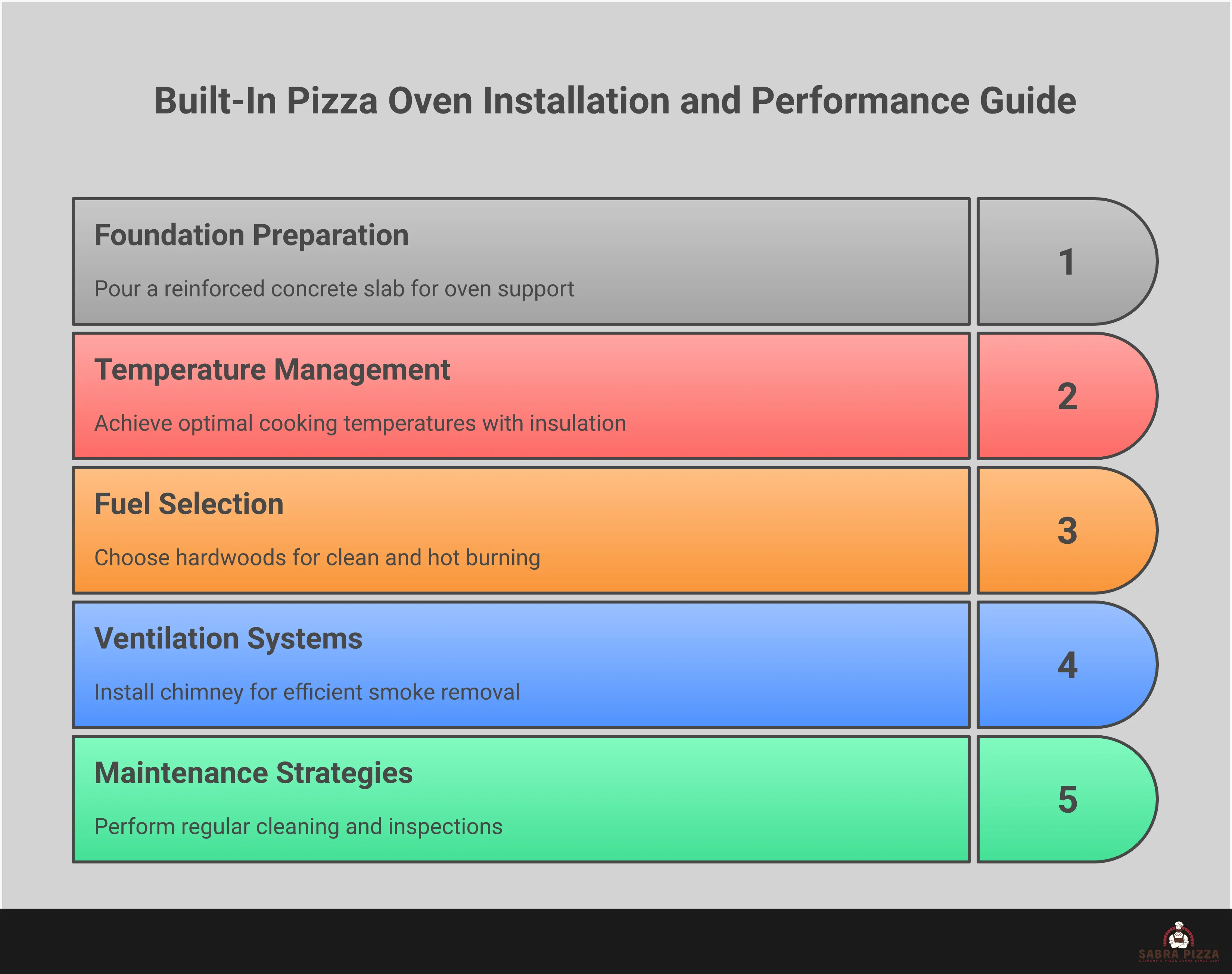
Good airflow is critical for a pizza oven’s performance and safety, especially for wood-fired models. A well-designed ventilation system, including the chimney and flue, ensures the fire burns efficiently and cleanly by drawing in fresh air and expelling smoke. This not only creates a more pleasant cooking environment but also helps you achieve higher temperatures faster and maintain them with greater control. Proper ventilation is a key feature that distinguishes expertly engineered ovens, leading to better-tasting food and a safer outdoor kitchen.
Planning Your Pizza Oven Installation
You’ve picked the perfect oven—now for the fun part: bringing it home and making it a permanent fixture in your outdoor space. A little bit of planning at this stage makes all the difference between a smooth installation and a series of headaches. Getting the logistics right ensures your oven is safe, functional, and ready for years of pizza parties. Think of it as building the perfect foundation for your culinary adventures. Before the delivery truck arrives, let’s walk through the key steps to prepare your space. From measuring twice to understanding local rules, we’ll cover everything you need to know to get your installation done right.
Measure Your Space
First things first, grab a tape measure. You need to know exactly how much room you have to work with. Measure the footprint for the oven itself, but don’t stop there. Consider the clearance needed around it for safety and proper ventilation—you don’t want it too close to flammable surfaces. Think about the height, too, especially if you’re installing it under a pergola or covered patio. One of the biggest mistakes homeowners make is building the overhead structure first, making it incredibly difficult to get the oven into place. Also, map out the delivery path from the street to its final spot to ensure there’s a clear, wide-enough route.
Prepare the Foundation
Your pizza oven is heavy, and it gets incredibly hot. It needs a strong, stable, and perfectly level foundation to sit on. A simple patio paver base won’t cut it. Most built-in ovens require a reinforced concrete slab that can handle the weight and thermal expansion without cracking over time. This isn't a step where you want to cut corners. An improper foundation can lead to structural issues with the oven down the road. If you’re building a full outdoor kitchen counter, ensure the structure is engineered to support the oven’s specific weight and insulate it properly from combustible materials.
Plan for Utility Hookups
Even if you choose a classic wood-fired oven, you might want to plan for utilities. Many owners find it useful to have an electrical connection nearby for lighting, a rotisserie, or charging a phone while you cook. If you’ve opted for a gas or hybrid model, you’ll need to run a natural gas or propane line. It’s crucial to plan these hookups early and hire licensed professionals to do the work. Make sure all connections are easily accessible in case you need to make repairs in the future. Thinking about this now will save you from having to tear up your beautiful new patio later.
Check Local Building Codes
Before you break ground, do a little homework on your local building codes and regulations. This is a critical step that many people overlook. Your city or county may have specific rules about how far an outdoor oven needs to be from your property line, your house, or other structures. You may also need a permit for the installation, especially if you’re running new gas or electrical lines. A quick call to your local building department can clarify the requirements and help you avoid any potential fines or issues. It’s always better to be safe and ensure your dream outdoor kitchen is fully compliant.
Tips for a Smooth Installation
To make installation day as seamless as possible, preparation is key. Start by thoroughly reading the manufacturer’s installation manual—it’s your most important guide. Have all your tools and materials gathered and ready before you begin. If you’re hiring a contractor, walk them through the plan and the manufacturer’s specifications to make sure everyone is on the same page. A smooth installation often comes down to anticipating challenges. By understanding the common problems that can arise, you can prepare solutions in advance and ensure your oven is set up for perfect pizza every single time.
What Will Your Pizza Oven Cost?
Let’s talk about the investment. A built-in outdoor pizza oven is a significant upgrade to your home, and the price can range quite a bit depending on what you’re looking for. Think of it less as an appliance and more as a permanent culinary fixture for your backyard. The final cost is a combination of the oven itself, the materials it’s made from, the installation process, and any extra features you choose. Understanding these components will help you set a realistic budget and find the perfect oven without any surprises along the way.
How Size and Capacity Affect Price
One of the biggest factors influencing the price is the oven's size. Are you planning intimate pizza nights for two or hosting the entire neighborhood? A smaller oven designed for one or two personal pizzas will be on the lower end of the price spectrum, while a larger model with the capacity to cook multiple pies at once will cost more. A quality outdoor pizza oven typically ranges from $1,200 to $6,500. More expensive models don't just offer more space; they often come with superior insulation, which is key for maintaining those high, even temperatures needed for the perfect crust.
Why Material Quality Matters
When you're looking at different ovens, it can be tempting to go with a less expensive option, but this is one area where you don't want to cut corners. The quality of the materials directly impacts your oven's performance and longevity. Ovens built with high-grade stainless steel and refractory ceramic materials, like those from Alfa Forni, are designed to withstand extreme temperatures and the elements. They retain heat more efficiently, which means less fuel consumption and more consistent cooking results. Investing in a well-constructed oven from the start will save you from the frustration and expense of repairs down the road.
Factoring in Installation Costs
The price of the oven itself is just one part of the equation. Since you’re installing a permanent structure, you’ll need to budget for the build-out. This can include creating a concrete foundation, building the enclosure, and running utility lines for gas-powered models. It’s crucial to have a solid plan before you begin. We’ve seen homeowners build a beautiful pergola first, only to realize they can't get the oven into place. To avoid costly mistakes, we recommend consulting with a professional contractor. A well-thought-out installation plan ensures everything goes smoothly from day one.
Budgeting for Extra Features
Beyond the basics, many ovens come with features that can make your pizza-making experience even better. Things like built-in thermometers for precise temperature monitoring, adjustable vents for heat control, and included pizza stones can add to the initial cost but are often worth it. You might also consider adding custom features to your outdoor kitchen, like built-in storage for wood and tools. Think about which pizza oven accessories are must-haves for your cooking style and factor them into your overall budget. These thoughtful additions are what will truly make your pizza station your own.
Keep Your Oven in Top Shape
Your built-in pizza oven is the heart of your outdoor kitchen, and with a little routine care, it will perform beautifully for years. Think of maintenance as part of the ritual of making incredible food for your friends and family. It’s not about tedious chores; it’s about preserving the quality of your investment and ensuring every pizza is as good as the first. A well-maintained oven heats up efficiently, cooks evenly, and continues to be a stunning centerpiece in your backyard.
Most of the work is simple and quick, especially if you stay on top of it. From clearing out ash after a cookout to protecting your oven during the off-season, these small steps prevent bigger issues down the road. We’ll walk through a simple checklist for regular cleaning, seasonal upkeep, and the essential tools that make it all effortless. Following these guidelines will help you protect your oven from the elements and keep it ready for your next pizza night.
Your Regular Cleaning Checklist
Keeping your oven clean doesn’t have to be a big project. A few simple tasks after each use will keep it in prime condition. For wood-fired ovens, always let the oven cool completely before you begin. The most important step is to clean out the ash from the cooking chamber. This ensures proper airflow for your next fire, which is critical for reaching and maintaining the right temperature. Use a metal shovel and an ash bucket for safe disposal. For the exterior, a simple wipe-down with a soft, scratch-resistant cloth is usually all you need to keep it looking sharp and free of dust or soot.
Seasonal Care and Upkeep
As the seasons change, your oven’s needs might, too. Before winter sets in, give your oven a thorough cleaning and inspection. Check the oven dome and floor for any small cracks that may have appeared during the cooking season. While high-quality ovens are built to withstand temperature changes, it’s always good to be proactive. The single most important thing you can do for seasonal care is to invest in a snug, weatherproof cover. This will protect it from the harsh effects of ice, snow, and freezing rain, which can cause damage over time.
Manage Your Oven's Temperature
Proper temperature management is key to both perfect pizza and a long-lasting oven. This is especially true for wood-fired models, where you’re in charge of building and maintaining the fire. While it might sound intimidating, it’s a skill you’ll quickly master. The goal is to heat your oven gradually. Firing it up too quickly can cause thermal shock, potentially cracking the refractory dome or floor. Start with a small fire and slowly add larger pieces of wood, allowing the oven materials to expand evenly. This patient approach protects the structural integrity of your oven for countless future cooks.
Must-Have Tools and Accessories
Having the right tools makes cooking and cleaning so much easier. A long-handled brush, preferably with brass bristles, is essential for sweeping ash and debris off the cooking floor without scratching the surface. A quality pizza peel is another non-negotiable for getting pizzas in and out of the oven safely. Beyond the basics, consider investing in a full set of pizza oven accessories, which might include an ember rake for managing your fire and a laser thermometer for checking the floor temperature accurately. Using the proper tools makes a significant difference in your oven’s day-to-day operation and maintenance.
Protecting Your Oven from the Elements
Your built-in oven is designed to live outdoors, but that doesn’t mean it’s invincible. A high-quality, waterproof cover is your first line of defense against the elements. Rain, snow, and even intense UV rays can degrade your oven’s exterior finish over time. Make it a habit to cover your oven once it has completely cooled after each use. It’s also wise to regularly inspect the cover itself for any tears or leaks. A damaged cover can trap moisture, which is worse than no cover at all. This simple step is one of the most effective ways to prevent rust and deterioration.
Related Articles
Frequently Asked Questions
Is a built-in oven really that different from a high-quality portable one? Yes, the difference is significant. Think of a built-in oven as a permanent architectural feature of your home, not just an appliance. Its integration into your outdoor kitchen creates a seamless, high-end look. More importantly, its substantial mass and superior insulation provide unmatched heat retention, which is the secret to everything from perfectly crisp pizza crusts to evenly roasted meats. It’s an investment that enhances your lifestyle and adds lasting value to your property.
Will my pizza taste less authentic if I choose a gas oven instead of a wood-fired one? While a wood fire does impart a distinct, subtle smokiness, the most critical element for authentic pizza is intense, consistent heat. A quality gas oven delivers that high heat flawlessly, giving you a perfectly cooked, leopard-spotted crust every time. Many purists find the convenience and precise temperature control of gas well worth it. If you truly want both options, a hybrid oven gives you the freedom to use gas for a quick weeknight dinner and wood when you have more time to savor the process.
What can I cook in a pizza oven besides pizza? You can cook almost anything you would in your indoor oven, but with much better results. The high, dry heat is perfect for searing steaks to get a beautiful crust while keeping the inside juicy, roasting a whole chicken to crispy-skinned perfection, or baking artisan bread with an incredible crust. It’s also fantastic for caramelizing vegetables and even baking desserts like a fruit cobbler using the residual heat after the main meal is done.
What's a realistic timeline for getting a built-in oven installed? The timeline really depends on the scope of your project. If you have an existing outdoor kitchen counter ready to go, installing a pre-made oven could take just a few days. However, if you’re starting from scratch and need to pour a concrete foundation, build a custom enclosure, and run utility lines, the process could take several weeks. The most important phase is planning, so take your time to get that right before any construction begins.
Does the price of the oven typically include the cost of installation? Generally, no. The price you see for an oven is for the unit itself. Installation is a separate cost that can vary widely based on your specific setup. You’ll need to budget for the foundation, the enclosure materials, any necessary utility hookups for gas or electricity, and the labor to put it all together. It's always a good idea to get a detailed quote from a professional contractor to understand the full investment.