

There’s a powerful romance to the idea of a wood-fired oven. We picture a crackling fire, the subtle scent of smoke, and a perfectly blistered pizza pulled from a classic brick dome. Many people believe this is the only way to get authentic flavor. But is that still true? Modern oven engineering has seriously leveled the playing field. The conversation around a wood vs gas pizza oven for your backyard is often filled with outdated myths. The truth is, the incredible taste you love comes from extreme heat, and today’s premium gas ovens can get just as hot as their wood-burning counterparts. Let’s clear the air and separate fact from fiction, so you can make your choice based on how these ovens actually perform.
Key Takeaways
- Match the oven to your cooking style: Prioritize the push-button convenience of a gas oven for easy, weeknight pizza parties, or embrace the hands-on process of a wood-fired oven if you enjoy the authentic ritual of managing a live fire.
- Focus on heat, not just smoke: The perfect, leopard-spotted crust comes from scorching temperatures (900°F+), a feat that high-quality gas ovens now achieve just as well as wood-fired models. The delicious char you love is a result of intense heat, not necessarily the fuel source.
- Plan for space, setup, and ongoing costs: Look beyond the initial price tag and consider the full picture. Factor in your available patio space, potential installation costs for a natural gas line, and the recurring expense of either quality firewood or propane.
Wood vs. Gas Pizza Ovens: What's the Real Difference?
When you’re choosing between a wood-fired and a gas-powered pizza oven, you’re really deciding on the kind of cooking experience you want. The fuel source is the main distinction, and it influences everything from how the oven heats up to its design and the level of hands-on attention it requires. Both can make incredible pizza, but they get there in different ways. Understanding these core differences will help you find the perfect centerpiece for your backyard gatherings. Let's break down what sets them apart so you can feel confident in your choice.
How They Heat and How Hot They Get
A classic wood-fired oven is famous for the intense, dry heat it produces, which is the secret to a crispy, leopard-spotted crust. It heats up in three ways at once: the direct flame licks the dome, radiant heat bounces off the walls and ceiling, and conductive heat transfers from the hot coals on the oven floor directly to your pizza. This combination allows wood ovens to reach scorching temperatures of 900°F or more.
On the other hand, a gas oven offers speed and consistency. With the push of a button, a steady flame heats the oven, getting it ready for pizza in a fraction of the time. While it used to be that gas couldn't compete on temperature, many modern gas pizza ovens can now reach the same blistering highs as wood-fired models, giving you that perfect bake without the fire management.
A Look at Design and Construction
There’s no denying the rustic charm of a traditional wood-fired oven. It often becomes a stunning focal point in an outdoor kitchen, signaling an authentic, hands-on cooking experience. These ovens are typically built with heavy, well-insulated materials that are fantastic at retaining heat. This means that long after you’ve finished making pizzas, the oven stays warm enough to bake bread or slow-roast meats.
Gas ovens usually have a more modern and streamlined design. They can be portable, countertop-sized, or built into a custom outdoor kitchen island. Because you don't need to store logs or manage embers, the overall footprint can be more compact. The construction is focused on convenience—hook it up to a propane tank or a natural gas line, and you’re ready to go. This makes them a practical choice if you value ease of use and a clean, contemporary look.
Does a Wood-Fired Oven Really Make Pizza Taste Better?
This is the big question, isn't it? When you picture the perfect pizza, you probably imagine it coming out of a classic, wood-burning brick oven. There’s a romantic, authentic quality to cooking with a live fire that’s hard to deny. But does it actually translate to a better-tasting pizza? The answer is a little more complex than a simple yes or no.
The incredible flavor you associate with artisan pizza comes from a combination of factors, with extreme heat being the most important. Both wood and gas ovens can reach the scorching temperatures (upwards of 900°F) needed to cook a Neapolitan-style pizza in under two minutes. This intense, dry heat is what creates the signature "leopard-spotted" char, a crispy crust, and a tender, chewy interior. While wood adds a distinct aromatic element to the cooking process, many modern gas pizza ovens are engineered to replicate that perfect cooking environment with incredible precision. The real difference often comes down to the subtle nuances of flavor and the experience of the person making the pizza. It's less about one being definitively "better" and more about which cooking style and subtle flavor profile you prefer.
The Truth About That Smoky Flavor
Many people assume the delicious taste of a wood-fired pizza comes from smoke directly infusing the dough and toppings. While this can play a small part, the real magic is in the heat. The blistering temperatures create a unique cooking process where the crust puffs up and chars in spots, a reaction that develops deep, complex flavors that you can't get in a conventional oven. Some argue that any smoky taste is a byproduct of this charring, not the smoke itself. The type of hardwood you use, like oak or hickory, can also add a subtle aromatic quality to the air around the oven, enhancing the overall sensory experience of cooking and eating.
Flavor Possibilities with a Gas Oven
Don’t think for a second that choosing a gas oven means sacrificing flavor. High-end gas ovens are designed to deliver the same powerful, consistent heat as their wood-fired counterparts. Because they can maintain a precise temperature with the turn of a dial, they offer an incredibly reliable way to achieve a perfect crust every time. In fact, many blind taste tests have shown that most people can't tell the difference between a pizza cooked in a top-tier gas oven and one from a wood-fired oven. The flavor you love is primarily a result of high-temperature cooking, and a quality gas oven gives you that result with far less effort and a much shorter learning curve.
The Pros and Cons of a Wood-Fired Pizza Oven
A wood-fired oven is more than just a cooking appliance; it's an experience. It taps into a traditional way of cooking that many people find incredibly rewarding and connects them to their food in a very hands-on way. But like any craft, it comes with its own set of challenges and rewards. If you're picturing yourself pulling perfectly blistered pizzas from a roaring fire, it's important to understand both sides of the coin before you commit. Let's break down what it's really like to own and operate a wood-fired pizza oven.
Pros: The Authentic Feel and Intense Heat
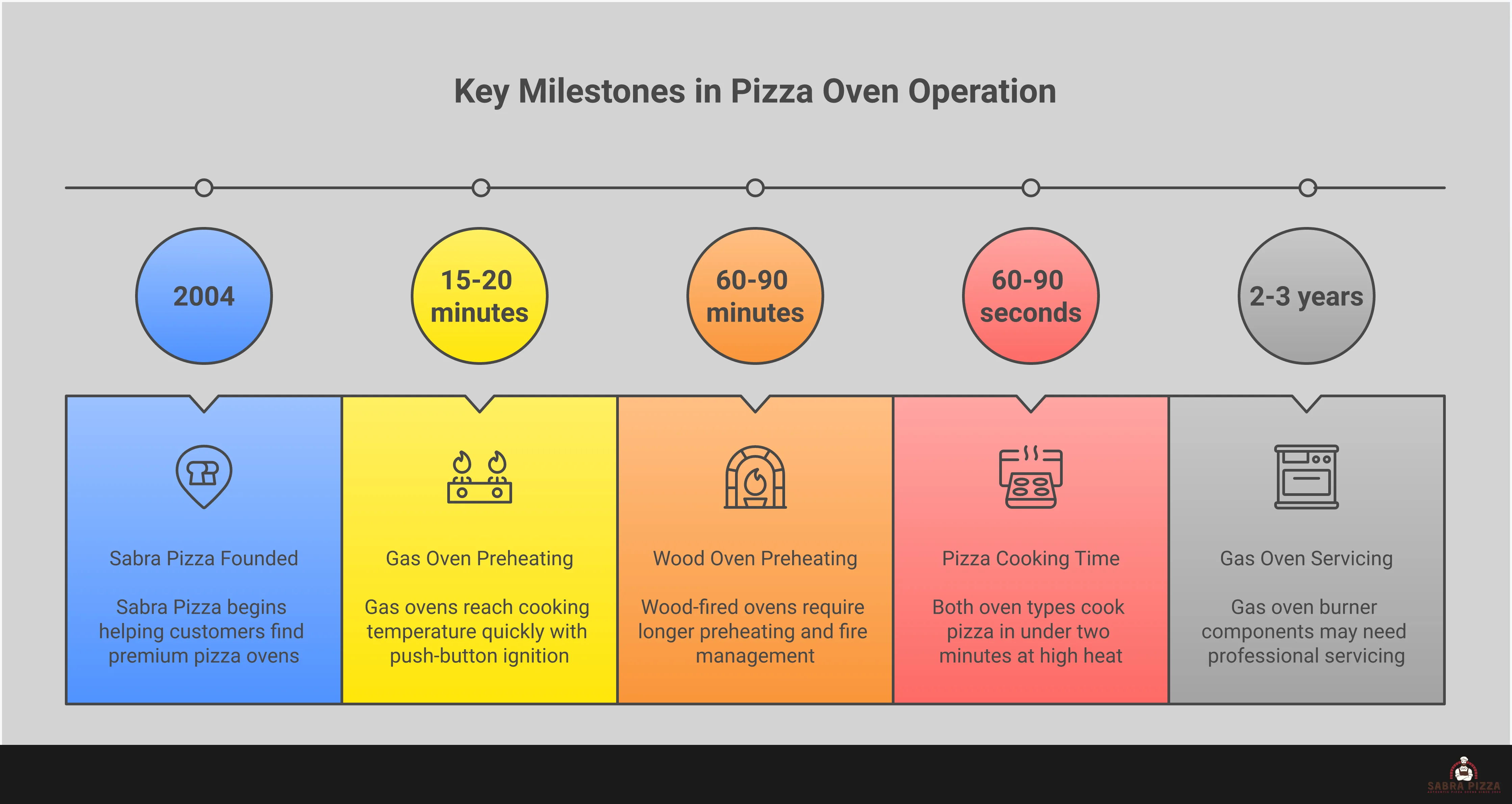
There's a reason chefs and purists swear by wood-fired ovens: the flavor is simply unmatched. The burning wood releases a subtle, smoky essence that infuses everything you cook, giving your pizza a rustic, authentic taste that you just can't replicate with gas. Beyond flavor, wood fires generate intense, radiant heat that can reach over 900°F. This extreme temperature is the secret to cooking a true Neapolitan pizza in 60 to 90 seconds, creating a perfectly crisp crust with a soft, chewy interior. The whole process feels elemental and engaging, turning pizza night into a memorable event for family and friends.
Cons: The Learning Curve and Time Commitment
The biggest trade-off for that incredible flavor is the hands-on effort required. A wood-fired oven has a definite learning curve. You'll need to learn how to build and manage a fire, which takes practice and patience. Unlike a gas oven, you can't just turn a dial to set the temperature. It takes time to get the oven up to heat—often an hour or more—and you'll need to continually tend the fire to maintain a consistent temperature. You also have to source and store the right kind of hardwood, which adds another layer of planning. It's a labor of love, so be prepared to invest the time to master the craft.
The Pros and Cons of a Gas Pizza Oven
If the ritual of building and tending a wood fire feels like more of a chore than a charming experience, a gas pizza oven might be your perfect match. These ovens are all about combining modern convenience with the high-heat performance needed for incredible pizza. They offer a different path to the same delicious destination, prioritizing ease and precision. But like any choice, it comes with its own set of trade-offs to consider. Let’s break down what you can expect when you cook with gas.
Pros: Push-Button Convenience and Perfect Heat Control
The biggest advantage of a gas pizza oven is how simple it is to use. Forget splitting logs and managing embers; most gas ovens fire up with the push of a button and a turn of a knob. They get up to cooking temperature in a fraction of the time a wood oven takes, meaning you can decide you want pizza for dinner and be ready to cook in as little as 15-20 minutes. This makes weeknight pizza parties a reality.
Beyond the quick start, you get total control over the heat. You can set a precise temperature and trust the oven to maintain it, which gives you incredible consistency from one pizza to the next. This stable heat also makes gas ovens versatile for cooking other dishes, like roasted vegetables or bread. And when you’re done, cleanup is a breeze—no ash or soot to scoop out.
Cons: The Flavor Question and Gas Line Logistics
Let’s address the elephant in the room: flavor. A gas oven won’t impart that distinct, smoky flavor that is the signature of a wood-fired pizza. While premium models like Alfa Forni™ gas ovens are engineered to create an amazing crust and perfectly cooked toppings, they achieve it with clean-burning heat, not smoke. For many, the trade-off is well worth the convenience, but if that specific smoky taste is non-negotiable for you, it’s a major point to consider.
You also have to think about your fuel source. Most gas ovens run on a standard propane tank, which is straightforward and portable. However, if you want the convenience of hooking up to your home’s natural gas line, you’ll likely need to hire a professional to run the line to your patio or outdoor kitchen, which adds to the initial setup cost.
Breaking Down the Cost: Wood vs. Gas
Let’s talk money. A pizza oven is an investment in your home and your lifestyle, so it’s smart to understand the full financial picture before you buy. The cost isn’t just about the initial price tag; it also includes the ongoing expenses for fuel and maintenance, as well as the oven's long-term value.
Both wood and gas ovens come in a wide range of price points, from portable models perfect for casual get-togethers to large, built-in units that become the centerpiece of a full outdoor kitchen. Thinking through your budget involves looking at the upfront cost, what you’ll spend over the years to use and maintain your oven, and how it might add value to your home. We’ll walk through each of these factors to help you get a clear idea of what to expect and find an oven that fits your financial comfort zone.
What to Expect for Upfront Costs
When you start shopping, you’ll notice that the initial price for a pizza oven can vary dramatically. Generally, portable wood-fired ovens have a lower entry price point than their gas counterparts. However, a custom-built masonry wood oven is a significant project that can easily become the most expensive option. For high-end brands like Alfa Forni, the price often has more to do with size, materials, and features than the fuel type. You can find premium gas and wood models at similar price points. The key is to compare ovens with similar capabilities. Don’t just look at the fuel source; consider the construction quality, insulation, and cooking surface area to make a true apples-to-apples comparison for your budget.
Factoring in Fuel and Upkeep
The initial purchase is just the beginning. For a wood-fired oven, your main ongoing expense is wood. You’ll want to use quality, kiln-dried hardwood for the best results, and the cost can add up depending on where you live and how often you cook. On the other hand, gas ovens run on propane tanks or a natural gas line. While a propane tank is easy to swap out, the cost can be higher over time than sourcing firewood. Maintenance costs are also a factor. Wood ovens are mechanically simple but require regular cleaning to remove ash and soot. Gas ovens have more components, like burners and igniters, that may need occasional servicing. If you opt for a built-in gas model, you may also have the one-time cost of hiring a professional to run a gas line to your patio.
Which Oven Holds Its Value?
If you view your pizza oven as a long-term addition to your home, resale value might be on your mind. Traditionally, well-made wood-fired ovens tend to hold their value exceptionally well. Their timeless appeal, classic cooking method, and durable construction make them an attractive feature for future homebuyers who appreciate authentic outdoor cooking. That said, any high-quality oven from a respected brand will be a better investment than a lower-quality alternative. The convenience and precision of a premium gas oven are highly sought-after features in modern outdoor kitchens. Ultimately, choosing a durable, well-crafted oven—whether wood or gas—is the best way to ensure it remains a valuable asset for years to come.
Setting Up Your Oven: Space and Installation
You’ve picked your perfect oven—now for the fun part: finding its home in your backyard. Proper setup isn't just about aesthetics; it's crucial for safety, performance, and making sure your pizza nights are as effortless as they are delicious. Whether you chose the rustic charm of a wood-fired oven or the modern convenience of gas, here’s what you need to know to get your installation right from the start. Thinking through these details now will save you headaches later and set you up for countless successful pizza parties.
Placing a Wood-Fired Oven
A wood-fired oven is a significant, and often heavy, addition to your outdoor space, so its placement needs careful thought. The first rule is to choose a completely flat, stable, and non-combustible surface that can handle the weight without shifting. A reinforced concrete patio is ideal. You also need to consider ventilation. Make sure there’s plenty of open space for smoke to escape without blowing back into your home or seating area. Finally, think about ergonomics. The ideal stand height for comfortable cooking is typically around 900mm (about 35 inches) from the ground to the oven floor, which makes launching and turning pizzas much easier on your back.
Installing a Gas Oven
Setting up a gas oven is typically more straightforward, but it comes with its own set of rules, primarily centered around clearance and fuel lines. For safety, it's essential to give your oven some breathing room. Most manufacturers recommend at least one meter of clearance on all sides and above the oven to prevent heat damage to nearby surfaces and reduce fire risk. You’ll also need to decide between a portable propane tank or a permanent natural gas line installed by a professional. Always follow the manufacturer’s specific guidelines for gas connections and setup to ensure everything operates safely and efficiently.
Safety and Storage Tips for Any Oven
Regardless of your fuel source, a few universal rules will keep your oven area safe and your investment protected. First, always maintain a clear zone around your oven, free from flammable materials like overhanging branches, patio umbrellas, or furniture cushions. It’s also wise to keep a fire extinguisher rated for grease fires nearby. When you’re not using your oven, protecting it from the elements is key to its longevity. A high-quality, weatherproof cover will shield it from rain, sun, and snow, preventing rust and damage. This simple step keeps your oven in top condition and ready for your next pizza night.
How to Choose the Right Pizza Oven for You
This is where all the research comes together. The perfect pizza oven isn’t about which one is objectively “better”—it’s about which one is better for you. Your cooking style, your backyard setup, and even your schedule play a huge role in this decision. Think of it less like buying an appliance and more like choosing a new hobby. Are you looking for a low-maintenance way to make incredible pizza on a weeknight, or do you crave the hands-on, rustic experience of managing a live fire? Answering a few key questions about your life will point you directly to the oven that will bring you the most joy (and the best pizza).
Match an Oven to Your Lifestyle
Let’s be honest about how you plan to use your oven. If your goal is maximum convenience for spontaneous pizza nights, a gas oven is your best friend. You get fast preheating, simple temperature control, and minimal monitoring. It’s perfect for busy families or anyone who wants delicious pizza without the fuss. On the other hand, if you love the ritual of cooking and want that authentic, smoky flavor, a wood-fired oven offers a truly unique experience. It requires more effort in tending the fire and cleaning up, but for many, that hands-on process is a rewarding part of the fun.
Consider Your Space, Budget, and Family
Practical matters are just as important as flavor. First, look at your outdoor space. Do you have a large patio with plenty of clearance, or a more compact area? Next, think about ongoing costs. While the initial investment is one thing, fuel is another. Natural gas or propane is readily available, while quality cooking wood can be harder to find and more expensive depending on your location. Finally, consider cleanup. Gas ovens are simple to wipe down since there’s no ash. A wood oven requires you to sweep out ash and soot, which is a factor to consider if you have a busy schedule.
Check Your Climate and Local Rules
This is a step many people forget. Before you fall in love with a wood-fired oven, check your local regulations. Some communities have restrictions or "no-burn days" that could limit when you can fire it up. A gas pizza oven lets you cook anytime, regardless of air quality alerts. Your climate also matters. A gas oven provides a steady, easily controlled temperature, which is a huge advantage on windy or cold days when maintaining a consistent wood fire can be tricky. This reliability is why many commercial kitchens rely on gas to keep up with orders, and it’s just as helpful for a busy backyard party.
Common Myths About Wood and Gas Ovens
When you start shopping for a pizza oven, you’ll run into a lot of strong opinions. The wood-versus-gas debate is full of long-held beliefs that can make it tough to figure out what’s actually true. It’s easy to get caught up in the romance of a crackling wood fire, but modern oven technology has changed the game quite a bit. Let's clear the air and bust a few of the most common myths so you can choose your oven based on facts, not fiction. Understanding the reality of temperature, maintenance, and flavor will help you find the perfect fit for your backyard and your cooking style.
The Myth About Temperature
Many people believe that a wood-fired oven is the only way to reach the scorching-hot temperatures needed for a true Neapolitan-style pizza. While wood ovens are famous for their intense heat, it’s no longer an exclusive feature. Thanks to major advancements in oven technology, premium gas ovens can now reach temperatures of 900°F and beyond, putting them on equal footing with their wood-burning counterparts. This means you can achieve that perfect, puffy, leopard-spotted crust in 90 seconds, whether you’re using wood or gas. The key is a quality oven designed for high performance, not just the fuel source.
The Myth About Maintenance
Another common misconception is that gas ovens are more complicated and require more upkeep. In reality, the opposite is usually true. A wood fire demands constant attention—you have to build it, feed it logs to maintain the temperature, and manage the embers. After cooking, you’re left with a pile of ash to clean out. Gas ovens offer a much more low-maintenance cooking experience. You simply turn a dial to ignite the flame and set your temperature. When you’re done, you just turn it off. The cleanup is minimal, making it a far more convenient option for weeknight pizza parties.
The Myth About Flavor
This is the biggest myth of all: that you can only get that authentic, smoky pizza flavor from a wood-fired oven. While burning wood certainly adds a wonderful aroma to your backyard, the distinctive taste of a great pizza comes more from the charring and blistering of the crust at extreme heat—a process called the Maillard reaction. A powerful gas oven that gets hot enough can create that same delicious, slightly charred flavor profile. The smoke itself has very little time to penetrate the dough in a pizza that cooks in under two minutes, so the fuel source has less impact on the final taste than you might think.
How to Master Your New Pizza Oven
Your beautiful new pizza oven is here, and you're probably dreaming of that first perfect pizza. The journey from novice to pizza pro is a delicious one, and it all starts with getting to know your equipment. Whether you chose the rustic allure of a wood-fired oven or the modern convenience of a gas model, understanding its unique personality is the key to incredible results. It’s less about a steep learning curve and more about a fun process of discovery.
Think of it like learning a new dance. At first, you might feel a little clumsy, but soon you’ll find the rhythm. You’ll learn how the heat moves, how long it takes to get the perfect char on your crust, and how to time everything just right. The tips below are your first steps. We’ll walk through the specifics of cooking with both wood and gas, and then cover the simple maintenance that will keep your oven in prime condition for years of amazing meals and memories.
Tips for Perfecting Wood-Fired Pizza
There’s something truly special about cooking with a live fire. The biggest reward of a wood-fired oven is that incredible, smoky flavor that infuses everything you cook. This authentic taste comes directly from the burning wood. These ovens also get incredibly hot, cooking pizzas in just a couple of minutes. This intense, quick heat is what creates that sought-after crispy-chewy crust with beautiful leopard spotting. The key is to manage your fire properly. You want a bed of hot coals on the oven floor to heat the stone directly, while the flames roll up and over the dome to cook the toppings from above.
Getting the Best Results from Your Gas Oven
If you love consistency and control, your gas oven is about to become your best friend. The beauty of gas is its simplicity and precision. With the push of a button and the turn of a dial, you can preheat your oven quickly and set it to a specific temperature. This reliable, steady heat means you can count on the same results every time you cook. This control also makes gas ovens incredibly versatile. Once you’ve perfected your pizza, you can try your hand at baking bread, roasting vegetables, or even cooking a steak. The consistent temperature is ideal for dishes that require more precise baking environments.
Keeping Your Oven in Top Shape
A little care goes a long way in making sure your pizza oven performs beautifully for every gathering. The cleaning process differs slightly depending on your fuel source. For wood-fired ovens, you’ll need to clear out the ash from the cooking chamber after it has completely cooled. A quick sweep with a brush and wiping the floor with a damp cloth is usually all it takes. Gas ovens are even simpler to clean since there’s no ash or soot to deal with. A quick wipe-down is typically sufficient. Regular maintenance with the right pizza oven accessories not only keeps your oven looking great but also ensures it’s always ready for your next pizza night.
Related Articles
- 5 Best Outdoor Natural Gas Pizza Ovens of 2025
- The Ultimate Backyard Pizza Oven Buyer's Guide
- The 5 Best Multi-Fuel Pizza Ovens We Tested
- The Best Patio Pizza Oven: A Buyer's Guide
- 8 Best Dual Fuel Outdoor Pizza Ovens for 2025
Frequently Asked Questions
Can I cook more than just pizza in these ovens? Absolutely! While they are designed to make perfect pizza, their high-heat capabilities make them incredibly versatile. You can use a gas oven's consistent temperature to sear steaks, roast vegetables, or bake fish. With a wood-fired oven, you can use the retained heat after your pizza session to bake crusty loaves of bread or slow-roast a cut of meat. Think of it as the most powerful and dynamic appliance in your outdoor kitchen.
Is there a big learning curve for a wood-fired oven compared to a gas one? There is a difference in the initial learning process. A gas oven is very intuitive; you turn a knob to your desired temperature, and it stays there, giving you consistent results from your very first pizza. A wood-fired oven is more of a craft. You'll need to practice building and managing a fire to control the heat. It's a hands-on skill that many people find incredibly rewarding to master, but it does take more time and patience to perfect.
What kind of wood should I use in a wood-fired oven? For the best results, you'll want to use a dense, kiln-dried hardwood. Woods like oak, hickory, or maple are excellent choices because they burn hot and clean with minimal smoke, which is exactly what you want for cooking. You should avoid softwoods like pine or fir, as they contain resins that can create a sooty flavor and coat the inside of your oven. The key is to always use dry, seasoned wood to get that intense, rolling flame.
If I choose a gas oven, should I use a propane tank or a natural gas line? This decision comes down to convenience versus portability. Using a standard propane tank is the simplest and most common setup, giving you the flexibility to place your oven almost anywhere in your backyard. If you plan to build the oven into a permanent outdoor kitchen, connecting to your home's natural gas line is a fantastic option. You'll never have to worry about running out of fuel mid-party, but it does require a professional to install the line.
I've heard about hybrid ovens. What are those? Hybrid ovens are designed to give you the best of both worlds. They primarily run on gas for quick, convenient, and controllable heat, but they also include a special tray or burner for wood. This allows you to get the oven up to temperature easily with gas and then add some wood chunks to get that distinct, smoky aroma and flavor. It's a great choice if you love the convenience of gas but don't want to completely give up the authentic taste of a wood fire.