

Let’s clear up a few things about wood-fired ovens. Many people think they’re complicated to use, only good for making pizza, or too difficult to maintain. The truth is, modern ovens are incredibly versatile and user-friendly. They are culinary powerhouses perfect for roasting meats, baking bread, and searing vegetables, all while being surprisingly simple to operate. Don't let these common myths hold you back from experiencing the amazing flavor and fun of wood-fired cooking. This guide will debunk the misconceptions and show you what to really look for when you’re searching for an outdoor wood fired pizza oven for sale, so you can choose a model that fits your life perfectly.
Key Takeaways
- Prioritize build quality over everything else: The best oven is defined by its construction, not just its brand. Look for superior insulation, high-grade materials, and excellent craftsmanship, as these are the elements that guarantee consistent heat and long-term durability.
- Choose an oven that fits your cooking style: Before you shop, decide if you value the authentic flavor of wood or the simple convenience of gas. This choice, along with whether you need a large stationary unit or a flexible portable one, will quickly narrow down your options to the perfect fit.
- Your success begins before the first fire: The most common mistakes happen right at the start. Always follow the manufacturer's instructions for the one-time curing process, ensure your oven has a stable and fireproof base, and have essential tools like an infrared thermometer and pizza peel ready to go.
What to Look for in a Wood-Fired Pizza Oven
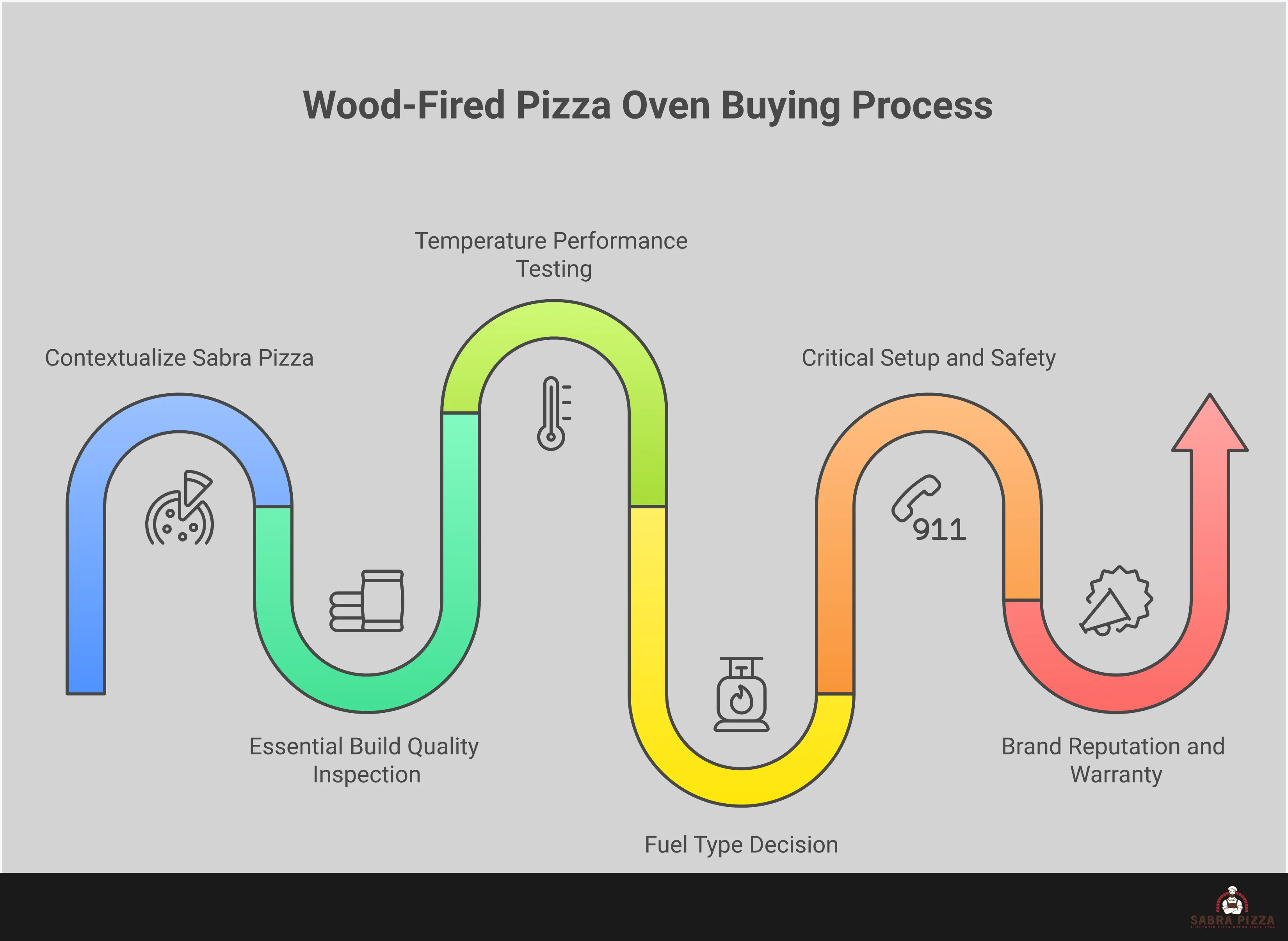
Ready to find the perfect wood-fired oven? It's an exciting purchase, but with so many options, it's easy to feel a little overwhelmed. To make sure you choose an oven you'll love for years, let's walk through the four most important things to consider: build quality, insulation, cooking capacity, and temperature performance. These elements are what separate a decent oven from a truly exceptional one that will become the centerpiece of your backyard. Think of this as your checklist for finding a reliable, high-performing oven that makes incredible pizza every single time. Getting these details right from the start ensures your investment pays off in delicious, perfectly cooked meals and unforgettable gatherings with friends and family.
Build Quality and Materials
The first thing to inspect is how an oven is made. The best ovens are built to last, using materials like high-grade stainless steel and refractory ceramic fiber. Look for ovens crafted by experienced artisans—many of the world's top brands, like Alfa Forni, are still handmade in Italy. This level of craftsmanship means tighter welds, better-fitting components, and superior durability against the elements. A well-built oven isn't just about looks; it's about investing in a piece of equipment that will perform consistently for decades, holding up to high heat and outdoor conditions without warping or degrading. Pay attention to the details, because they make all the difference.
Insulation and Heat Retention
Insulation is the unsung hero of a great pizza oven. Without it, you're just burning wood for nothing. Excellent insulation traps heat inside the cooking dome, allowing the oven to reach and maintain scorching temperatures efficiently. Top-tier ovens feature several inches of ceramic fiber insulation, which means the exterior stays relatively cool and safe to the touch while the interior is roaring hot. This incredible heat retention is why you can cook pizza after pizza without long waits in between. It also means you'll use less wood over time, making your oven more economical. Don't skim on insulation—it's the key to consistent, predictable results.
Cooking Surface and Capacity
Next, think about how you plan to use your oven. Are you hosting big pizza parties or making weeknight dinners for the family? Ovens come in a range of sizes, with cooking surfaces designed to hold anywhere from one to eight pizzas at once. The cooking floor itself is also critical. Most premium ovens use a refractory stone floor, which pulls moisture from the dough to create that signature crispy, leopard-spotted crust. When looking at different wood-fired pizza ovens, consider both the square footage of the cooking surface and the height of the dome to ensure it fits your cooking style, whether you're just making pizzas or also want to roast vegetables and bake bread.
Temperature Range and Heat-Up Time
To make authentic Neapolitan-style pizza, you need intense heat—we're talking 900°F or more. A quality wood-fired oven should be able to reach these temperatures with ease. Just as important is how quickly it gets there. No one wants to wait hours for their oven to preheat. Look for models that can get up to cooking temperature (around 750°F) in 30 minutes or less. This combination of high heat and fast preheating is what allows you to cook pizzas in as little as 90 seconds. It gives you that perfect puffy crust and beautifully melted cheese, turning your backyard into a genuine pizzeria. A powerful oven gives you control and opens up a world of culinary possibilities.
Top Wood-Fired Pizza Oven Brands to Know
When you start shopping for a wood-fired oven, you’ll quickly notice a few names that stand out. These brands have earned their reputations by consistently delivering on quality, performance, and design. While they all make fantastic ovens, each has a unique strength that might make it the perfect fit for your backyard. Getting to know the top players will help you narrow down your choices and find an oven that matches your cooking style and aesthetic. Let’s look at five of the most respected brands in the industry.
Alfa Forni: The Gold Standard in Italian Ovens
If you’re dreaming of true Italian pizza, Alfa Forni is the brand that brings that dream to life. As a premier Italian manufacturer, Alfa is known for its impeccable craftsmanship and innovative technology. Their ovens are designed for performance, combining stainless steel and refractory materials to heat up quickly and retain warmth efficiently. Alfa Forni is renowned for its ovens that can reach temperatures up to 800°F, which allows you to cook authentic Neapolitan pizza in just a couple of minutes. This is the brand for the purist who values tradition but demands modern speed and reliability.
Fontana Forni: Classic Design, Modern Performance
With a history stretching back to 1978, Fontana Forni has decades of experience perfecting the art of the pizza oven. This brand is a testament to Italian heritage, offering a range of outdoor wood-fired pizza ovens that are 100% designed and made in Italy. Fontana ovens are celebrated for their classic dome shape and exceptional build quality, crafted by skilled artisans who have been honing their skills for generations. They are masters of heat circulation, ensuring your pizzas cook evenly with that perfect, crispy crust. If you appreciate timeless design backed by proven, long-lasting performance, Fontana Forni is a brand worth your attention.
Ooni: Perfect Pizza, Anywhere
Ooni has made a huge splash in the pizza oven world by making high-heat cooking accessible and portable. While many traditional ovens are large, stationary units, Ooni has perfected the compact, powerful oven that you can set up almost anywhere. Don’t let their smaller size fool you; Ooni has made a name for itself with versatile outdoor pizza ovens that can reach blistering temperatures in as little as 15-20 minutes. This speed and convenience make it easy to achieve perfect pizza results in any outdoor setting, from your patio to a tailgate party.
Forno Bravo: Bring Commercial Power Home
For those who take their pizza-making seriously, Forno Bravo offers commercial-grade power tailored for the home chef. This brand specializes in high-performance brick ovens that are ideal for both personal use and even small commercial applications. A Forno Bravo oven is an investment in capacity and capability, allowing you to cook multiple pizzas at once or tackle other culinary projects like roasting meats and baking bread. They are built to be true workhorses, providing a significant return on investment for dedicated pizza enthusiasts and aspiring professionals who want uncompromising performance in their backyard.
Roccbox: The Best of Both Worlds (Wood & Gas)
Can’t decide between the authentic flavor of wood and the simple convenience of gas? With a Roccbox by Gozney, you don’t have to. The Gozney Roccbox is celebrated for its dual-fuel capability, giving you the freedom to switch between a traditional wood fire and a gas burner with ease. This flexibility makes it a standout choice and one of the best outdoor pizza ovens for those who want options. It’s also portable and features a safe-touch silicone jacket, making it a family-friendly choice. If you love experimenting and want an oven that can adapt to your mood, Roccbox delivers versatility without sacrificing heat or quality.
How Much Does a Wood-Fired Pizza Oven Cost?
Let's talk numbers. Investing in a wood-fired pizza oven is a big step, and the price tag can range from what you’d spend on a nice grill to what you might invest in a small kitchen remodel. The cost depends on a few key things: the materials used, the size of the cooking area, the brand's reputation, and whether it’s a portable unit or a permanent fixture in your backyard.
Generally, you can expect to find great options anywhere from around $1,000 to well over $5,000. It’s helpful to think about the cost in tiers. An entry-level oven will get you started on your pizza-making journey, while a premium model is a long-term investment for the serious culinary enthusiast. Understanding what you get at each price point will help you find the perfect oven that fits both your budget and your backyard cooking dreams. We’ll break down the typical price ranges so you know exactly what to expect.
Entry-Level Ovens ($1,000-$2,500)
If you're just starting to explore the world of wood-fired cooking, an entry-level oven is a fantastic place to begin. In the $1,000 to $2,500 range, you'll find smaller, often portable models perfect for home use. These ovens are designed to give you that authentic, smoky flavor without requiring a massive financial commitment. While they might not have the same heat retention or heavy-duty construction as their pricier counterparts, they are more than capable of turning out delicious, crispy-crusted pizzas. Some brands offer their most basic traditional ovens starting just above this range, but you can find solid performers that will get you hooked on the craft.
Mid-Range Models ($2,500-$5,000)
For the serious home chef ready to take their outdoor cooking to the next level, mid-range ovens offer a significant step up in performance and quality. Priced between $2,500 and $5,000, these models typically feature better insulation, higher-quality materials like stainless steel and refractory brick, and larger cooking surfaces. You’ll find that many of these wood-fired pizza ovens can reach scorching temperatures of 1000°F and heat up much faster—some in as little as 30 minutes. This tier is the sweet spot for many enthusiasts, offering a balance of professional-grade features and a price that’s still accessible for a dedicated home cook.
Premium Ovens ($5,000+)
When only the best will do, premium ovens deliver unparalleled performance, durability, and style. Starting at $5,000 and going up to $13,000 or more for commercial-grade units, these ovens are built for a lifetime of use. They are often crafted in Italy by legacy brands and feature superior insulation, massive cooking surfaces, and meticulous construction that ensures consistent, perfect results every time. These are the ovens you’ll find in the backyards of professional chefs and true pizza aficionados. If you entertain often or see your pizza oven as the centerpiece of your outdoor kitchen, a premium model is a worthy investment that will pay dividends in incredible food and memories.
What Drives the Price?
So, what makes one oven cost $1,500 and another $7,500? It comes down to a few key factors. The quality of materials is the biggest driver—think thick-gauge stainless steel, commercial-grade refractory domes, and dense insulation that holds heat for hours. Construction quality and brand reputation also play a huge role, as ovens from renowned manufacturers like Alfa Forni are known for their longevity and performance. Finally, size matters. A larger cooking surface that can handle multiple pizzas at once will naturally cost more. Ultimately, a quality brick oven is a long-term investment that pays off in flavor and enjoyment over many years.
Find the Right Type of Wood-Fired Oven for You
So you've decided a wood-fired oven is for you. Amazing! Now comes the fun part: picking the perfect one. It’s easy to get lost in the details, but the best choice really comes down to your space, your cooking style, and how you want to use your oven. This isn't just about buying an appliance; it's about investing in a new way to cook, entertain, and enjoy your outdoor space. Before you get into specific models, take a moment to picture your ideal pizza night. Is it a huge gathering with friends and family, with pizzas coming out one after another? Or is it a quiet, spontaneous weeknight dinner for two? The scale of your entertaining will point you toward the right size and type of oven.
Think about your property as well. A large, permanent oven can become the stunning centerpiece of a custom outdoor kitchen, a true statement piece. But if you have a smaller patio, value flexibility, or even want to take your pizza-making skills on the road, a portable model might be a better fit. We'll explore the pros and cons of stationary versus portable ovens to help you match an oven to your footprint. Beyond logistics, consider your culinary ambitions. Are you a purist who dreams of mastering the perfect Neapolitan pizza with that authentic, smoky flavor? Or are you an adventurous cook who wants to roast chickens, bake bread, and experiment with different dishes? The shape of the oven and its fuel source will play a huge role here. Let's walk through these main types to help you find your perfect match.
Portable vs. Stationary: Which Fits Your Space?
The first big decision is whether you want a permanent fixture or something you can move around. A stationary oven is a classic choice, built into your patio or outdoor kitchen as a stunning centerpiece. These ovens are typically larger, offering more cooking space and incredible heat retention thanks to their heavy-duty construction. If you envision big family pizza nights and baking loaves of bread on the weekend, a stationary model is a fantastic investment.
On the other hand, a portable outdoor pizza oven gives you flexibility. These models are lighter, easier to set up, and perfect for smaller patios, balconies, or even taking on a camping trip. While they might have a smaller capacity, they heat up quickly and make it incredibly easy to start cooking delicious pizza almost anywhere. Think about your outdoor area and how you plan to entertain to decide which style fits your life.
Dome vs. Barrel: Does Shape Matter?
You’ll notice that wood-fired ovens come in two primary shapes: dome and barrel. And yes, the shape absolutely makes a difference in how they cook. The classic dome is the design you probably picture—it’s the traditional shape for a reason. The curved ceiling circulates heat evenly, creating the perfect high-temperature environment for a crispy Neapolitan pizza crust. This design is incredibly efficient at retaining heat.
A common misconception is that these ovens are only for pizza. In reality, they are culinary powerhouses capable of roasting meats and baking bread. Barrel-vaulted ovens, with their rectangular floor and tunnel-like shape, can offer more usable surface area, making them excellent for cooking multiple dishes at once. The shape you choose depends on what you’re most excited to cook.
Multi-Fuel vs. Wood-Only: Choosing Your Fuel
Finally, let’s talk about what powers your oven. A wood-only oven offers that authentic, smoky flavor that is the hallmark of traditional pizza making. Learning to build and maintain a fire isn’t as hard as it sounds, and a well-managed fire should produce only a thin, pale smoke. For purists who crave that classic taste and experience, a wood-only oven is the ultimate choice.
If you love the idea of wood-fired flavor but also value convenience, a multi-fuel oven is the perfect compromise. These versatile models allow you to cook with wood, charcoal, or gas. You can fire it up with gas for a quick weeknight pizza or use wood on the weekend when you have more time to savor the process. This flexibility means you can choose your fuel based on your mood, your menu, and your schedule, giving you the best of both worlds.
Wood-Fired vs. Gas Ovens: A Quick Comparison
Choosing between a wood-fired and a gas pizza oven is one of the biggest decisions you’ll make. There’s no single right answer—it all comes down to what you value most in your cooking experience. Are you drawn to the romance and authentic flavor of a real wood fire, or do you prioritize speed, convenience, and pinpoint temperature control? One is a hands-on, sensory experience, while the other offers incredible results with the simple turn of a dial.
Think about how you plan to use your oven. Do you envision long, leisurely weekends spent tending the fire and mastering the craft of pizza making? Or are you looking for a way to make fantastic, restaurant-quality pizza for the family on a busy weeknight? Both paths lead to delicious pizza, but they take different routes to get there. Let’s break down the key differences in flavor, convenience, and the skills required to help you find the perfect fit for your backyard and your lifestyle.
Flavor and Performance
The main reason people fall in love with wood-fired ovens is the unparalleled flavor. The dry, intense heat and subtle smoky essence from the burning wood create a taste that’s simply impossible to replicate. These ovens are culinary powerhouses, reaching temperatures over 800°F that can cook a perfect Neapolitan pizza in under two minutes. But their talents don’t stop there; they’re fantastic for roasting meats and vegetables, baking crusty bread, and so much more.
Gas ovens, on the other hand, are champions of consistency and control. They provide a clean, even heat that you can set to a precise temperature and maintain for hours. While you won’t get that signature wood-smoke flavor, a high-quality gas oven can still achieve the searing temperatures needed for a beautifully crisp, leopard-spotted crust. They deliver predictable, repeatable results every time, making them a reliable tool for any outdoor cook.
Convenience and Cost
When it comes to convenience, gas ovens have a clear edge. Preheating is as simple as turning a knob, and there’s no ash to clean up afterward. This ease of use makes spontaneous pizza nights a breeze. Wood-fired ovens require a more hands-on approach. You’ll need to source quality hardwood, build and tend the fire, and manage the heat manually. For many, this ritual is a cherished part of the experience.
Both types of ovens are a significant investment in your home and culinary passion, with prices for quality models often starting around $2,500. While the initial cost can be similar, you’ll also want to factor in the ongoing expense and availability of fuel—kiln-dried hardwood for a wood oven or a propane tank or natural gas line for a gas model.
The Learning Curve: Mastering the Heat
Using a wood-fired oven is a skill you develop over time. It’s a rewarding experience that involves learning how to build the right kind of fire, read the heat of the dome and the floor, and rotate your pizza for an even cook. One of the most critical first steps that people often miss is properly curing their new oven to ensure its longevity. It’s a fun challenge for anyone who loves to be hands-on in their cooking.
Gas ovens are far more approachable for beginners. With a built-in thermometer and simple controls, the learning curve is practically nonexistent. You can achieve amazing results from your very first cook without worrying about fire management. This lets you focus entirely on perfecting your dough, sauce, and toppings, making it a great choice for those who want delicious pizza without the guesswork.
Debunking Common Wood-Fired Oven Myths
Wood-fired ovens have an undeniable mystique, but that can sometimes come with a bit of intimidation. If you’ve ever found yourself thinking they’re too complicated, too limited, or only for perfect summer days, you’re not alone. These are common assumptions, but they often don’t paint the full picture. The truth is, modern wood-fired ovens are more versatile and user-friendly than ever before.
Let’s clear the air and tackle some of the biggest myths head-on. Understanding what these incredible ovens can really do will help you see them not just as an appliance, but as the true heart of your outdoor kitchen.
Myth: They're Only for Pizza
This is easily the most common misconception, and it’s understandable—they’re often called pizza ovens! But thinking a wood-fired oven is only for pizza is like thinking a grill is only for burgers. The reality is that these are incredibly versatile culinary tools. The high, dry heat is perfect for achieving a beautiful char on vegetables, roasting a whole chicken in record time, or searing a steak to perfection. You can also bake rustic, crusty loaves of bread with an unbeatable texture. The possibilities are endless, from fish and casseroles to even desserts. Think of it as a high-performance outdoor oven that happens to make the best pizza of your life. You can find tons of wood-fired oven recipes that go far beyond the classic margherita.
Myth: They're Hard to Use and Maintain
While there’s a certain art to managing a live fire, it’s a skill that’s far more enjoyable to learn than it is difficult. It’s not the complicated process many imagine it to be. Building the fire and letting the oven dome get saturated with heat is the most important step, but modern ovens are designed for efficiency. High-quality models from brands like Alfa Forni heat up quickly—sometimes in as little as 15-30 minutes. Once it’s hot, maintaining the temperature is a matter of adding a log every so often. It’s a hands-on and rewarding way to cook that connects you to your food. As for maintenance, it’s surprisingly simple: just brush out the ashes once the oven has completely cooled. That’s it.
Myth: You Can Only Use Them in the Summer
Don’t let a little chill in the air stop you from firing up the oven. A well-built wood-fired oven isn’t just a summer luxury; it’s a year-round workhorse. Thanks to superior insulation, these ovens are designed to reach and hold extremely high temperatures regardless of the weather outside. Imagine pulling fresh, hot bread from the oven on a crisp autumn day or hosting a cozy winter pizza party. The radiant heat from the oven creates a warm, inviting atmosphere for any outdoor gathering. Plus, you can take advantage of the oven’s incredible heat retention. After you’re done cooking dinner, the residual heat is perfect for slow-cooking a dish for the next day or baking a batch of cookies as the fire dies down.
First-Time Buyer? Avoid These Common Mistakes
Buying a wood-fired pizza oven is an exciting investment. To make sure you get off to a great start and protect your new centerpiece, it helps to know about a few common hurdles new owners face. Getting these first steps right will set you up for years of delicious food and amazing memories. Let's walk through the three biggest mistakes to avoid.
Skipping the Curing Process
Think of curing as the final, crucial step in your oven’s creation. This one-time process uses a series of small, low-temperature fires to safely remove trapped moisture from the oven’s dome and floor. It’s tempting to rush this part, but skipping it can cause the materials to crack under the shock of high heat, permanently damaging your investment. Every oven is different, so carefully follow the specific curing instructions provided by the manufacturer. It’s a slow process, but it’s one that ensures your oven will last a lifetime.
Mismanaging Your Temperatures
Mastering a live fire is part of the fun, but it comes with a learning curve. A frequent misstep is not letting the oven's dense floor and walls fully absorb the heat—a process called "heat soaking." To avoid common pizza mistakes, it’s essential to follow the manufacturer’s instructions for your model, ensuring you preheat it to the recommended temperature for the right amount of time. A quality infrared thermometer is your best friend here; it allows you to accurately read the temperature of the cooking floor, which is the secret to a perfectly crisp, never-soggy crust.
Botching the Installation and Setup
Your oven’s performance starts with its foundation. Placing it on an unstable or unlevel surface can cause problems down the line. For those building from a kit, it's critical to apply a proper weatherproof finish to protect your oven from the elements. Another key aspect of setup is clearance. Make sure you have adequate space around the oven and that the chimney has a clear, safe path away from any overhangs or flammable structures. A proper outdoor kitchen setup not only looks great but also keeps your cooking space safe and functional for every gathering.
Set Up for Success: Must-Have Accessories
Getting a beautiful new wood-fired oven is just the beginning. To truly make the most of it, you’ll need the right gear. Having the proper tools and a well-organized space makes the entire process smoother, safer, and way more fun. From launching the perfect pizza to keeping your oven in top shape, a few key accessories are essential for getting those consistent, delicious results you're dreaming of.
The Right Tools for the Job
First, you'll need a quality pizza peel—actually, you’ll probably want two. A larger one is for launching uncooked pizza, and a smaller, round turning peel is for rotating it to get that perfect char. An infrared thermometer is another game-changer for getting an exact reading of the oven floor temperature, which is critical for a crispy crust. While many ovens have built-in dome thermometers, the floor is where the action is. You’ll also need a good wire brush to keep the cooking surface clean and an ember rake to manage your fire. Investing in high-quality pizza oven accessories makes every cooking session feel effortless.
Prepping Your Foundation and Base
Your oven needs a solid, stable, and level home. Whether you're placing it on a custom outdoor countertop or a dedicated stand, the surface must be completely fireproof—this is a critical safety measure. Before your first fire, it's essential to follow the manufacturer’s instructions for your specific model. This includes the initial curing process and learning how to preheat it to the recommended temperature. Allowing enough time for the oven's thermal mass to stabilize is the secret to consistent cooking and will protect your investment for years to come. A proper setup ensures your oven performs at its best.
Storing Your Wood and Fuel
The quality of your fire starts with the quality of your wood. Always use dry, seasoned hardwood like oak, maple, or hickory for the best results. Wet wood creates excess smoke and won't produce the high heat you need. Proper storage is key—keep your woodpile off the ground and covered to protect it from moisture. A dedicated log rack is ideal. Remember, these ovens are culinary powerhouses. You can roast meats, bake bread, and more, so consider keeping different types of wood on hand to experiment with various flavor profiles.
How to Find Reviews You Can Actually Trust
When you’re investing in a piece of equipment as significant as a wood-fired pizza oven, you want to be sure you’re making the right choice. But with so many opinions online, it can be tough to separate genuine advice from sponsored content. The key is knowing where to look and who to listen to. A little bit of smart research can help you cut through the noise and find feedback from people who have actually put these ovens to the test, ensuring you feel confident in your final decision.
Check Professional Review Sites
Start your search with professional review sites that specialize in hands-on testing. These are the places where culinary experts spend weeks, or even months, comparing different models side-by-side. They look at everything from heat-up times to cooking consistency. For example, some of the most respected food publications provide a comprehensive overview of top ovens after testing dozens of models. Video reviews are also incredibly helpful. On platforms like YouTube, you can find experts who have tested over 50 ovens, offering visual deep dives into how each one performs in a real-world setting. These professional reviews give you a solid, unbiased baseline for what to expect from different brands and models.
Listen to the Cooking Community
While professional reviews are great for specs and performance metrics, nothing beats the experience of someone who uses an oven day in and day out. Online forums and community groups are goldmines for these real-world insights. You’ll find homeowners sharing their long-term experiences, including how their ovens have held up over time and what they wish they’d known before buying. These communities are also fantastic for discovering the full potential of your oven. Many owners will tell you that these are versatile culinary tools perfect for roasting meats, baking bread, and so much more—not just making pizza. This kind of feedback gives you a much clearer picture of how an oven will fit into your life.
Don't Forget the BBB
Reviewing the oven is only half the battle; you also need to vet the company you’re buying from. A fantastic product can quickly become a headache if it’s backed by poor customer service. This is where the Better Business Bureau (BBB) comes in. Checking a retailer’s BBB profile gives you a transparent look at their reputation and how they handle customer issues. A quality oven is a long-term commitment, and you want to partner with a company that will be there to support you. Trustworthy retailers often provide helpful resources to ensure you succeed, like guides on avoiding common mistakes with your new oven. This extra step ensures you’re not just buying a great product, but also a great experience.
Are You Getting a Good Deal? Here's How to Tell
A premium pizza oven is a significant purchase, and you want to feel confident you're spending your money wisely. The sticker price is only one part of the equation. A true "good deal" means you're getting an oven that will perform beautifully, last for years, and come with the support you need. So, how can you tell if you're making a smart investment? Here are a few key things to look for before you buy.
Look into the Warranty and Customer Support
Think of a warranty as the manufacturer's promise to you. A strong warranty shows that a company stands behind its craftsmanship and materials. Before you commit, read the fine print to understand what’s covered and for how long. Just as important is the customer support you'll receive after the sale. When you have a question about curing your oven or mastering the flame, you want a helpful, knowledgeable team on your side. Companies that prioritize top-notch customer service are signaling their commitment to your long-term satisfaction, which is a huge part of the oven's overall value.
Consider Long-Term Durability
An outdoor pizza oven should be a lasting addition to your home, not something you have to replace every few years. Durability comes down to quality materials and expert craftsmanship. Look for ovens built with heavy-gauge stainless steel, refractory brick, and thick insulation. Brands with a long history, like Fontana Forni, have been perfecting their wood-fired pizza ovens in Italy for decades, and that experience shows in the final product. A well-built brick oven isn't just an appliance; it's a long-term investment in countless future meals and gatherings, so choosing one built to last is essential.
Is It a Worthwhile Investment?
Ultimately, a worthwhile investment is one that delivers consistent performance and joy for years to come. It’s about more than just the initial cost; it’s about the value you get over the oven's lifetime. To protect your investment, stick with reputable brands that have a proven track record. This helps you avoid counterfeit or poorly made products and ensures you're getting an authentic, traditional oven. When a company combines time-honored craftsmanship with modern engineering, you get an efficient, reliable oven that makes incredible pizza. That’s the kind of value that makes the investment truly pay off.
Related Articles
- Wood Burning Pizza Oven For Sale: A Buyer's Guide
- Outdoor Pizza Ovens for Sale: A Buyer's Guide
- How to Choose an Outdoor Countertop Pizza Oven
- Perfect Outdoor Wood Oven Pizza: The Complete Guide
Frequently Asked Questions
What kind of wood is best for a pizza oven? You'll want to use a dry, seasoned hardwood for the best results. Woods like oak, maple, and hickory are excellent choices because they burn hot and clean, producing the high, consistent heat you need for a perfect crust. Avoid softwoods like pine, as they can create a lot of smoke and leave a resinous residue in your oven. The key is to make sure the wood is properly dried, or "seasoned," which ensures it burns efficiently without creating excess smoke.
Besides pizza, what can I realistically cook in a wood-fired oven? Think of it as a high-performance outdoor oven that can handle almost anything. The intense, dry heat is perfect for roasting a whole chicken with incredibly crispy skin, searing steaks, or getting a beautiful char on vegetables like asparagus and bell peppers. Once the initial fire dies down, the retained heat is ideal for baking rustic loaves of bread with an amazing crust. It truly is a versatile cooking tool that opens up a whole new world of outdoor cooking.
How long does it actually take to get the oven ready for cooking? This depends on the oven, but high-quality models are designed for efficiency. After the initial, one-time curing process is complete, you can expect most premium ovens to heat up to pizza-making temperatures of 750°F or more in about 30 minutes. The goal is to let the dome and floor get fully saturated with heat, which ensures your pizza cooks quickly and evenly from both the top and bottom.
Is a wood-fired oven safe to have with kids and pets around? Absolutely, as long as you follow standard safety practices. The most important step is ensuring a proper installation on a stable, level surface with plenty of clearance from any flammable structures. Premium ovens are built with excellent insulation, which means the exterior surfaces don't get dangerously hot to the touch. Of course, the opening will be extremely hot, so it's always wise to supervise children and pets just as you would around a grill.
Do I really need to spend thousands for a good oven? While there are entry-level options, investing in a mid-range or premium oven pays off in performance and longevity. The price difference typically comes down to superior materials, thicker insulation, and expert craftsmanship. Better insulation means the oven heats up faster, stays hot longer, and uses less wood, giving you more consistent cooking results. You're not just buying an appliance; you're investing in a durable, reliable centerpiece for your backyard that will perform beautifully for decades.