

While its name suggests a single purpose, a high-performance outdoor countertop pizza oven is one of the most versatile tools you can add to your backyard kitchen. It’s capable of so much more than just making perfect Neapolitan-style pies. Think of it as a powerful, high-heat roasting machine that can produce perfectly seared steaks, bake artisanal bread with an incredible crust, and roast vegetables to tender, charred perfection. This guide will not only help you choose the right model but also show you how to unlock its full potential, turning your new oven into the true centerpiece of your outdoor cooking and entertaining. Countertop ovens have changed the game for backyard chefs. This guide highlights how you can achieve professional results without a permanent construction project, making high-heat baking accessible to any outdoor space.
Key Takeaways
- Performance comes from smart design: A great oven’s ability to hit and hold high temperatures depends on quality materials like stainless steel, a heat-retaining stone floor, and excellent insulation. These features are non-negotiable for achieving a perfectly cooked crust.
- Match the fuel type to your lifestyle: Decide if you prefer the authentic ritual of a wood fire or the simple convenience of gas. Whichever you choose, be ready for a fun learning curve as you master temperature control and the art of launching your pizza.
- Think beyond pizza to maximize your investment: Your oven is a versatile outdoor cooking station capable of searing steaks, roasting vegetables, and baking bread. The right accessories and a little practice will turn it into the centerpiece of your backyard kitchen.
How to Spot a Great Outdoor Countertop Pizza Oven
Finding the right countertop pizza oven can feel like a big decision, but it really comes down to a few key elements. When you know what to look for, you can easily sort through the options and find the perfect fit for your backyard setup. Think of it less as a test and more as a matching game—you’re just looking for the oven that checks all your boxes for performance, size, and durability. We’ll walk through the most important features, from the heat it can generate to the materials it’s made from, so you can feel confident in your choice. Let’s get you ready to fire up some incredible pizzas.
Key Features to Consider
First, let's talk about fuel. The best outdoor pizza ovens come in a few main varieties: classic wood-fired, convenient gas-powered, and versatile hybrid models that use both. Each has its own charm and cooking style, which we’ll cover more later. You’ll also want to think about installation. While we’re focusing on countertop models that offer great flexibility, you can also find freestanding units or even built-in kits designed for custom outdoor kitchens. A countertop oven is a fantastic starting point because it gives you a powerful cooking tool without requiring a massive construction project. It’s all about finding the right balance of features for how you plan to cook.
Finding the Right Temperature Range
The secret to that perfect, crispy-chewy Neapolitan crust is intense heat. A great outdoor pizza oven needs to get seriously hot—we’re talking temperatures soaring up to 900°F. This high heat cooks the pizza in just a couple of minutes, creating that signature leopard-spotted char on the crust without overcooking the toppings. When you're looking at different models, check their maximum temperature. You'll often see two numbers: the temperature of the oven floor (or deck), which should hit around 600-750°F, and the temperature of the dome, which can reach that 900°F mark. This combination ensures your pizza cooks evenly from both the top and bottom.
Choosing the Perfect Size
Before you fall in love with an oven, think about how you’ll use it. Are you planning intimate pizza nights for two or hosting big backyard parties for the whole neighborhood? Ovens come in various sizes, typically described by how many pizzas they can cook at once—from a single pie to five or more. Also, measure your counter space. A compact, portable oven is a brilliant choice for smaller patios or if you want the flexibility to move it around. If you have a more expansive outdoor kitchen, you can go for a larger model that becomes a permanent, show-stopping centerpiece for your entertaining space.
What Should It Be Made Of?
A pizza oven is an investment, so you want one that’s built to last. The materials make all the difference. Look for ovens constructed from high-quality, durable materials like 304 stainless steel, which is excellent at resisting rust and corrosion from the elements. The inside is just as important as the outside. Top-tier ovens use special heat-holding materials and have insulated walls to maintain those scorching-hot cooking temperatures efficiently. This not only helps you cook better pizza but also ensures your oven will stand up to years of use and continue to perform beautifully.
Must-Have Safety Features
High heat requires smart safety design. Reputable pizza oven brands build their ovens to be incredibly safe, often with exteriors that stay relatively cool to the touch even when the interior is blazing hot. This is a huge plus, especially if you have kids or pets around. One crucial rule to always follow: never use a wood, charcoal, or pellet-fired oven in an enclosed area like a garage or covered porch. These fuels produce carbon monoxide, which is dangerous without proper ventilation. Always set up your oven in an open, outdoor space where there’s plenty of fresh air.
Choosing Your Fuel: Wood, Gas, or Hybrid?
One of the biggest decisions you'll make when choosing a pizza oven is the fuel type. This choice shapes your entire cooking experience, from the time it takes to heat the oven to the flavor of your finished pizza. The three main options are wood, gas, and hybrid, and each comes with its own set of benefits. There’s no single "best" choice—it all comes down to what you value most in your outdoor cooking.
Are you a traditionalist who loves the ritual of building a fire and the authentic, smoky flavor it creates? A wood-fired oven might be your perfect match. Or do you prioritize convenience and want to be able to fire up your oven and cook a delicious pizza on a busy weeknight? In that case, a gas-powered model is likely the way to go. And for those who want it all, hybrid ovens offer the ultimate flexibility, combining the ease of gas with the classic taste of wood. Thinking about how you plan to use your oven will help you land on the right fuel source for your backyard setup.
The Classic: Wood-Fired Ovens
There’s something undeniably romantic about cooking with a real wood fire. Wood-fired pizza ovens are for the purists—the home chefs who enjoy the process as much as the result. This method imparts a subtle, smoky flavor that you simply can’t replicate with other fuel types. Wood ovens are also famous for their ability to reach incredibly high temperatures, which is the secret to achieving that perfect, leopard-spotted crust in 90 seconds or less. Managing the fire takes a bit of practice, but for many, tending the flames is a rewarding part of the experience. It’s a labor of love that pays off in truly authentic, delicious pizza.
The Convenient: Gas-Powered Ovens
If you’re looking for speed and simplicity, a gas-powered oven is an excellent choice. With the turn of a knob, you can have your oven preheating in minutes, making it perfect for spontaneous pizza nights. Temperature control is incredibly straightforward, allowing you to set and maintain a precise heat level with minimal effort. This consistency is not only great for beginners but also ideal for cooking other dishes like roasted vegetables or fish. While you won't get that classic wood-smoke flavor, modern gas pizza ovens are engineered to produce fantastic results, delivering a crispy, delicious pizza with significantly less fuss.
The Versatile: Hybrid Ovens
Can’t decide between the authentic flavor of wood and the convenience of gas? You don’t have to. Hybrid pizza ovens offer the best of both worlds, giving you the flexibility to choose your fuel based on your mood and schedule. You can use the gas burner for a quick and easy start, getting the oven up to temperature without any hassle. Then, just before you launch your pizza, you can add some wood to infuse it with that unmistakable smoky aroma. This versatility makes hybrid ovens a popular choice for those who want the option for a traditional cooking experience on the weekend and a fast, simple one on weeknights.
How Fuel Affects Heat and Performance
The type of fuel you use has a direct impact on your oven’s performance. Wood-fired ovens are known for their ability to generate intense heat, with floor temperatures reaching 600–750°F and dome temperatures soaring to 900°F or more. This searing heat is what cooks a Neapolitan-style pizza in under two minutes, creating a perfectly crisp crust while keeping the toppings fresh. Gas ovens can also achieve these high temperatures, but they deliver heat in a more controlled, consistent manner. This makes it easier to maintain your target temperature throughout the cook, which is a huge advantage when you’re making multiple pizzas for a crowd.
A Look at Temperature Control
Mastering temperature is the key to great pizza, and your fuel source plays a big role in how you manage it. With a wood fire, temperature control is a hands-on skill you develop over time by learning how to position logs and adjust airflow. For gas ovens, it’s as simple as turning a dial. Regardless of the fuel, the oven’s construction is what truly enables effective heat management. Premium ovens from brands like Alfa Forni use high-quality materials like 304 stainless steel and feature thick, insulated walls. This superior insulation is crucial for retaining heat, ensuring your oven stays hot and cooks evenly from the first pizza to the last.
How Top Pizza Oven Brands Stack Up
When you start looking for a pizza oven, the number of brands can feel a little overwhelming. But the truth is, each one has a distinct personality and excels in different areas. Think of it like choosing a car—are you looking for a rugged off-roader, a sleek sports car, or a reliable family vehicle? Understanding what makes each brand tick is the key to finding the one that fits your backyard, your cooking style, and your vision for the perfect pizza night.
We’ll walk through some of the biggest names in the game, from the gold standard of Italian craftsmanship to the portable powerhouses that have become so popular. This will help you see beyond the marketing and focus on what really matters: quality, performance, and finding an oven you’ll love using for years to come.
Alfa Forni: The Italian Standard
If you’re looking for true Italian authenticity and an oven built to be a permanent fixture in your outdoor kitchen, Alfa Forni is the benchmark. Every Alfa Forni oven is 100% handmade in Italy, using traditional methods and high-quality materials that have been perfected over generations. This isn’t just an appliance; it’s a piece of culinary heritage designed to last for decades. The commitment to craftsmanship means you get incredible heat retention and efficiency, resulting in perfectly cooked pizzas with that classic wood-fired flavor. For those who see pizza making as an art form and want an oven that honors that tradition, Alfa Forni is the undisputed leader.
Ooni: Portable and Powerful
Ooni has made a name for itself by creating compact, powerful, and often portable pizza ovens. These models are fantastic if you have limited space, want to take your pizza party on the road, or just love the idea of firing up an oven that can reach scorching temperatures in minutes. Ooni offers a range of fuel types, including wood, gas, and multi-fuel options, giving you plenty of flexibility. While they may not have the same heirloom quality as a traditional Italian oven, their performance is impressive for their size. They are a great entry point for many aspiring pizzaiolos and are praised in many pizza oven reviews for their convenience and speed.
Gozney: Sleek and Professional
Gozney ovens are immediately recognizable for their sleek, modern design and professional-grade construction. With a background in commercial ovens, Gozney brings that same level of performance to the home market. Models like the Roccbox and the Dome are not only beautiful to look at but are also incredibly versatile, capable of roasting, baking, and searing a wide variety of foods beyond pizza. Their thoughtful engineering and high-quality materials ensure excellent heat control and durability. Gozney is a top choice for the home chef who values aesthetics just as much as performance and wants a centerpiece for their outdoor cooking space that can truly do it all.
Other Brands to Know
While Alfa Forni, Ooni, and Gozney get a lot of attention, the market is full of other excellent manufacturers worth considering. Brands like Authentic Pizza Ovens, Pinnacolo, and Earthstone all offer unique designs and features that might be the perfect fit for your needs. Some specialize in traditional brick and clay ovens, while others focus on specific fuel types or sizes. Exploring these other outdoor pizza ovens can give you a broader sense of what’s available, from rustic, old-world styles to modern, stainless steel units. Don’t be afraid to look beyond the big three to find a hidden gem that matches your specific culinary goals.
Comparing Price Points
Outdoor pizza ovens are an investment, and prices can vary significantly. Generally, you can expect a good quality oven to start around $1,200, with high-end, larger models reaching up to $6,500 or more. What’s the difference? As the price increases, you’re typically paying for superior materials, better insulation (which means more consistent heat and less fuel usage), a larger cooking surface, and more robust construction. While a lower-priced oven can certainly make great pizza, investing in a premium model often translates to greater durability, better performance, and more versatility for years of reliable cooking.
How Design Affects Your Pizza
When you’re looking at a lineup of gorgeous outdoor pizza ovens, it’s easy to get caught up in the aesthetics. But the real magic of a great pizza oven lies in its design. Every curve, material, and feature is engineered to work together to create the perfect cooking environment. Think of it as a high-performance engine for your pizza. The shape of the dome, the material of the cooking floor, and the quality of the insulation are what allow an oven to reach scorching temperatures of over 700°F and cook a Neapolitan-style pizza in just a couple of minutes.
A well-designed oven manages heat in three ways: convection (hot air circulating), conduction (heat transferring from the hot floor to the dough), and radiation (heat bouncing off the dome onto your toppings). When all three are in harmony, you get a crispy, leopard-spotted crust, perfectly melted cheese, and toppings that are cooked through without being burnt. Understanding these design elements will help you see past the shiny exterior and choose an oven that will consistently deliver incredible results. It’s the difference between a good pizza and an unforgettable one.
Why the Cooking Surface Matters
The floor of your pizza oven, often called the deck, is where the crust gets its signature crispiness. This isn't the place for a simple metal grate. Premium ovens use a cooking surface made from heat-retaining materials like refractory brick or cordierite stone. These materials are brilliant at absorbing massive amounts of heat and then radiating it directly into your pizza dough, cooking it quickly and evenly from the bottom up. This intense conduction is what creates that sought-after crispy, airy base. When shopping, you’ll also notice that the best ovens use strong materials like 304 stainless steel for the body, which keeps the heat in, prevents rust, and ensures your oven will last for years of pizza parties.
The Importance of Door Design and Airflow
The classic dome shape of a pizza oven isn't just for looks; it’s a masterclass in thermodynamics. The low, curved ceiling is designed to roll the heat from the fire over the top of the pizza, cooking the toppings and melting the cheese at the same time the floor is crisping the crust. This creates a natural convection current that ensures everything cooks evenly. The oven’s opening and door are also critical. A well-designed opening is large enough to easily launch and turn your pizza but small enough to prevent precious heat from escaping. Proper airflow is especially vital in wood-fired ovens, as it feeds the flame with oxygen for a clean, efficient burn.
Good Insulation is Non-Negotiable
Insulation is the unsung hero of a high-performance pizza oven. Without it, an oven could never reach or maintain the extreme temperatures needed for a perfect pizza. Top-tier ovens, like those from Alfa Forni, are packed with multiple layers of ceramic fiber insulation, sometimes several inches thick. This powerful insulation traps the heat inside the cooking chamber, which means the oven heats up faster, uses less fuel, and maintains a stable temperature. It also provides a crucial safety feature by keeping the exterior of the oven cool enough to touch, protecting you, your family, and your outdoor surfaces from dangerous heat. This is a feature you absolutely shouldn't compromise on.
Built to Withstand the Elements
An outdoor pizza oven needs to be tough enough to handle whatever Mother Nature throws at it. Rain, sun, humidity, and fluctuating temperatures can take a toll on poorly made equipment. That’s why quality construction is so important. Look for ovens built with weather-resistant materials like powder-coated or stainless steel, which resist rust and corrosion. A well-built oven is a long-term investment that will become the centerpiece of your backyard for years to come. When you choose a durable, high-quality model, you’re not just buying an appliance; you’re investing in countless future gatherings and delicious meals with friends and family.
Keeping an Eye on the Heat
Consistently great pizza requires precise temperature control. Wood-fired ovens can cook a pizza in as little as 90 seconds because they can reach temperatures well over 700°F. To manage this intense heat, many premium ovens come with a built-in thermometer. This is an essential tool that lets you know exactly when the oven is perfectly preheated. Some models even measure both the ambient air temperature in the dome and the surface temperature of the cooking floor. Knowing both helps you dial in your technique and ensure the oven is ready, so you can launch your pizza with confidence every single time.
How to Master Your New Pizza Oven
Getting a new pizza oven is incredibly exciting. You’re probably already dreaming of perfectly crisp, leopard-spotted crusts and bubbling, melted cheese. While these ovens are designed to make amazing pizza, it’s helpful to know that there’s a bit of a learning curve. Your first few attempts might be a little… rustic. And that’s completely okay! Think of it like learning any new skill; practice is what turns a beginner into a pro.
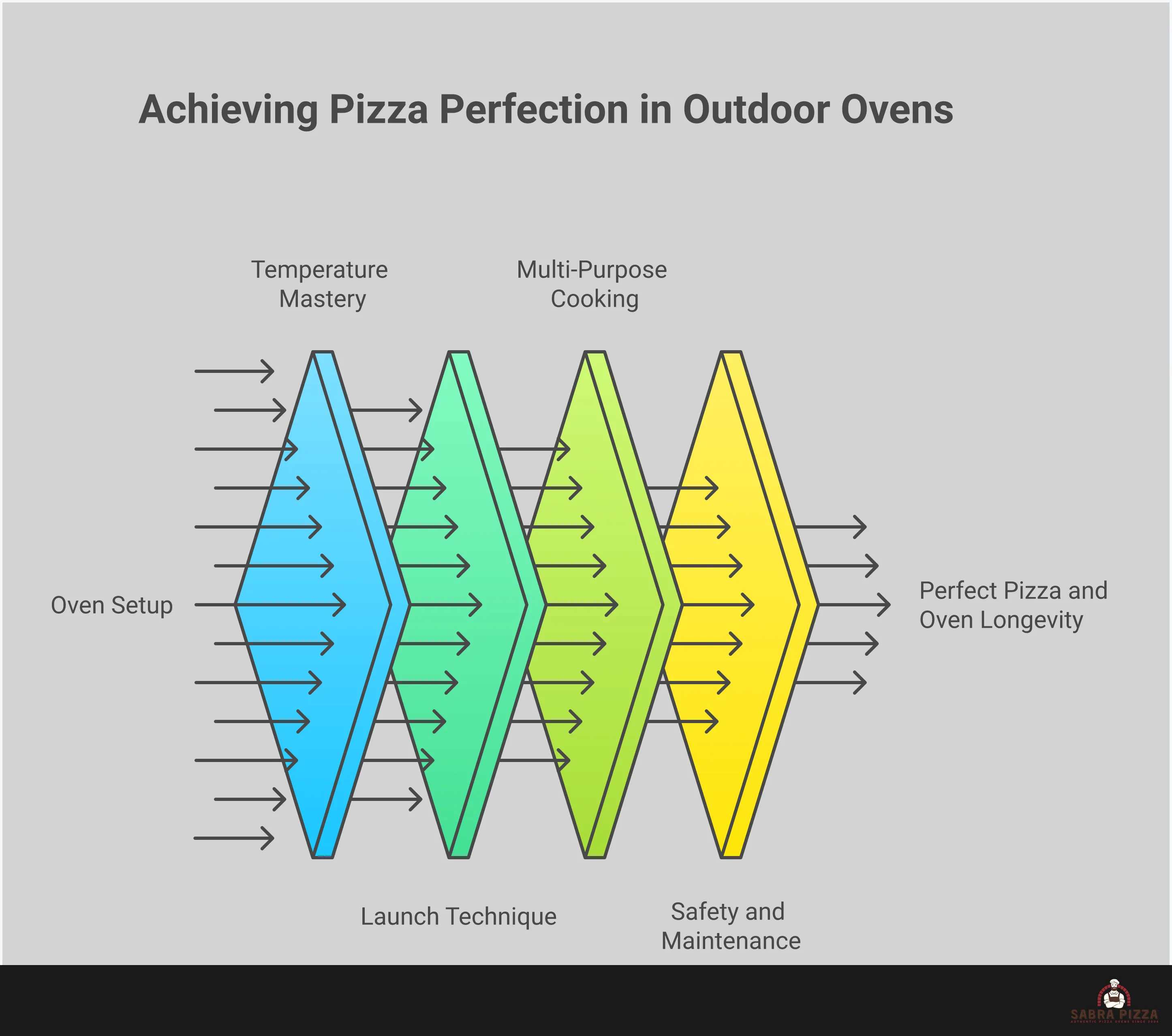
The key is to understand how your specific oven works with heat, how to handle the dough, and how to manage the cooking process from start to finish. It’s a hands-on experience that gets more intuitive each time you fire it up. We’ll walk through the essential steps and troubleshooting tips to help you get past the initial trial-and-error phase and start making consistently delicious, restaurant-quality pizza right in your own backyard. With a little guidance, you’ll be serving up perfect pies in no time.
What to Expect When You Start
Let’s be real: there is a learning curve, especially when it comes to shaping the dough and launching the pizzas into the oven. Don't get discouraged if your first pizza looks more like a calzone or sticks to the peel. Every pizza-making pro has been there. The two biggest hurdles for most people are getting a feel for the dough and mastering the launch. Your goal is to get comfortable with the process, not to achieve perfection on day one. Just focus on having fun, and remember that even the "mistakes" are usually pretty tasty.
Managing Your Oven's Temperature
The secret to incredible pizza is heat—and lots of it. Wood-fired ovens can cook a pizza in as little as 90 seconds because they reach scorching temperatures over 700°F. Gas ovens are also fantastic and typically cook a pizza in about 8-12 minutes after preheating to 500°F or higher. No matter your fuel type, you must preheat your oven thoroughly, including the cooking stone inside. An infrared thermometer is a game-changer here, as it lets you check the stone's surface temperature directly, ensuring your crust cooks from the bottom up.
Techniques for Launching the Perfect Pizza
The launch can be the most intimidating part of the process. To avoid a sticky situation, generously dust your pizza peel with semolina or flour. Build your pizza directly on the peel, but work quickly—the longer it sits, the more likely it is to stick. When you’re ready, use a confident, quick shuffling motion to slide the pizza onto the hot stone. Once it’s in the oven, the work isn’t over. To get that perfectly even char, you’ll need to use a turning peel to rotate the pizza every 20 seconds or so.
Solving Common Cooking Problems
Is the bottom of your crust burning while the toppings are still raw? Or is the cheese burnt but the dough is soggy? These are common issues that usually point to a temperature imbalance. A burnt bottom often means the stone was hot but the oven's dome wasn't preheated enough. A burnt top means the opposite. The solution is patience. Always preheat the oven fully to allow the stone and the air inside to reach a stable, even temperature. And don't forget to rotate your pizzas while they cook for a perfectly uniform crust every single time.
Get Consistent, Delicious Results Every Time
The key to making great pizza again and again is consistency, and that starts with your equipment. High-quality ovens, like the Alfa Forni models, use superior materials like 304 stainless steel and thick layers of insulation. This construction is crucial because it helps the oven retain heat evenly across the cooking surface, which means no surprise hot or cold spots. Once you have a reliable oven, you can build a reliable routine. Use a consistent dough recipe, preheat for the same amount of time, and measure your temperatures. This methodical approach is what will make every pizza night a success.
How to Set Up Your Oven Safely
You’ve found the perfect oven, and you’re probably dreaming of that first cheesy, crispy pizza. But before you fire it up, let’s talk about setup. Getting this part right is about more than just convenience; it’s about keeping your home, your loved ones, and your beautiful new oven safe. A great pizza experience starts with a secure foundation. We’ll walk through everything from picking the perfect spot to understanding why ventilation is so important. These simple steps will ensure you can focus on what really matters: making incredible food and creating lasting memories in your backyard.
Finding the Right Spot
Choosing where your oven will live is your first big decision. Look for a stable, level, and non-combustible surface like a stone countertop or a sturdy metal stand. This isn't the place for a wobbly plastic table. Think about clearance, too. If you have a wood-fired or gas oven, make sure it’s at least 18 inches away from any flammable walls, like wood siding or fencing. You’ll also want to avoid placing it directly under low-hanging tree branches, awnings, or anything else that could pose a fire risk. Pick a spot that gives you peace of mind so you can cook without worry.
Giving Your Oven Enough Space
Your oven needs a little breathing room to work its magic. Proper airflow around the unit is essential for it to heat up correctly and vent safely. Crowding it against a wall or other objects can restrict air circulation, affecting performance and creating a potential hazard. Beyond the oven itself, think about your workspace. You’ll need enough room to comfortably launch and retrieve pizzas with a long peel, set down hot tools, and prep your ingredients. A cluttered setup is an unsafe one. Give yourself plenty of elbow room to work efficiently and keep everything running smoothly.
Your First-Time Setup Guide
Your oven’s first run is an important one. Before you even think about dough, check your user manual for any "curing" instructions. Many ovens require a series of low-temperature burns to set the materials and burn off any manufacturing residues. When you are ready to cook, always preheat the oven thoroughly. This isn't just for a crispier crust; it ensures the oven is operating at a stable, safe temperature. As you cook your first few pizzas, practice rotating them for an even bake. Getting comfortable with your pizza oven tools from the start will make every cook that follows more successful.
Why Proper Ventilation is Key
This is the most important rule of outdoor cooking: your outdoor oven must always stay outdoors. The name isn't just a suggestion. Ovens that burn wood, charcoal, or gas produce carbon monoxide, a colorless, odorless gas that can be extremely dangerous in enclosed spaces. Never use your oven in a garage, a screened-in porch, or any indoor area. Proper ventilation is critical to dissipate these fumes safely. Always operate your oven in an open, well-ventilated part of your yard or patio where the air can circulate freely. Your safety, and that of your family, depends on it.
Protecting Your Oven from the Weather
Your pizza oven is an investment, and you’ll want to protect it from the elements. When it’s not in use, a high-quality, weatherproof cover is your best defense against rain, snow, and harsh sun. Moisture can lead to rust and damage the oven’s components over time, while intense UV rays can cause finishes to fade. Keeping it covered ensures it stays in top condition and is ready to go whenever a pizza craving strikes. This simple step will dramatically extend the life of your oven, protecting its performance and appearance for many years of delicious meals.
Keep Your Pizza Oven in Top Shape
Your outdoor pizza oven is more than just an appliance; it’s the heart of countless future gatherings and delicious meals. Treating it as the long-term investment it is means giving it a little regular attention. The good news is that premium ovens, especially top-tier models from brands like Alfa Forni, are built with durable, high-quality materials designed to withstand intense heat and outdoor conditions. This means maintenance isn't a chore—it's just a simple set of habits that will keep your oven performing beautifully for years.
Consistent care does more than just protect your oven from the elements; it ensures every pizza you make is as good as the last. A clean, well-maintained oven heats up efficiently, maintains a stable temperature, and cooks your food evenly. Think of it this way: a little effort between cooks goes a long way in guaranteeing a perfect crust and beautifully melted cheese every single time. From simple cleaning routines to proper storage and quick troubleshooting, we’ll walk through everything you need to know to keep your pizza oven in prime condition.
Simple Cleaning Routines
The best cleaning tool for your pizza oven is the heat itself. Before each use, preheating your oven to a high temperature will incinerate most leftover cheese, sauce, and toppings from your last cook. This process, called pyrolysis, does most of the heavy lifting for you. Once the oven has completely cooled, simply use a brush with brass bristles to sweep out the resulting ash and debris from the cooking floor. For the exterior, a simple wipe-down with a damp cloth is usually all it takes to keep it looking sharp. Avoid using harsh chemical cleaners on the cooking surface, as they can be absorbed by the stone and affect the taste of your food.
How to Store Your Oven
Protecting your oven from the elements is crucial, especially if it will be sitting unused for an extended period. A high-quality, waterproof cover is your first line of defense against rain, snow, and sun. When covering your oven, make sure you still allow for good airflow around it to prevent moisture from getting trapped, which can lead to rust or mildew. If you live in an area with harsh winters, consider moving your countertop oven into a garage or shed for the season. Proper storage not only preserves the oven's finish but also protects its internal components, ensuring it’s ready to fire up as soon as the weather warms up.
Protect Your Investment for the Long Haul
A quality outdoor pizza oven is a significant purchase, and a little preventative maintenance is the best way to protect that investment. Regular care ensures your oven operates at peak efficiency, saving you time and fuel while delivering consistent results. By keeping the cooking surface clean and the exterior protected, you prevent the kind of long-term wear and tear that can degrade performance over time. Think of it as preserving the engine of your outdoor kitchen. This small commitment ensures your oven remains a reliable centerpiece for family dinners and backyard parties for many years to come.
Quick Fixes for Common Issues
Don’t be discouraged if your first few pizzas aren’t perfect. There is a learning curve with shaping dough and launching pizzas into a super-hot oven. If you find your pizza sticking to the peel, a generous dusting of semolina flour or cornmeal will help it slide right off. If your crust is cooking unevenly, remember to rotate the pizza every 20-30 seconds for a balanced bake. And if the bottom is burning before the top is cooked, your floor might be too hot. Let the oven temperature stabilize for a few minutes before launching your next pie. These small adjustments make a huge difference.
Long-Term Care Tips
Beyond your regular cleaning routine, a few periodic checks will keep your oven in top shape. Once or twice a year, give your oven a thorough inspection. For wood-fired models, check the refractory dome and floor for any hairline cracks that might develop over time. For gas or hybrid ovens, inspect the fuel lines and connections to ensure they are secure and free of debris. Most outdoor pizza ovens are built so the exterior is safe to the touch, which speaks to their durable construction. A deep clean of the stainless steel or powder-coated surfaces with an approved cleaner will keep it looking brand new.
It's Not Just for Pizza
One of the biggest misconceptions about outdoor pizza ovens is that they’re a one-trick pony. While they certainly make incredible, restaurant-quality pizza, their capabilities go so much further. Think of your pizza oven as a high-performance outdoor appliance that can handle almost anything you’d cook in your indoor oven or on your grill, but with the added flavor of a live fire. From baking and roasting to searing, these ovens are designed for culinary creativity. Once you start exploring, you’ll see your oven as an essential part of your outdoor kitchen, ready for weeknight dinners and weekend feasts alike.
What Else Can You Cook?
Your pizza oven is your new go-to for a huge range of dishes. Because they can reach and maintain high temperatures, these versatile outdoor pizza ovens are fantastic for cooking meats, vegetables, and bread. Imagine pulling a perfectly roasted chicken with crispy skin out of the oven, or searing a thick-cut steak in a cast-iron skillet in just a few minutes. You can also bake artisanal bread with an unbeatable crust, roast vegetables like asparagus and bell peppers until they’re tender and slightly charred, or even cook delicate fish on a cedar plank. The intense, dry heat is perfect for creating amazing textures and locking in flavor, turning simple ingredients into memorable meals.
Must-Have Accessories for More Than Pizza
To really open up your cooking possibilities, you’ll want a few key tools. While a pizza peel and brush are essential, other pizza oven accessories will help you master a wider variety of recipes. A high-quality cast-iron skillet is probably the most important; it’s perfect for searing meats, sautéing vegetables, and even baking desserts like a fruit crumble right in the oven. Heat-resistant gloves are a must for handling hot pans safely. An infrared thermometer is also incredibly helpful for getting precise temperature readings of the oven floor, ensuring you know exactly when to put your food in. With the right gear, you can confidently move beyond pizza and start experimenting with all kinds of new dishes.
Try These Advanced Cooking Techniques
Ready to take your skills to the next level? Mastering a few advanced techniques will make you feel like a true professional. One of the most common methods for pizza can be applied to other foods: using high heat and quick rotation. For a pizza, you might turn it every 20 seconds in an oven over 700°F for an even cook. You can use this same principle to get a perfect sear on scallops or to flash-roast thin vegetables without making them soggy. Another technique is to use the retained heat. After you’re done cooking with a live fire, the oven dome and floor will stay hot for hours. This gentle, consistent heat is perfect for baking rustic loaves of bread or slow-cooking a roast. Learning to work with your oven’s heat cycle is key to mastering these versatile outdoor pizza ovens.
Using Different Temperature Zones
A great wood-fired oven isn’t just one temperature—it’s a dynamic environment with multiple heat zones you can use to your advantage. The dome can reach temperatures of 900°F, while the floor might be closer to 700°F. This temperature difference is your secret weapon. The intense radiant heat from the dome is perfect for browning the top of a casserole or getting a beautiful char on vegetables. Meanwhile, the floor provides consistent conductive heat for creating a crispy crust on bread or pizza. You can also use the space inside the oven strategically. The area near the back by the fire is the hottest, ideal for quick-searing. The space closer to the opening is cooler, which is great for dishes that need a little more time or for keeping food warm. Understanding how the oven's design creates these zones allows you to cook multiple items at once, perfectly timing your entire meal.
How to Make Your Final Decision
You’ve explored the features, compared the brands, and have a good idea of what you want. Now it’s time to get practical and make sure your final choice is the perfect fit for your home and lifestyle. Thinking through these last few details will give you the confidence to select an oven you’ll love for years to come. Let’s walk through the final checklist before you commit.
Setting Your Budget
Deciding on a budget is a great first step. A quality outdoor pizza oven is an investment, with prices generally ranging from around $1,200 to $6,500. While it can be tempting to go for the lowest-priced option, remember that a higher price tag often comes with superior insulation, more durable materials, and a larger cooking surface. These aren't just bells and whistles; they directly impact how evenly your oven cooks and how well it retains heat. Think about how you plan to use it. If you see yourself hosting big pizza parties every weekend, investing in a more robust model from a premium manufacturer like Alfa Forni will pay off in performance and longevity.
Measuring Your Space
Before you fall in love with a specific model, grab a tape measure. You need to know exactly how much space you have on your patio or outdoor kitchen counter. A portable countertop oven is a fantastic choice for smaller areas or if you want the flexibility to take it with you. If you have more room and a family to feed, a mid-size oven that can handle a couple of pizzas at once might be the right fit. For those who love to entertain, a larger oven ensures you can keep the pizzas coming without making your guests wait. Carefully measuring your outdoor space will prevent any surprises on delivery day and ensure your new oven fits seamlessly into your setup.
Check the Warranty
A pizza oven is a significant purchase, and a solid warranty is your peace of mind. A manufacturer that stands behind its product with a good warranty is a sign of quality craftsmanship. Look for ovens built with durable materials like 304 stainless steel, which resists rust and corrosion. Double-walled insulation and special heat-retaining surfaces are also features of a well-made oven that will last. These elements ensure your oven not only performs well but also withstands the elements over time. The warranty protects your investment, so be sure to read the details before you buy. It’s a clear indicator of the manufacturer's confidence in their product.
Consider Energy Use
Thinking about your oven’s fuel source is about more than just flavor—it’s also about safety and convenience. Ovens that run on wood, charcoal, or pellets produce incredible results, but they also emit carbon monoxide. This means they absolutely must be used in a well-ventilated outdoor area and can never be brought into a garage or any enclosed space. Make sure you have a safe spot for your oven with plenty of airflow. Understanding the requirements for your chosen fuel type helps you plan your setup properly and ensures you can enjoy your pizza-making experience safely. Always follow the manufacturer's guidelines for placement and use.
Will You Use It Year-Round?
Do you dream of making wood-fired pizzas in the middle of winter? You can! Many high-quality outdoor pizza ovens are designed to be used throughout the year, not just in the summer. With proper care and a few simple adjustments for the colder weather, you can enjoy fresh, hot pizza anytime. If year-round cooking is important to you, look for a well-insulated model that can get up to temperature and hold its heat, even when it’s chilly outside. Investing in a good pizza oven cover is also a smart move to protect it from the elements, ensuring it’s always ready for your next culinary adventure, no matter the season.
Pro Tips for Perfect Pizza
Once your new oven is set up, the real fun begins. Making restaurant-quality pizza at home is incredibly rewarding, but it does take a little practice. Don't be discouraged if your first few pies aren't perfect. Every chef has burned a crust or two! The key is to learn from each cook and have fun with the process. These tips will help you shorten that learning curve and get you making amazing pizzas faster. Soon enough, you'll be serving up perfect Neapolitan-style pizzas that will wow your friends and family.
Techniques the Pros Use
Let's be real: there's a learning curve when you start making pizza, especially when it comes to handling the dough and launching it into a blazing hot oven. The two biggest hurdles are preventing the dough from sticking to the peel and getting a clean launch. The secret is to be confident and quick. Make sure your pizza peel is well-floured (semolina flour works wonders here) and give it a little shake to ensure the pizza isn't stuck before you head to the oven. When you launch, use a swift, decisive motion to slide the pizza onto the stone. It gets easier with every pizza you make.
Master Your Temperature Control
Your outdoor oven can get incredibly hot, with floor temperatures reaching 600–750°F and the dome hitting 900°F or more. This intense heat is what creates that signature crispy, leopard-spotted crust in just a couple of minutes. A wood-fired oven can cook a pizza in as little as 90 seconds, while a gas oven might take a few minutes longer. To get consistent results, you need to know your oven's temperature. Don't just guess—use an infrared thermometer to check the temperature of the cooking surface before you launch your first pizza. This is the single best way to ensure your crust is perfectly cooked every time.
Smart Maintenance Habits
Taking care of your oven is just as important as learning to cook in it. First and foremost, always follow the manufacturer's instructions for placement, ensuring it's a safe distance from your house or any other structures. Remember, these are designed for outdoor use only. To keep your oven looking and performing its best, protect it from the elements. A quality, weatherproof pizza oven cover is a must-have, especially if you live in an area with harsh weather. These simple habits will protect your investment and ensure it's ready to go whenever a pizza craving strikes.
Get the Best Performance from Your Oven
A great pizza starts with a great oven. High-quality ovens, like the Alfa Forni™ models, are built with superior materials like 304 stainless steel and feature double-walled insulation. These materials aren't just for show; they ensure your oven heats up quickly, retains that heat for consistent cooking, and stands up to rust and weather for years to come. When you're cooking, think about how the oven's size affects performance. A larger cooking surface allows you to cook multiple pizzas at once or easily manage the fire while your pizza bakes, giving you more control over the final result.
Related Articles
- Perfect Outdoor Wood Oven Pizza: The Complete Guide
- Outdoor Pizza Ovens for Sale: A Buyer's Guide
- SUMMERSET™ Countertop/Built-In Outdoor Oven [2 Fuel Types]
Frequently Asked Questions
What's the single most important feature I should look for in a pizza oven? While high temperature is key, the feature that makes it all possible is excellent insulation. Great insulation, often made from layers of ceramic fiber, is what allows an oven to get incredibly hot, stay hot with less fuel, and cook your pizza evenly. It also provides a critical safety benefit by keeping the oven's exterior from becoming dangerously hot to the touch. A well-insulated oven is the foundation for better performance and peace of mind.
Is a wood-fired oven really that much better than a gas one? It really comes down to what you value most in the cooking experience. A wood-fired oven is for the person who loves the ritual of building a fire and wants that authentic, smoky flavor you can't get any other way. A gas oven is for someone who prioritizes convenience and precise temperature control, making it perfect for a quick weeknight meal. Neither is "better"—it's about choosing the fuel that fits your lifestyle.
I'm worried about the learning curve. Will I actually be able to make good pizza? Absolutely. Your first few pizzas might be a little rustic, and that's part of the fun. The two biggest skills to practice are handling the dough and launching it into the oven. The best trick is to dust your pizza peel generously with semolina flour to prevent sticking and then use a quick, confident motion to slide the pizza onto the hot stone. You'll get the hang of it quickly, and even the "mistakes" are usually delicious.
Can I really use my oven for more than just pizza? Yes, and you absolutely should. Think of it as a high-heat outdoor roasting machine. It’s fantastic for searing steaks and fish in a cast-iron skillet, roasting vegetables until they're perfectly tender and charred, and even baking crusty, artisanal bread. Using your oven for a variety of dishes makes it a true centerpiece of your outdoor kitchen, not just a single-purpose appliance.
How do I make sure my oven lasts and stays safe? The most important safety rule is to always use your oven in a well-ventilated outdoor space, never in a garage or covered porch, due to carbon monoxide. For longevity, the simplest and most effective thing you can do is protect it with a high-quality, weatherproof cover when you're not using it. This protects it from rain and sun, preventing rust and wear and ensuring it's ready to go for years of cooking.