

You wouldn't put budget tires on a sports car, so why pair a premium pizza oven with a subpar peel? The peel is the essential link between your prep station and your oven, and its performance directly impacts your final product. A well-crafted wooden pizza peel is an investment in better pizza, ensuring your carefully prepared dough launches smoothly every time. It provides the ideal surface for raw dough, offering just the right amount of grip and release. This guide is for the home chef who values quality and wants to get the most out of their equipment. Let’s find the perfect peel for you.
Key Takeaways
- Focus on the fundamentals: A great peel is defined by its material, shape, and size—not just its looks. Choose a durable hardwood with a thin, tapered edge that’s slightly smaller than your baking surface for easy launching.
- Wood is best for launching pizza: The natural texture of wood, combined with a light dusting of flour, provides a superior non-stick surface for raw dough. This makes it the ideal tool for sliding your pizza into the oven without mishaps.
- Simple care extends your peel's life: Keep your wooden peel in top condition by always washing it by hand, seasoning it occasionally with mineral oil to prevent cracks, and storing it flat or hanging to avoid warping.
What Makes a Great Wooden Pizza Peel?
A great wooden pizza peel is more than just a beautiful kitchen accessory; it’s a critical tool that can make or break your pizza night. The right peel feels like a natural extension of your hands, giving you the confidence to slide your creation into a blazing hot oven with grace and precision. But with so many options out there, what exactly separates a fantastic peel from a flimsy piece of wood? It comes down to a few key characteristics: the type of wood, the size and shape, the handle design, the edge, and the overall balance. Let's look at what you should consider to find the perfect wooden peel for your kitchen.
Choosing the Right Wood
The material of your peel is the foundation of its performance. You’ll want to look for a peel made from a durable hardwood, like acacia, cherry, or bamboo. These woods are sturdy enough to handle the weight of a loaded pizza and won't easily warp or crack. More importantly, they are flavor-neutral. Softwoods like pine, on the other hand, can get damaged easily and may even impart a pine-like, resinous flavor to your dough—which nobody wants. When you choose the right type of wood, you’re investing in a tool that will last for years and respect the flavor of your pizza.
Finding the Perfect Size
Size is all about function. Your peel needs to be large enough to hold your pizza comfortably but small enough to maneuver easily. A good rule of thumb is to match your baking surface. Measure your pizza stone or the opening of your outdoor oven, and select a peel that’s slightly smaller than the narrowest dimension. This ensures you can launch and retrieve your pizza without bumping the sides. A peel that’s too large can be clumsy, while one that’s too small risks your pizza drooping over the edges, leading to a messy disaster.
Considering Handle Length and Design
The handle is your connection to the peel, so its design is crucial for control and safety. For most home ovens, a shorter handle that’s integrated into the peel itself offers excellent stability. This unibody design makes the peel feel strong and durable. If you’re working with a deep, outdoor pizza oven like an Alfa Forni™, a longer handle is a must to keep your hands and arms safely away from the intense heat. Regardless of length, look for a handle that feels comfortable and balanced in your hand, allowing for a confident and steady grip.
Checking the Edge and Surface
The "business end" of the peel is where the magic happens. A great wooden peel will have a thin, tapered edge. This beveled design allows you to slip the peel cleanly under raw dough without pushing it around or messing up your perfectly shaped crust. The surface of the wood itself also plays a key role. Wood provides a better dough release than metal, especially with a light dusting of flour or semolina. The slight texture of the wood grain helps the pizza slide off smoothly, making for a flawless launch every time.
Balancing Weight and Control
Finally, consider the peel’s weight and balance. A peel that’s too heavy will feel cumbersome, while one that’s too light might feel flimsy and unstable, especially when carrying a fully loaded pizza. The ideal wooden peel has enough heft to feel solid but is light enough for easy handling. The wood’s naturally textured surface, combined with good balance, gives you the control you need to move with confidence. When you pick it up, it should feel like a reliable tool that’s ready for action.
Top Wooden Pizza Peel Brands to Consider
Once you know what to look for in a peel, the next step is finding the right brand. The market is full of options, but a handful of names consistently deliver on quality, craftsmanship, and performance. Whether you're looking for a professional-grade tool that can handle back-to-back pizza nights or a beautifully crafted artisan peel that doubles as kitchen decor, there's a perfect fit for your setup. We've done the research to spotlight the brands that truly stand out from the crowd. These companies are known for their excellent materials, thoughtful design, and durability. From our own expertly crafted peels to other industry favorites, here are the top brands to consider as you search for the perfect wooden pizza peel.
Sabra Pizza's Premium Wooden Peels
As pizza oven experts, we're incredibly particular about the accessories we offer. We believe the right wood is non-negotiable for a great peel. That's why our wooden pizza peel guide explains why you should avoid softwoods like pine, which can get damaged easily and impart a resinous flavor to your dough. Our premium peels are crafted from durable hardwoods that are built to last and won't interfere with the pure taste of your pizza. We focus on creating a tool with the perfect balance of weight, a finely tapered edge for easy launching, and a smooth surface that releases dough effortlessly.
Ooni Bamboo Pizza Peels
Ooni is a big name in the home pizza oven world, and their accessories live up to the reputation. Their bamboo pizza peels are a fantastic choice, especially if you love the look and sustainability of bamboo. This material is naturally moisture-resistant, which helps prevent your dough from sticking. Ooni designed these peels to be lightweight yet sturdy, helping your pizzas keep their perfect round shape from the counter to the oven. They also double as beautiful serving boards, making them a versatile and stylish addition to your pizza-making toolkit.
Baker's Board Artisan Peels
If you're looking for a peel that feels like a piece of handcrafted kitchen art, look no further than Baker's Board. These artisan peels are so well-regarded that they earned the top spot as the favorite wooden peel in a review by Serious Eats. Made in the USA from high-quality hardwoods, these peels are known for their incredibly smooth finish and perfectly tapered edge, making them a dream for launching pizzas. They are a bit of an investment, but their performance and beautiful craftsmanship make them a favorite among serious home bakers and pizza aficionados.
New Star Foodservice Professional Peels
For a no-fuss, professional-grade tool that gets the job done, New Star Foodservice is a top contender. This brand is a go-to in the restaurant industry, but their peels are perfect for home use, too. In fact, America's Test Kitchen named the New Star Foodservice Wooden Pizza Peel their "Best Wood Peel" for its durability and classic, effective design. It’s made from sturdy basswood and features a simple, functional shape that feels comfortable and reliable in your hands. If you want a workhorse peel without a hefty price tag, this is an excellent and highly-recommended option.
Wisconsinmade Cherry Wood Peels
For something truly special, consider a peel made from cherry wood. The Pizza Peel from Wisconsinmade is a beautiful example, handcrafted by Accent Custom Components. Cherry wood isn't just for looks; it's a durable hardwood with a fine grain that provides a naturally smooth surface for your pizza dough. This peel combines functionality with stunning aesthetics, featuring rich red tones that deepen over time. It’s the kind of tool you’ll be proud to display in your kitchen and is perfect for the home chef who appreciates both performance and beautiful design.
Comparing Price and Quality
When you're shopping for a wooden pizza peel, you'll find options across a wide range of prices. It can be tricky to figure out what you're actually paying for. Is a more expensive peel really worth it? Let's break down the different price tiers and what you can expect from each, so you can find the perfect tool for your budget and your pizza-making ambitions. We'll also touch on the classic wood versus metal debate to help you make the best choice for your setup.
Budget-Friendly Peels ($25-$45)
You don't have to spend a lot to get a functional and reliable pizza peel. In the $25 to $45 range, you'll find plenty of solid options, typically made from strong, food-safe hardwood. These peels are perfect for beginners or anyone who makes pizza occasionally. They get the job done, helping you safely launch your pizza into a hot oven and retrieve it when it's perfectly cooked. While they might not have the fancy finishes of their pricier counterparts, a good budget-friendly peel is a dependable workhorse for any home kitchen. It's a fantastic starting point that proves you can make great pizza without breaking the bank.
Mid-Range Options ($45-$70)
If you're ready to step up your game, the mid-range tier offers a noticeable jump in quality and aesthetics. Peels in the $45 to $70 bracket often feature premium materials, like beautiful cherry wood that might be sourced from sustainable forests. These peels are not only more durable but also look great hanging in your kitchen. They often have a smoother finish and a more ergonomic handle, making the process of sliding your pizza feel more controlled and effortless. This price point is the sweet spot for many serious home cooks who want a tool that performs well and is built to last for years of pizza nights.
Premium Peels ($70+)
For the dedicated pizza aficionado, a premium peel is a worthy investment. Starting at $70 and going up from there, these peels are designed for performance and longevity. You'll find options like the popular Ooni 16" Bamboo Pizza Peel, which is known for its incredible sturdiness and moisture-resistant surface. Premium peels often feature thoughtful design elements like a tapered edge for easier launching and a comfortable, well-balanced handle. They are built to withstand the high heat of professional-grade ovens and frequent use, making them a favorite among both serious home chefs and culinary professionals who demand the best from their equipment.
What to Look For at Any Price Point
Regardless of your budget, the most important factor is how well the peel releases the dough. This is where wood truly shines. A wooden peel has a naturally textured surface that, with a light dusting of flour or cornmeal, creates a nearly non-stick surface for your raw pizza dough. This makes the transfer from peel to oven much smoother and helps prevent those dreaded misshapen pizzas. When you're shopping, run your hand over the surface—you want something that feels smooth but not slick. A well-made wooden peel will give you the confidence you need to launch your creations like a pro.
Wood vs. Metal: Which Is Better?
This is a classic debate in the pizza world! Wooden peels are generally preferred for launching uncooked pizzas because their porous surface provides better dough release than metal. You're less likely to have your dough stick at that critical moment. Metal peels, on the other hand, are thinner, more durable, and easier to clean. Their thin profile makes them excellent for turning pizzas inside the oven and retrieving the finished pie. Many pizza pros actually use both: a wooden peel for launching and a metal peel for turning and retrieving. If you have to choose just one, a wooden peel is the most versatile starting point for a home cook.
How to Use and Care for Your Wooden Peel
A wooden pizza peel is more than just a tool; it's your partner in creating perfect pizzas. With a little bit of care, it can last for years, becoming a seasoned and reliable part of your pizza-making ritual. Unlike metal peels, wooden ones have a certain warmth and character, but they do require specific maintenance to stay in top shape. Taking the time to properly use, clean, and store your peel will prevent warping, cracking, and sticking, ensuring a flawless launch every single time. Let's walk through the simple steps to keep your wooden peel performing beautifully.
Dust Your Peel Correctly
This is the secret to a perfect pizza launch. Before you even think about placing your stretched dough on the peel, give it a light, even dusting of flour or semolina. This creates a barrier of tiny ball bearings that helps the dough slide off effortlessly into your hot oven. Wood peels naturally have a better dough release than metal ones, but this step is still non-negotiable. The goal is to use just enough to prevent sticking—too much flour can burn on your pizza stone and create a bitter taste. A gentle shake should be all you need to get your pizza moving.
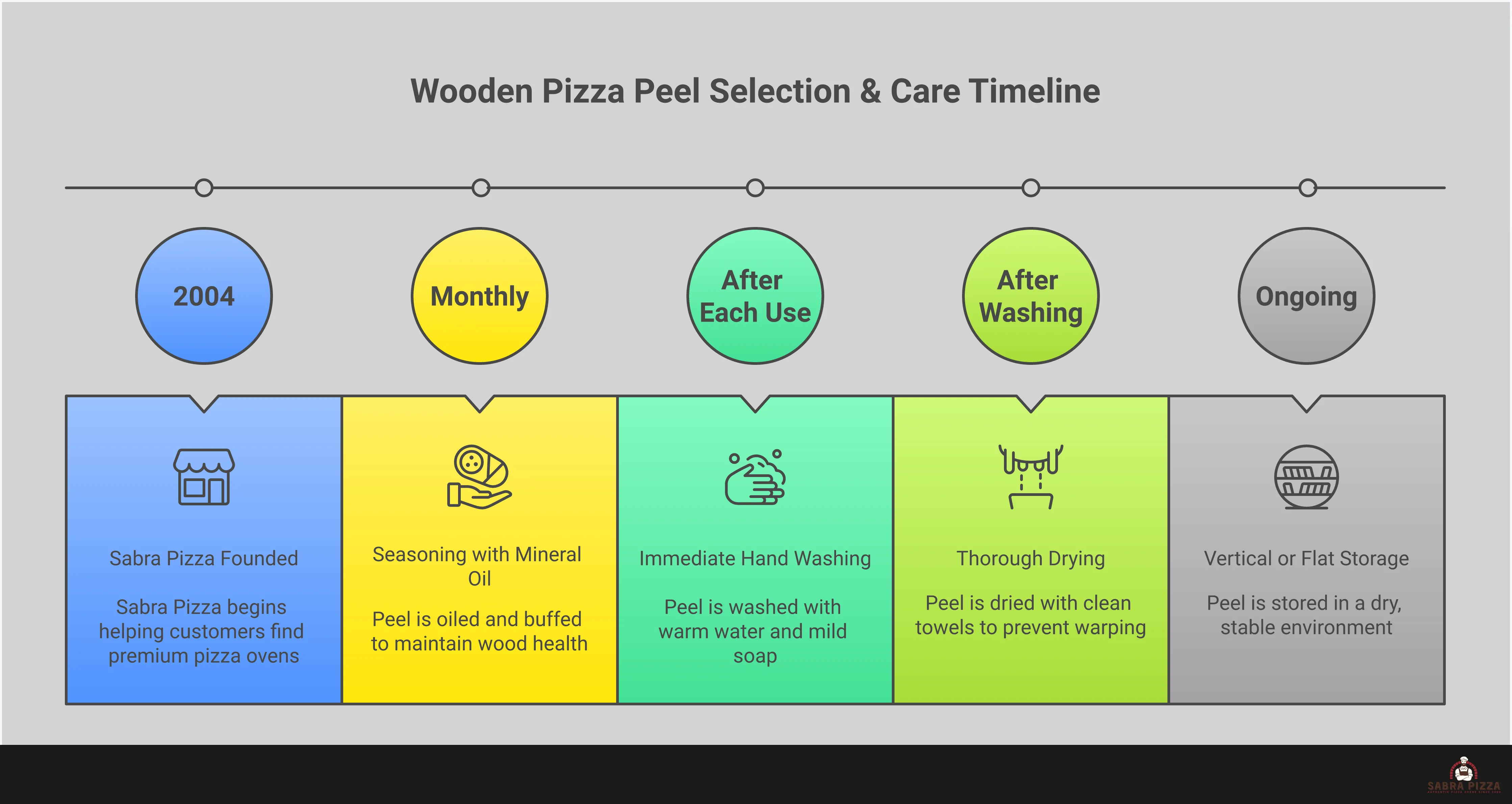
Season It with Mineral Oil
Think of this as a spa day for your peel. Seasoning your wooden peel with food-grade mineral oil every few months keeps the wood hydrated, prevents it from drying out and cracking, and creates a naturally non-stick surface. To do this, make sure your peel is completely clean and dry. Apply a generous amount of oil with a soft cloth, rubbing it in the direction of the wood grain. Let it soak in for a few hours or even overnight, then wipe off any excess. This simple seasoning process will extend the life of your peel and keep it looking great for years to come.
Wash and Dry by Hand
This is the golden rule of wooden peel care: never, ever put it in the dishwasher. The intense heat and prolonged exposure to water will cause it to warp and split. Instead, wash it by hand with warm water and a little mild soap right after use. Use a soft sponge or cloth, and avoid any harsh, abrasive scrubbers that could scratch the wood. The most important part of this step is to dry it thoroughly with a towel immediately after washing. Don't let it air dry, as lingering moisture is the enemy of wood. A properly dried peel is a happy peel.
Store It Properly to Prevent Warping
Where you keep your peel matters just as much as how you clean it. To prevent warping, always store your wooden peel in a dry place away from extreme temperature changes or humidity, like a hot stove or a damp basement. The best way to store it is by hanging it up by its handle. This allows for even air circulation on all sides. If you don't have a place to hang it, storing it flat is the next best option. Proper storage ensures your peel remains perfectly straight, which is essential for smoothly launching your pizzas. Wood is surprisingly durable, but a little care goes a long way.
Avoid Common Mistakes
A few simple habits can make all the difference in your pizza-making and peel maintenance. First, avoid using your peel as a cutting board. Slicing your pizza directly on the wood will create deep grooves that can trap bacteria and cause your dough to stick later on. Second, be mindful of wet toppings. Ingredients with high moisture content, like fresh mozzarella or pineapple, can make the dough soggy and cause it to stick to the peel. A good practice is to blot these toppings with a paper towel before adding them to your pizza. These small adjustments will help you avoid frustration and keep your peel in pristine condition.
Where to Buy Your Wooden Pizza Peel
Once you know what you’re looking for in a wooden pizza peel, the next step is finding the right place to buy it. From curated shops to big online stores, you have plenty of options. The best choice for you depends on whether you prioritize expert advice, a wide selection, or a direct-from-the-source connection. Let's walk through the most common places to find your perfect peel and what to expect from each.
Specialty Retailers (Like Us!)
When you want a high-quality tool that’s been vetted by experts, specialty retailers are your best bet. Shops like ours focus on curating selections of top-performing pizza accessories, so you know you’re getting something that works. We take the guesswork out of the equation. For example, culinary experts often recommend peels like the Baker's Board wooden peel for its solid performance and durability. By shopping at a specialty store, you gain access to a handpicked collection of tools that are trusted by both home cooks and professional chefs, ensuring you invest in quality that lasts.
Online Marketplaces
Online marketplaces like Amazon are great if you want to see a huge variety of options all at once. You can find peels at nearly every price point, from budget-friendly finds to more premium models. It’s a good way to compare different brands, materials, and customer reviews in one place. A popular choice you might find is the Fiery Chef Pizza Peel, which many home chefs love because it doubles as a paddle for serving. The sheer volume can be overwhelming, but if you enjoy doing your own research and reading through reviews, you can uncover some real gems.
Directly from the Manufacturer
Buying directly from the brand that makes the peel is an excellent way to ensure you’re getting an authentic, high-quality product. Manufacturers often have unique designs you won’t find anywhere else and can provide detailed information about their materials and craftsmanship. For instance, Ooni offers a 16" Bamboo Pizza Peel that’s known for being incredibly sturdy and versatile enough for both launching and serving. Going direct often means you’re paying for that guaranteed quality and design, but for a tool you’ll use for years, it’s a solid investment.
How to Find Exclusive Deals
If you’re a savvy shopper looking for a great deal without sacrificing quality, keep an eye on specialty websites that focus on kitchen tools and artisanal goods. These sites sometimes run promotions or offer exclusive products you can’t find in larger marketplaces. For example, Wisconsinmade offers a cherry wood pizza peel that customers consistently praise for its beautiful look and superior quality compared to cheaper alternatives. Signing up for newsletters from your favorite kitchenware brands or retailers is another smart way to get notified about sales and special offers.
Related Articles
- Wooden Pizza Peel Long Handle: A Buyer's Guide
- Best Pizza Peels Guide | Material Comparison & Reviews
- How to Use a Pizza Peel: The Ultimate Guide
- 7 Best Wooden Pizza Peels for Flawless Pizza
- 5 Best Wooden Pizza Peel 16 Inch Picks for 2025
Frequently Asked Questions
Why is my pizza dough sticking to the wooden peel? This is the most common frustration, and it usually comes down to one thing: moisture. Your dough might be too wet, or you may not have created enough of a barrier between the dough and the wood. The best fix is to lightly dust the peel with semolina or flour right before you place your dough on it. This creates a layer of tiny, edible ball bearings that helps the pizza slide right off. Also, try to work quickly once your sauced pizza is on the peel, as the longer it sits, the more likely it is to stick.
Do I really need to oil my peel? What happens if I don't? Yes, taking a few minutes to oil your peel every few months is absolutely worth it. Think of it like moisturizing your own skin. Without it, the wood will eventually dry out, which can lead to cracking or warping. An unoiled peel also tends to absorb more moisture from the dough, making it stickier over time. A quick rubdown with food-grade mineral oil keeps the wood hydrated, healthy, and helps create a more naturally non-stick surface for years of use.
If I can only buy one peel, should I get wood or metal? For your first and only peel, I always recommend starting with wood. Wooden peels are far more forgiving when you're launching a raw pizza into the oven. The natural texture of the wood helps the dough release smoothly, which is the trickiest part of the whole process. While metal peels are great for turning a pizza that's already cooking, they tend to make raw dough stick. A good wooden peel is the most versatile tool for getting your pizza successfully from the counter to the stone.
Can I use my wooden peel as a cutting board or serving platter? It's best to avoid using your peel as a cutting board. Slicing directly on the wood will create deep grooves in the surface. These cuts can trap moisture and bacteria, and they'll also ruin the smooth surface you need for a clean pizza launch. Using it as a serving board is perfectly fine, though! Many peels are beautiful enough to go straight from the oven to the table. Just remember to transfer the pizza to a dedicated cutting board before you slice.
What size peel should I get for my home oven? The right size is all about fitting your cooking space. Before you buy a peel, measure the width of your pizza stone or steel, as well as the opening of your oven. You'll want a peel that is slightly smaller than the narrowest of those two measurements. This gives you enough room to maneuver without bumping the sides of the oven. A peel that's too big will be clumsy, while one that's too small will make it difficult to support the entire pizza.