

The secret to a perfectly crisp, never-soggy pizza crust isn’t just about oven temperature; it’s about the launch. Getting your raw pizza onto a hot stone quickly and smoothly is critical for achieving that amazing oven spring and an evenly cooked base. This is where the right tool makes all the difference. A wooden pizza peel 16 inch is specifically designed for this crucial step. Unlike metal, wood naturally absorbs a tiny bit of moisture from the dough, creating a drier surface that allows the pizza to slide off effortlessly. This simple advantage is your best defense against a sticky disaster and your ticket to a flawless, crispy crust.
Key Takeaways
- Prioritize Wood for Building and Launching: A 16-inch wooden peel is ideal for home ovens because its surface absorbs slight moisture from the dough. This natural non-stick quality makes it far more forgiving than metal for sliding your pizza onto the stone.
- Prep Your Peel for a Stick-Free Slide: The key to a smooth transfer is a light dusting of semolina or cornmeal, which acts like tiny ball bearings. Once topped, give the peel a gentle shake to ensure the pizza moves freely before launching it with a quick, decisive pull.
- Protect Your Peel to Make It Last: Proper care is simple but non-negotiable: never soak it or put it in a dishwasher. Always hand wash and dry it completely after use to prevent warping, and apply mineral oil occasionally to keep the wood conditioned.
Why Go with a 16-Inch Wooden Pizza Peel?
When you’re serious about making incredible pizza at home, your tools matter just as much as your ingredients. A pizza peel is the essential tool for transferring your carefully crafted pizza into a blazing hot oven and retrieving it once it's perfectly cooked. While you have options, a 16-inch wooden pizza peel is a classic for a reason. It combines traditional craftsmanship with practical design, giving you the perfect surface for building your pizza and the ideal size for a generous, shareable pie that fits beautifully in most outdoor pizza ovens. Let’s get into why this specific peel might be the perfect partner for your pizza-making adventures.
The Classic Look and Feel
There’s something undeniably authentic about using a wooden pizza peel. It connects you to the long tradition of pizza making, adding a touch of rustic charm to your kitchen or patio. Beyond aesthetics, wood just feels right for the job. It has a warmth and sturdiness that metal peels can’t replicate. Holding a well-crafted wooden peel feels like you’re holding a true culinary tool, not just a piece of equipment. This tactile experience is part of the joy of making pizza from scratch. It’s about more than just the final product; it’s about embracing the process and using tools that make you feel like a genuine pizzaiolo.
The Perfect Size for Homemade Pizza
A 16-inch peel hits the sweet spot for home pizza making. It’s large enough to handle a substantial, family-sized pizza, like a classic New York-style pizza, without feeling unwieldy. This size is perfectly suited for many premium outdoor ovens, including the popular Alfa Forni™ models, allowing you to maximize your cooking space. A smaller peel can limit your creativity, while a larger one can be difficult to manage. With a 16-inch surface, you have plenty of room to build your pizza directly on the peel, add all your favorite toppings, and still have enough space around the edges for a confident launch into the oven. It’s the go-to size for achieving pizzeria-quality results at home.
Wood vs. Metal: Which Is Better?
The debate between wood and metal pizza peels is a common one in the pizza world. While both have their merits, they excel at different tasks. Metal peels, which are thinner, are fantastic for turning a pizza as it cooks and for retrieving the finished pie from the oven. However, for the crucial first step—building your pizza and launching it onto the hot stone—wood is often the superior choice. Raw pizza dough is less likely to stick to a wooden surface, especially when properly floured. Many expert pizza makers use both: a wooden peel for launching and a metal one for turning and retrieving. If you’re starting with just one, a wooden peel is arguably the more versatile and forgiving of the two pizza peels.
How Wood Prevents a Soggy Crust
The secret to a perfect pizza launch lies in preventing the dough from sticking to the peel. This is where wood truly shines. Unlike metal, wood is naturally porous, which means it can absorb a small amount of moisture from the surface of the dough. This subtle absorption makes a huge difference, creating a drier surface that allows the pizza to slide off the peel and onto your pizza stone with ease. A smooth launch is critical for maintaining the pizza’s shape and ensuring the bottom cooks evenly. By preventing sticking, a wooden peel helps you achieve that coveted crispy crust instead of a doughy, soggy bottom.
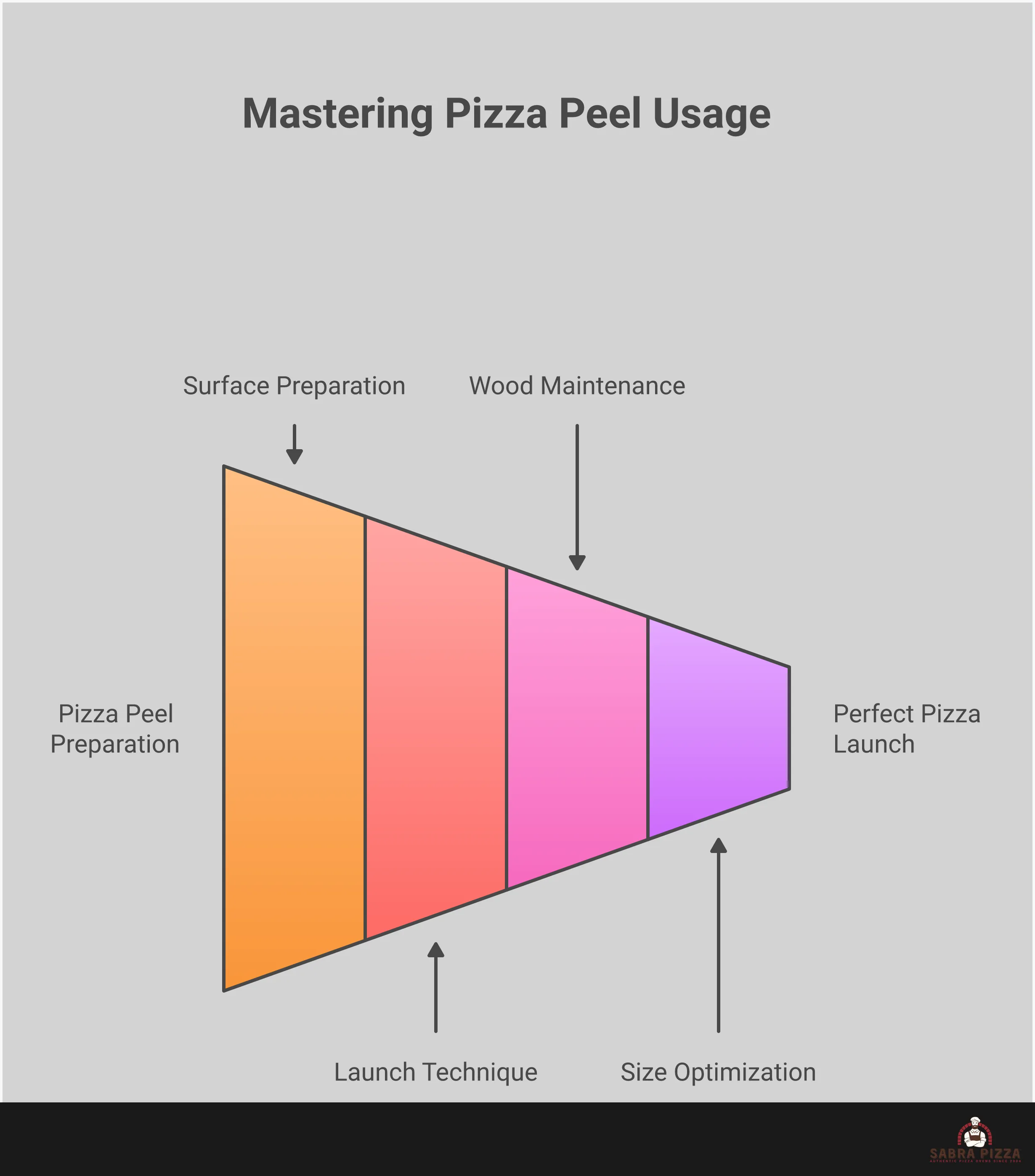
What to Look for in a Great Pizza Peel
When you’re ready to invest in a great wooden pizza peel, you’ll quickly realize they aren’t all the same. The right peel feels like an extension of your arm, giving you the confidence to slide pizzas into a blazing hot oven with grace. The wrong one can lead to misshapen pizzas, burnt knuckles, and a lot of frustration. So, what separates a must-have tool from a piece of wood that just gets in the way? It comes down to a few key details: the type of wood, the handle design, the surface texture, and the overall size and weight.
Think of it like choosing a chef’s knife—the best one is all about balance, feel, and function. A great peel should be sturdy but not clunky, with a handle long enough to keep you safe but short enough to give you control. The head of the peel needs a tapered edge to slip under delicate dough without a fight. Understanding these elements will help you find the perfect partner for your pizza-making adventures. This complete pizza peel buyer's guide is a great resource, but let's break down the most important factors you should consider.
Choosing the Right Type of Wood
The type of wood your peel is made from is more than just an aesthetic choice; it directly impacts performance. Woods like acacia and pine are popular because they are lightweight and have a porous quality. This is a huge advantage because the wood naturally absorbs a bit of moisture from the dough, which helps prevent it from sticking when you launch your pizza. It’s a subtle but effective feature that makes for a much smoother transfer. Bamboo is another fantastic option, known for being durable and moisture-resistant, giving you a consistently slick surface to work with.
Finding the Perfect Handle Length and Balance
The handle is your connection to the pizza, and its design is crucial for both safety and control. You need a handle that’s long enough to keep your hands and arms safely away from the intense heat of your pizza oven. For most backyard setups, a handle between 36 and 48 inches provides the perfect distance. Just as important is the balance. The peel shouldn’t feel top-heavy or unwieldy when you’re holding a fully loaded pizza. It should feel stable and secure, allowing you to maneuver with precision. A well-balanced peel makes all the difference between a confident launch and a clumsy one.
Why Surface and Thickness Matter
The business end of the peel—the surface that holds the pizza—plays a huge role in a successful launch. Look for a peel with a smooth, well-sanded surface. A bamboo pizza peel, for example, often has a finish that resists moisture, which is your best defense against sticky dough. The thickness and edge are also critical. A peel with a thin, beveled, or tapered edge acts like a spatula, making it much easier to slide cleanly under a raw pizza. A thick, blunt edge is more likely to push the dough around or fold it over, which is the last thing you want.
Getting the Size and Weight Just Right
Finally, let’s talk about dimensions. The size of your peel’s head should correspond to the size of the pizzas you plan to make and, more importantly, the size of your oven opening and baking surface. Before you buy, measure your pizza stone or the cooking deck of your oven. You need a peel that can comfortably fit inside with room to spare. Weight is also a factor. A lighter peel is easier to handle, especially for beginners, but some people prefer the sturdy, substantial feel of a slightly heavier peel. It’s a personal preference, but the key is finding one that feels manageable for you.
Our Top Picks: The Best Wooden Pizza Peel Brands
With so many pizza peels on the market, finding the right one can feel like a project in itself. To make it easier, I’ve sorted through the options to find the best wooden peels for every type of pizza maker. Whether you’re a seasoned pro dedicated to the craft, a home cook who loves hosting, or someone just starting out on a budget, there’s a perfect peel waiting for you.
When putting this list together, I looked for brands that deliver on quality, design, and durability. A great peel isn’t just a slab of wood; it’s a well-designed tool that feels balanced in your hands and helps you launch pizzas with confidence. Below are my top recommendations, broken down by what they do best.
For the Pizza Purist
If you’re serious about your pizza, you need a tool that’s just as dedicated. For you, I recommend the Ooni 16” Bamboo Pizza Peel. This peel is all about function and performance. Made from lightweight and durable bamboo, it’s designed to do one thing exceptionally well: get your 16-inch pizza into and out of the oven flawlessly. The moisture-resistant surface helps prevent dough from sticking, and its simple, clean design feels professional. It’s not trying to be a cutting board or a serving platter—it’s a purpose-built tool for those who believe the art of pizza deserves specialized equipment. It’s the kind of peel that feels like a natural extension of your hands as you work.
The Best All-Around Performers
If you love a tool that can pull double duty, look no further than the Chef Pomodoro 16-inch Acacia Pizza Peel. This peel is a true workhorse and a fantastic all-around choice for most home kitchens. The acacia wood is naturally moisture-resistant and has a smooth finish that helps your pizza slide right off. What makes it a standout performer is its versatility. The beautiful wood grain and sturdy construction make it a perfect serving and slicing board for when your masterpiece comes out of the oven. It’s the ideal blend of form and function for the home chef who loves to cook and entertain with style.
Great Peels That Won't Break the Bank
You don’t have to spend a fortune to get a great wooden pizza peel. The Loftern 16-Inch Wooden Pizza Peel is proof that you can get quality and functionality on a budget. Made from bamboo, this peel is surprisingly versatile for its price point. It often includes helpful features like marked size guides for rolling out your dough and can easily be used as a cutting and serving board. It’s a solid, reliable option that covers all the essential bases without any unnecessary frills. If you’re just building your pizza-making toolkit or simply want a dependable peel that offers excellent value, this is a smart and practical choice.
Where to Shop for Your New Peel
While you can find peels at most big-box stores, I recommend looking at specialty retailers for the best selection. Online shops like Patio & Pizza offer a wide variety of peels made from different woods like cherry, basswood, and acacia, so you can find exactly what you’re looking for. It’s also a great idea to check out the accessories offered by premium oven manufacturers. Brands that are experts in pizza ovens know what makes a great tool, and you can often find high-quality peels and other essential pizza oven accessories designed to work perfectly with your setup.
How to Use Your Pizza Peel Like a Pro
Owning a beautiful wooden pizza peel is one thing; using it with the confidence of a seasoned pizzaiolo is another. That moment of sliding a perfectly topped pizza into a blazing hot oven can be a little nerve-wracking at first. But with a bit of practice and the right technique, you’ll master the motion and wonder how you ever made pizza without one. The whole process comes down to a few key steps: prepping your peel to prevent any sticking, mastering the quick-flick launch, and working in harmony with your oven's heat.
Learning how to use a pizza peel effectively can completely transform your cooking experience. It’s the bridge between your countertop and the perfect, crispy crust you’re aiming for. Forget awkwardly trying to transfer a floppy pizza with your hands or a flimsy baking sheet. The peel is your best friend for building, launching, turning, and retrieving your creations with grace. Once you get the hang of it, you’ll find a rhythm that makes pizza night smoother, more fun, and yield much more delicious results. It’s a skill that, once learned, will stick with you for a lifetime of incredible homemade pizza.
Flour Your Peel the Right Way
The absolute golden rule of using a pizza peel is to create a non-stick surface. A raw, wet pizza dough placed directly on a dry wooden peel will stick almost instantly, leading to a misshapen mess when you try to launch it. To avoid this, you need to give the dough something to slide on. Sprinkle a light, even layer of flour or cornmeal onto your peel before you even think about putting the dough on it. Many pros prefer semolina flour or cornmeal because their coarser texture acts like tiny ball bearings, allowing the pizza to glide off effortlessly. After placing your stretched dough on the peel, give it a gentle shake to ensure it moves freely.
Master the Launch and Retrieval
Successfully launching your pizza relies on two things: a well-prepared dough and a confident motion. The key is to have a fully proofed and properly stretched pizza dough that isn’t overly wet or sticky. Once your pizza is topped (work quickly!), it’s time for the launch. Position the tip of the peel at the back of your hot pizza stone. In one swift, decisive motion, jerk the peel straight back out of the oven. Don’t slowly push the pizza off—the quick pull is what leaves it perfectly in place. For retrieval, the motion is similar: slide the peel under the cooked pizza with confidence and lift it straight out.
Manage Your Oven's Heat
A pizza peel and a hot oven go hand in hand. Your peel’s main job is to get that delicate pizza onto an incredibly hot cooking surface as fast as possible. You must preheat your oven and pizza stone until they are thoroughly heated. This intense, direct heat is what creates that amazing oven spring in the dough and cooks the crust to crispy perfection before the toppings overcook. This is especially critical when using premium outdoor pizza ovens, which can reach temperatures far higher than a standard kitchen oven. Your peel allows you to work safely and efficiently with that powerful heat.
Common Mistakes to Avoid
We’ve all been there: the pizza is stuck, toppings are sliding off, and panic sets in. Most issues can be traced back to a few common mistakes. The biggest culprit is letting the topped pizza sit on the peel for too long. The moisture from the sauce will eventually soak through the dough and glue it to the wood. Assemble your pizza quickly right before it goes into the oven. Another frequent error is using too much sauce or piling on too many heavy toppings, which weighs the dough down. Finally, don’t be shy with the flour on your peel. A little too much is always better than not enough.
Tips for a Flawless Pizza Transfer
Getting your beautifully crafted pizza from the counter into a blazing hot oven can feel like the most stressful part of the entire process. One wrong move and your masterpiece could end up in a heap. But with a few simple techniques, you can master the pizza launch and look like a seasoned pro every single time. It’s all about preparation and confident, fluid movements. These tips will help you slide your pizza into the oven flawlessly, ensuring it bakes perfectly from edge to edge.
The Secret to a Stick-Free Slide
The key to preventing a sticky situation is creating a barrier between the dough and the wood. Before you even think about placing your dough on the peel, give the surface a light, even dusting. Many pizzaiolos sprinkle cornmeal or semolina flour onto their wooden peel so the pizza doesn’t stick. These coarser grains act like tiny ball bearings, allowing the raw pizza to glide right off the peel and onto your hot pizza stone. Regular flour works too, but can sometimes burn in a very hot oven. Just be careful not to overdo it—a little goes a long way. A quick, gentle shake of the peel before you launch will tell you if the pizza is moving freely.
Essential Techniques for Moving Your Pizza
A successful transfer starts long before your pizza hits the peel. The key to using a pizza peel successfully relies on two things: a fully proofed dough ball and a properly stretched pizza base. A well-developed dough is less likely to be overly sticky or tear under the weight of your toppings. Once your dough is stretched, place it on your prepared peel and work quickly to add your sauce and toppings. The longer a sauced pizza sits on the peel, the more moisture it will absorb, increasing the chances of it sticking. Learning how to stretch pizza dough correctly will give you a strong, even base that’s ready for a smooth launch.
Adjusting for Different Pizza Styles
While a 16-inch peel is a fantastic all-around size for home pizza making, it’s important to think about your setup. The size of the peel you use to launch should correspond to the size of the oven you have, and then to the size of pizza you want to make. A larger peel gives you a generous canvas for building family-sized pies that will fill up your premium outdoor pizza oven. If you’re making smaller, personal-sized pizzas, you won’t need to use the entire surface. Just make sure you have enough room to work without toppings spilling over the side, and that the peel can be maneuvered easily through your oven’s opening.
Add Flavor and Texture with Your Peel
Your wooden peel does more than just transport your pizza; it plays a role in creating that perfect crust. Wood peels are often better than metal ones because they absorb excess moisture from the bottom of the dough. This small detail makes a huge difference, helping you achieve a crispier, less soggy crust. The cornmeal or semolina you use for dusting also contributes to the final product, adding a subtle, pleasant crunch and a touch of rustic flavor to the bottom of your pizza. It’s a simple step that adds another layer of authentic texture and taste to every slice you serve.
How to Care for Your Wooden Pizza Peel
A quality wooden pizza peel is more than just a tool; it's an essential part of your pizza-making ritual. Like a chef's favorite knife or a well-loved cast-iron pan, it needs a little care to perform its best and last for years. The good news is that maintaining your wooden peel is simple. By following a few key steps for cleaning, storing, and conditioning the wood, you can ensure it remains a reliable partner for countless pizza nights, always ready for that perfect launch.
Clean Your Peel Without Damaging It
The number one rule for cleaning your wooden pizza peel is to keep it out of the dishwasher. The intense heat and prolonged exposure to water can cause the wood to swell, warp, or even crack. Instead, always wash the peel by hand using warm water and a mild dish soap. Gently scrub away any flour or food residue with a soft sponge or cloth. Avoid letting it soak in the sink, as this can also lead to water damage. A quick, gentle wash is all it takes to get it clean without compromising the wood's integrity. Think of it as a quick rinse, not a deep soak.
The Right Way to Store Your Peel
Proper storage is just as important as proper cleaning. After washing your peel, the most critical step is to let it dry completely before putting it away. You can wipe it down with a towel and then let it air dry, standing it on its side to allow air to circulate around all surfaces. Storing a damp peel can trap moisture, leading to mold or warping. Once it’s bone dry, you can store it flat in a cabinet or hang it on a wall. Many peels come with a hole in the handle for this exact purpose, turning your functional tool into a beautiful piece of kitchen decor.
How and Why to Season Your Peel
To keep the wood hydrated and protected, you should season your peel from time to time. This process is simple and involves applying a thin layer of food-safe mineral oil to the entire surface. Just pour a small amount of oil onto a clean cloth and rub it into the wood, moving in the direction of the grain. Let it soak in for a few hours or overnight, then wipe off any excess. Seasoning prevents the wood from drying out and cracking, and it also creates a natural barrier that helps repel moisture and makes the surface less prone to sticking.
Keep Your Peel from Warping
Warping happens when wood absorbs and releases moisture unevenly. The best way to prevent your pizza peel from bending or twisting out of shape is to be diligent about drying it. As soon as you’re done washing it, dry it thoroughly with a towel to remove as much surface water as possible before letting it air dry. Avoid exposing your peel to extreme temperature changes, like leaving it right next to a hot oven or in a damp basement. Consistent care and a stable, dry environment are the keys to keeping your peel perfectly flat and ready for action.
Make Your Pizza Peel Last a Lifetime
A quality wooden pizza peel is more than just a tool; it's a partner in your pizza-making adventures. With the right care, it can last for years, developing a unique character with every pizza you launch. Just like a favorite cast-iron skillet or a well-seasoned cutting board, a little maintenance goes a long way. Taking a few simple steps after each use will protect your investment and ensure your peel is always ready for action. From managing moisture to fixing minor wear and tear, here’s how to keep your peel in top shape, providing that perfect, stick-free slide from counter to oven for years to come.
What to Do About Moisture
Moisture is the biggest threat to your wooden peel. While the wood's ability to absorb a little moisture helps dough slide off easily, too much water will cause it to warp or crack. The rules are simple: never soak your peel or run it through the dishwasher. After a quick hand wash, dry it immediately and thoroughly with a towel. Let it air dry completely, standing on its edge, before you store it. This simple habit is the single best thing you can do to prevent damage and extend the life of your peel.
How to Fix Scratches and Stains
A few scratches and stains are signs of a well-used peel, so don't panic! For daily cleaning, warm water, mild soap, and a soft sponge are all you need. If you get deeper marks from a pizza cutter, you can gently sand them away with fine-grit sandpaper to restore a smooth surface. For stubborn tomato stains, try applying a paste of baking soda and water before washing. After any deep cleaning or sanding, it's a good idea to re-season the wood with a light coat of food-grade mineral oil to keep it protected and looking its best.
Know When It's Time for a New Peel
Even with perfect care, a peel will eventually wear out. It's time for a replacement if you see deep cracks that could trap bacteria or cause the peel to snap during a transfer. Another dealbreaker is significant warping; a bent peel makes launching a pizza nearly impossible. A surface that's become permanently fuzzy or rough, even after sanding, is also a sign that the wood has reached the end of its life. When that day comes, you can find your next great tool in our collection of premium pizza peels.
More Than Just Pizza: Other Uses for Your Peel
Your pizza peel is more versatile than you think. Its broad, sturdy surface is perfect for moving delicate loaves of artisan bread or pastries in and out of a hot oven. It also makes a fantastic serving board. Instead of a standard platter, try arranging a beautiful charcuterie spread of meats, cheeses, and fruits directly on your peel. It creates a rustic, impressive presentation for guests and gives you another reason to keep this essential tool handy in your kitchen.
Related Articles
- 10 Best Pizza Peels of 2025 (Tested & Reviewed)
- Best Pizza Peels Guide | Material Comparison & Reviews
- The Ultimate Pizza Oven Peel Buyer's Guide
- 10 Pizza Peel Oven Tips for Flawless Pizza
- Pizza Peel Wood: How to Choose, Use & Care
Frequently Asked Questions
Do I really need both a wooden and a metal pizza peel? While you can certainly get by with just one, many pizza enthusiasts find that using both makes the process much smoother. Think of them as having different jobs. A wooden peel is the best for building your pizza and launching it into the oven because raw dough is less likely to stick to its surface. A thinner metal peel is perfect for turning the pizza as it cooks and for retrieving the finished pie, as it slides easily under a crispy crust. If you're starting with just one, a wooden peel is the more versatile choice.
My pizza always sticks to the peel! What am I doing wrong? This is a super common issue, and it usually comes down to two things: moisture and time. To fix it, make sure you sprinkle a light layer of semolina flour or cornmeal on your peel before placing the dough on it. These coarser grains act like tiny ball bearings. Also, work quickly! Once you add sauce and toppings, the clock starts ticking. The longer a wet pizza sits on the peel, the more likely it is to stick. Assemble your pizza right before you’re ready to launch it into the oven.
Can I cut my pizza directly on my wooden peel? It’s best to avoid cutting directly on your wooden peel. A sharp pizza cutter can easily slice into the wood, creating deep grooves. These scratches not only damage the peel's smooth surface but can also trap food particles and cause your next pizza to stick. To keep your peel in great shape for launching, slide the finished pizza onto a dedicated cutting board before slicing.
How do I clean my wooden peel without warping it? The golden rule is to never, ever put it in the dishwasher or let it soak in the sink. The best way to clean it is by hand with a soft sponge, warm water, and a little mild soap. Scrub off any residue, rinse it quickly, and then—this is the most important part—dry it thoroughly with a towel immediately. Let it finish air-drying by standing it on its side before you put it away.
Is a 16-inch peel the right size for me? A 16-inch peel is a fantastic all-around size for making generous, family-style pizzas that fit perfectly in most premium outdoor ovens. It gives you a large, stable surface to work on. Before you commit, it’s always a good idea to measure the opening of your pizza oven to make sure the peel will fit inside with enough room to maneuver easily.