

There's nothing more deflating than crafting the perfect pizza—stretching the dough, adding the sauce, arranging the toppings—only to have it stick stubbornly to the peel at the last second. That moment of truth, the launch into a blazing hot oven, can make or break your entire effort. This is where the right tool makes all the difference. A wooden pizza peel is the classic solution, prized by professionals for its naturally non-stick surface that helps dough slide off with ease. This guide is your complete resource for understanding, choosing, and using the best wooden pizza peel, ensuring every pizza night ends in triumph, not tragedy.
Key Takeaways
- Reserve your wooden peel for launching: Wood's porous surface is ideal for preventing raw dough from sticking, ensuring a smooth slide into the oven. For turning and retrieving the cooked pizza, a thin metal peel is the better tool for the job.
- A tapered edge is the most important feature: When choosing a peel, prioritize one with a thin, beveled edge. This design allows you to slide under the dough effortlessly, which is the key to a perfect, no-fuss launch.
- Simple maintenance prevents warping and cracking: Keep your wooden peel performing for years by always hand-washing it and allowing it to air dry completely. Seasoning it with food-grade mineral oil every few months will also maintain its non-stick quality.
Why Go with a Wooden Pizza Peel?
When you're aiming for that perfect, crisp-crusted pizza, the launch is everything. While metal and composite peels have their place, there's a reason so many seasoned pizzaiolos swear by wood. A wooden pizza peel isn't just a tool; it's a classic part of the pizza-making tradition that offers some serious practical advantages. From its non-stick surface to its rustic charm, choosing a wooden peel can make your entire pizza experience smoother and more enjoyable. It’s the ideal surface for building your pizza right before it hits the heat, giving you a stable and reliable foundation for your culinary creations.
It's Naturally Non-Stick
There's nothing more frustrating than building a beautiful pizza only to have it stick to the peel at the last second. This is where wood truly shines. The natural, porous surface of a wooden peel absorbs a bit of moisture from the dough, which helps prevent it from sticking. A light dusting of flour or cornmeal creates an almost ball-bearing-like effect, letting your pizza slide gracefully into the oven. Unlike metal, which can create condensation and make dough gummy, wood works with you to ensure a flawless launch every single time. This makes it the perfect choice for beginners and experts alike who want a stress-free transfer from peel to oven.
It Has a Classic, Versatile Feel
Beyond its practical benefits, a wooden peel just feels right. It has a classic, authentic look that connects you to the long history of pizza making. But it’s not just about aesthetics. A beautiful acacia or cherry wood peel can pull double duty in your kitchen. When you're not launching pies, it makes a stunning serving board for the finished pizza, a charcuterie spread, or a rustic loaf of bread. This versatility makes it a valuable addition to any culinary enthusiast's collection, blending beautiful form with essential function. It becomes more than just a utility item; it’s a centerpiece for your gatherings.
It's Built to Last
A high-quality wooden pizza peel is an investment that pays off for years. When crafted from durable hardwoods like acacia, cherry, or maple, these peels are designed to withstand the rigors of a hot oven and frequent use. They are less likely to warp than softer woods and can handle the weight of a fully loaded pizza without flexing. With some simple, regular care—like hand-washing and occasional oiling—a good wooden peel can easily become a trusted part of your pizza setup for up to a decade. This makes it a reliable partner for countless pizza nights to come.
What to Look for in a Wooden Pizza Peel
Not all wooden peels are created equal. While they might look similar hanging on a store rack, a few key details can make a huge difference in your pizza-making experience. The right peel feels like an extension of your arm, helping you launch pizzas with confidence, while the wrong one can lead to frustrating mishaps (we’ve all seen those pizza-stuck-to-the-peel videos). To find your perfect match, you’ll want to pay attention to the type of wood, the size and shape, the handle design, and the overall feel. Let’s break down exactly what to look for so you can choose a peel that will serve you well for years to come.
Choose the Right Wood
When it comes to the material, you’ll want to stick with hardwoods like acacia or bamboo. These woods are much stronger and more durable than softwoods, so they can handle the weight of a loaded pizza without warping or cracking over time. Hardwoods also have natural properties that help inhibit the growth of bacteria, which is a nice bonus for any tool you’re using in the kitchen. A well-made hardwood peel is a solid investment that will hold up to countless pizza nights. It’s the foundation of a great pizza-making tool.
Find the Perfect Size and Thickness
The first thing to check is whether the peel will actually fit in your oven. Most outdoor pizza ovens are designed for pizzas between 12 and 14 inches, so your peel’s head (the part that holds the pizza) should be sized accordingly. A peel that’s too wide will be clumsy to maneuver inside the oven, making it difficult to turn your pizza for an even bake. Look for a peel that gives you a couple of inches of clearance on all sides. The thickness matters, too—it should be sturdy enough not to bend but thin enough to slide under the dough easily.
Check the Handle for Comfort
The handle is all about personal preference and your specific setup. A longer handle is great for keeping your hands and arms safely away from the intense heat of a wood-fired oven. However, a shorter handle offers more control and maneuverability, especially in tighter spaces, and is often easier to store. The best approach is to think about your cooking environment. Do you have a deep oven and plenty of space? Go long. Working on a smaller countertop oven? A shorter handle might be your best bet. Ultimately, choose one that feels balanced and comfortable in your hand.
Look for a Smooth, Tapered Edge
This is one of the most important features for a flawless launch. A good wooden peel should have a beveled or tapered edge that acts like a ramp, allowing you to slide it cleanly under your prepared pizza dough. Without this feature, you’re more likely to push the pizza around or fold the edge over on itself, which can ruin your perfect circle. A smooth, thin edge reduces friction and helps the pizza glide on and off with minimal effort. It’s a small detail that makes a massive difference between a smooth launch and a sticky situation.
Consider the Weight and Balance
A great pizza peel should feel sturdy, not clunky. It needs to be strong enough to support a fully loaded pizza without any flexing or bending, but also light enough for you to handle with one hand. Pay attention to how the peel feels when you pick it up. A well-balanced peel won’t feel overly heavy on one end, making it much easier to control as you carry your pizza to the oven and launch it onto the stone. This balance is key to making the entire process feel effortless and giving you the confidence of a seasoned pizzaiolo.
Our 7 Favorite Wooden Pizza Peels
After countless hours of sliding pizzas into hot ovens, I’ve narrowed down the best wooden peels out there. To help you find the perfect match for your kitchen and budget, I’ve grouped my seven favorites into three categories. Whether you’re looking for a showpiece that doubles as a serving platter or a straightforward tool that delivers a perfect launch every time, there’s a peel on this list for you.
Premium Picks ($50+)
For those who see their pizza peel as both a tool and a piece of kitchen art, these premium options are the way to go. The Toscana Acacia Wood Pizza Peel is a standout for its beauty and strength. Its smooth surface is naturally resistant to sticking, and it’s handsome enough to use as a serving board for your finished pie or a cheese platter. It also comes with a lifetime guarantee. Another top-tier choice is the John Boos Maple Wood Pizza Peel. Coming from a brand famous for its professional-grade butcher blocks, this peel is incredibly durable and built to last for years of pizza nights.
Mid-Range Options ($30-50)
This price range is the sweet spot for getting excellent quality without the premium price tag. The American Metalcraft 2414 Wood Pizza Peel is a workhorse that you’ll find in many pizzerias, which tells you everything you need to know about its reliability. It’s sturdy, well-balanced, and a favorite among serious home cooks. I also love the New Star Foodservice Wooden Pizza Peel for its lightweight feel and tapered edge, which makes sliding it under the dough feel effortless. It comes in multiple sizes, so you can get one that’s just right for your oven.
Budget-Friendly Choices (Under $30)
You don’t need to spend a lot to get a wooden peel that performs well. These budget-friendly picks are perfect for getting started or for anyone who wants a great tool at a great price. The Eppicotispai Birchwood Pizza Peel is a fantastic value; it’s lightweight, wide enough for large pizzas, and has a sloped edge for easy launching. The Biotueao Wooden Pizza Peel is another simple, effective choice that handles the basics perfectly. And for the look of a more expensive peel, the Heritage Acacia Wood Pizza Peel offers the beauty of acacia wood at an incredibly accessible price point.
Wood vs. Metal vs. Composite: Which Should You Choose?
When you’re standing in front of a blazing hot pizza oven, the peel is your best friend. It’s the tool that bridges the gap between your countertop and the perfect pizza. But with wood, metal, and composite options available, it’s easy to feel a little stuck. The truth is, there’s no single "best" material—it all comes down to what feels right for you and your pizza-making style. Many serious pizza makers even keep two different peels on hand: one for launching the raw pizza and another for turning and retrieving the cooked one. Let’s break down the pros and cons of each to help you find your perfect match.
How They Perform
The biggest difference between peel materials is how they interact with raw dough. Wooden peels are fantastic for launching your pizza into the oven. The porous surface of the wood absorbs a bit of moisture from the dough, which, along with a light dusting of flour, helps prevent it from sticking. Many pizza makers find that dough slides off a wooden peel more reliably, giving you a smoother, more confident launch.
Metal peels, on the other hand, are champions of turning and retrieving. Their thin, blade-like edge slips easily under a cooking pizza, making it simple to rotate for an even bake or pull it out when it's perfectly crisp. The downside? Raw dough tends to stick to metal more readily. Composite peels are the new kid on the block, designed to offer the best of both worlds. They are typically made from a wood fiber and resin composite, giving them the non-stick properties of wood with the durability and thin profile of metal.
Which is Easiest to Use?
If you’re just starting out, a wooden peel is often the most forgiving for launching. It gives you a little more time to assemble your pizza directly on the peel without the dough becoming a sticky mess. You can take your time adding toppings without worrying that your pizza base has permanently fused to the surface.
However, a metal peel is arguably the best all-around tool if you can only have one. While it takes a bit of practice to master the quick, confident "shimmy" needed to launch a pizza, its performance in the oven is unmatched. A metal turning peel, which is smaller and round, is specifically designed for rotating the pizza inside the oven. Many enthusiasts find that the ideal setup is a wooden peel for launching and a separate metal peel for turning and retrieving.
What's the Upkeep Like?
This is where the materials really show their differences. A wooden peel requires the most care. You should never soak it in water or put it in the dishwasher, as this will cause it to warp and crack. Instead, clean it by scraping off any residue and wiping it with a damp cloth. To keep it in top shape, you’ll also need to periodically treat it with food-grade mineral oil. This prevents the wood from drying out and creates a slicker, more non-stick surface.
Metal and composite peels are much lower maintenance. Most can be easily washed with soap and water, and many are dishwasher-safe. They don’t absorb odors or stains the way wood can, and they don’t require any special conditioning. If you prioritize easy cleanup, metal or composite is the way to go.
Comparing the Costs
Your budget can also play a role in your decision. Generally, wooden peels are quite affordable, with quality options available at very reasonable prices. You can find a great birchwood or acacia peel that will serve you well without breaking the bank.
Metal peels have the widest price range. You can find simple, no-frills aluminum peels at restaurant supply stores for a bargain. However, premium options, like perforated or anodized aluminum peels from top brands, can be a bigger investment. Composite peels usually fall into the mid-to-high end of the price spectrum, reflecting their durable construction and hybrid design. Ultimately, you can find a great peel in any material that fits your budget.
Caring for Your Wooden Pizza Peel
A quality wooden pizza peel is an investment in your pizza-making craft. Just like a favorite cutting board or a cast-iron skillet, it needs a little attention to perform its best and last for years. The good news is that caring for it is simple. With just a few routine steps, you can keep your peel in top shape, ensuring smooth launches and preventing the wood from warping or cracking.
How to Clean It
After you’ve finished making your masterpieces, cleaning your peel is straightforward. The most important rule is to never put it in the dishwasher. The intense heat and prolonged exposure to water is a recipe for disaster, causing the wood to warp, bend, or even crack. Instead, your peel should be hand washed with warm water and a mild dish soap. Use a soft sponge to gently scrub away any leftover flour or dough, then rinse it thoroughly. This simple method keeps your peel clean without damaging the wood’s integrity, getting it ready for your next pizza night.
Season and Oil It Regularly
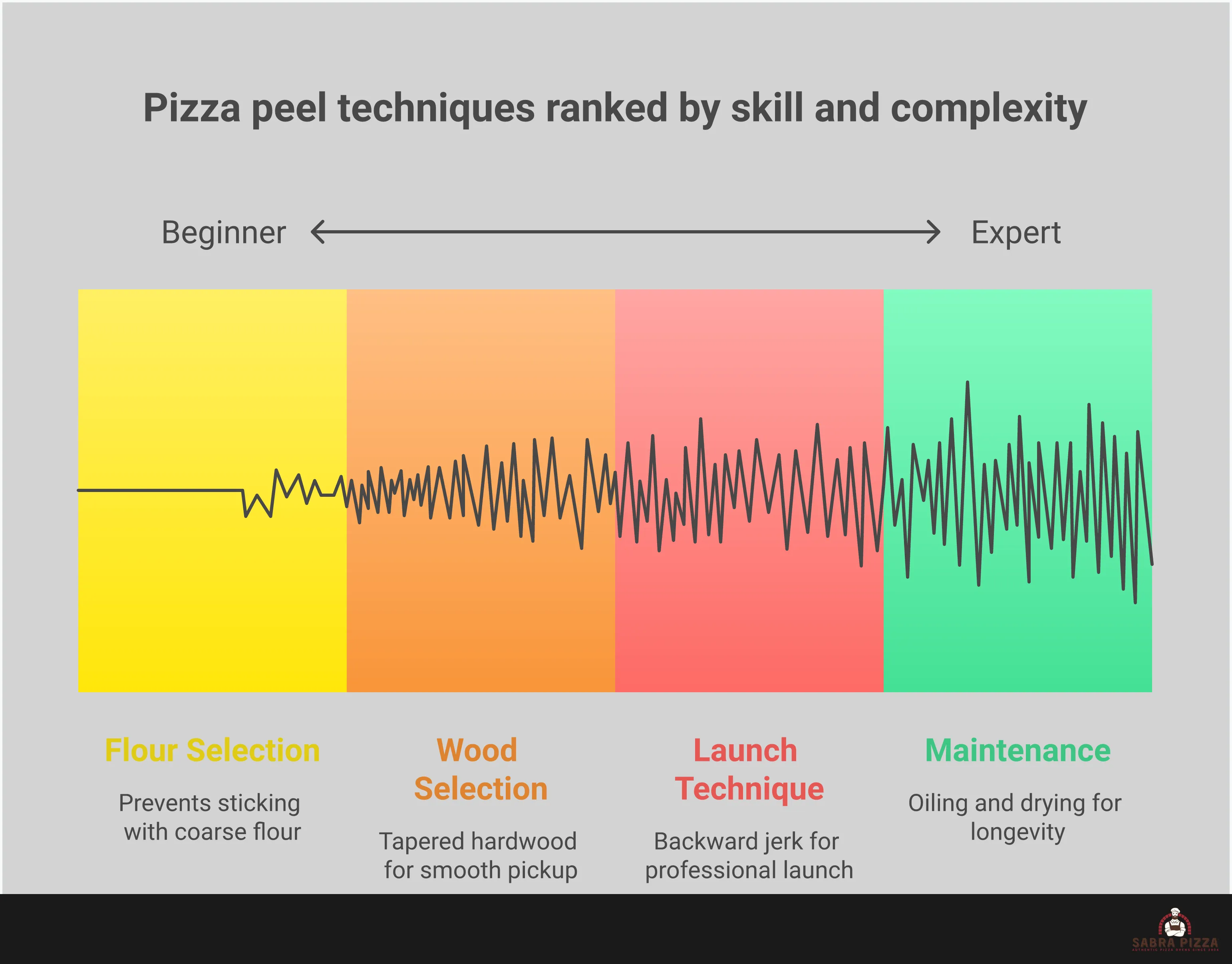
To keep your wooden peel from drying out and cracking, it’s a great idea to season it with oil every few months. Think of it as moisturizing the wood to keep it healthy. Simply apply a food-grade mineral oil to a clean, dry peel using a soft cloth. Rub the oil evenly across the entire surface, making sure to cover the edges and handle as well. Let it soak in for a few hours or even overnight. This process not only protects the wood but also helps maintain its naturally non-stick surface, making it easier for your pizzas to slide off smoothly.
Store It Properly
Where you keep your peel matters just as much as how you clean it. Moisture is the enemy of wood, so always make sure your peel is completely dry before you put it away. After washing, let it air dry thoroughly in a spot with good circulation—propping it against a wall works well. Many peels come with a hole in the handle, which is perfect for hanging it up. This is the ideal storage method because it allows air to flow around the entire peel, preventing any trapped moisture that could lead to warping or mildew over time. Proper storage is a simple step that makes a huge difference.
Avoid Common Problems
With the right care, a high-quality wooden pizza peel can be your trusted partner for up to 10 years. The biggest problems—warping, cracking, and sticking—are almost always preventable. It starts with choosing a peel made from a durable hardwood like acacia or cherry and avoiding softwoods like pine, which can wear out quickly and even impart an unwanted flavor. From there, following the simple cleaning, oiling, and storage steps we’ve covered is your best defense. Consistent care is the key to a long-lasting peel that helps you launch perfect pizzas every time.
How to Use Your Peel Like a Pro
Owning a beautiful wooden peel is one thing; using it with the grace of a seasoned pizzaiolo is another. But don't worry, it's a skill anyone can learn. The peel is your essential tool for transferring your carefully crafted pizza into a blazing hot oven and retrieving it once it's perfectly cooked. A little bit of technique is all it takes to go from fumbling with a sticky mess to executing a flawless launch every time. Let's walk through the key steps to build your confidence and make every pizza night a success.
Flour Your Peel the Right Way
This is the most critical step for preventing a pizza disaster. The secret isn't just any flour. While you might be tempted to use the all-purpose flour from your dough recipe, it can get gummy and actually cause sticking. Instead, you'll want to use semolina or rice flour. These coarser flours act like tiny ball bearings, allowing your pizza to glide right off the peel. A light, even dusting across the surface is all you need—too much can burn on the bottom of your crust and create a bitter taste. Think of it as preparing a runway for your pizza's perfect takeoff into the oven.
Load and Launch with Confidence
Once your peel is floured, it's time to build your pizza. You can stretch your pizza dough and place it directly on the prepared peel. The key here is to work quickly. The longer your sauced dough sits on the peel, the more moisture it absorbs, increasing the chances of it sticking. After adding your toppings, give the peel a gentle back-and-forth shake. Does the pizza slide freely? If so, you're ready to launch. If it sticks in a spot, lift the edge of the dough and toss a little more semolina underneath. When you're ready, use a quick, confident motion to slide the pizza onto your hot pizza stone.
Handle the Heat
Working with an oven that can reach 900°F requires respect for the heat. This is where your wooden peel's design really shines. The long handle is your best friend, keeping your hands and arms a safe distance from the intense heat radiating from the oven's opening. It's just one of the essential pizza oven tools that makes the process safer. Unlike metal, wood is a poor conductor of heat, so the peel itself won't become dangerously hot. This gives you a bit more time to position your pizza perfectly without worrying about burning your hands on the tool you're holding.
Master the Movement
The final piece of the puzzle is the launch itself. Many pizza makers find that wood peels have a naturally "slidy" surface that helps the dough release smoothly. The goal is a single, fluid movement. As you approach the hot stone, aim for the back. In one swift motion, jerk the peel backward, pulling it out from under the pizza and leaving your creation perfectly placed on the stone. It might feel awkward at first, but it's all in the wrist. Practice makes perfect, and soon you'll be launching pizzas with the confidence of a pro, ready to enjoy that delicious, perfectly baked pie.
Ready to Buy? Here's What to Know
You’ve done the research and have a good idea of what you’re looking for in a wooden pizza peel. Now it’s time for the exciting part: making it yours. Before you click that "buy" button, let's walk through a few final considerations to make sure you’re getting a tool you’ll love for years to come. Thinking about where you buy, what you pay, and what to double-check will ensure your new peel is the perfect partner for your pizza-making adventures.
Find a Trusted Retailer
Where you buy your pizza peel matters. While you can find them on large marketplace sites, I always recommend purchasing from a retailer that specializes in pizza ovens and accessories. These experts curate their collections, meaning you’re more likely to find high-quality peels made from durable hardwoods. A specialized shop can also offer knowledgeable customer service if you have questions. They understand the nuances between different types of wood and handle designs. When you buy from a trusted source, you’re not just getting a product; you’re getting the expertise and quality assurance that comes with it. Look for a retailer with a solid reputation and a great selection of pizza-making tools.
Get the Best Value
Getting the best value isn’t always about finding the lowest price. A cheap, poorly made peel might save you a few dollars upfront, but it could warp, splinter, or crack after just a few uses. Instead, think about long-term value. A well-crafted wooden peel from a reputable brand is an investment that will pay off with countless successful pizza launches. You can find peels at a wide range of price points, so it’s helpful to compare your options. A mid-range peel often hits the sweet spot, offering excellent durability and performance without the premium price tag of an artisan-made tool.
What to Check Before You Buy
Before you finalize your purchase, run through a quick mental checklist. First, confirm the peel’s dimensions. Will it fit comfortably in your oven with enough room to maneuver? Think about both the head of the peel and the length of the handle. Second, remember why you chose wood in the first place—its non-stick properties are fantastic, but it does require a bit more care than metal. Be sure you’re ready for the simple upkeep of cleaning and oiling it. Finally, consider how it will work with your specific outdoor pizza oven. A larger, heavier oven might call for a sturdier, longer-handled peel, while a smaller, portable oven pairs well with a more compact design.
Related Articles
Frequently Asked Questions
Can I use my wooden peel to take the pizza out of the oven, too? While you certainly can use a wooden peel for retrieval in a pinch, it’s not its strongest suit. The thicker edge of a wooden peel can make it a bit clumsy to slide under a crisp, cooked pizza. Many pizza makers, myself included, prefer to use a wooden peel for building and launching the pizza and a separate, thin metal peel for turning the pizza in the oven and pulling it out when it's done.
Is a wooden peel a good choice if I'm new to making pizza at home? Absolutely. In fact, I often recommend wooden peels to beginners because they are incredibly forgiving. The natural surface of the wood helps prevent the dough from getting sticky too quickly, giving you more time to add your sauce and toppings without stress. This helps you build confidence and master the all-important launch.
Why is semolina or rice flour better than regular flour for dusting the peel? This is a great question because it makes a huge difference. Standard all-purpose flour is very fine and absorbs moisture from the dough, which can create a glue-like paste that causes sticking. Coarser flours like semolina or rice flour don't absorb moisture as readily. Instead, they act like tiny ball bearings, creating a slick surface that allows your pizza to slide off effortlessly.
Can I cut my pizza directly on my wooden peel? I would advise against it. While many wooden peels are beautiful enough to serve on, a sharp pizza wheel can easily slice into the wood. These cuts can damage the smooth surface you need for a good launch and can also become places for bacteria to hide. It's best to slide the finished pizza onto a dedicated cutting board before slicing.
How often should I oil my peel to keep it in good shape? A good rule of thumb is to treat it with food-grade mineral oil every 2-3 months, or whenever the wood starts to look dry or faded. If you use your peel frequently, you might do it a bit more often. Regular oiling prevents the wood from drying out and cracking, and it also helps maintain that smooth, non-stick surface.