

Think of your pizza oven as the canvas and your ingredients as the paint. To create a masterpiece, you need the right brush. For a pizza maker, that brush is the peel. It’s the essential tool that connects your creation to the heat, and the quality of that tool directly impacts the final result. While any peel can move a pizza, a high-quality wooden pizza peel long handle is what gives you an artist’s control. It provides the leverage for a graceful launch, the safety to work with high temperatures confidently, and the classic, non-stick surface that professionals rely on for a flawless transfer from counter to stone.
Key Takeaways
- Keep a Safe Distance and Launch with Confidence: A long handle is non-negotiable for safety, protecting you from the oven's intense heat. It also provides the leverage you need to slide your pizza onto the stone smoothly and precisely.
- Select the Right Material and Size: The best peels are made from durable hardwoods like maple or bamboo for their naturally non-stick qualities. Ensure the blade is slightly larger than your pizzas and has a thin, tapered edge for an effortless slide.
- Work Quickly and Care for Your Tool: The secret to a stick-free launch is fast assembly and a well-dusted peel. To keep your peel in top shape for years, always hand wash it, condition it with mineral oil, and hang it to dry and store.
What Is a Long-Handled Wooden Pizza Peel?
If you’ve ever tried to get a pizza into a blazing hot oven, you know it’s not a job for a standard kitchen spatula. This is where a long-handled wooden pizza peel comes in. Think of it as your essential partner for launching and retrieving pizzas, especially when you're working with a serious wood-fired oven. It’s designed to let you slide your creations into the heat with grace while keeping your hands and arms safely out of harm's way. The best wooden pizza peels are made from sturdy hardwoods, giving you a reliable tool that feels solid but is still easy to manage.
The Anatomy of a Long-Handled Peel
A long-handled peel is pretty simple, really. It has two main parts: the blade and the handle. The blade is the flat, paddle-like surface where your pizza sits. The handle is, well, the handle. For instance, a popular CBO pizza peel has a blade that’s 12 inches wide by 14 inches long, attached to a 21-inch wooden handle. That gives you a total reach of about 35.5 inches—plenty of length to get your pizza to the back of the oven without singing your eyebrows. The combination of a wide blade and a long handle gives you the stability and distance you need.
Long vs. Standard Handles: What's the Difference?
So, why go for a long handle over a standard one? The biggest reason is safety. A longer handle puts more distance between you and the intense heat of a pizza oven, which is a huge plus. But there’s a point where a handle can be too long, making it feel clumsy and hard to control. The goal is to find that sweet spot. You want a handle that’s long enough to keep you safe but short enough that you can still maneuver your pizza with confidence. Mastering how to use a pizza peel is all about finding that perfect balance for your oven and your comfort level.
Why You Need a Long-Handled Wooden Peel
If you’ve invested in a premium outdoor pizza oven, you need the right tools to match. A long-handled wooden pizza peel isn’t just an accessory; it’s an essential piece of equipment that directly impacts your safety, your technique, and the quality of your final pizza. It gives you the control and confidence needed to work with high heat and delicate dough. Think of it as the perfect partner for your oven—one that helps you create amazing pizza while keeping the process smooth and enjoyable.
Keep a Safe Distance from the Heat
High-performance pizza ovens can reach temperatures well over 750°F. At that heat, safety is paramount. A long-handled wooden pizza peel allows you to keep a safe distance from the intense heat of the oven, ensuring your hands and arms are protected while you maneuver your pizza. This extra length is crucial for placing your pizza perfectly on the cooking surface, especially in deeper ovens, without having to lean into the blistering hot opening. It gives you the space you need to work calmly and carefully, turning a potentially risky step into a controlled and comfortable one.
Master the Perfect Pizza Launch
One of the most common frustrations for home pizza makers is getting the topped pizza to slide smoothly off the peel and into the oven. A long handle provides the leverage you need for a swift, confident launch. As any pro will tell you, a common mistake is letting a topped pizza sit on the peel for too long, which gives moisture time to soak through and make the dough stick. The extended reach of a long peel helps you move quickly from your prep counter to the oven, minimizing transfer time and giving you the control to land your pizza exactly where you want it for an even bake.
Enjoy a Naturally Non-Stick Surface
Wood is the classic choice for a launching peel for a reason. Its slightly porous surface, with a light dusting of flour or semolina, creates a naturally non-stick layer that helps raw dough release with ease. Unlike metal, wood is less likely to cause condensation, which can make dough sticky. The best wooden peels are made from strong hardwoods that can withstand frequent use without warping, cracking, or splintering. This durability means you get a reliable, non-stick surface that makes sliding pizzas on and off much easier, ensuring your perfectly crafted pizza makes it to the oven floor intact.
Key Features to Look For in a Peel
When you start shopping for a wooden pizza peel, you’ll quickly notice they aren’t all the same. The right peel feels like an extension of your arm, making the slide into a fiery oven feel effortless, while the wrong one can lead to dropped pizzas and frustrating messes. To make sure you get a tool that helps, not hinders, your pizza-making process, there are a few key features to pay attention to. Think of it as choosing a trusted kitchen partner; you want one that’s reliable, well-made, and perfectly suited to the task at hand.
The difference between a great peel and a mediocre one comes down to thoughtful design and quality materials. A well-crafted peel considers everything from the distance you need to keep from the heat to the delicate way it has to slide under a raw, topped pizza without creating a single tear. It’s about more than just moving a pizza from point A to point B. It’s about doing so with confidence and precision, ensuring your beautiful creation makes it to the pizza stone intact. From the length of the handle and the type of wood to the size of the blade and the finish of its edge, these details work together to create a seamless experience. Taking the time to understand these features will help you select a peel that you’ll love using for years to come.
Find the Right Handle Length
The first thing to consider is the handle length, especially when you're working with a high-heat outdoor pizza oven. A longer handle is your best friend for safety, creating a comfortable distance between your hands and the intense heat. Think of it as a buffer zone that prevents burns and lets you focus on the pizza. Beyond safety, a long handle gives you better leverage and control. It allows you to place your pizza exactly where you want it on the stone and retrieve it with confidence. You’ll have the reach you need to manage pizzas in the back of a deep oven without leaning in too close, giving you complete command over your cooking environment.
Choose the Best Wood and Grain
The material of your peel is just as important as its design. The best wooden peels are made from strong, durable hardwoods that can handle constant use without warping or splintering over time. Look for materials like maple or oak, which are known for their resilience. One of the biggest advantages of a quality pizza peel wood is its naturally porous surface. This texture helps absorb excess moisture from the dough and, with a light dusting of flour or cornmeal, creates a fantastic non-stick surface. This makes it much easier to launch your pizza into the oven without the dough sticking and creating a mess.
Get the Perfect Blade Size
The blade, or the flat part of the peel that holds the pizza, needs to be the right size for your needs. If the blade is too small, your pizza will hang over the edges, making it unstable and difficult to transfer. If it’s too large, it can be clumsy to maneuver inside your oven. Most home pizza makers do well with a blade between 12 and 16 inches, which accommodates a standard-sized pizza. Before you buy, think about the size of the pizzas you typically make and the dimensions of your oven opening. A perfectly sized blade ensures you can build, launch, and retrieve your creations with total ease and without any awkward shuffling.
Check the Edge and Finish
The small details often make the biggest impact, and this is definitely true for a pizza peel’s edge and finish. A quality peel will have a smooth, sanded finish that allows raw dough to slide off without catching. Any roughness can cause the pizza to stick at the worst possible moment. Pay close attention to the front edge of the blade. The best pizza peels have a thin, tapered, or beveled edge. This design lets you slip the peel cleanly under your assembled pizza without pushing the toppings around or, even worse, tearing the delicate crust. It’s this thoughtful craftsmanship that separates a great tool from a frustrating one.
The Best Wood for Your Pizza Peel
When you’re choosing a wooden pizza peel, the type of wood is more than just a cosmetic detail. It directly affects the peel’s weight, durability, and how well it releases dough into a blazing hot oven. A well-made peel is an essential tool for any serious pizza maker, and the material it’s made from can make or break your pizza-launching experience. The best wooden peels are crafted from strong woods that can handle frequent use without warping, cracking, or splintering over time.
Think of it this way: you need a surface that’s smooth enough for the pizza to slide off easily but has just enough texture to grip the raw dough as you build your pie. Different woods strike this balance in different ways. Classic hardwoods like maple and oak are known for their sheer strength and traditional feel, while materials like bamboo offer a lightweight and durable alternative with a super-smooth surface. Understanding the unique properties of each will help you pick the perfect peel that feels like a natural extension of your hands.
Classic Hardwoods: Maple and Oak
If you’re looking for a peel with a traditional feel and serious heft, you can’t go wrong with classic hardwoods like maple or oak. These woods are dense, strong, and incredibly durable, making them a top choice for peels that will see a lot of action. Their strength means they won’t bend or flex, even when you’re sliding a heavily-loaded pizza into the oven. This sturdiness gives you confidence and control during the transfer. The tight grain of maple and oak also makes them resistant to absorbing moisture and odors, and with proper care, they are less likely to warp or splinter. A quality hardwood peel is a true workhorse in the world of pizza peel wood.
The Benefits of Bamboo
Bamboo is another excellent choice for pizza peels, offering a unique combination of strength and lightness. While technically a grass, bamboo is incredibly hard and durable, making it a fantastic material for kitchen tools. A bamboo peel feels nimble in your hands, which makes maneuvering pizzas feel effortless. Its surface is naturally smooth and has non-stick properties, helping your pizza slide into the oven without a hitch. Plus, bamboo is a highly sustainable and renewable resource, making it a great option if you’re looking for an eco-friendly tool for your kitchen. The smooth finish also makes cleanup simple, which is always a welcome bonus.
How Wood Choice Impacts Durability
Choosing the right wood for your pizza peel is the single biggest factor in its longevity and performance. The material directly influences how well the peel stands up to the high heat of a pizza oven and the repeated scraping and sliding it will endure. A quality wood provides a naturally non-stick surface that metal peels just can’t replicate, all while offering a better grip on the raw dough. Investing in a peel made from a durable hardwood or high-quality bamboo means you’ll have a reliable tool that lasts for years. It’s one of the most important commercial pizza peels you can own, ensuring a smoother, more enjoyable pizza-making process from start to finish.
Top Brands for Long-Handled Wooden Peels
Finding the right long-handled wooden peel comes down to matching the tool to your setup and cooking style. There are some fantastic options out there, whether you're just starting or looking for a professional-grade tool to complement your high-end oven. To help you choose, I've rounded up some of the most trusted brands, from our own expertly designed collection to other favorites that pizza enthusiasts swear by. Each one brings something unique to the table, so you can find the perfect peel to help you launch flawless pizzas every time.
Our Top Pick: The Sabra Pizza Collection
Here at Sabra Pizza, we've spent years helping people master the art of outdoor pizza, so we designed our own collection with the home chef in mind. We know one of the biggest frustrations is a topped pizza sticking to the peel. Our peels are crafted from quality hardwoods with a smooth, conditioned finish to help you achieve a perfect, stick-free launch. They offer an ideal balance of durability and a lightweight feel, making them a fantastic choice for both beginners and pros. We've put all our expertise into creating a peel that solves common pizza-making problems.
Chicago Brick Oven: Professional Grade
If you're serious about wood-fired pizza, Chicago Brick Oven offers a peel that matches their ovens' professional quality. It’s specifically designed to handle the high heat and demands of a true brick oven, giving you the confidence to slide pizzas in and out like a seasoned pro. This peel is sturdy, well-balanced, and built to last. For those who have invested in a high-performance oven, pairing it with a professional-grade peel from a trusted oven brand is a logical next step to complete your setup and protect your investment.
New Star Foodservice: A Reliable Choice
New Star Foodservice offers a reliable and practical option that’s popular for good reason. Its raw wood surface is naturally non-stick, which is a huge help when you're learning the ropes. While some of their models have a more compact handle, they provide excellent control, especially for smaller or countertop ovens. It’s a no-fuss peel that gets the job done without a hefty price tag. This straightforward design and dependable performance make it one of the best pizza peels for those seeking great value and function.
Other Great Options: WPPO and Chef Pomodoro
Two other excellent brands worth considering are WPPO and Chef Pomodoro. The WPPO peel is known for its extra-long handle, making it a perfect fit for deeper pizza ovens where reach is critical. Chef Pomodoro often focuses on smart, ergonomic designs, like foldable wood handles for easier storage—a huge plus if your space is limited. Both brands offer unique features that cater to specific needs, from oven size to convenience, making them strong contenders that emphasize safe and comfortable handling during a busy pizza night.
How to Choose the Right Size Peel
Finding the perfect pizza peel is a bit like a Goldilocks situation—not too big, not too small, but just right. The right size makes launching and retrieving your pizza feel effortless, while the wrong one can lead to frustrating mishaps. It’s about how the peel works with your oven and your workspace. When you’re ready to choose, think about three key things: the size of your pizzas, the depth of your oven, and the space you have to work in. Getting these elements in harmony is the secret to a smooth pizza night.
Match the Blade to Your Pizza Size
First, consider the size of the pizzas you love to make. The blade of your peel—the flat part that holds the pizza—should be slightly larger than your biggest pie. If you typically make 12-inch pizzas, a 14-inch blade gives you a comfortable margin for error when sliding it underneath. This extra space makes the transfer much smoother. The best wooden pizza peels are made from sturdy hardwood, designed to handle the weight of a loaded pizza without flexing. A blade that’s too small can cause your masterpiece to droop over the sides.
Factor in Your Oven's Depth
The handle is just as important as the blade, especially with a deep, blazing-hot pizza oven. A long handle lets you place your pizza perfectly on the cooking stone without getting too close to the heat. For larger backyard ovens, like the popular Alfa Forni™ models, a handle between 36 and 48 inches is ideal. It gives you the reach you need to access the entire oven floor for even cooking and easy retrieval. This length is crucial for keeping your hands and arms safely away from the intense heat.
Make Sure It Fits Your Setup
Finally, think about your entire cooking environment. A giant peel might seem impressive, but it can be a nightmare to handle in a tight space. As one home cook noted, a peel that's too large can be "very difficult to" manage. Before you buy, measure your prep area. Do you have enough counter space to maneuver the peel? Also, consider storage. A 48-inch peel won’t fit in a standard kitchen drawer, so make sure you have a place to hang it or store it safely. The perfect peel fits not just your oven, but your entire workflow.
How Much Should You Spend on a Quality Peel?
Deciding on a budget for your pizza peel really comes down to how often you plan on making pizza and what level of quality you’re looking for. You can find a perfectly functional peel without breaking the bank, but investing a bit more can get you a tool that lasts a lifetime. Let's walk through the different price points so you can find the perfect fit for your pizza-making setup.
Budget-Friendly Finds ($20-$50)
If you're just starting your pizza-making journey or fire up your oven occasionally, you don't need to spend a fortune to get a great peel. In this price range, you can find solid, functional wooden peels that get the job done. For example, a simple and effective option like the Belforno Wooden Pizza Peel is a fantastic entry-level choice. It proves you can get a reliable tool without a hefty price tag. These peels are perfect for learning the ropes and mastering your launch technique.
Premium Picks ($50-$110)
For the serious home chef who uses their pizza oven regularly, stepping up to a premium peel is a worthwhile investment. In this range, you’ll find peels made from higher-quality materials with superior craftsmanship. Options like the American Metalcraft wood pizza peel are built for durability and frequent use. You can also find custom-made peels from beautiful hardwoods; dedicated pizza-making communities often showcase stunning Black Walnut or Oak peels in this price range. These tools not only perform exceptionally well but also look beautiful hanging by your oven.
What You Get for a Higher Price
So, what does that extra money really get you? Investing in a higher-priced peel means you’re paying for superior materials and construction. The best wooden peels are crafted from strong hardwoods that resist warping, cracking, and splintering over time. This durability is key for anyone who makes pizza often. You’re not just buying a peel; you’re investing in a tool that will be part of your pizza nights for years. Additionally, some premium options include composite peels, which offer the performance of wood with easier maintenance, making them a fantastic, long-lasting choice.
Common Mistakes to Avoid with Your Peel
Even the most seasoned pizza makers have had a pizza stick to the peel. It’s a rite of passage! But understanding a few common pitfalls can help you launch perfect pizzas every time. Here’s what to watch out for.
Avoid These Pizza Transfer Mistakes
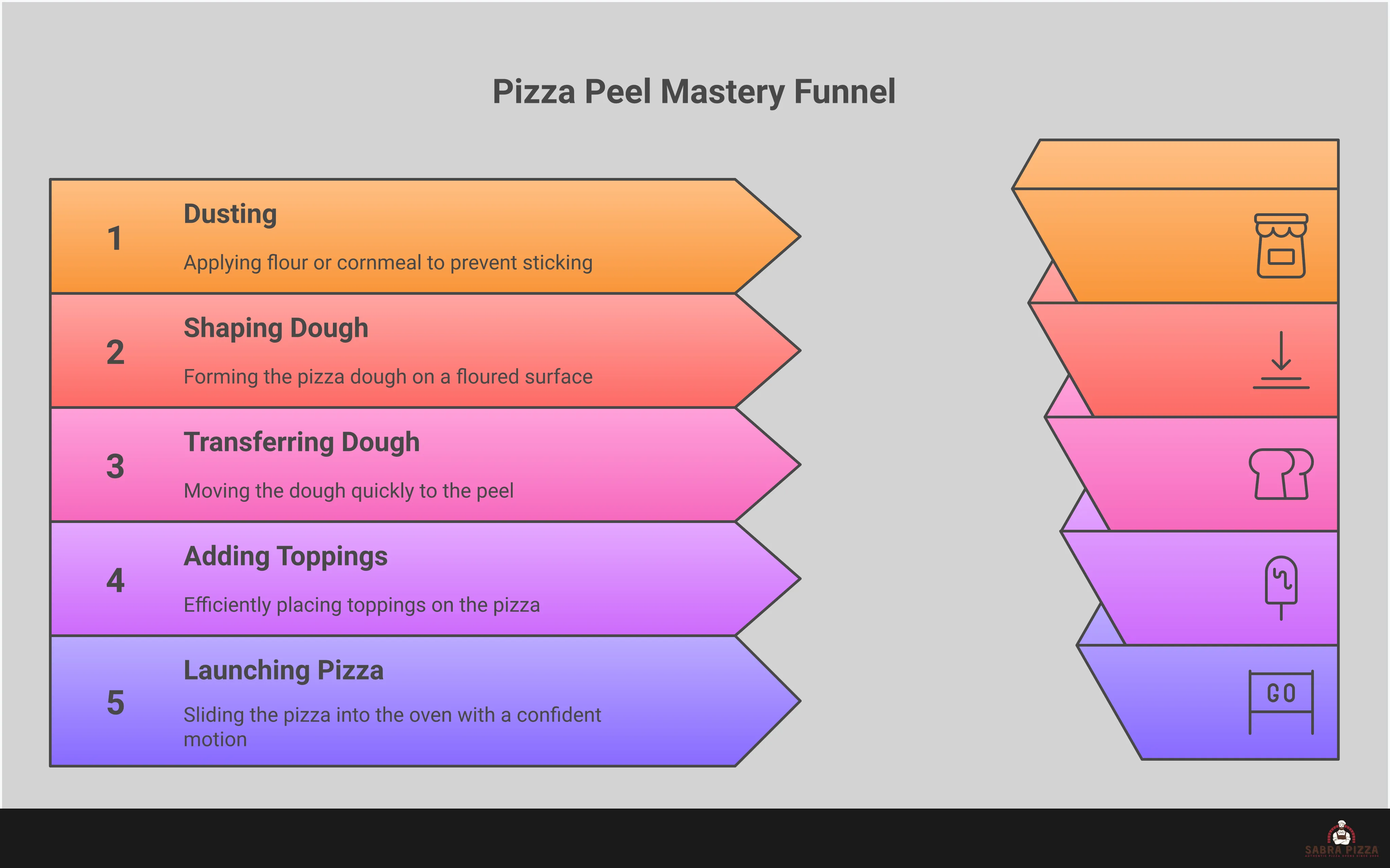
The most common frustration is dough sticking to the peel. This usually happens when a topped pizza sits on the peel for too long, allowing moisture from the sauce to soak through and make the dough tacky. To prevent this, work quickly. Have your oven preheated and all your toppings ready before the dough even touches the peel. A generous dusting of semolina flour or cornmeal on the wood creates a layer of tiny ball bearings that helps the pizza slide right off. When you’re ready to launch, use a confident, quick wrist-flick to slide the pizza onto the hot stone.
Get Your Prep and Timing Right
Great pizza is all about preparation and timing. The moment your dough hits the peel, the clock is ticking. Before you even think about stretching your dough, make sure every single topping is prepped and within arm's reach. This simple step of organizing your workspace ensures you can assemble your pizza in a minute or two, dramatically reducing the chance of it sticking. Your oven should also be fully preheated. Launching a pizza onto a screaming-hot stone not only prevents sticking but is also the secret to getting that perfect, crispy crust. Don't rush the preheat—it's worth the wait.
How to Handle Your Peel Without Damaging the Pizza
How you physically handle the peel makes a huge difference. First, use the long handle to maintain a safe distance from the oven's intense heat. When launching, get the tip of the peel close to the back of your pizza stone. Lower the handle slightly to create a gentle slope and use a quick, forward-and-back shuffling motion to slide the pizza off. To retrieve it, slide the peel underneath in one smooth, confident motion. Avoid the temptation to use your wooden peel for turning the pizza mid-bake; a smaller, round metal turning peel is the right tool for that job and prevents accidental damage to your pizza.
How to Care for Your Wooden Pizza Peel
Your wooden pizza peel is a key player in your pizza-making setup, and with a little attention, it will last for years. Just like any quality kitchen tool, proper care is essential to keep it in top shape. Taking a few minutes to clean, condition, and store your peel correctly will prevent warping, cracking, and staining, ensuring it’s always ready for your next pizza night.
Simple Daily Cleaning Tips
After you’ve slid that perfect pizza into the oven, cleaning your peel is your next step. The most important rule is to always hand wash it. Never, ever put your wooden peel in the dishwasher. The intense heat and harsh detergents will strip the wood of its natural oils, causing it to dry out, warp, or even crack. Instead, simply use a soft sponge with warm water and a mild dish soap to gently scrub away any leftover flour or cheese. If you have some stubborn, stuck-on bits, a plastic scraper can help lift them without gouging the wood. Once it’s clean, dry it immediately and thoroughly with a towel. Don’t let it air dry, as sitting water can damage the wood.
How to Season and Condition Your Peel
Think of conditioning your peel like seasoning a cast-iron pan—it’s a simple step that makes a world of difference. The best peels are made from strong hardwoods that are built to last, but they still need some care to stay hydrated and protected. Seasoning creates a protective barrier that repels water and prevents dough from sticking. About once a month, or whenever the wood looks dry, apply a thin layer of food-safe mineral oil. Just pour a small amount onto a clean, soft cloth and rub it evenly over the entire surface of the peel, including the handle and edges. Let the oil soak in for a few hours or overnight, then wipe off any excess with another clean cloth. This simple routine will keep your peel looking rich and new.
Store It Right to Make It Last
How you store your peel is just as important as how you clean it. After washing and thoroughly drying it, you need to store it in a place with good air circulation. The best way to do this is to hang it up. Most peels come with a hole in the handle for this very reason. Hanging your peel allows air to flow freely around all sides, preventing any trapped moisture that could lead to warping or mold. If you don’t have a place to hang it, you can store it upright, leaning against a wall in a dry pantry or cabinet. Just avoid laying it flat, especially in a damp or enclosed space. Proper storage keeps your peel straight, clean, and ready for action.
Related Articles
- Best Pizza Peels Guide | Material Comparison & Reviews
- 7 Best Wooden Pizza Peels for Flawless Pizza
- 5 Best Wooden Pizza Peel 16 Inch Picks for 2025
- Pizza Peel Wood: How to Choose, Use & Care
Frequently Asked Questions
Why should I use a wooden peel for launching my pizza instead of a metal one? Think of wood as the perfect surface for raw dough. Its slightly porous texture, combined with a light dusting of flour, creates a naturally non-stick layer that helps your pizza slide off smoothly. Metal peels can sometimes cause condensation to form under the dough, which is a recipe for a sticky situation. While a wooden peel is the champion for launching, a thin metal peel is often better for turning and retrieving the cooked pizza.
My pizza always sticks to the peel! What am I doing wrong? This is the most common frustration, and it almost always comes down to one thing: time. The longer your topped pizza sits on the peel, the more moisture soaks into the wood and makes the dough stick. The secret is to work quickly. Have all your toppings prepped and ready to go before you even place the dough on the peel. A generous dusting of semolina flour also acts like tiny ball bearings, helping the pizza glide right into the oven.
Can I use my long-handled wooden peel to turn the pizza while it's cooking? It's best to use a different tool for that job. A wooden launching peel is typically too thick and wide to easily slip under a cooking pizza without messing it up. For turning, you'll want a smaller, round metal peel. It’s designed to be nimble, allowing you to quickly rotate the pizza for an even bake without dragging toppings or tearing the crust. Keep your wooden peel for launching and retrieving only.
How do I know what handle length is right for my specific oven? The goal is to be able to reach the very back of your oven's cooking surface without having to lean your arms or face into the heat. A good rule of thumb is to measure the depth of your oven and choose a peel with a handle that gives you comfortable reach. For most standard backyard pizza ovens, a handle that gives you a total length of 36 to 48 inches is a great starting point.
How often do I really need to oil my wooden peel? You don't need to overdo it, but regular conditioning will make your peel last a lifetime. A good schedule is to apply a thin coat of food-safe mineral oil about once a month, or simply whenever the wood starts to look a little dry or faded. This simple step keeps the wood hydrated, prevents it from cracking, and helps create a more seasoned, non-stick surface over time.