

Let's get straight to the heart of the matter: flavor. For many culinary purists, the conversation begins and ends with the subtle, smoky taste that only a real wood fire can impart. They’ll tell you it’s the secret to an authentic, restaurant-quality pizza. But proponents of gas ovens argue that modern engineering delivers such intense, consistent heat that any difference in taste is negligible, especially when you factor in the incredible convenience. This is the central debate when considering a wood fired vs gas pizza oven for home. Does the fuel source truly change the final product? We’ll dive into the taste, texture, and cooking performance of each to help you decide where you stand in this delicious showdown.
Key Takeaways
- Prioritize the Process or the Party: A wood-fired oven is for the culinary enthusiast who loves the hands-on ritual of building a fire and chasing authentic flavor. A gas oven is for the host who values speed, simplicity, and getting great pizza on the table with minimal fuss.
- Flavor vs. Consistency: While both ovens make incredible pizza, they excel in different areas. Wood fires produce an unmatched smoky flavor and crisp crust but require active management. Gas ovens offer precise temperature control, ensuring perfectly repeatable results every time you cook.
- Match the Oven to Your Life: The best oven is the one you'll actually use. Factor in practical details like your backyard size, local burn regulations, and the time you're willing to commit to preheating and cleanup before making your final decision.
Wood vs. Gas: What's the Real Difference?
Choosing between a wood-fired and a gas-powered pizza oven is a big decision on your journey to backyard pizza perfection. There's no single "right" answer—it comes down to what you value most. Are you chasing the authentic, rustic experience of a traditional pizzeria, or do you prioritize speed and push-button simplicity? Both styles can produce incredible, restaurant-quality pizza. Let's break down the key differences so you can find the perfect fit for your cooking style.
Fueling Your Fire
The most obvious difference is the fuel. A wood-fired oven is for the purist who believes the experience is just as important as the final product. Using hardwoods like oak or hickory infuses your pizza with a subtle, smoky flavor you can't replicate with gas. It’s an authentic, hands-on process connecting you to a centuries-old cooking tradition. In contrast, a gas oven offers incredible convenience. It’s a practical choice for making pizza without planning ahead, or if you live where wood burning is restricted. You get the high heat you need without sourcing or storing firewood.
How You Control the Heat
This is where the user experience really diverges. A gas oven gives you precise temperature control at your fingertips. Just turn a knob to set and maintain your desired heat, making the learning curve much gentler for beginners. You can trust your oven will stay consistent throughout the cook. Managing the heat in a wood-fired oven is more of an art form. You’ll learn to build and tend the fire to heat the oven floor and dome evenly. While it takes practice, mastering the flame is a deeply rewarding skill. A wood fire also creates a unique cooking environment, with hot coals on the floor providing intense, direct heat to the crust.
Getting Your Oven Set Up
How quickly do you want to go from craving pizza to eating it? A gas oven is ready for action in as little as 20 to 30 minutes, making it perfect for spontaneous weeknight pizza parties. You can decide you want pizza and be cooking in no time. A wood-fired oven requires more patience. The process of building a fire and letting the oven come to temperature—allowing the heat to fully saturate the dome and floor—can take an hour or more. For many, this ritual is a cherished part of the experience, a chance to slow down and enjoy the process.
Cooking Performance: A Head-to-Head Comparison
Beyond the fuel source, the real question is: how do these ovens actually cook? This is where the differences truly come to life. Both wood and gas ovens can produce spectacular, restaurant-quality pizza right in your backyard, but the path to that perfect pie looks a little different for each. The performance of your oven impacts everything from how quickly you can get dinner on the table to the final texture of your crust.
Let's break down how they stack up in three key areas: the time it takes to get hot, how fast they cook your pizza, and how easy it is to maintain that perfect cooking temperature. Understanding these performance aspects will help you decide which cooking style best fits your personality and your pizza-making goals. Whether you crave speed and consistency or the hands-on art of fire management, there’s an oven that’s right for you.
Heating Up: Speed and Power
When you’re ready to make pizza, the first step is getting your oven to the right temperature. This is where you'll notice the most immediate difference. A gas pizza oven offers incredible convenience, heating up quickly with the simple push of a button and turn of a dial. You can be ready to cook in as little as 20-30 minutes, making it perfect for a spontaneous weeknight pizza party.
A wood-fired oven, on the other hand, requires more preparation. Building and tending to the fire to properly heat the oven dome and floor can take an hour or more. While it takes longer, this process allows a wood oven to potentially reach even hotter floor temperatures, which is a key factor for achieving an authentic Neapolitan-style pizza.
How Fast Can You Cook?
Once your oven is fully preheated, both types cook pizza with incredible speed. We’re talking 60 to 90 seconds for a perfectly cooked pie. The real difference lies in the character of the final product. Many pizza aficionados argue that a wood-fired pizza has a superior texture. The intense, dry heat from the wood fire creates a wonderfully crisp crust with beautiful air bubbles and those coveted charred spots known as "leoparding."
This intense heat also imparts a subtle, roasted flavor that you just can't replicate with gas. If your goal is to master the classic, rustic pizza with a distinct texture and taste, an Alfa Forni wood oven provides the authentic cooking environment to make it happen.
Keeping a Steady Temperature
Consistency is key to making great pizza, especially when you're cooking for a crowd. Gas ovens make it incredibly easy to control the cooking temperature. You set the flame with a knob, and the oven maintains that heat, allowing you to churn out perfectly cooked pizzas one after another with predictable results. This reliability removes a lot of the guesswork, which is a huge plus for beginners.
Managing the temperature in a wood oven is more of an art form. It requires your attention to add logs at the right time to maintain the heat. If the fire gets too hot, it takes a while for the oven to cool down. For those who want the flavor of wood with the control of gas, hybrid pizza ovens offer a fantastic solution.
The Taste Test: Flavor and Texture Showdown
This is where the debate gets heated—pun intended. For many pizza lovers, the choice between wood and gas comes down to one thing: the final product. Does the fuel source truly impact the flavor and texture of your pizza? The answer is a little more complex than a simple yes or no, and it often depends on who you ask.
Some swear they can tell the difference in a blind taste test, while others argue that a great oven is a great oven, regardless of what’s fueling the flame. Let's break down the key arguments in the great flavor debate to help you figure out where you stand. We'll look at the signature smokiness of wood, the quest for the perfect crust, and some common myths that might surprise you.
That Classic Smoky Flavor
The most romantic notion about a wood-fired oven is that it imparts a distinct, smoky flavor you just can't get from gas. Many pizza purists will tell you that the type of wood you use—like oak, maple, or hickory—subtly infuses the pizza with aromatic compounds, creating a more complex and rustic taste. They argue this unique flavor is the hallmark of an authentic, traditionally made pizza.
However, there's a spirited debate here. Some experts suggest the "smoky" taste isn't from the smoke at all, but rather from the charring, or "leopard spotting," that occurs when the dough hits the oven's intense heat. The argument is that the pizza cooks so quickly that the smoke doesn't have time to penetrate the dough. Whether it's true smoke flavor or just perfect char, there's no denying that pizzas from a wood-fired oven have a signature taste that many find irresistible.
Achieving the Perfect Crust
Beyond flavor, the texture of the crust is where you’ll notice a real difference. Wood-fired ovens are famous for their ability to produce a crust that’s perfectly crisp on the outside while remaining tender and airy on the inside. This is thanks to the intense, dry heat that wood fires generate, which can easily reach over 900°F. This extreme temperature cooks the pizza in as little as 90 seconds.
This rapid cooking process causes the water in the dough to vaporize quickly, creating large, beautiful air pockets (the "cornicione") and a delightful chew. While modern gas pizza ovens are engineered to reach similar temperatures, some chefs find that the radiant heat from a live wood flame gives the crust a unique crispness and a slightly roasted flavor that’s hard to replicate.
Busting Common Flavor Myths
So, is the flavor difference a dealbreaker? Not necessarily. A common belief among many home pizza makers is that with a high-quality oven, the flavor gap between wood and gas is actually quite small. The final taste of your pizza has more to do with your dough recipe, the quality of your ingredients, and your technique than the fuel source alone.
Ultimately, the choice often comes down to the experience you prefer. If you love the hands-on process of managing a fire and are chasing that subtle char and crispness, a wood oven is a fantastic choice. If your priority is consistency and ease of use, a gas oven will still produce an incredible, restaurant-quality pizza without any noticeable sacrifice in flavor for most palates. For those who can't decide, hybrid ovens offer the best of both worlds.
The Case for Wood-Fired Ovens
If you're a culinary purist who believes the process is just as important as the final product, a wood-fired oven might be calling your name. There’s a certain romance to building a fire and cooking with live flames that you just can’t replicate with gas. It’s an immersive, hands-on experience that connects you to a timeless way of cooking. For those who want the most authentic pizza possible, the extra effort is always worth it. A
Why You'll Love a Wood-Fired Oven
There's a reason top pizzerias stick with wood. It’s all about that authentic, smoky flavor and the incredible heat. Wood-fired ovens can reach scorching temperatures over 900°F, which is the secret to cooking a perfect Neapolitan-style pizza in 90 seconds or less. This intense, dry heat creates a crispy, leopard-spotted crust while keeping the inside tender and airy. The smoke from the burning wood circulates inside the dome, infusing the pizza with a subtle, rustic flavor that you just can't get from a gas flame.
What to Know Before You Buy
Let’s be real: cooking with wood is a labor of love. Unlike a gas oven that’s ready in minutes, a wood-fired oven requires more prep time. You’ll need to build and tend to a fire, allowing the oven’s dome and floor to absorb the heat fully, which can take an hour or more. After the party’s over, there’s also the cleanup to consider. You’ll be dealing with ash and soot, which requires a bit more effort than simply wiping down a gas burner. Think of it as part of the ritual—the satisfying work that leads to an incredible reward.
Mastering the Flames
Managing a live fire is a skill, but it’s one that’s incredibly rewarding to learn. You’ll need to maintain the fire by adding logs periodically to keep a consistent temperature. This hands-on approach gives you complete control over your cooking environment. The burning embers and coals directly heat the oven floor, creating the perfect surface for searing the bottom of your pizza crust. Learning to read the flames, understand your hot spots, and rotate your pizza for an even cook is all part of the fun. It’s an active style of cooking that keeps you engaged and makes you feel like a true pizzaiolo.
The Case for Gas Ovens
If you dream of making incredible pizza at home but feel intimidated by the thought of managing a live fire, a gas oven might be your perfect match. Gas-powered pizza ovens are all about combining convenience with high performance, giving you that perfect Neapolitan-style pizza with the simple turn of a knob. They remove the learning curve of fire management, letting you focus on what really matters: crafting delicious food for the people you love. Think of it as the modern approach to an ancient cooking method, designed for today’s lifestyle without sacrificing the quality you expect from a premium outdoor oven.
The Perks of Cooking with Gas
The biggest advantage of cooking with gas is, without a doubt, control. Gas ovens heat up quickly and make it incredibly simple to maintain a consistent temperature. If you find the oven is running a little too hot, you can just turn the dial down for an instant adjustment—a luxury you don't have with a wood fire that takes a long time to cool. This precision makes the cooking process much more predictable. Plus, the cleanup is a breeze. With no wood, there’s no ash or soot to scoop out. You just turn the oven off, let it cool, and give it a quick wipe-down. It’s that simple.
A Few Things to Consider
While gas ovens are fantastic for their ease of use, it's helpful to know how they cook differently from wood-fired models. The flame in a gas oven heats the dome and air inside quickly, but the oven floor tends to heat up a bit slower and doesn't retain heat as long as a floor covered in hot coals. This isn't a drawback, just a different style of heat management. In fact, this consistent, controllable heat makes gas ovens incredibly versatile. Their stable temperatures are ideal for baking other dishes that require precision, like casseroles, roasted vegetables, or even desserts, turning your pizza oven into a true outdoor kitchen.
The Beauty of Push-Button Pizza
Imagine deciding you want pizza for dinner and being ready to cook in under 30 minutes. That’s the reality with a gas oven. The push-button start and simple controls make it the ultimate tool for convenience, especially when you’re entertaining a crowd or just want a quick weeknight meal. If you’re worried about missing out on that classic smoky flavor, you don’t have to. Many pizza lovers get the best of both worlds with hybrid models. These ovens run primarily on gas for consistent heat and ease, but allow you to add a little wood purely for that authentic, smoky aroma and taste.
Let's Talk Cleanup: Wood vs. Gas Maintenance
After the party is over and the last slice has been enjoyed, there’s one final step: cleanup. The type of fuel you choose plays a big role in what your post-pizza routine looks like. While neither option is difficult to manage, their maintenance needs are quite different. Understanding these differences will help you choose an oven that fits not just your cooking style, but your lifestyle, too. Let’s break down what to expect so you can find the perfect match for your backyard setup.
Managing Ash in a Wood Oven
Part of the authentic experience of a wood-fired oven is, well, the wood. And where there’s fire, there’s ash. After your oven cools down completely, you’ll need to clear out the ash and any leftover embers from the cooking floor. This is a straightforward task that involves sweeping the residue into a metal bucket. For a really deep clean, some owners use a special ash vacuum to get every last bit of fine dust. While it’s an extra step compared to a gas oven, many purists find this ritual to be a satisfying part of the hands-on cooking process. A good set of pizza oven cleaning tools makes the job quick and easy.
The Simplicity of Gas Oven Care
If you’re looking for the path of least resistance, a gas oven is your answer. Since there’s no solid fuel, there’s no smoky residue or ash to manage. Cleanup is incredibly simple. Once you’re done cooking, you just turn off the burner. After the oven has had time to cool, you can give the cooking stone a quick brush or wipe to clear away any cheese or toppings that may have fallen. That’s it. This convenience is a major draw for many people, especially those who envision firing up their oven for spontaneous weeknight dinners. The minimal cleanup makes it easy to say yes to homemade pizza any time the craving strikes.
Keeping Your Oven in Top Shape for Years
Beyond the immediate post-cook cleanup, think about long-term care. Because they burn so cleanly, gas pizza ovens generally require less ongoing upkeep. With a wood oven, you’ll want to periodically check the chimney for soot buildup to ensure proper airflow and performance. Regardless of the fuel type, protecting your investment is key. Wiping down the exterior and using a quality, weather-resistant cover will keep your oven looking and performing its best for countless pizza nights to come. A little routine care ensures your oven remains the centerpiece of your outdoor kitchen for years.
Finding the Right Fit for Your Home and Life
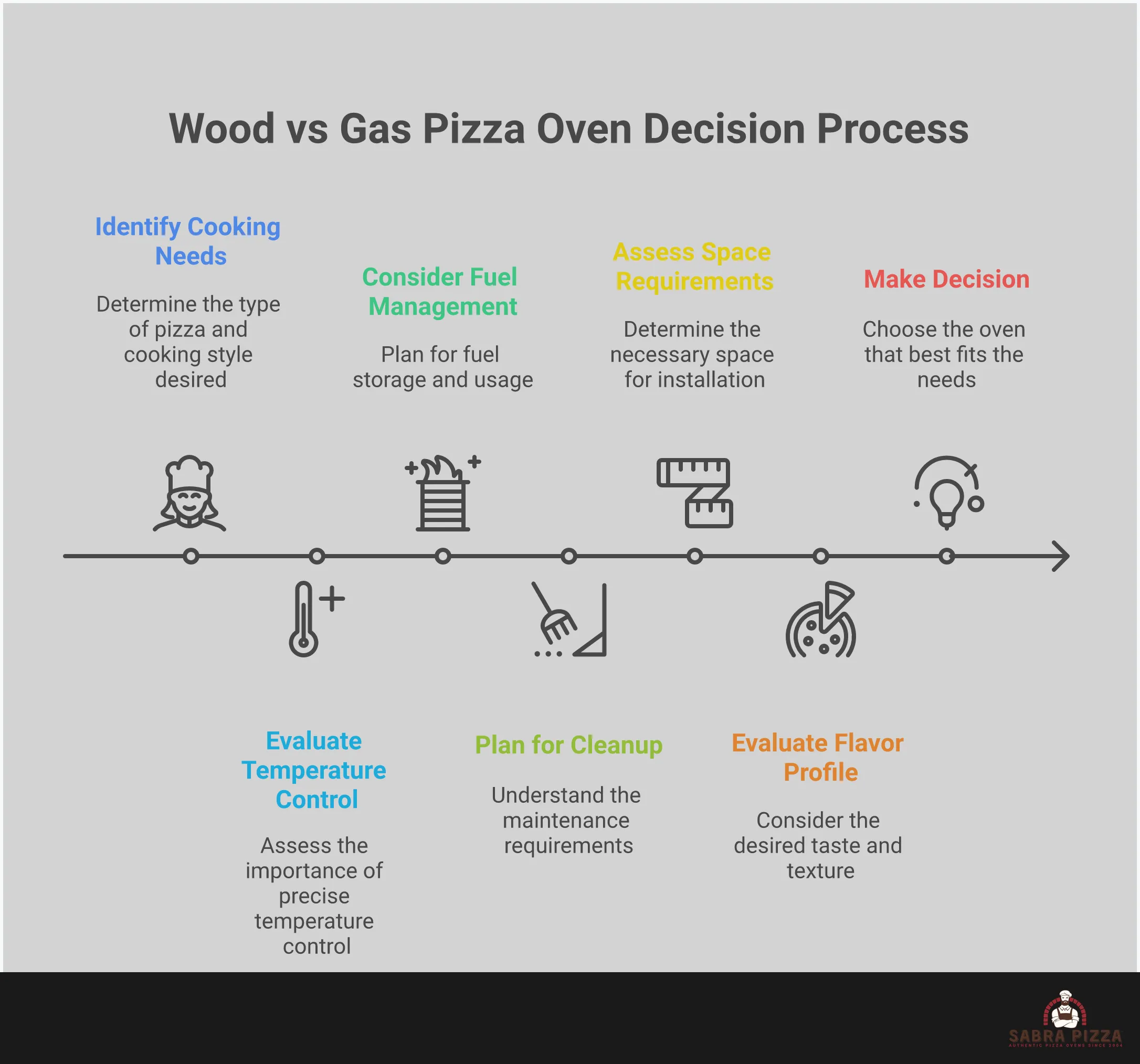
Choosing between a wood-fired and a gas pizza oven goes beyond just flavor and cooking style. It’s about finding the right appliance that fits into your backyard, your schedule, and your life. The best oven for you is the one you’ll actually use and love for years to come. To help you decide, think about your space, how often you plan to fire up the oven, and whether you see yourself making pizza on a whim or as a planned event. Let's break down these key lifestyle factors.
How Much Space Do You Need?
Before you fall in love with an oven, take a look at your outdoor space. Gas ovens tend to be more compact and are often easier to set up, making them a great choice for smaller patios or decks where every square foot counts. A wood-fired oven, on the other hand, requires a bit more real estate. Beyond the oven itself, you’ll need to account for a chimney and a dedicated, dry spot for wood storage. Think about the layout of your entertaining area and how an oven will fit into the flow. You can explore a wide selection of ovens to see how different models and sizes might work in your yard.
How Often Will You Be Making Pizza?
Be honest with yourself: are you a spontaneous cook or someone who loves a ritual? If you dream of weeknight pizza parties and want an oven that’s ready to go with minimal fuss, a gas oven is likely your best friend. The convenience, quick preheating, and easy cleanup make it perfect for frequent use. However, if you cherish the process of cooking—the art of building a fire, the aroma of burning wood, and the hands-on experience—then a wood-fired oven will be incredibly rewarding. It turns pizza making into a special event rather than just a meal, which is an experience many culinary enthusiasts truly value.
Cooking Through the Seasons
Your local climate and desire for year-round pizza can also point you toward the right oven. Gas ovens give you precise and consistent temperature control with the turn of a knob. This is a huge advantage when you’re dealing with wind, rain, or a sudden drop in temperature. If a wood-fired oven gets too hot on a breezy day, it takes a while to cool down. A gas oven’s reliability makes it easier to cook for a crowd or brave less-than-perfect weather. It ensures you can make amazing pizza any time the craving strikes, not just on calm, sunny afternoons.
Fuel Costs and Convenience: What to Expect
Beyond flavor and cooking style, the fuel you choose has a real-world impact on your time, budget, and even your neighborhood. A pizza oven should fit into your life, not complicate it, so it’s smart to think through the day-to-day realities of keeping it fired up. Are you someone who enjoys the ritual of building and tending a fire, or do you want to get cooking with the simple turn of a knob? The convenience factor is a major consideration.
Let's break down what you can expect in terms of cost and effort for both wood and gas. We'll cover everything from finding and storing your fuel to local regulations that might influence your decision. This isn't just about the initial purchase price; it's about the ongoing commitment and how each fuel type aligns with your lifestyle and where you live. Understanding these practical differences will help you choose an oven that brings you joy for years to come, without any unexpected headaches.
Sourcing and Storing Wood
Opting for a wood-fired oven means you’ll need a steady supply of quality hardwood. This involves more than just grabbing a few logs. You'll want to find well-seasoned, dense woods like oak, hickory, or maple, as they burn hotter and cleaner. Depending on where you live, sourcing this wood can be an ongoing expense and effort. You’ll also need a dedicated, dry place to store it, keeping it safe from rain and pests. The hands-on process of managing a wood fire is part of the authentic experience, but it’s a commitment. You’ll be tending the fire before, during, and after you cook, which is a rewarding ritual for many pizza makers.
The Cost and Ease of Gas
If convenience is your top priority, a gas oven is hard to beat. There’s no wood to source or store—you simply connect a propane tank or hook up to your home's natural gas line. Gas ovens heat up quickly, allowing you to start cooking much sooner and with minimal prep. This "push-button" simplicity means you're more likely to fire up your oven for a spontaneous weeknight pizza party. While you’ll have the recurring cost of refilling propane tanks or your monthly natural gas bill, many find it’s a small price to pay for the incredible ease of use. The straightforward operation of gas pizza ovens makes them an amazing entry point into the world of high-temperature cooking.
Thinking About Your Footprint
Your choice of fuel can also be influenced by your local environment. Some communities have burn bans or restrictions on wood-burning appliances, especially during dry seasons, to reduce air pollution and fire risk. If you live in an area with these rules, a gas oven ensures you can still make incredible pizza anytime you want. It’s always a good idea to check local regulations before investing in a wood-fired oven. From a sustainability perspective, you can seek out responsibly harvested firewood, while gas offers a more controlled, consistent burn with fewer emissions. It’s all about finding the balance that works for your home and your values.
Making Your Final Decision
Choosing between a wood-fired and a gas pizza oven comes down to what you value most in your cooking experience. There’s no single right answer, only the one that fits your lifestyle, your space, and your pizza-making dreams. Think about how you plan to use your oven. Are you picturing slow, relaxing weekends spent tending a fire and perfecting an ancient craft? Or do you see yourself firing up the oven for a spontaneous weeknight pizza party with friends and family?
Both paths lead to incredible, restaurant-quality pizza right in your backyard. The key difference lies in the journey. One is a hands-on, sensory experience that connects you to the tradition of pizza making, while the other offers modern convenience and precision, letting you focus on toppings and company. To help you find your perfect match, let’s look at the final decision through a few different lenses. Consider which of these profiles sounds most like you.
If You're a Pizza Purist
For you, making pizza is about more than just a meal; it’s an art form. You’re after that authentic, smoky flavor and the leopard-spotted char that only a real wood fire can provide. You believe the experience of managing the flames is part of the magic. If you dream of making pizza that adheres to the highest standards, it’s worth noting that a true Vera Pizza Napoletana (VPN) certification requires the use of a wood-fired oven. For the purist, there is no substitute for the classic method. It’s the most authentic way to cook, delivering a taste and texture that is simply unmatched.
If You Value Simplicity and Speed
You want delicious, high-quality pizza without a steep learning curve or a long wait. Your ideal pizza night is more about enjoying the food and less about managing the fire. A gas oven is your best friend. With the turn of a knob, you get consistent, controllable heat that gets your oven ready for cooking in a fraction of the time. This means you can decide you want pizza and be eating it in under an hour. The ease of use and predictable results make gas-powered ovens perfect for busy families, frequent entertainers, and anyone who wants amazing pizza with push-button simplicity.
Breaking Down the Investment
Your investment isn't just the price tag—it's also your time and energy. A wood-fired oven asks for more of your attention. You’ll spend time sourcing wood, tending the fire, and cleaning out the ash. For many, this effort is a rewarding part of the process. A gas oven, on the other hand, requires significantly less monitoring and upkeep. It’s a more hands-off investment that frees you up to do other things. Gas ovens are also incredibly versatile, easily holding lower temperatures for baking bread or roasting vegetables, making them a true multi-purpose addition to your outdoor kitchen.
Why We Stand By Alfa Forni for Both Styles
After weighing all the pros and cons, you might find yourself leaning one way or the other. But here’s a crucial piece of the puzzle: the brand of the oven matters just as much as the fuel type. At Sabra Pizza, we’ve seen them all, and we consistently recommend Alfa Forni ovens because they masterfully deliver on the promise of both wood-fired and gas-powered cooking. They don’t just make two different types of ovens; they make exceptional ovens, period. This commitment to quality, performance, and Italian craftsmanship is why we’re proud to be the country's #1 retailer for their products.
Alfa Forni's Wood-Fired Masterpieces
If you’re dreaming of that authentic, smoky pizza flavor, Alfa Forni’s wood-fired ovens are in a league of their own. They are true masterpieces of design, engineered to replicate the intense cooking environment of a traditional Neapolitan pizzeria right in your backyard. These ovens are celebrated for their ability to reach scorching temperatures of 750°F, which is the secret to cooking a perfect, leopard-spotted pizza in just a couple of minutes. More than just a cooking appliance, an Alfa wood-fired oven becomes a durable, high-performing centerpiece for your outdoor gatherings, completely transforming the way you cook and entertain.
The Best of Both Worlds: Gas and Hybrid Models
For those who prioritize convenience but refuse to compromise on quality, Alfa Forni’s gas and hybrid models are a game-changer. They deliver the same professional-grade construction and cooking power you’d expect from the brand, with the simple turn of a knob. Many users find that their gas-powered ovens cook pizzas unlike anything they've used before, achieving incredible results with minimal effort. The hybrid models offer ultimate flexibility, allowing you to fire it up with gas for a quick weeknight dinner or use wood for a more traditional experience on the weekend. It’s truly the best of both worlds, all in one beautifully designed package.
What Makes Alfa Forni Stand Out
So, what’s the secret sauce? Across their entire lineup, Alfa Forni ovens are set apart by their incredible quality and user-friendly design. They are engineered for a surprisingly fast startup time, which makes them far more approachable for home cooks who might be intimidated by the lengthy preheating process of other ovens. This thoughtful engineering, combined with superior materials and insulation, ensures consistent, reliable performance every time you cook. Customer satisfaction is consistently high because these ovens don’t just cook amazing food—they enhance the joy of outdoor living and bring people together.
Related Articles
- Wood vs Gas Pizza Oven: Which is Best for Your Backyard?
- 4 Best Hybrid Gas and Wood Pizza Ovens of 2025
- 5 Best Outdoor Natural Gas Pizza Ovens of 2025
Frequently Asked Questions
Is a gas oven easier for a beginner to use? Yes, a gas oven generally has a gentler learning curve. The ability to control the temperature with a simple knob removes the guesswork of fire management, so you can focus on making great pizza from your very first try. That said, learning to manage a wood fire is a skill that anyone can pick up with a bit of practice, and it's an incredibly rewarding part of the cooking process for many people.
Can I cook things other than pizza in these ovens? Absolutely! Both types of ovens are incredibly versatile and can function as the centerpiece of your outdoor kitchen. The high, consistent heat is perfect for searing steaks, roasting vegetables, and baking crusty bread. Gas ovens are particularly great for dishes that require precise temperature control, while a wood fire can add an amazing rustic flavor to anything you cook.
Do I have to choose? What's the real benefit of a hybrid oven? A hybrid oven is the perfect solution if you find yourself torn between the two styles. It offers the ultimate flexibility by letting you cook with gas, wood, or both at the same time. This means you can use the gas for a quick and easy weeknight pizza, then add wood on the weekend when you want that authentic, smoky aroma and have more time to enjoy the process. It’s truly a no-compromise option.
Will my pizza taste smoky if I use a gas oven? Many people find that the "smoky" flavor they love is actually the result of the charring, or "leoparding," that happens when the dough cooks at extremely high temperatures. A high-quality gas oven can achieve the same intense heat as a wood oven, creating a beautifully crisp and flavorful crust. While a live wood fire does impart a subtle, rustic aroma, a premium gas oven produces such an incredible pizza that most people would be hard-pressed to tell the difference.
How long does it really take to make a pizza from start to finish in each oven? The biggest time difference is in the preheating. With a gas oven, you can be ready to cook in as little as 20 to 30 minutes. A wood-fired oven requires more patience, as it can take an hour or more to build the fire and let the heat fully saturate the oven. Once preheated, however, both ovens cook a pizza in about 90 seconds. Your choice comes down to whether you prefer speed or enjoy the ritual of the fire.