

A premium pizza oven is more than just an appliance; it’s an investment in your home, your lifestyle, and your passion for great food. As with any significant purchase, understanding the full financial picture is key. The initial price tag is just the beginning. You also have to consider ongoing fuel costs, potential installation needs, and the long-term value each type of oven provides. The dual fuel vs wood fired pizza oven comparison involves weighing the higher upfront cost of a versatile hybrid model against the potentially lower operating costs of a traditional wood-burner. We’ll break down all the numbers to help you make a smart investment that pays off in delicious dividends for years to come.
Key Takeaways
- Dual fuel ovens provide ultimate flexibility: You get the on-demand convenience of gas for quick meals and the option to use wood for that classic, smoky flavor when you have more time.
- Wood-fired ovens are for the flavor purist: They require more hands-on effort to manage the fire and clean up, but reward you with an unmatched authentic taste and cooking experience.
- Gas offers speed and simplicity: Whether in a dual fuel or gas-only model, using gas means faster preheating, precise temperature control, and minimal cleanup with no ash to manage.
Dual Fuel vs. Wood-Fired: What's the Difference?
Choosing a pizza oven often comes down to one big question: should you go with the convenience of gas or the authentic flavor of wood? It’s the classic debate for anyone serious about making incredible pizza at home. A dual fuel oven offers a modern solution, while a traditional wood-fired oven holds a special place in the hearts of pizza purists. Understanding the fundamental differences between these two styles is the first step in finding the perfect oven for your backyard. Let's break down what each type offers so you can decide which one fits your cooking style.
What Is a Dual Fuel Pizza Oven?
Think of a dual fuel pizza oven as the best of both worlds. These versatile ovens give you the flexibility to cook with either gas or wood, combining traditional Italian cooking methods with modern convenience. On a busy weeknight, you can fire it up with gas for a quick, perfectly cooked pizza with minimal effort. When you have more time on the weekend and want to impress your guests, you can use wood to achieve that classic, smoky flavor. This adaptability makes dual fuel pizza ovens an excellent choice for home chefs who want options without compromising on quality or performance.
What Is a Wood-Fired Pizza Oven?
A wood-fired oven is the gold standard for anyone chasing the most authentic pizza flavor. This is the traditional method, using a live wood fire to create intense, radiant heat that cooks pizzas in minutes. The burning wood imparts a subtle, smoky taste and a beautifully charred crust that you simply can't replicate with other methods. While it requires a bit more hands-on effort to build and maintain the fire, the payoff is an unparalleled culinary experience. For pizza purists and those who love the ritual of cooking, the rich flavor from a wood-fired oven is well worth the extra attention.
How They Compare: A Quick Overview
When you compare them side-by-side, the choice comes down to your priorities. Gas-powered cooking, whether in a gas-only or dual fuel oven, offers incredible convenience. It heats up faster, maintains a consistent temperature with the turn of a knob, and is much easier to clean. On the other hand, wood-fired cooking is all about flavor and tradition. It demands more of your time and skill but rewards you with that signature smoky taste. A gas vs. wood pizza oven decision ultimately depends on what you value most: speed and ease, or the authentic experience and flavor. Dual fuel models simply eliminate the need to choose.
Which Oven Heats Up Faster?
When you’re dreaming of that perfect, bubbly pizza, the last thing you want is a long wait. The time it takes for an oven to get screaming hot is a huge factor for many home chefs. Both dual fuel and wood-fired ovens can reach the high temperatures needed for Neapolitan-style pizza, but their journey to get there is quite different. Let's look at how they stack up in the race to heat up, so you can decide which pace fits your cooking style.
Dual Fuel: Fast Heat and Easy Control
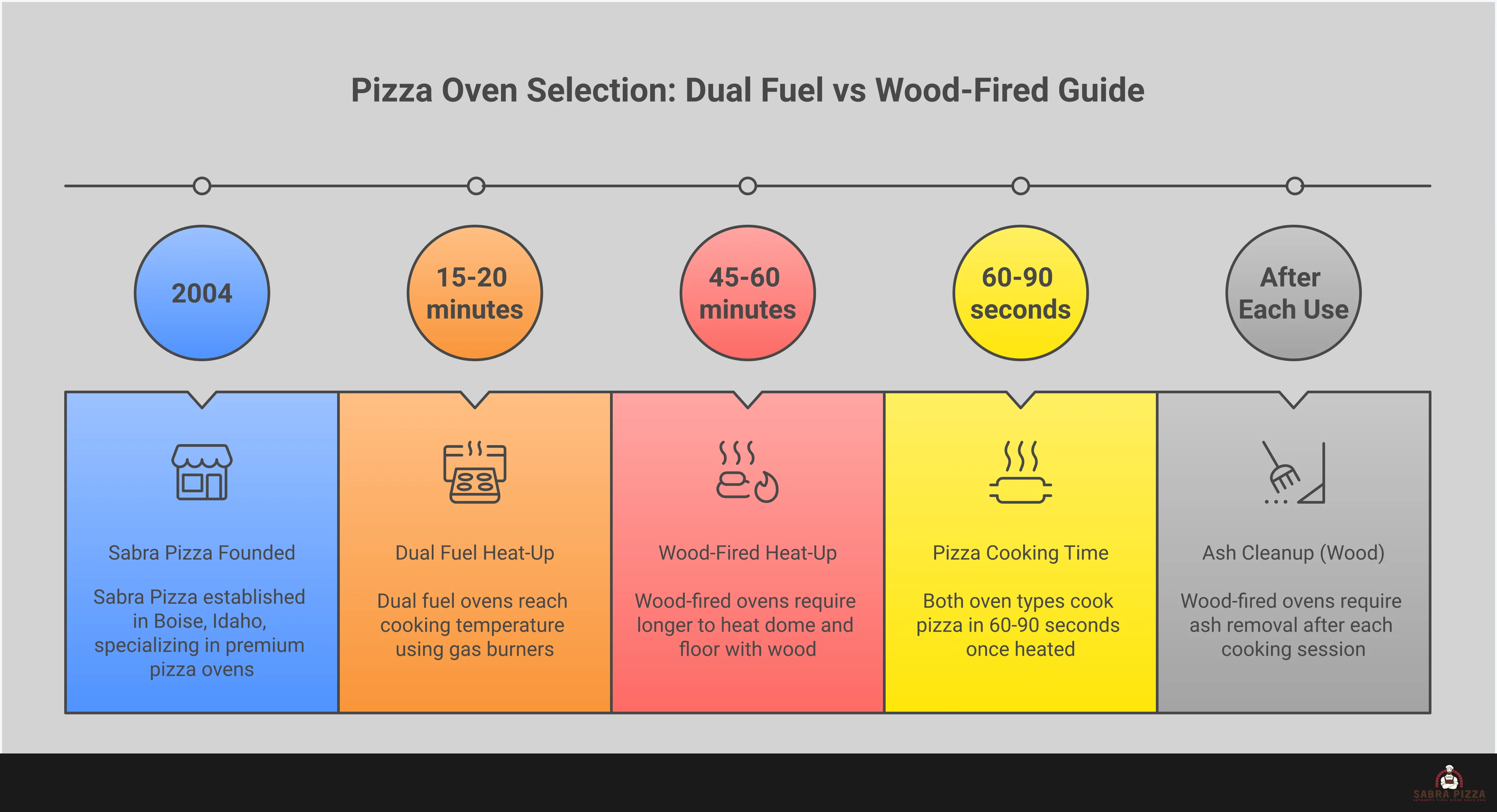
If you value convenience and speed, a dual fuel oven is your best friend. Using the gas function, you can get your oven up to cooking temperature in a fraction of the time it takes to build and manage a wood fire. Think of it like turning on your indoor oven—just a flip of a switch and a turn of a knob. This quick start is perfect for weeknight pizza cravings or when you're hosting and want to spend more time with guests. The gas provides consistent, easily controlled heat, which is a major plus when you’re cooking several pizzas back-to-back and need the oven to stay hot.
Wood-Fired: Authentic Heat and Retention
A wood-fired oven operates on a more traditional timeline. It requires you to build a fire and let the flames heat the oven's dome and floor, a process that can take a bit longer. This isn't a drawback; it's part of the authentic experience. The beauty of a well-built wood-fired oven lies in its incredible heat retention. Once the refractory materials are fully saturated with heat, they hold that temperature for hours. While the preheat is longer, the performance is unmatched. And once it’s hot, it’s fast. A classic wood-fired oven can cook a pizza to perfection in as little as 60 seconds, just like its gas-powered counterpart.
Comparing Temperature and Performance
So, which one is truly faster? For preheating, gas is the clear winner. You’ll be ready to launch your first pizza much sooner with a dual fuel oven running on propane or natural gas. However, when it comes to actual cooking time, both ovens are on equal footing. Once they reach that ideal 900°F temperature, they’ll both turn out a beautifully cooked pizza in about a minute. The choice really comes down to your priorities. Do you want the get-up-and-go convenience of gas, or do you prefer the ritual and smoky flavor that only a wood fire can provide?
Let's Talk Flavor: How Each Oven Affects Your Pizza
This is where the real magic happens. While both dual fuel and wood-fired ovens can bake a phenomenal pizza, the flavor journey is where they diverge. It’s about more than just taste; it’s about the aroma that fills your backyard, the subtle smokiness that clings to the crust, and the unique char that defines a truly great pie. For many, the choice between gas and wood comes down to this very question: what kind of flavor experience are you looking for?
Think of it like choosing between a charcoal grill and a gas grill. Both cook a great burger, but the process and the final flavor profile are distinct. A wood-fired oven offers that classic, rustic essence that many associate with authentic Neapolitan pizza. It’s an interactive, sensory experience. A dual fuel oven, on the other hand, provides unparalleled consistency and control, with the option to introduce wood for a touch of that smoky character whenever you want it. This section will help you understand how each fuel source influences everything from the taste of the crust to the versatility of what you can cook long after the pizzas are done. It's all about matching the oven's personality to your own cooking style.
The Flavor Profile: Gas vs. Wood
Wood-fired ovens are often hailed as the gold standard for authentic pizza, and for good reason. The dry, intense heat generated by burning hardwoods like oak or hickory cooks the pizza in minutes, resulting in a light, airy crust with a subtle, earthy flavor you just can't get from a conventional oven. While the pizza cooks too quickly to absorb a deep smoke flavor, the wood imparts a distinct essence that enhances the overall taste. Gas, by contrast, provides a clean, neutral heat. This allows the flavors of your sauce, cheese, and toppings to take center stage without any influence from the fuel source, which some chefs prefer for its purity and consistency.
Getting the Perfect Char and Smoke
That beautiful, leopard-spotted char on the crust? That’s the signature of a pizza cooked at incredibly high temperatures. Both oven types can achieve this, but wood fire adds another layer to the experience. The live flame rolling across the oven's dome not only cooks the top of the pizza but also imparts a delicate smokiness that infuses the entire pie. It’s an aroma and taste that instantly transports you to a rustic Italian pizzeria. With a dual fuel oven, you get the best of both worlds. You can rely on the gas for consistent, powerful heat—perfect for back-to-back pizzas—while adding a small log to generate that authentic, smoky flavor and perfect char.
Beyond Pizza: What Else Can You Cook?
Your pizza oven is so much more than a one-trick pony. The intense heat is perfect for cooking a wide range of dishes. Think flame-kissed steaks with a perfect sear, roasted vegetables that are tender on the inside and crispy on the outside, or even freshly baked bread with an unbeatable crust. A wood-fired oven truly shines here, as you can use the retained heat long after the fire has died down to slow-cook meats, fish, or even desserts. A dual fuel oven offers more precise temperature control, making it easy to switch from searing a steak at 800°F to baking a delicate focaccia at 400°F with just the turn of a knob.
The Pros and Cons of Dual Fuel Pizza Ovens
If you find yourself stuck between the classic allure of a wood-fired oven and the modern simplicity of gas, you’re not alone. This is where dual fuel, or hybrid, pizza ovens come in. They’re designed to give you the best of both worlds, but like any piece of equipment, they come with their own set of advantages and considerations. Thinking through how you plan to cook will help you decide if this versatile option is the right fit for your backyard setup.
Why You'll Love a Dual Fuel Oven
The biggest draw of a dual fuel oven is its incredible flexibility. These ovens let you choose your fuel source based on your mood and your schedule. You can fire it up with gas for a quick, hassle-free pizza night on a Tuesday, enjoying consistent high heat that’s perfect for cooking multiple pizzas back-to-back. Then, on the weekend, you can switch to wood to get that classic, smoky flavor that makes pizza an event. This adaptability means you never have to compromise. Many modern hybrid pizza ovens are also designed for efficiency, allowing you to use less wood, which is a nice bonus for the environment.
What to Consider Before Buying
While flexibility is a huge plus, it's worth thinking about your primary cooking style. If you're a traditionalist at heart who loves the ritual of building and tending a wood fire, you might find you rarely use the gas function. The core decision often comes down to what you value more: the authentic experience or on-demand convenience. A dual fuel oven is a fantastic all-rounder, but if you know you'll almost always opt for the speed of gas, a dedicated gas-powered oven could be a more streamlined choice. Consider how you realistically see yourself using the oven week to week before making the investment.
The Pros and Cons of Wood-Fired Pizza Ovens
There’s something undeniably romantic about a wood-fired pizza oven. It’s the traditional method, conjuring images of Italian pizzaiolos crafting the perfect pie. This classic approach has some incredible benefits, especially when it comes to flavor, but it also requires a bit more hands-on effort than its gas-powered counterparts. If you're drawn to the authentic experience, it's important to understand both the highlights and the hurdles that come with cooking over a live fire. Let's break down what you can expect.
The Appeal of a Wood-Fired Oven
The number one reason people choose a wood-fired oven is flavor. The burning wood releases a subtle, smoky essence that infuses everything you cook, giving your pizza an authentic taste that gas simply can't replicate. These ovens are also famous for their ability to reach scorching-hot temperatures—often over 900°F. This intense heat is the secret to cooking a perfect Neapolitan pizza in 60 to 90 seconds, creating a crispy, leopard-spotted crust and a perfectly melted top. Beyond the food, the experience of managing a live fire adds a rustic, engaging element to your outdoor cooking that many chefs and home cooks find deeply satisfying.
Potential Drawbacks to Keep in Mind
While the results are spectacular, wood-fired ovens come with a steeper learning curve. It takes practice to build and maintain a fire that holds a consistent temperature, and they require a longer preheating time to get the oven dome and floor properly saturated with heat. Cleanup is also more involved, as you’ll need to regularly clear out ash and soot. You also have to think about your fuel source. You'll need a steady supply of quality, seasoned hardwood, which requires storage space and can be an ongoing expense. Learning to choose the right firewood is a key part of mastering your oven.
Breaking Down the Costs: Dual Fuel vs. Wood-Fired
When you’re investing in a piece of equipment that will become the centerpiece of your backyard, the budget is always part of the conversation. Both dual fuel and wood-fired ovens are incredible additions to any home, but they come with different price considerations, both upfront and over time. Thinking through the initial purchase, fuel costs, and long-term value will help you land on the perfect oven for your cooking style and your wallet.
Upfront Investment and Installation
Let’s start with the initial purchase. Generally, a dual fuel pizza oven will have a higher price tag than a comparable wood-fired model. This is because you’re essentially getting two ovens in one—the engineering and technology required to seamlessly integrate both gas and wood-burning capabilities add to the cost. Think of it as paying for premium flexibility. While a dedicated wood-fired oven is a more straightforward investment, the higher upfront cost of a dual fuel model buys you the convenience and versatility of having both options in one appliance.
Ongoing Fuel and Operating Costs
Once your oven is installed, your main ongoing expense will be fuel. Wood is typically a cheaper fuel source than propane or natural gas, which can make a wood-fired oven less expensive to operate per pizza night. However, the story doesn’t end there. If you opt for a dual fuel oven, you have the choice to use gas for a quick weeknight cook, which can be more economical than using expensive, kiln-dried cooking wood every time. Your actual running costs will depend on local fuel prices and how you plan to use your oven most often.
Which Offers Better Long-Term Value?
Deciding on long-term value is about more than just adding up receipts. It’s about how well the oven fits your life. A dual fuel oven offers incredible value through its sheer adaptability. You’ll never have to choose between the authentic flavor of wood and the push-button convenience of gas. For the home chef who entertains often and values both speed and tradition, this flexibility is priceless. Ultimately, the best long-term value comes from the oven you’ll use and enjoy the most. If you’re a purist who will only ever cook with wood, a dedicated wood-fired oven is a fantastic value. If you want every option at your fingertips, a dual fuel oven is a smart investment.
How Much Maintenance Is Involved?
Let’s be honest—after crafting the perfect pizza, the last thing you want is a complicated cleanup. The amount of maintenance your oven requires is a major factor to consider, and it differs quite a bit between dual fuel and wood-fired models. Your choice of fuel directly impacts how much time you’ll spend on upkeep, so it’s important to know what to expect. Understanding the cleaning routine for each will help you pick an oven that fits seamlessly into your lifestyle.
Caring for a Dual Fuel Oven
If you’re looking for convenience, a dual fuel oven is hard to beat. When you cook with gas, you get all the heat without the mess. There’s no wood to burn down and no ash to sweep up afterward, making post-pizza cleanup incredibly simple. This is one of the biggest advantages of a hybrid model—you get the best of both worlds. You can fire it up with wood when you’re craving that authentic, smoky flavor, or switch to gas on a busy weeknight for a quick, mess-free meal. The reduced soot from gas cooking also helps keep your oven in top condition.
Cleaning a Wood-Fired Oven
A wood-fired oven requires a more hands-on approach to cleaning, but many owners find it to be a satisfying part of the cooking ritual. After the oven has cooled, you’ll need to sweep out the cooking area to clear away the ash. A special ash vacuum can help remove any fine particles left behind. It’s important to remove old wood and ash regularly to ensure your oven heats evenly and performs at its best for your next pizza night. While it takes more work, this process is straightforward and essential for maintaining your outdoor kitchen.
Durability and What to Expect
Both dual fuel and wood-fired ovens are built to last, especially when you invest in a quality brand. The primary difference in your long-term experience will come down to convenience. Gas ovens are much easier to clean, which might encourage you to use your oven more frequently. On the other hand, many pizza purists believe the authentic flavor from a wood-fired oven is the absolute gold standard and well worth the extra cleanup. High-end ovens from manufacturers like Alfa Forni are constructed with premium materials designed to withstand high temperatures, ensuring you’ll be making delicious pizzas for years to come, no matter which fuel source you choose.
Key Features to Compare
When you’re looking at different pizza ovens, the details really matter. Beyond the big picture of fuel type, specific features can completely change your cooking experience. Let's break down four key areas to help you see how these ovens stack up side-by-side. This will give you a clearer picture of which one fits your lifestyle and cooking ambitions.
Fuel Flexibility and Switching
This is the signature feature of a dual fuel oven. You get the freedom to choose your heat source based on your mood or what you're cooking. Want a quick, no-fuss weeknight pizza? Fire up the gas. Craving that authentic, smoky flavor for a weekend gathering? Add some wood. This advantage of dual fuel gives you the best of both worlds, combining modern convenience with the tradition of wood-fired cooking. A wood-fired oven, by contrast, is a specialist—it does one thing, and it does it beautifully.
Precision Temperature Control
If you love consistency and control, a gas or dual fuel oven running on gas is your best friend. Gas provides a steady, even heat that’s simple to manage with the turn of a knob. This makes it incredibly easy to hit and hold the perfect temperature, which is a huge plus for getting consistent results with every pizza. Wood-fired ovens require a bit more skill and attention to manage the fire and maintain a stable temperature. While many purists love this hands-on process, those who prioritize convenience will appreciate the precise control that gas offers.
Ash, Smoke, and Your Environment
Let's talk about cleanup and emissions. Gas ovens burn cleanly, producing virtually no smoke or ash. This means less mess to deal with after cooking and a smaller environmental footprint. It’s a great option if you have close neighbors or live in an area with restrictions on wood smoke. A wood-fired oven, on the other hand, creates that classic pizzeria ambiance with its smoke and crackling fire. That smoke is exactly what gives the pizza its distinctive, delicious flavor. Just be prepared for the cleanup—you’ll need to regularly clear out ash to keep your oven in top shape.
Cooking Speed and Efficiency
When it comes to preheating, gas ovens generally get up to temperature faster. You can be ready to cook in a fraction of the time it takes to get a wood fire roaring and stable. However, once either oven is fully heated, the cooking time for a pizza is incredibly fast—often just 60 to 90 seconds. The main difference lies in the prep time. Gas offers on-demand heat, making it highly efficient for spontaneous pizza nights. Wood requires more planning but rewards you with an authentic cooking experience that many find is well worth the effort.
Which Pizza Oven Is Right for You?
Choosing between a dual fuel and a wood-fired pizza oven comes down to your personal cooking style, how often you plan to use it, and what you value most in the experience. Are you chasing the authentic, smoky flavor of a traditional Neapolitan pizza, or do you prioritize speed, convenience, and versatility for weeknight family dinners? There’s no single right answer, but thinking through your priorities will point you toward the perfect oven for your backyard. Let's break down the key considerations to help you decide which type of oven fits your lifestyle. We'll look at what separates the casual home cook from the dedicated pizza purist, how convenience plays a role in frequent use, and the practical details of your available space and installation needs. By the end, you'll have a much clearer picture of which oven belongs in your outdoor kitchen.
For the Casual Cook vs. the Pizza Purist
Your culinary identity plays a big role here. If you consider yourself a pizza purist, you’re likely drawn to the romance and tradition of a wood-fired oven. For many, wood-fired ovens are the gold standard for achieving that authentic, smoky flavor and leopard-spotted crust that simply can’t be replicated. It’s an immersive, hands-on experience. On the other hand, if you’re a casual cook who loves great pizza but also values flexibility, a dual fuel oven offers the best of both worlds. You can use gas for a quick, no-fuss pizza night and switch to wood when you have more time and want to experiment with flavor.
Convenience for Frequent Use
If you envision firing up your pizza oven multiple times a week, convenience is key. This is where gas and dual fuel ovens truly shine. They heat up much faster than wood-fired models and are incredibly easy to operate—just turn a knob to start the flame and set your temperature. This precise control means you can maintain a steady heat without constantly tending to a fire. Plus, cleanup is a breeze with no ash or soot to deal with. For those who want delicious, homemade pizza without the time commitment, a gas-fired or dual fuel oven is the clear winner for speed and convenience.
Your Space and Installation Needs
Before you make a final decision, consider your outdoor space and budget. Wood-fired ovens can be straightforward to set up, but you’ll need a dedicated, safe spot to store your firewood. Dual fuel ovens, while versatile, often come with a higher price tag. They also have more complex installation requirements, as you’ll likely need professional help to connect both a gas line and an electrical source. It's important to factor these potential installation costs into your overall budget. Make sure to measure your patio or deck space carefully and confirm you can meet the utility needs of a dual fuel model before you buy.
How to Choose Your Perfect Pizza Oven
Making the final call between a dual fuel and a wood-fired pizza oven comes down to what you value most in your cooking experience. Your choice depends on what you care about most: flavor, speed, convenience, or cost. There’s no single right answer, only the one that’s right for you and your backyard setup. By thinking through your cooking style, how often you plan to host, and what kind of results you’re aiming for, you can find the perfect oven to become the centerpiece of your outdoor kitchen. Let's walk through the final steps to help you decide.
Explore Alfa Forni's Top Models
When you’re investing in a premium pizza oven, you want a brand known for quality and performance. We proudly carry Alfa Forni ovens, which are imported directly from Italy and represent the best in the industry. If you want both the convenience of gas and the authentic taste of wood-fired cooking, a dual fuel oven from Alfa is a fantastic choice. They offer incredible hybrid models that give you that flexibility. But if you're a traditionalist at heart, their wood-fired ovens deliver that classic, smoky flavor and incredible heat retention that makes for a truly authentic Neapolitan pizza. Alfa has perfected the engineering for both, so you can’t go wrong.
Match Your Oven to Your Cooking Goals
Think about how you like to cook. Are you someone who wants to fire up the oven on a weeknight for a quick, delicious meal? If so, choose a gas-fired oven if you want speed, convenience, and precise control over the temperature. You can have it ready to go in minutes. On the other hand, if you love the ritual of cooking and believe the flavor is paramount, a wood-fired oven might be your match. Wood-fired ovens give food a special smoky taste that gas ovens simply can't replicate. It’s about creating an experience, not just a meal. Consider what brings you more joy: the process or the quick payoff.
Get Ready to Fire Up Your New Oven
Finally, consider the practical side of owning each type of oven. Gas ovens are more convenient because they heat up faster and are much easier to clean. With the turn of a knob, you have consistent heat and minimal cleanup afterward. In contrast, wood ovens take more time to get ready because you have to build and tend a fire. For many, this is a cherished part of the authentic pizza-making process. For others, it can feel like a chore. Whichever you choose, having the right pizza oven accessories will make every session smoother and more enjoyable from the start.
Related Articles
Frequently Asked Questions
If I get a dual fuel oven, can I use gas and wood at the same time? This is a great question. Most dual fuel ovens are designed to be used with one fuel source at a time. However, a popular technique is to use the gas burner to get the oven up to temperature quickly and then switch to wood for that authentic flavor while you cook. Some models even allow you to keep the gas on a low setting to maintain the floor temperature while a small wood fire provides the flame and smoky essence.
Is a wood-fired oven difficult to learn how to use? There is a learning curve, but it's more of an art than a science, and most people find it incredibly rewarding. The main skill is learning how to build and maintain a fire that provides consistent heat. It takes a few practice runs to understand how your oven behaves and how much wood to add to keep the temperature steady. Once you get the hang of it, the process becomes a satisfying part of the cooking experience.
Will my pizza taste smoky if I use a wood-fired oven? Your pizza won't taste like it came from a smoker, but it will have a distinct, subtle flavor that you can't get any other way. Because the pizza cooks so quickly at high temperatures, it doesn't have time to absorb a heavy smoke flavor. Instead, the burning wood imparts a delicate, rustic essence and a wonderful aroma that enhances the taste of the crust and toppings.
Which oven is better for cooking things other than pizza? Both ovens are incredibly versatile for cooking everything from steaks and roasted vegetables to bread and desserts. A dual fuel oven gives you more precise temperature control with its gas function, which is helpful for baking or roasting dishes that require a specific, steady heat. A wood-fired oven excels at using retained heat; after the fire dies down, the hot oven is perfect for slow-cooking or baking bread for hours.
If I know I'll mostly use gas, is a dual fuel oven still a good investment? It absolutely can be. Think of it as having options for the future. While you might lean on the convenience of gas for most weeknight meals, you'll always have the ability to cook with wood for special occasions or when you're feeling more adventurous. This flexibility ensures your oven can adapt to your needs and prevents you from ever wishing you had the option for that authentic, wood-fired flavor.