

Let's clear up a few things about owning a wood fired pizza oven. Many people think they are complicated to use or are only good for making thin-crust pizza. That couldn't be further from the truth. Modern ovens are engineered for efficiency and ease of use, and their versatility is one of their greatest strengths. From searing steaks and roasting a whole chicken to baking artisan bread, these ovens can handle nearly any culinary task you throw at them. This guide will bust the common myths and show you just how accessible and rewarding wood-fired cooking can be for any passionate home chef.
Key Takeaways
- Choose Wood for Authentic Flavor and a Perfect Crust: The unique smoky essence from burning hardwoods and the intense, dry heat are what create that classic pizzeria taste and perfectly spotted crust—something a gas oven can't match.
- Think Beyond Pizza: A wood-fired oven is a powerful outdoor cooking tool capable of much more than pizza. Use its consistent, retained heat to bake crusty bread, roast meats and vegetables, or sear steaks to perfection.
- Prioritize Quality Materials and Simple Maintenance: Look for ovens made with high-grade stainless steel and excellent insulation for long-term performance. A simple routine of cleaning out ash and using the right hardwood will protect your investment and ensure great results every time.
Why Choose a Wood-Fired Pizza Oven?
If you're dreaming of creating truly memorable food and experiences right in your backyard, a wood-fired oven is an incredible choice. It’s more than just an appliance; it’s a return to a traditional way of cooking that brings people together. The crackle of the fire, the aroma of burning wood, and the intense, radiant heat all work together to produce food with unparalleled flavor and texture. While gas ovens offer convenience, a
Get That Authentic, Smoky Flavor
There's a reason so many pizzerias and high-end restaurants stick with wood-fired ovens: the flavor is impossible to replicate. The burning wood releases a subtle, smoky essence that infuses everything you cook, giving your pizza that authentic, rustic taste you’d find in a traditional Italian trattoria. This isn't an artificial "smoke" flavor; it's a complex, aromatic quality that comes from the specific type of hardwood you use. Different woods, like oak, hickory, or maple, can add their own unique character to your dishes. This connection between the fire and the food is what makes every meal an event. You’re not just cooking; you’re creating a sensory experience that begins the moment you light the fire.
Reach Blazing-Hot Temperatures for the Perfect Crust
The secret to a perfect Neapolitan-style pizza with a crisp, airy crust and a tender center is intense heat. Wood-fired ovens are engineered to deliver just that. A quality oven, like one from Alfa Forni™, can reach scorching temperatures of over 900°F in as little as 25 minutes. This extreme heat cooks a pizza in about 60 to 90 seconds. The high temperature instantly sears the bottom of the crust while the dome's radiant heat cooks the toppings perfectly, locking in moisture and flavor. This rapid cooking process is what creates that signature leopard-spotting and puffy cornicione (the edge of the crust) that pizza aficionados crave.
Cook More Than Just Pizza
One of the biggest misconceptions about wood-fired ovens is that they're only for pizza. While they certainly make incredible pies, thinking of them as a one-trick pony is incredibly limiting. Your wood-fired oven is essentially a versatile outdoor convection oven that can handle a huge range of culinary tasks. You can bake artisan bread with a perfect crust, roast a whole chicken to juicy perfection, or sear steaks with a beautiful char. It’s also fantastic for roasting vegetables, cooking fish on a plank, or even baking desserts like fruit cobblers. Learning to manage the fire and heat opens up a world of cooking possibilities far beyond pizza night.
Create a Stunning Backyard Centerpiece
A wood-fired pizza oven does more than just cook amazing food; it transforms your patio or backyard into a destination. It becomes a natural gathering spot, drawing guests in with the warmth and mesmerizing flicker of the flames. Having a wood-fired oven at your party is like getting dinner and a show all in one. It’s a unique and interactive experience that gets guests talking, mingling, and even trying their hand at making their own pizza. A beautifully designed oven serves as a stunning architectural element, adding value and character to your home. It’s the heart of your outdoor kitchen and the centerpiece of countless memorable evenings with loved ones.
Wood-Fired vs. Gas Ovens: A Head-to-Head Comparison
The great debate: wood versus gas. If you’re trying to decide on the perfect outdoor oven, you’ve likely found yourself weighing the pros and cons of each. Both can produce incredible pizza, but they offer very different cooking experiences. The right choice for you really comes down to what you value most—the romance and flavor of a real fire or the speed and convenience of a gas flame. Let’s break down the key differences head-to-head so you can feel confident in your decision. We’ll look at everything from heat-up times and flavor to cost and common misconceptions.
Comparing Performance and Temperature Control
When it comes to raw power, both oven types bring the heat. A quality gas oven can reach over 900°F in as little as 15 minutes, offering incredible speed and convenience. Wood-fired ovens can get even hotter, pushing past 1000°F, but they typically take a bit longer to preheat—around 25 to 30 minutes.
The biggest difference lies in temperature control. Gas ovens provide consistent, even heat at the turn of a dial, which is fantastic for beginners or for days when you just want to cook without fuss. A wood-fired oven requires a more hands-on approach. You’ll learn to manage the fire, moving coals to create hotter and cooler zones. This gives you amazing control, but it’s a skill that takes practice to master.
Why Wood-Fired Tastes Better
Here’s where wood-fired ovens truly shine. There’s simply no substitute for the authentic, smoky flavor that a real wood fire imparts to food. As the wood burns, it releases aromatic compounds that get absorbed by the pizza dough, cheese, and toppings, creating a rustic complexity that gas just can’t replicate. This is the secret behind the incredible taste of pizzas from your favorite artisan pizzeria.
Beyond the subtle smokiness, the intense, dry heat from a wood fire creates the perfect crust—crispy and beautifully charred on the outside, yet light and chewy on the inside. That signature "leoparding" on a Neapolitan crust is a direct result of the unique radiant heat that only a live fire can produce.
Understanding Costs and Upkeep
When you’re budgeting for an oven, it’s helpful to look at both the initial price and the long-term operating costs. Surprisingly, a professional-grade wood-fired oven can sometimes cost less than a comparable gas model. On the other hand, smaller, portable gas ovens are often more affordable for those just starting out.
For ongoing expenses, gas is predictable, typically running between $20 and $40 per month for the propane or natural gas line, depending on how often you cook. The cost of firewood varies by region and type. Upkeep is another factor. Gas ovens are quite simple to clean, while wood ovens require you to regularly sweep out ash and soot. You’ll want to have the right pizza oven tools to make cleanup easy.
Common Myths About Wood-Fired Ovens, Busted
One of the biggest misconceptions about wood-fired ovens is that they’re only good for making pizza. While they are masters of the perfect pie, thinking of them as a one-trick pony is a huge mistake. These ovens are incredibly versatile. Their ability to retain heat for hours makes them perfect for baking crusty bread, roasting vegetables and meats, or even searing a steak. You can cook almost anything you’d make in your indoor oven, but with that amazing wood-fired flavor.
Another myth is that they’re only for thin-crust Neapolitan pizzas. While they excel at high-heat cooking, you can absolutely manage the fire to maintain lower, more stable temperatures. This allows you to cook thicker-crust styles like New York or Sicilian pizza just as easily.
Your Wood-Fired Oven Buying Guide
Making the leap to a wood-fired oven is exciting, but it’s also a big decision. Think of this as your personal roadmap to finding the perfect oven for your home. We’ll walk through everything from size and materials to the brands that serious chefs trust, so you can feel confident in your choice.
Find the Right Size and Capacity for Your Space
Before you fall in love with a specific model, take a look at your outdoor space. Where will the oven live? Measure the area, keeping in mind you’ll need clearance for safety and space to work comfortably. Next, think about how you’ll use it. Are you planning intimate dinners for two or hosting the whole neighborhood for pizza parties?
Choosing the right oven "isn't only about looks; it's about ensuring your kitchen works smoothly while meeting the expected production needs." A smaller oven might be perfect for a couple, holding one or two pizzas at a time. A larger model can cook multiple pizzas or larger dishes simultaneously, making it ideal for entertaining. Consider both the external footprint and the internal cooking surface to find your perfect match.
What to Look for in Materials and Construction
The quality of your oven comes down to its materials and how it’s built. Look for ovens constructed with high-grade stainless steel and refractory materials, which are designed to withstand and retain extremely high temperatures. Excellent insulation is non-negotiable—it’s what allows the oven to heat up efficiently and hold that heat for hours, giving you a consistent cooking environment and a perfectly cooked crust.
This construction quality also impacts upkeep. High-quality wood-fired ovens are built to last, but they still require care to maintain their incredible heat retention and cooking speed. A well-built oven with a durable cooking floor, often made of firebrick or refractory ceramic, will make both cooking and cleaning much more manageable.
Explore Top Brands and Models (Alfa Forni, Marana Forni, Forno Bravo)
When you invest in a wood-fired oven, you’re investing in craftsmanship. Brands like Forno Bravo are known for their classic Italian brick ovens, offering models like the Napoli and Modena for an authentic experience. Marana Forni is famous for its innovative designs, including ovens with a rotating baking plate that provides a significant advantage over a fixed stone for even cooking.
As the country's #1 retailer of Alfa Forni™ ovens, we’re partial to their blend of traditional Italian quality and modern innovation. Alfa ovens are renowned for their quick heat-up times and sleek designs that become an instant showpiece in any backyard. From compact, portable models to large, statement-making ovens, Alfa delivers exceptional performance for any home chef.
Key Features for the Serious Home Chef
The best ovens come with features that make the cooking process smoother and more precise. A built-in thermometer is essential for monitoring the dome temperature, while an insulated door helps maintain heat during longer cooks. Some models also include helpful accessories like peels, brushes, and log holders.
Beyond the basics, think about features that support optimal performance. Proper seasoning of the cooking stones and accurate temperature controls are vital for getting that perfect bake every time. These details separate a good oven from a great one and empower you to expand your culinary skills beyond pizza to breads, roasts, and more. You can always add to your toolkit with a wide selection of pizza oven accessories.
Break Down the Price and Financing Options
A premium wood-fired oven is an investment in your home and lifestyle, with prices varying based on size, materials, and brand. While the initial cost is higher than a standard grill, the durability and versatility of these ovens provide value for decades. Think of it as adding a complete outdoor kitchen centerpiece that will be the source of countless memorable meals.
To make this investment more accessible, many retailers offer financing options. These plans allow you to spread the cost of your purchase over several months, making it easier to bring home the oven of your dreams without a significant upfront expense. When you’re ready to buy, be sure to ask about available financing programs to find a payment schedule that works for you.
Caring for Your Wood-Fired Oven: What to Expect
A wood-fired oven is more than just an appliance; it’s the heart of your outdoor kitchen and the source of countless memorable meals. To keep it performing beautifully for years to come, a little routine care is all it takes. Think of it less as a list of chores and more as part of the ritual of cooking with fire. Proper maintenance not only protects your investment but also ensures every pizza, roasted vegetable, or seared steak comes out perfectly cooked with that incredible, smoky flavor you love.
From the initial setup to your weekly cleaning routine, we’ve broken down everything you need to know. These simple, actionable steps will help you maintain your oven’s efficiency, safety, and longevity. By building these habits, you’ll spend less time worrying about upkeep and more time enjoying delicious food with family and friends. Let’s walk through the essentials for keeping your wood-fired oven in pristine condition.
Get Set Up: Installation and Ventilation
Proper installation is the first step to a lifetime of great cooking. Choose a level, stable, and non-combustible surface for your oven, with plenty of clearance from any structures or overhanging branches. Good ventilation is non-negotiable for both safety and performance. Your oven’s chimney, or exhaust stack, needs a clear, unobstructed path to vent smoke and heat away from your cooking space. While many of our ovens, like the beautiful models from Alfa Forni, are designed for straightforward assembly, consider hiring a professional if you’re not comfortable with the process. They can ensure everything is set up correctly, giving you total peace of mind.
Your Daily and Weekly Cleaning Checklist
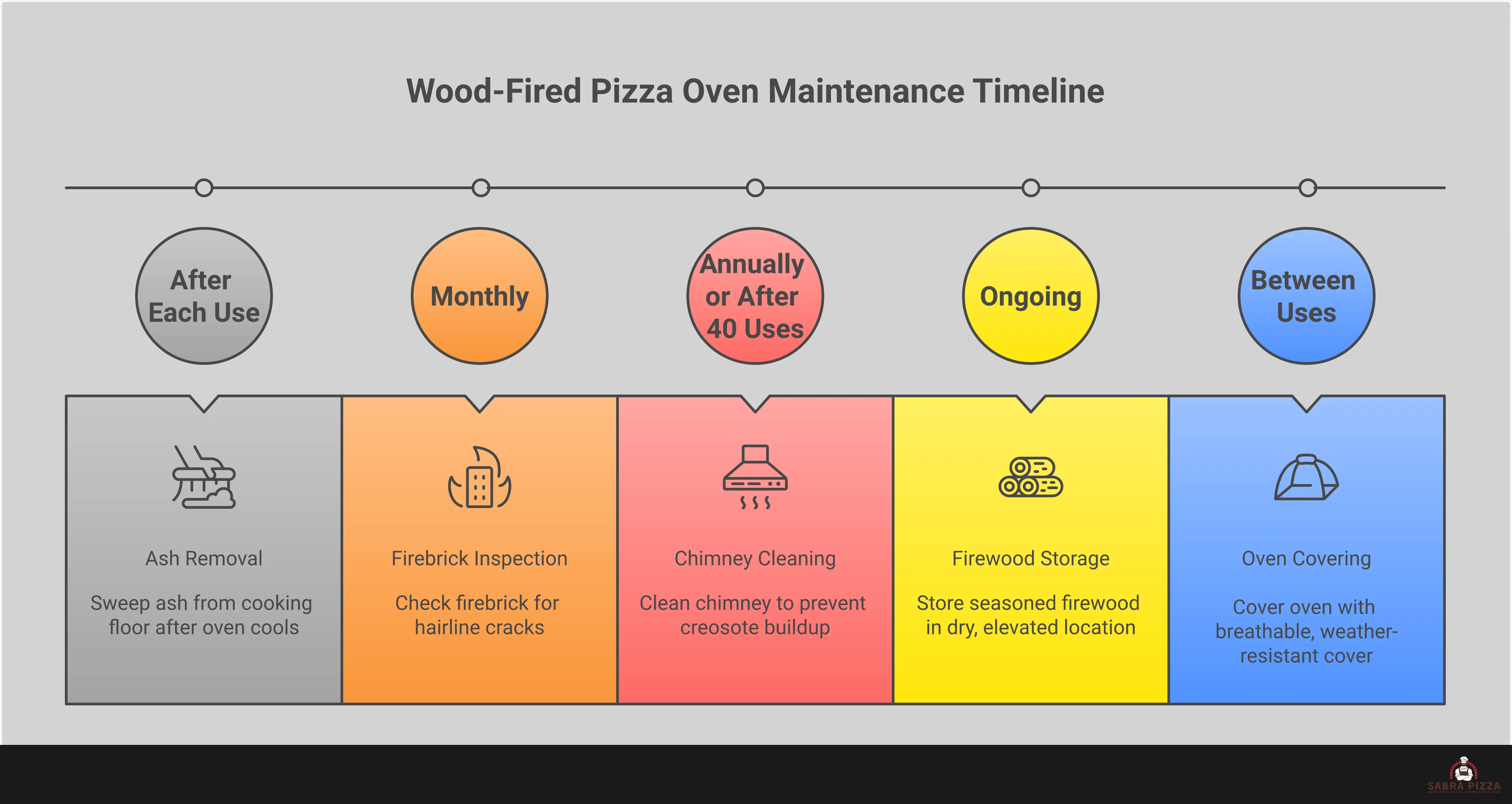
Keeping your oven clean is simpler than you might think. After each use, once the oven has completely cooled, take a moment for a quick sweep. Use a brass-bristle brush to remove any ash and food debris from the cooking floor. For a more thorough weekly clean, open the oven and use a soft, damp cloth to wipe down all interior surfaces, which helps dislodge any loose crumbs. Afterward, use a clean, dry cloth to wipe everything down again. This simple step prevents moisture buildup, which is key to maintaining your oven’s optimal performance and keeping it ready for your next culinary creation.
Keep Your Chimney Clean and Safe
A clean chimney is a safe chimney. Over time, soot and creosote can build up inside the exhaust stack, which can restrict airflow and even pose a fire hazard. To ensure safe operation, it’s a great practice to have your pizza oven's exhaust stacks cleaned regularly by a certified chimney sweeper, especially if you use your oven frequently. A professional can thoroughly remove any buildup, check for blockages, and make sure your ventilation system is working exactly as it should. This small bit of professional maintenance is a key part of responsible oven ownership and keeps your pizza nights safe and fun.
Choose the Best Wood for Your Oven
The type of wood you burn has a huge impact on your oven’s performance and the flavor of your food. Always use dry, seasoned hardwoods like oak, maple, or fruitwoods (like apple or cherry). These woods burn hotter and cleaner, producing less smoke and creosote while imparting a subtle, delicious flavor. Avoid softwoods like pine or fir, as they contain resins that create a lot of smoke and can leave a bitter taste. And remember, your oven isn't just for pizza! The right wood can add incredible depth to roasted meats, fish, and vegetables, proving just how versatile these freestanding wood-fired ovens truly are.
Essential Safety Tips for Perfect Pizza Nights
Cooking with a live fire is an exciting experience, and a few basic safety habits will ensure it’s always a positive one. Keep a fire extinguisher rated for wood fires nearby, and never leave a lit oven unattended. Before you start cooking, give your oven a quick visual inspection. Regular checks for cracks and damages, especially around the dome and door seal, are essential for maintaining heat efficiency and safety. Once you’re done cooking, let the fire die down naturally and allow the oven to cool completely before putting on its protective cover. These simple precautions will help you cook with confidence every time.
Related Articles
- The Built In Outdoor Pizza Oven Buyer's Guide
- The Ultimate Wood Burning Commercial Pizza Oven Guide
- Perfect Outdoor Wood Oven Pizza: The Complete Guide
- Patio Pizza Oven Ideas: The Ultimate Design Guide
- Wood Burning Pizza Oven For Sale: A Buyer's Guide
Frequently Asked Questions
Are wood-fired ovens difficult for a beginner to learn? There is a bit of a learning curve, but it’s a really enjoyable one. Think of it less like operating an appliance and more like learning a new craft. The main skill is learning to manage the fire to control the temperature. It takes a few tries to get the hang of creating hotter and cooler zones, but once you do, you’ll have incredible control over how your food cooks. Most people find the hands-on process to be one of the most rewarding parts of owning one.
How long does it take to heat up a wood-fired oven for pizza night? This depends on the oven's quality and insulation, but you can expect a premium model like an Alfa Forni™ to reach pizza-making temperatures of over 900°F in about 25 to 30 minutes. While that’s a little longer than a gas oven, the trade-off is that your pizza will then cook in about 60 to 90 seconds. The oven also retains that heat for hours, so you can keep cooking long after the initial preheat.
Besides pizza, what can I realistically cook in it? You can cook almost anything you’d make in your indoor oven or on your grill. The intense heat is perfect for searing steaks or roasting vegetables to get a beautiful char. After the fire dies down, the oven’s retained heat is ideal for baking crusty artisan bread. You can also roast a whole chicken, cook fish on a cedar plank, or even bake a fruit cobbler. It’s an incredibly versatile outdoor kitchen tool.
Is cleaning and maintaining a wood-fired oven a lot of work? It’s much simpler than most people think. The main task is sweeping out the ash from the cooking floor after the oven has completely cooled down, which only takes a minute with a good brush. Occasionally, you’ll want to wipe down the interior surfaces to keep everything in top shape. As long as you use good, dry hardwood, you won’t have to worry about excessive soot buildup.
Does the type of wood I use really make a difference? Yes, it absolutely does. For the best results, you should always use dry, seasoned hardwoods like oak, hickory, maple, or fruitwoods like apple and cherry. These woods burn very hot and clean, which is what you need for that perfect crust. They also release a wonderful, subtle smoky flavor that infuses the food. You should avoid using softwoods like pine, as they contain resins that create a lot of unpleasant smoke and can make your food taste bitter.