

If you’ve ever pulled a pizza from your oven only to find it perfectly cooked on one side and disappointingly pale on the other, you know the frustration of uneven heat. This is where a pizza turning peel comes in. Think of it as your secret weapon for achieving a flawless, 360-degree bake. A turning peel is a specialized tool with a small, round head and a long handle, designed specifically to slide under your pizza and rotate it while it’s cooking inside a blazing-hot oven. It’s the key to that perfectly crisp, evenly browned crust that makes every bite incredible.
Key Takeaways
- Use the Right Tool for a Flawless Bake: A turning peel is not interchangeable with a launching peel. Its small, round head is specifically designed for rotating the pizza inside the oven, ensuring every inch of the crust cooks evenly without burnt or undercooked spots.
- Match Your Peel's Handle to Your Oven's Depth: For safety and control, select a handle length that lets you comfortably reach the back of your oven without putting your hands too close to the heat. A longer handle is for deep ovens, while a shorter one offers more agility in compact setups.
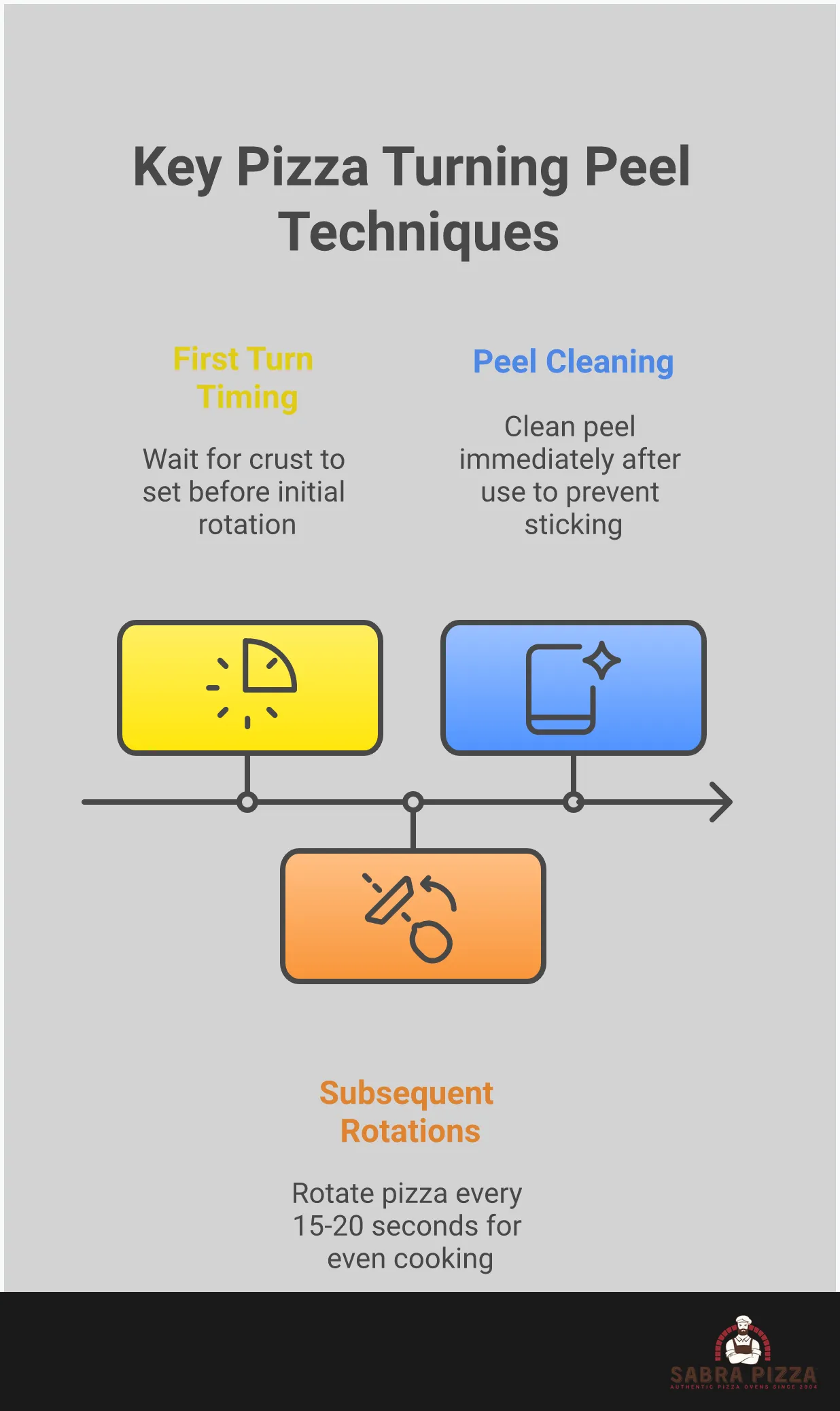
- Nail the Timing of Your First Turn: Avoid torn dough by waiting 20-30 seconds for the crust to set before attempting to rotate your pizza. After that initial turn, continue with small, frequent rotations every 15-20 seconds for a perfectly uniform, leopard-spotted finish.
What Is a Pizza Turning Peel (And Why You Need One)
If you’ve ever pulled a pizza from your oven only to find it perfectly cooked on one side and disappointingly pale on the other, you know the frustration of uneven heat. This is where a pizza turning peel comes in. Think of it as your secret weapon for achieving a flawless, 360-degree bake. A turning peel is a specialized tool with a small, round head and a long handle, designed specifically to slide under your pizza and rotate it while it’s cooking inside a blazing-hot oven.
Unlike the larger peel you use to launch your pizza, a turning peel is all about precision and control. It allows you to spin the pizza in small increments without ever having to lift it off the hot baking stone. This constant rotation ensures every inch of your crust gets equal exposure to the oven's heat source, preventing burnt spots and undercooked sections. For anyone serious about making restaurant-quality pizza at home, mastering the use of a turning peel is essential. It’s the key to that perfectly crisp, evenly browned crust that makes every bite incredible.
Turning Peels vs. Launching Peels: What's the Difference?
At first glance, a turning peel and a launching peel might seem similar, but they have very different jobs. A launching peel is your pizza’s ride into and out of the oven. It has a large, wide surface—often rectangular—designed to support the full weight of a raw pizza loaded with toppings. Its primary role is transportation.
A pizza turning peel, on the other hand, is the tool you use during the bake. It’s much smaller, typically with a round head that’s only 7 to 9 inches in diameter. This compact size is intentional; it lets you easily slip under a section of the crust to lift and turn the pizza without disturbing the toppings or dragging it across the stone.
Why Rotating Your Pizza Is a Game-Changer for an Even Bake
In a high-temperature pizza oven, the heat is rarely distributed perfectly evenly. The back of the oven, closest to the flame, is almost always the hottest spot. If you just launch your pizza and leave it, that back edge will cook—and likely burn—long before the front is done. Rotating your pizza is the only way to counteract this.
Using a turning peel to give your pizza a quarter-turn every 15-20 seconds is a complete game-changer. This simple action guarantees that every part of the crust gets its moment in the hot spot, resulting in a uniformly golden-brown bake. It prevents a burnt bottom, ensures your cheese melts evenly, and gives you that coveted leopard-spotted char without any scorching. It’s the technique that separates good homemade pizza from great homemade pizza.
Anatomy of a Great Turning Peel
A great turning peel feels like an extension of your arm, giving you the confidence to handle a pizza in a blazing hot oven. But what makes one peel better than another? It comes down to four key elements: the surface of the head, the length of the handle, the material it’s made from, and the size of the head. Understanding how these components work together will help you find the perfect tool for your setup. Let's break down the anatomy of a turning peel so you know exactly what to look for.
Perforated vs. Solid: Which Surface Is Best?
When you’re shopping for a turning peel, you’ll notice two main styles for the head: solid and perforated. A perforated peel has holes that allow excess flour or cornmeal to fall away as you handle the pizza. This is a huge plus because it prevents that flour from burning on the oven floor, which can create a bitter taste. The perforations also reduce friction and allow steam to escape, which can help you achieve an even crispier crust. A solid peel, on the other hand, offers a completely flat surface. Some pizzaiolos prefer this for its sturdiness and simplicity. Ultimately, the choice comes down to personal preference, but if your top priority is preventing a burnt-flour taste and getting maximum crisp, a perforated peel is an excellent choice.
Finding the Right Handle Length for Safety and Control
The handle is your connection to the pizza, and its length is critical for both safety and control. A handle that’s too short will put your hands dangerously close to the intense heat of the oven opening. One that’s too long can feel clumsy and difficult to manage. The perfect handle length depends entirely on the depth of your pizza oven. For larger, deeper ovens like the Alfa Forni™ Moderno 5 Pizze, you’ll want a longer handle to comfortably reach the back. For smaller, more compact ovens, a shorter handle will give you better agility. Measure your oven’s depth and choose a handle that lets you reach every corner without getting too close to the heat.
How Different Materials Impact Performance
Turning peels are typically made from aluminum or stainless steel, and each material offers distinct advantages. Aluminum is the most popular choice because it’s lightweight and easy to maneuver, allowing for quick, precise turns. It heats up and cools down fast, making it comfortable to handle. Stainless steel is a heavier, more durable option. It’s incredibly strong and resistant to corrosion, so a quality stainless steel peel can last a lifetime with proper care. While wood is a traditional material for launching peels, it’s not ideal for turning. Wood is thicker, making it difficult to slide under a cooking pizza, and it can’t withstand prolonged exposure to high heat.
Why a Smaller Head Gives You More Precision
You might notice that a turning peel has a much smaller head than the peel you use to launch your pizza. This is by design. A turning peel isn’t meant to carry the full weight of a pizza; its job is to make small, precise adjustments while it bakes. The smaller head, usually between 7 and 9 inches in diameter, is much easier to slide under the edge of the crust. This gives you the agility to rotate the pizza in quarter-turns within the tight confines of the oven, ensuring every side gets equal exposure to the heat source. This control is what allows you to achieve a perfectly uniform, evenly cooked crust without disturbing your carefully placed toppings.
Our Top-Rated Turning Peel Brands
When you invest in a premium pizza oven, you need tools that match its quality. While there are countless turning peels on the market, only a few brands consistently deliver the performance, durability, and thoughtful design that we stand behind. We’ve worked with these tools for years, and they’ve earned our trust through countless pizza nights. Here are the brands that make the cut, known for their exceptional craftsmanship and reliability right at the oven's mouth.
Alfa Forni: The Italian Standard
If you appreciate authentic Italian craftsmanship, look no further than Alfa Forni. Known for their world-class wood-fired ovens, Alfa brings that same commitment to quality and tradition to their accessories. Their turning peels are designed to be the perfect companion to a high-heat oven, offering incredible durability and a classic feel. An Alfa Forni peel isn’t just a tool; it’s an extension of a rich pizza-making heritage. You can feel the quality in your hands—it’s sturdy, balanced, and built to handle the intense environment of a fiery oven with grace and precision.
Ooni: Sleek and Innovative Designs
Ooni has made a name for itself with its modern approach to pizza making, and its turning peels reflect that same spirit of innovation. They are known for their sleek, user-friendly designs that help you cook pizzas more efficiently and evenly. The lightweight construction and smart features make them a favorite among home chefs who want professional results without a steep learning curve. If you love clever design that makes your life easier, an Ooni turning peel is a fantastic choice. It’s engineered to make those quick, decisive turns feel effortless, giving you total control over the final bake.
Fontana Forni: Built for Durability
For those who prioritize rugged, long-lasting gear, Fontana Forni delivers. Their turning peels are absolute workhorses, built from strong, hard aluminum with long, heat-resistant handles for maximum safety. You never have to worry about getting too close to the heat or your peel bending under pressure. A Fontana Forni peel is an investment in durability and peace of mind, ensuring you can focus on the pizza without worrying about your tools. It’s a practical, no-nonsense piece of equipment designed to withstand years of high-temperature cooking, making it a reliable staple in any outdoor kitchen.
Other Premium Brands We Trust
Beyond these three standouts, the most important factor in any peel is the quality of its materials. Whether you prefer classic wood, lightweight aluminum, or durable stainless steel, the material plays a huge role in performance, longevity, and ease of use. We’ve curated a selection of the best pizza peels from various premium brands that meet our high standards for construction and design. When you choose a peel from a trusted manufacturer, you’re not just buying a tool—you’re getting a reliable partner for creating perfectly cooked pizzas every single time.
How to Choose the Perfect Turning Peel
Finding the right turning peel is a bit like a chef choosing their favorite knife—it’s a personal tool that should feel like an extension of your hand. The perfect peel for you depends on your specific oven, your cooking style, and what feels most comfortable to use. A great turning peel gives you the confidence to slide under a delicate crust and make those quick, precise turns that lead to a perfectly leopard-spotted pizza. It’s not just about function; it’s about finding a tool that makes the entire process smoother and more enjoyable. Let’s walk through the key factors to consider so you can select a turning peel that you’ll love using for years to come.
Match the Peel Size to Your Pizza Oven
The size of your turning peel, particularly its head, should be directly related to the size of your pizzas and your oven. A turning peel head is much smaller than a launching peel—typically around 7 to 9 inches in diameter. This compact size is intentional; it allows you to easily slip under a section of the pizza to lift and rotate it without disturbing the toppings or dragging the whole pie. For most home pizza ovens, a standard 8-inch round peel is a versatile choice that gives you plenty of control. Make sure the peel’s head is small enough to maneuver comfortably inside your oven, leaving you room to work around the pizza.
Pick Your Material: Aluminum vs. Stainless Steel
The material of your peel’s head impacts its weight, durability, and how it interacts with the dough. Most modern turning peels are made from either anodized aluminum or stainless steel. Aluminum is lightweight and easy to handle, making quick turns feel effortless. It also cools down quickly. Stainless steel is a bit heavier but is incredibly durable and resistant to corrosion. While wood is a traditional choice for launching peels because it’s less sticky, it’s not ideal for a turning peel. It’s thicker and can burn when left near the high heat required for turning. For a great all-around option, check out our collection of pizza oven accessories.
Select the Right Handle Length for Your Setup
The handle is all about safety and comfort. Its length should correspond to the depth of your pizza oven. If you have a deep, commercial-style oven like an Alfa Forni™ model, you’ll need a longer handle (36 inches or more) to keep your hands and arms safely away from the intense heat at the oven’s opening. For smaller, countertop, or portable ovens, a shorter handle (around 12 to 24 inches) will provide plenty of reach without feeling clumsy or difficult to store. The goal is to find a length that lets you reach the back of your oven with ease and control.
Prioritize Durability and Heat Resistance
A turning peel works in extreme conditions, so it needs to be built to last. Look for a peel made from strong, hard aluminum or high-grade stainless steel that won’t warp or bend under high temperatures. The connection point between the head and the handle should be securely riveted or welded for maximum stability. Just as important is the handle itself, which should be made from a heat-resistant material like wood or a high-tech polymer. This ensures you can maintain a firm, comfortable grip without worrying about the handle getting too hot to touch. Investing in a durable, well-made peel means you’ll have a reliable tool for every pizza night.
How to Use a Turning Peel Like a Pro
Once you have the right turning peel, the next step is learning how to handle it with confidence. It might feel a little awkward at first, but with a bit of practice, you'll be spinning pizzas like a seasoned pizzaiolo. These tips will help you get the technique down and avoid common mistakes, so you can achieve that perfectly even, leopard-spotted crust every single time.
Master the Turning Technique, Step-by-Step
First things first: your turning peel isn't for launching. That’s a job for a larger, standard pizza peel. Once you’ve used a launching peel to slide your pizza into the hot oven, wait about 20 to 30 seconds. You’ll see the crust at the back start to puff up—that’s your cue. Gently slide the turning peel under the crust, lift it just a bit, and tap an edge against the oven floor. This simple move "breaks the seal" and is the secret to preventing the dough from sticking. From there, make small, confident quarter-turns to ensure every side gets equal exposure to the heat. This is how you get a consistently cooked pizza without any burnt or underdone spots.
Perfect Your Timing for an Evenly Cooked Crust
It’s a classic pizza-making puzzle: the bottom is burnt, but the toppings are perfectly cooked. While it’s easy to blame the dough, the real issue is often too much raw flour on your peel. Excess flour can burn quickly on the hot oven floor, creating a bitter taste and preventing the bottom from cooking at the same rate as the top. To avoid this, use just enough flour or semolina to prevent your pizza dough from sticking and brush off any excess before launching. Pay close attention as your pizza bakes—in a high-heat oven, the difference between perfectly cooked and burnt can be a matter of seconds.
Prep Your Peel to Prevent Sticking
A clean peel is a non-stick peel. The best habit you can form is cleaning your turning peel right after you use it, once it has cooled down. A quick brush-off of any loose flour or semolina goes a long way. For any cheese or sauce that gets baked on, don't panic. Just lay a damp cloth over the spot for a few minutes to soften the mess, and it should wipe away easily without any harsh scrubbing. Keeping your tools in top shape, like a professional-grade Alfa Forni turning peel, is a key part of making great pizza and ensures your gear will last for years of delicious meals.
Common Turning Peel Mistakes to Avoid
Even the most seasoned pizza makers have made a few mistakes along the way—it’s all part of the learning process! But if you want to get that perfect leopard-spotted crust a little faster, it helps to know what not to do. Using a turning peel feels a bit awkward at first, but avoiding these common slip-ups will have you spinning pizzas with confidence in no time. Think of it less as a set of strict rules and more as a friendly guide to sidestepping the usual frustrations. From timing your turns to managing your oven’s heat, a few small adjustments can make a world of difference.
Turning Too Early (or Too Late)
Patience is a virtue, especially when your pizza first hits the hot stone. If you try to turn it too soon, the dough will still be soft and sticky, leading to a torn crust and a mess on your peel. Wait about 20 to 30 seconds for the bottom to set and firm up before you attempt the first turn. On the flip side, waiting too long is a recipe for a burnt edge. High-heat ovens cook incredibly fast, so you need to be attentive. Once you start turning, keep rotating the pizza every 15-20 seconds to ensure every inch of the crust gets that beautiful, even char.
Overloading Your Pizza with Toppings
We all love a pizza loaded with our favorite ingredients, but going overboard can make it nearly impossible to handle. A heavy, wet pizza is difficult to launch and even harder to turn. The crust can become soggy and floppy, refusing to slide onto your peel. Start with a less-is-more approach until you get the hang of the turning technique. A thin layer of sauce, a balanced amount of cheese, and a few choice toppings will cook more evenly and make the entire process much smoother. You can always experiment with new recipes as your skills grow.
Using Parchment Paper in a High-Heat Oven
While parchment paper is a handy kitchen staple, it has no place in a high-temperature pizza oven. Most parchment is only rated up to about 450°F, but premium ovens like those from Alfa Forni can reach temperatures over 900°F. At that heat, parchment paper will scorch and burn almost instantly, which can ruin the flavor of your pizza and create a fire hazard. Instead of using parchment as a crutch, focus on properly flouring your launching peel. A light dusting of semolina or "00" flour is all you need to prevent sticking and achieve a crisp, perfect bottom.
Mismanaging Your Oven's Heat
Your turning peel is a tool for managing heat, but it can’t work miracles if the oven temperature is out of control. If your oven has intense hot spots or the flame is too high, you’ll be forced to turn the pizza frantically to prevent it from burning, increasing the chances of a mistake. Make sure you properly preheat your oven so the stone is saturated with heat. This allows the bottom of the crust to cook at the same rate as the top. Learning the unique quirks of your oven and maintaining a consistent temperature is fundamental to a stress-free cook and a perfectly baked pizza.
How to Clean and Care for Your Turning Peel
Your turning peel is one of the most important tools in your pizza-making arsenal, and a little bit of care goes a long way in keeping it in top shape. Just like a chef cares for their knives, giving your peel some attention after each use ensures it performs beautifully for years to come. Proper cleaning prevents old ingredients from burning and sticking to your fresh pizzas, which can transfer unwanted flavors. It also helps you launch and turn pizzas smoothly, without any frustrating snags.
Taking care of your peel is simple, but the right method depends on the material and how messy things got during your cook. A quick wipe-down is usually all you need, but for those inevitable moments of melted cheese and bubbled-over sauce, a deeper clean is necessary. We’ll walk through everything you need to know, from daily maintenance to long-term care and storage. Keeping your pizza oven accessories clean and ready to go makes every pizza night that much more enjoyable.
Quick Clean-Up After Each Use
The best habit you can get into is cleaning your turning peel right after you’re done using it. Once the peel has cooled down to a safe temperature, take a moment for a quick wipe-down. The goal is to brush off any loose flour or semolina before it has a chance to get caked on. A dry cloth or a soft-bristled brush works perfectly for this. Avoid the temptation to run a hot peel under cold water, as the sudden temperature change can cause metal to warp. This simple step takes less than a minute but saves you from a much bigger scrubbing job later.
Deep Cleaning for Tough, Baked-On Messes
We’ve all been there—a bit of cheese slides off and bakes onto the peel, creating a stubborn, crusty mess. Don’t worry, and definitely don’t reach for a steel wool pad, which can scratch the surface. For tough, baked-on spills, the trick is to soften them first. Lay a damp cloth over the affected area for about 15-20 minutes. This moisture will loosen the residue, making it much easier to wipe away. For anything that remains, use a sponge with a non-abrasive scrubby side and a little mild dish soap. Always be sure to rinse the peel thoroughly and dry it completely before putting it away.
Long-Term Care Tips for Different Materials
The material of your peel dictates its long-term care. For metal peels, like the popular Alfa Forni Multi-Functional Peel, the main goal is to keep them clean and dry to prevent any oxidation. For wooden peels, you’ll want to prevent the wood from drying out and cracking. About once or twice a year, apply a light coating of food-grade mineral oil. Just wipe it on with a clean cloth, let it soak in for about 30 minutes, and then buff off any excess. This simple treatment keeps the wood conditioned and sealed against moisture.
The Best Way to Store Your Peel
How you store your turning peel is just as important as how you clean it. The ideal storage spot is somewhere dry and away from extreme temperature swings. Many peels come with a loop or hole in the handle, and hanging it is a great option. This keeps the head of the peel from getting dinged or bent and ensures good air circulation, which is especially important for wooden peels. If you can’t hang it, store it flat on a shelf where it won’t have heavy items placed on top of it. Proper storage protects your investment and makes sure your peel is always ready for action.
Turning Peel vs. Launching Peel: Do You Really Need Both?
When you're gearing up to make incredible pizza at home, it’s tempting to streamline your tool collection. You might look at a launching peel and a turning peel and think, "Can't one of these do both jobs?" While you could technically try to make it work, you'll be making things much harder on yourself. Using the right tool for the right task is the secret to a smooth, stress-free pizza night and perfectly cooked pies.
Think of it like having different knives in your kitchen; a chef's knife and a paring knife have distinct purposes. A launching peel is your pizza's ride into the oven—it’s broad and sturdy, designed to carry a fully loaded, uncooked pizza and slide it gracefully onto the hot stone. A turning peel, on the other hand, is your instrument for achieving perfection once the pizza is cooking. It’s smaller, nimbler, and designed for precise movements in a blazing-hot environment. Using both ensures you can launch your creation without a hitch and then cook it to crispy, bubbly perfection.
Know Which Peel to Use and When
The launching peel’s moment to shine is at the very beginning. It’s the wide, flat surface where you’ll build your pizza or, more commonly, slide your prepped pizza onto from the counter. Its main job is to transport the delicate, raw dough and toppings and launch them into the oven without folding, tearing, or losing half your cheese.
Once the pizza is in the oven and the crust starts to set, the turning peel takes over. The turning peel is specifically for rotating the pizza while it cooks. This ensures every side gets equal exposure to the flame for an even, leopard-spotted char. Its smaller, often round head gives you the agility to make quick, precise turns without disturbing the toppings or scraping the oven floor.
Build Your Ultimate Pizza Tool Kit
A great pizza setup is more than just an oven; it’s a collection of tools that work together. Your launching peel and turning peel are the cornerstones of this kit. The material of your peel—whether it's classic wood for launching or lightweight aluminum for turning—plays a huge role in your workflow. Beyond peels, consider an infrared thermometer for checking deck temperature and a sharp rocker blade for clean cuts.
As you build your skills, you’ll learn that having the right gear makes experimentation fun, not frustrating. Don't be afraid to make mistakes; you learn from every pizza. A key part of the process is keeping your tools in top shape. The best time to clean your peel is right after you use it, brushing off any loose flour or semolina so you’re always ready for the next bake.
Find Your Perfect Turning Peel Today
Choosing the right turning peel is the final step in setting up your pizza-making station for success. With the right tool in hand, you’ll be turning out perfectly cooked pizzas with confidence. It comes down to where you buy your gear, what makes a retailer trustworthy, and how you care for your peel to make it a lasting part of your culinary toolkit.
The Advantage of Buying from an Authorized Dealer
Where you buy your turning peel matters. An authorized dealer guarantees you’re getting a genuine, high-quality product from premium brands. The material of your peel—whether it’s lightweight aluminum or durable stainless steel—directly affects its performance, longevity, and how easy it is to clean. When you shop from a trusted source, you can be confident that the materials are top-notch and the craftsmanship is solid. This means no surprise warping after a few uses or questionable finishes that could affect your food. It’s the best way to ensure your new tool is built to handle the heat.
What to Look for in a Quality Retailer
A great retailer does more than just list products; they offer expertise and a curated selection for serious home chefs. Look for a company that provides a variety of peels for different oven types and cooking styles. A knowledgeable team can help you consider details you might overlook, like how the right handle length is essential for keeping a safe distance from the heat while maintaining control. A quality retailer understands that the right pizza oven accessories are about function and safety, not just looks. They can guide you to the perfect peel for your specific setup.
Make a Smart Investment in Your Pizza Gear
A high-quality turning peel is an investment in your craft, and a little care goes a long way. The best habit is to clean your peel right after you’re done cooking. Simply brush off any loose flour or cornmeal and wipe away any residue to prevent it from burning onto the surface later. To keep your peel in prime condition, you can follow a simple maintenance routine. For wooden handles, periodically wiping them with food-grade mineral oil helps keep the surface sealed and prevents cracking. These small steps ensure your peel remains a reliable tool in your pizza-making arsenal.
Related Articles
- The Ultimate Guide to a Pizza Oven Turning Peel
- How to Use a Pizza Peel: The Ultimate Guide
- How to Pick the Right Wood Fired Oven Pizza Peel
- Best Pizza Peels Guide | Material Comparison & Reviews | Sabra Pizza
- 10 Best Pizza Peels of 2025 (Tested & Reviewed)
Frequently Asked Questions
Can I just use my regular, large pizza peel to turn the pizza instead of buying another tool? While you can certainly try, you'll find it's a clumsy and often messy process. A large launching peel is designed to support the full weight of a raw pizza, making it too bulky for the precise, delicate movements needed inside a hot oven. A turning peel’s small head gives you the agility to make quick rotations without disturbing toppings or dragging the entire pizza across the stone, which is the secret to a stress-free cook.
Is a perforated peel really that much better than a solid one? Both styles will get the job done, but a perforated peel offers a few distinct advantages for those chasing a perfect crust. The holes allow excess flour to fall through before it hits the hot oven floor, which prevents that flour from burning and creating a bitter taste. This design also reduces friction and allows steam to escape from under the crust, helping you achieve an even crispier bottom.
My pizza keeps sticking when I try to turn it. What's the secret to a clean turn? The most common reason for sticking is trying to turn the pizza too early. You need to give the dough about 20 to 30 seconds on the hot stone to set and form a crust. Once you see the edge closest to the flame start to puff up, that's your cue. Gently slide the turning peel under that edge, lift it just slightly, and give it a little tap on the oven floor to ensure it's not stuck before you make your turn.
How do I figure out the right handle length for my specific pizza oven? The perfect handle length is all about keeping you safe and comfortable. You want a handle that allows you to easily reach the very back of your oven while your hand remains well outside the intense heat of the opening. For larger, deeper ovens, a handle of 36 inches or more is ideal. For smaller, more compact ovens, a shorter handle around 24 inches will give you better control without feeling unwieldy.
I'm just starting out. Do I really need a turning peel right away? You can definitely make pizza without one, but if you're aiming for that beautiful, evenly browned crust, a turning peel is a game-changer. It’s the tool that solves the problem of having a burnt back edge and a pale front. If you're serious about improving your pizza game and getting consistent, restaurant-quality results, it's one of the most valuable and impactful tools you can own.