

When you watch a professional pizzaiolo at work, you’ll notice they use two different peels. One is the large, often wooden peel for building the pizza and sliding it into the oven. The other is a smaller, round-headed metal tool they use once the pizza starts cooking. That second tool is the pizza oven turning peel, and it’s the key to an even bake. It’s not just a smaller version of your launching peel; it’s a specialized instrument designed for maneuverability in a tight, scorching-hot space. This guide will explain why adding this specific peel to your toolkit is one of the most impactful changes you can make to your pizza-making process.
Key Takeaways
- Dedicate your peels to specific jobs: Use a large, often wooden, peel for launching your pizza, and reserve a smaller, more agile turning peel exclusively for rotating it inside the hot oven for an even cook.
- Prioritize a thin metal head for turning: A stainless steel or aluminum turning peel is ideal because its thin profile slides easily under a cooking crust, a delicate task for which thicker wooden peels are not suited.
- Master the turn with quick moves and the right flour: To prevent sticking and a burnt taste, use a light dusting of semolina on your launch peel and rotate the pizza with swift, confident motions after the crust has set for about 20-30 seconds.
What Exactly Is a Pizza Turning Peel?
If you're serious about making incredible pizza at home, you need the right tools. While a standard pizza peel gets your creation into the oven, a turning peel is the secret weapon for achieving that perfect, evenly cooked crust. Think of it as a specialized, round-headed paddle designed for one crucial task: rotating your pizza inside a blazing hot oven. Unlike its larger cousin used for launching, the turning peel is smaller and more agile, allowing you to make quick adjustments without pulling the pizza from the heat. This simple tool gives you professional-level control, ensuring every slice is perfect.
Why You Need a Turning Peel
When your pizza oven is fired up to 700°F or more, the side closest to the flame cooks much faster. Without rotation, you’ll end up with a pizza that’s burnt on one side and undercooked on the other. A turning peel lets you give the pizza quarter-turns every 20-30 seconds for an even bake. While you could try using your larger launching peel, it’s often clumsy for this delicate task. A turning peel is designed for maneuverability inside a hot, tight space, keeping your hands safe and allowing you to spin the pizza with a flick of the wrist.
Turning Peel vs. Launching Peel: What's the Difference?
It’s easy to confuse these two tools, but they have very different jobs. A launching peel is the larger, shovel-like tool you use to build your uncooked pizza on and slide it into the oven. They are typically rectangular to support the entire pizza base. A turning peel, however, is your go-to tool once the pizza is cooking. It has a much smaller, often round head, designed to easily slide under a section of the crust. This smaller size is key—it lets you lift and rotate the pizza without disrupting the toppings. Using the right pizza peel for each task makes the process much smoother.
The Perks of Using a Turning Peel at Home
Adding a turning peel to your collection of pizza oven accessories is one of the fastest ways to improve your pizza-making skills. The main advantage is a perfectly uniform cook. By rotating the pizza directly on the cooking surface, you ensure the base stays in constant contact with the hot stone, which is essential for a crispy, leopard-spotted crust. This also speeds up the cooking process, as you never remove the pizza from the oven's intense heat. You gain more confidence and control, transforming pizza night from a guessing game into an enjoyable experience. It’s a small investment that delivers huge results.
How to Choose the Right Turning Peel
Finding the perfect turning peel is a lot like choosing the right knife for a chef—it comes down to material, size, and how it feels in your hand. The right tool makes the process smoother and more enjoyable, helping you achieve that perfect, evenly cooked crust every time. When you're ready to buy, think about your specific oven, the size of the pizzas you typically make, and what feels most comfortable for you to handle. Let's walk through the key things to consider so you can pick a turning peel that will become a trusted part of your pizza-making toolkit.
Pick the Best Material for You
The material of your turning peel is one of the most important choices you'll make. Wooden peels are great for launching pizzas because the dough is less likely to stick, but their thickness can make it tricky to slide under a cooking pizza. Metal peels, on the other hand, are thinner and lighter, making them perfect for turning and retrieving your pizza from the hot oven. While raw dough can sometimes stick to metal, a light dusting of flour usually solves the problem. For turning, many pizza pros prefer stainless steel over aluminum because it offers a great balance of durability and performance. Some of the best pizza peels are made from high-quality stainless steel that can handle high heat with ease.
Find the Right Size and Weight
The size of your turning peel should correspond to the size of your pizza oven. You need a peel that can easily maneuver inside the oven without being too cumbersome. For example, a peel with a 7-inch head is ideal for turning 12-inch pizzas in a smaller oven. If you have a larger oven, you can opt for a bigger peel, which gives you more flexibility. The overall length is also important—you want it to be long enough to keep your hands safely away from the heat. A good turning peel review can often provide specific dimensions, helping you match the tool to your oven perfectly. A lightweight peel will also reduce fatigue, making the turning process feel effortless.
What to Look for in a Handle
Don't overlook the handle—it's your main point of contact with the peel and crucial for control and safety. Look for a handle with a comfortable, rounded grip that allows you to hold it securely while you rotate your pizza. A solid grip is essential when you're working quickly around a blazing hot oven. The material of the handle matters, too. Heat-resistant materials like nylon are a great choice because they stay cool to the touch, protecting your hands from the intense heat radiating from the oven. The Ooni Pizza Turning Peel, for instance, features a glass-reinforced nylon handle designed for both comfort and safety during use.
Key Features for a Better Pizza
A few thoughtful design features can make a big difference in your final product. A well-designed turning peel is crafted to slide under the pizza and help you turn it while keeping it in contact with the hot pizza stone. This continuous contact is key to achieving a fast, even bake and a perfectly crispy crust. Another feature to look for is perforations on the peel's head. These small holes allow excess flour to fall away from the base of the pizza before it goes into the oven. This prevents the flour from burning on the hot stone, which can create a bitter taste and a less-than-perfect texture on your pizza base.
A Closer Look at Peel Materials
When you’re choosing a turning peel, the material of the peel head is one of the most important factors. It directly impacts how the peel performs inside a blazing hot oven, how it feels in your hand, and how long it will last. The main options you’ll come across are aluminum, stainless steel, and wood, each with its own set of characteristics. Thinking about how you plan to cook and what you value most—whether it's lightweight maneuverability, rugged durability, or a traditional feel—will help you land on the perfect material for your pizza-making style.
Aluminum: Pros and Cons
Aluminum is a very popular choice for turning peels, and for good reason. These peels are incredibly lightweight, which makes them easy to handle and maneuver inside the oven. You can make quick, precise adjustments to your pizza’s position without feeling like you’re wrestling with a heavy tool. Aluminum also heats up fast, which helps with the cooking process. The main drawback is that it can be prone to warping over time, especially if it’s frequently exposed to the extreme temperatures of a pizza oven. For many home chefs, the agility of an aluminum peel is a trade-off they’re willing to make for its excellent performance and ease of use.
Stainless Steel: What to Know
If durability is your top priority, stainless steel is the way to go. It’s a tougher, more rigid material than aluminum, making it highly resistant to warping, even at very high temperatures. This stability gives you a solid, reliable surface for turning your pizzas. Many seasoned pizza makers prefer stainless steel because it’s built to last for years. Brands like GI Metal are well-regarded for producing high-quality stainless steel peels that can withstand the demands of both home and commercial use. While they are a bit heavier than aluminum, the trade-off is a tool you can count on for the long haul.
Wood: Is It a Good Choice?
Wooden peels are fantastic, but they shine in a different role. They are the top choice for building your pizza on and launching it into the oven. Why? Because dough is much less likely to stick to a floured wooden surface compared to metal. This makes for a smooth, stress-free launch. However, for a turning peel, wood isn’t ideal. Turning peels need to be very thin to easily slide under a partially cooked pizza, and they must withstand direct, sustained heat inside the oven. Wood is typically thicker and can scorch. So, while a wooden peel is an essential tool for launching, you’ll want a metal one for turning.
How Heat Affects Your Peel
Working with an oven that can reach over 900°F means you have to think about heat, and not just for the pizza. The peel itself will get hot, but the handle shouldn’t. A quality turning peel will have a handle made from a heat-resistant material, like the nylon used on many modern peels, to help prevent burns. This is a critical safety feature that allows you to focus on turning the pizza without worrying about grabbing a scorching hot handle. The peel head itself is designed to handle the heat, but a cool-touch handle makes the entire process safer and more comfortable, especially during longer cooking sessions when you might be making multiple pizzas.
Built to Last: What Makes a Peel Durable?
No matter which material you choose, its overall construction will determine how long it lasts. Over time, any peel can pick up small dents or scratches from hitting the oven stone or a countertop. To ensure your peel has a long life, look for signs of sturdy construction. This could mean a thicker gauge of metal for the peel head or a handle that is securely attached to the head, sometimes with rivets, for added stability. Investing in a well-built peel from a reputable manufacturer means you’ll have a reliable tool that can handle countless pizza nights without bending or breaking.
How to Use a Turning Peel Like a Pro
Once you have the right turning peel, it’s time to put it to work. Using a turning peel might look intimidating, but it’s a skill you can pick up quickly with a little practice. The key is confidence and a steady hand. Your goal is to achieve that perfectly even, leopard-spotted crust without sending your toppings flying. With the right technique, you’ll be turning out beautifully cooked pizzas every time, impressing your guests and satisfying your own inner pizzaiolo. Let's walk through the essential steps and common pitfalls to get you turning like a seasoned pro.
Master the Basic Turning Technique
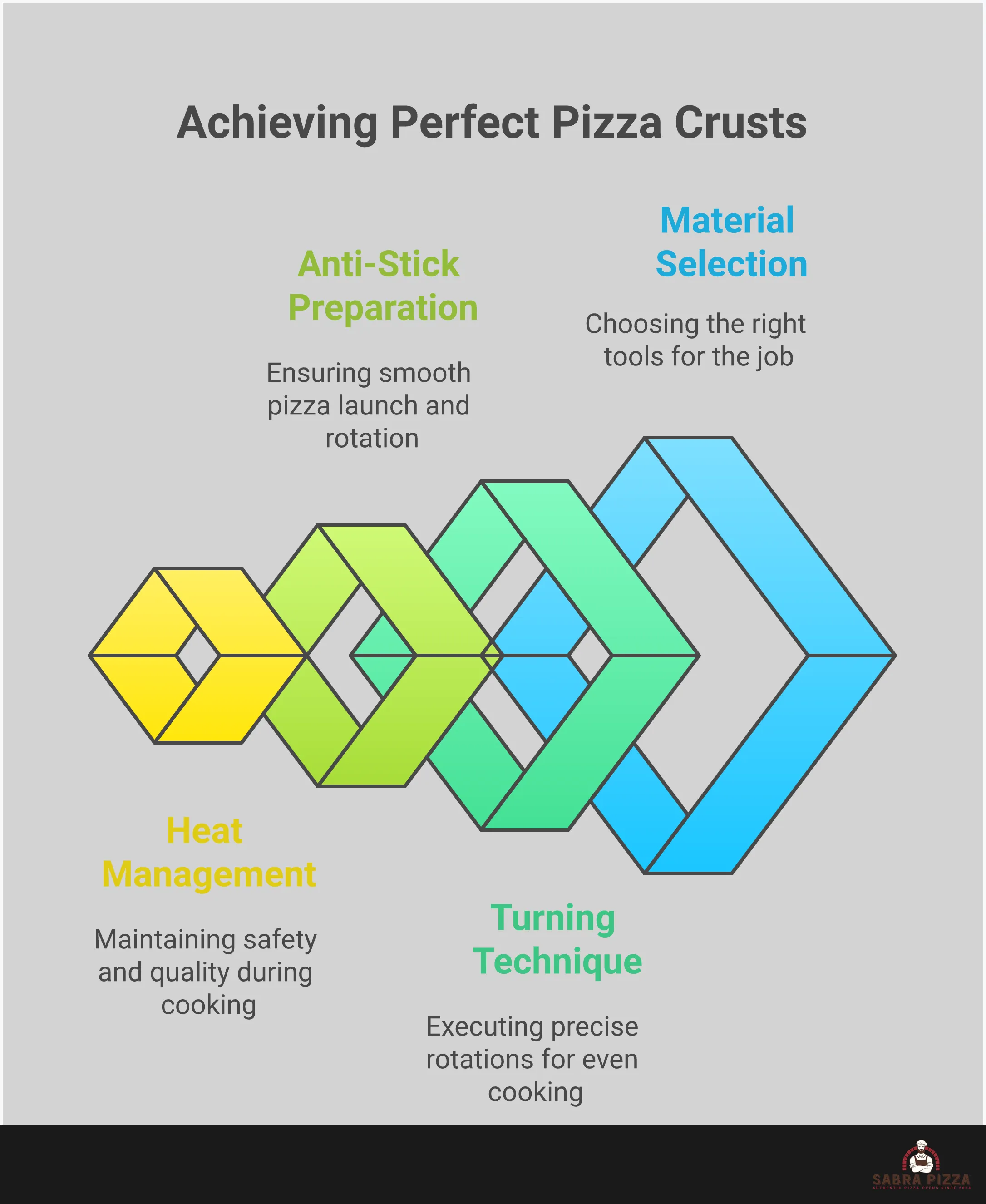
The secret to using a turning peel is a fluid, confident motion. After you launch your pizza into the hot oven, let it cook for about 20-30 seconds to allow the bottom crust to set. Then, slide the turning peel under one edge of the pizza. Gently lift and pull the peel toward you while simultaneously pushing the pizza away with the peel to create a small rotation. The entire action should be swift and smooth. Repeat this motion every 15-20 seconds, turning the pizza a quarter turn each time until it’s cooked evenly on all sides.
Common Mistakes and How to Fix Them
A few common slip-ups can stand between you and the perfect pizza. First, many people use their turning peel to launch the pizza. It’s best to keep your launch peel absolutely clean and dedicated to that single task, using the smaller turning peel only for turning. Another issue is using too much flour on your launching peel, which can burn on the hot stone. As one home chef noted, it's often the "flour burning and not the crust." A light dusting is all you need. Finally, don’t hesitate. A quick, decisive movement is better than a slow one.
Stay Safe Around a Hot Oven
Working with an oven that reaches over 900°F requires your full attention. Always be mindful of where the peel is in relation to your hands and face. When you’re ready to turn, it’s a good idea to let the pizza set first. A great piece of advice from the pizza community is to "wait 20 seconds, then start turning it till cooked." This brief pause allows the crust to firm up, making it much easier to slide the peel underneath without tearing the dough. Investing in a good pair of heat-resistant gloves is also a smart move for extra protection.
How to Keep Your Pizza from Sticking
There’s nothing more frustrating than a pizza that won’t budge. Sticking can happen on the launch peel or the oven floor, making it impossible to turn. The best way to prevent this is to properly prep your launching peel. Many pros recommend you ditch the cornmeal, which can burn and add a gritty texture. Instead, use a light dusting of semolina or bread flour. These create a layer of tiny particles that help the raw dough slide off smoothly. Also, work quickly. The longer your topped pizza sits on the peel, the more likely it is to get stuck.
Caring for Your Turning Peel
A quality turning peel is an investment in your pizza-making craft, and with a little care, it will last for years. Just like your oven, your peel needs some attention after each use to keep it in top shape. Proper cleaning and storage not only extend its life but also ensure it performs perfectly every time you fire up the oven. A clean, well-maintained peel means your pizza will slide smoothly and turn effortlessly, which is exactly what you want when dealing with a 900°F oven. Let's walk through the simple steps to care for your peel, no matter what material it's made from. Taking care of your tools is a key part of the process, ensuring every pizza night is a success.
How to Clean Your Peel (Based on Material)
The right way to clean your peel depends on what it’s made of. For wooden peels, avoid soaking them in water, which can cause the wood to warp or crack. Instead, scrape off any residue and wipe it down with a damp cloth. To keep the surface sealed and prevent sticking, periodically treat it with a light coating of food-grade mineral oil. If the surface gets a little rough over time, a light sanding will smooth it right out.
Metal peels are less porous and generally easier to clean. For stubborn, baked-on cheese or sauce, try leaving a damp cloth on the spot to soften the spill before wiping it away. For a deeper clean, you can soak the peel for about five minutes in a 50/50 solution of water and vinegar with a few spoonfuls of baking soda.
The Best Way to Store Your Peel
The best time to clean your peel is right after you use it. Try to work as cleanly as possible, brushing off any loose flour or semolina immediately. If you get a sauce or oil spill, putting some flour or baking soda over it right away will help soak it up and make cleanup much easier. Once your peel is clean and completely dry, store it in a place where it won't get banged around. Hanging it on a wall is a great option, as it keeps it out of the way and allows for good air circulation, preventing any moisture buildup. Proper storage protects your peel and keeps it ready for your next pizza creation.
Simple Maintenance for a Long-Lasting Peel
Beyond cleaning, a little regular maintenance will keep your peel in prime condition. Every so often, give it a quick inspection. Check that the handle is secure and look for any deep gouges or rough spots on the surface. Don't worry about minor scratches—as one pizza maker notes, "Over time it gets scraped up anyways." You can use a sponge with a scrubby side for cleaning without worrying about causing damage. For wooden peels, that periodic wipe-down with mineral oil is the single best thing you can do for its longevity. Taking these simple steps ensures your collection of pizza oven accessories will continue to serve you well for many pizzas to come.
Our Top Turning Peel Recommendations
Ready to find the perfect turning peel? With so many options out there, it can be tough to know where to start. I’ve sorted through the crowd to bring you my top recommendations, whether you’re a seasoned pro or just firing up your oven for the first time. We’ll look at premium picks for the purists, versatile options for every cook, and budget-friendly finds that still deliver great results. Think of this as your personal shopping guide to finding the turning peel that will make your pizza nights a whole lot smoother. Let's find the right tool for you.
For the Pizza Purist: Premium Picks
If you’re deeply passionate about crafting the perfect pizza, a premium turning peel is a worthy investment. These are the tools designed for high-end residential and commercial use, often crafted by premier Italian producers who have perfected the art of pizza making. A professional-grade peel is built to withstand the intense heat of a pizza oven, giving you the control needed for that flawless, evenly cooked crust. They often feature superior materials and ergonomic designs that make turning pizzas feel effortless. For the true pizza aficionado, investing in a high-quality peel is a step toward mastering your craft and creating truly exceptional pies every single time.
The Best All-Around Options
Looking for a reliable turning peel that balances quality, performance, and price? There are some fantastic all-around options that work well for both beginners and experienced home cooks. For those who love the classic feel of wood, a sturdy wooden peel from a brand like Baker's Board is a durable and easy-to-use choice. If you prefer metal, the American Metalcraft Aluminum Pizza Peel is a popular favorite. It’s lightweight yet spacious, making it simple to maneuver pizzas in the oven. These versatile pizza peels are the workhorses of the home pizza kitchen, offering the reliability you need without requiring a professional-level budget.
Great Peels That Won't Break the Bank
You don’t have to spend a fortune to get a great turning peel. There are excellent budget-friendly options that get the job done beautifully. The SHANGPEIXUAN Pizza Turning Peel, for example, is designed for light-duty use in restaurants, which means it’s more than tough enough for your backyard setup. It’s a practical choice for home cooks who want to experiment with different pizza styles without making a huge financial commitment. These peels prove that you can achieve fantastic results and gain more control over your cooking process with an affordable tool that’s built to perform.
Where to Find the Best Turning Peels
When you’re ready to buy, you can find a fantastic selection of turning peels at various online retailers. You can browse a wide range of commercial pizza peels on sites like eBay, where you might find options like the Browne Foodservice 246260 Napolitani, which features a lightweight and sturdy 26-inch aluminum blade. For more specialized options, check out dedicated retailers like The Pizza Oven Store USA. They offer high-quality tools like their rectangular pizza peel, which has an anodized head and handle for a lightweight yet incredibly sturdy design. Shopping at these places gives you access to a variety of styles and materials to suit your specific needs.
Solving Common Turning Peel Problems
Even the most seasoned pizza makers run into trouble now and then. Whether your pizza is sticking, the bottom is burning, or your peel has just seen better days, most problems have a straightforward solution. Let’s walk through some common issues and how to fix them.
Struggling with Your Technique? Try This.
If your pizza glues itself to the peel the moment you try to launch or turn it, your technique might need a small adjustment. First, try to work quickly. The longer your dough sits on the peel, the more likely it is to get stuck. Have all your toppings ready to go so you can build your pizza and get it into the oven without delay. Another pro tip is to dedicate one peel for launching and another for turning. Your launching peel should stay as clean and dry as possible. Using a separate, smaller turning peel helps you avoid sticking and gives you more control when rotating the pizza inside the hot oven.
Managing Heat and Your Peel
A common frustration is finding your pizza's bottom is burnt while the top is perfectly cooked. Often, the culprit isn't the dough—it's the flour. Too much raw flour on the bottom of your pizza will burn quickly in a high-temperature oven, creating a bitter, charred taste. The same goes for cornmeal, which adds a gritty texture and burns easily. Instead, try a light dusting of semolina flour on your peel. It has a higher smoke point and acts like tiny ball bearings, helping your pizza slide smoothly. Learning to manage the flour on your peel is a simple change that makes a world of difference to your final crust.
When to Know It's Time for a New Peel
Proper care can make your peel last for years, but every tool has its limits. For baked-on messes on an aluminum peel, try laying a damp cloth over the spot to soften the residue before wiping it away. Wood peels require more diligent care; you should brush off any debris immediately to prevent it from getting caked on. If your peel becomes deeply scratched, warped, or permanently stained to the point where it affects performance, it’s time for a replacement. A damaged surface can cause your pizza to stick no matter how good your technique is. Investing in a new, high-quality turning peel is an easy way to get your pizza-making back on track.
Related Articles
- Best Pizza Peels Guide | Material Comparison & Reviews
- 10 Pizza Peel Oven Tips for Flawless Pizza
- Master Pizza Peel Sliding: The Ultimate Guide
- The Ultimate Pizza Oven Peel Buyer's Guide
Frequently Asked Questions
Can I just use my big, rectangular pizza peel to turn the pizza? While you technically can, it’s not a great idea. A large launching peel is clumsy inside a hot oven, making it difficult to rotate the pizza without pushing it against the oven walls or messing up the toppings. A turning peel is specifically designed to be small and agile, allowing you to lift a corner of the crust and spin the pizza with a quick flick of the wrist. It gives you much more control and keeps your hands safely away from the heat.
My pizza keeps sticking when I try to turn it. What's the problem? This usually happens for one of two reasons. First, you might be trying to turn the pizza too soon. After launching, you need to wait about 20-30 seconds for the bottom of the crust to set and firm up. If you try to slide the peel under a wet dough, it will definitely stick or tear. The second issue could be hesitation. A quick, confident motion is your best friend here. Slide the peel under the edge decisively and make your turn.
What's the best material for a turning peel—aluminum or stainless steel? This really comes down to personal preference. Aluminum peels are very lightweight, which makes them feel incredibly nimble and easy to handle for quick rotations. Stainless steel is a bit heavier but is also more durable and less likely to warp over years of use with high heat. If you prioritize effortless maneuverability, go with aluminum. If you want a tool that is built like a tank and will last a lifetime, stainless steel is an excellent choice.
How do I choose the right size turning peel for my oven? You want a peel that gives you plenty of room to work inside your oven. A good rule of thumb is to choose a peel head that is significantly smaller than the pizzas you typically make. For example, a 7 or 8-inch round peel is perfect for turning 12-inch pizzas. Also, pay attention to the handle length. It should be long enough to let you reach the back of your oven comfortably without putting your hands too close to the intense heat.
How do I clean my metal peel if cheese and sauce get baked on? Don't panic when this happens, as it's a normal part of making pizza. For stubborn, baked-on messes, you can lay a damp cloth over the spot for about 10 minutes to soften the residue, which should then wipe away easily. For a deeper clean, a short soak in warm water with a bit of vinegar and baking soda works wonders. Don't worry about minor scuffs and scratches—they are signs of a well-loved tool.