

You have the perfect dough recipe and the freshest toppings. Your Alfa Forni™ oven is roaring at the ideal temperature. So what’s the secret to turning those great ingredients into a perfectly round, evenly charred, crisp-bottomed pizza? It all comes down to the launch. The tool that makes this critical step possible is the pizza peel. It’s not just about moving pizza from point A to point B; it’s about doing so with precision and confidence. This simple-looking tool is what allows you to achieve that flawless, pizzeria-quality result that inspired you to start making pizza at home in the first place.
Key Takeaways
- Use two peels for a flawless process: A wooden peel is best for preparing and launching your pizza because dough is less likely to stick to it. A separate, thin metal peel gives you the control you need for turning and retrieving your pizza from the hot oven.
- Prevent sticking with the right prep: Before launching, generously dust your peel with semolina or flour and give it a gentle "shake test" to ensure the pizza moves freely. Working quickly is key, as letting the dough sit too long is the main cause of sticking.
- Choose a peel with smart design features: Look for a thin, tapered edge that can slide under your pizza without disturbing it. A perforated metal peel is a game-changer, as it allows excess flour to fall away, preventing a burnt taste on your crust.
What Is a Pizza Peel (And Why You Absolutely Need One)
If you've invested in a quality pizza oven, a pizza peel is the one tool you absolutely can't skip. Think of it as a giant, long-handled spatula designed specifically for pizza. Its main job is to get your raw, delicate pizza into a blazing hot oven, turn it for an even bake, and pull out the finished masterpiece—all without burning your hands or ruining your creation. While you might get away with a baking sheet in a conventional oven, the intense heat of a proper pizza oven demands a tool that can handle the job safely and efficiently.
A great pizza peel is the difference between a frustrating, messy experience and a smooth, professional one. It’s the key to transferring your carefully crafted pizza onto the hot stone without it folding, sticking, or losing its shape. Ultimately, this simple tool is what allows you to achieve that perfectly crisp, evenly cooked crust that inspired you to start making pizza at home in the first place.
The Secret to a Perfect Launch
The most crucial moment in a pizza’s journey is the "launch"—that swift, confident slide from the peel into the hot oven. To nail it, you need to prevent the dough from sticking. Start by generously dusting your peel with semolina or flour. Once your pizza is built on the peel, give it a gentle back-and-forth jiggle. This is the "shake test." If the pizza slides freely, you’re ready to launch. If it sticks, lift the edges of the dough and add a bit more flour underneath until it moves easily. A smooth launch ensures your pizza keeps its round shape and cooks perfectly.
Safety, Convenience, and Better Pizza
Working with an oven that can reach 900°F or more requires a healthy respect for heat. A pizza peel is your most important safety tool, with a long handle that keeps your hands and arms a safe distance from the intense flames. A handle between 36 and 48 inches is ideal for most backyard setups. Beyond safety, a peel makes the whole process more convenient. It allows you to easily rotate the pizza for a uniform char and pull it out cleanly when it's done. This control helps prevent torn crusts and ensures your toppings stay put, leading to a better-looking and better-tasting pizza every single time. It's one of the most essential pizza oven accessories you can own.
Meet the Different Types of Pizza Peels
When you start shopping for a pizza peel, you’ll quickly see they aren’t all the same. From the rustic charm of wood to the sleek efficiency of metal, each material offers a different experience. The right peel for you depends on your cooking style and personal preference. Let's walk through the most common types to help you find your perfect match.
Classic Wooden Peels
There’s something undeniably authentic about a wooden pizza peel. It looks beautiful in your kitchen and is great for building your pizza on, as dough is less likely to stick to its porous surface. However, they do require a bit more care. Wooden peels are thicker, can be harder to clean, and may absorb spills or odors. You also have to be mindful of using too much flour, as it can get trapped on the surface and burn in your hot oven, creating a bitter taste.
Sleek Metal Peels
If you prioritize ease of use, a metal peel is a fantastic choice. Most are made from lightweight aluminum, making them incredibly easy to handle, especially when turning and retrieving pizzas from a hot oven. Their thin profile slides under a waiting pizza without disturbing your toppings. Metal peels are also a breeze to clean and won't rust. Because they are so user-friendly, many beginners find an aluminum peel is the perfect tool to get started.
Modern Perforated Peels
You'll often see pros using perforated peels, and for good reason. These peels, typically made of metal, have small holes across the surface. This clever design allows excess flour to fall away before you launch the pizza into the oven. Less flour on the bottom means there's nothing to burn and create a bitter taste on your crust. This simple feature makes a huge difference in achieving a clean, crisp base every time, giving you that perfect pizzeria-quality result at home.
Durable Composite Peels
Composite peels offer a modern take on the classic wooden peel, blending traditional aesthetics with enhanced durability. These peels are often made from wood composites or specific types of wood like basswood, which is strong yet lightweight. The smooth surface is less likely to crack or warp compared to traditional wood. This makes a composite peel a reliable, long-lasting option for home chefs who love the feel of wood but want something easier to maintain.
Wood vs. Metal: The Great Pizza Peel Debate
Choosing between a wood and a metal pizza peel feels like a classic culinary showdown. Each has its die-hard fans, and honestly, there’s no single right answer—it all comes down to your personal style and what makes you feel most confident in your pizza-making process. Think of it less as a debate and more as finding your perfect kitchen partner. Do you lean toward the traditional, rustic feel of wood, or the sleek, modern efficiency of metal? Let's break down the pros and cons of each so you can find the peel that’s right for you.
The Case for Wooden Peels
There’s something undeniably classic about a wooden pizza peel. It’s the traditional choice, and for good reason. Wood’s slightly porous surface is fantastic at absorbing a bit of flour, which helps your raw pizza dough slide off smoothly and into the oven without sticking. This means you’re less likely to have a tragic pizza-launch failure. However, that porous nature has a downside. Wooden peels are thicker, which can make them a little trickier to slide under a cooking pizza, and they require more care. They can absorb stains and odors and need to be hand-washed and dried carefully to prevent warping.
Why You Might Prefer a Metal Peel
If you’re looking for a low-maintenance, durable tool, a metal peel is an excellent choice. Typically made from aluminum, these peels are thin, lightweight, and incredibly easy to maneuver. Their slim profile makes it simple to slip under a pizza for turning or retrieving it from a hot oven. They’re also a breeze to clean and won’t hold onto odors or stains like wood can. The main challenge with metal is that raw dough is more prone to sticking. You’ll need a good dusting of flour or semolina to ensure a clean launch, but once you get the hang of it, many chefs prefer the precision and durability that metal pizza peels offer.
How to Choose the Right Material for You
So, how do you decide? If you’re primarily concerned with launching your pizza and love a traditional feel, wood is a fantastic starting point. If you prioritize easy turning, retrieval, and simple cleanup, metal is probably your best bet. Many serious home chefs, myself included, land on a two-peel solution. We use a wooden peel for building and launching the pizza and a smaller, round metal peel for turning the pizza inside the oven. This gives you the best of both worlds. Ultimately, consider your oven shape and your comfort level. The right peel is the one that makes you feel like a pizza pro in your own backyard.
Key Features to Look for in a Pizza Peel
When you’re ready to choose a pizza peel, a few key features can make all the difference between a frustrating mess and a perfect pizza. Thinking about the size, handle, edge, and surface before you buy will set you up for success and help you handle your pizza like a true pizzaiolo. Let’s break down exactly what to look for.
Find the Right Size and Shape
The first thing to check is the size of the peel’s head—the flat part that holds the pizza. It needs to be large enough to support your pizza with a little extra room, but small enough to fit comfortably inside your oven opening. Measure your pizza stone or oven deck to ensure you have enough clearance. As for shape, square peels offer a larger surface area, making them great for building and launching your pizza. Round peels are fantastic for turning and repositioning the pizza as it cooks, giving you more agility inside a hot, crowded oven. Many chefs own both for these reasons.
Consider Handle Length and Grip
The handle is your connection to the pizza, and its length is a matter of safety and control. For most backyard pizza ovens, a handle between 36 and 48 inches is the sweet spot. This gives you enough distance to keep your hands and arms safe from the intense heat while still allowing you to maneuver the peel easily. A shorter handle might feel easier to store, but it puts you too close to the fire. A comfortable grip is also essential, as it gives you the confidence to slide the pizza into the oven with a smooth, decisive motion. A good pizza peel buyer's guide will always emphasize finding that perfect balance.
Why a Thin Edge Is a Game-Changer
Look for a peel with a thin, beveled, or tapered edge. Think of it like the edge of a knife blade or a sturdy spatula. This feature is crucial for getting underneath the raw dough without stretching, tearing, or folding it over. A thick, blunt edge will just push the pizza around, potentially ruining your perfectly shaped creation. A thin edge allows you to make a clean, swift approach and scoop the pizza up in one fluid movement. This single detail dramatically reduces the chances of your pizza sticking and makes the launch feel almost effortless.
The Benefit of Perforations
You’ll notice that many high-quality metal peels have holes in them. These perforations are there for a very important reason. As you prepare to launch your pizza, the excess flour or semolina on the bottom of the dough falls through the holes. This is a huge advantage because that extra flour can burn on the hot oven floor, creating smoke and giving your crust a bitter, scorched taste. Perforations also reduce the surface area touching the dough, which means less friction and a much smoother slide into the oven. It’s a simple feature that leads to a cleaner oven and a better-tasting pizza.
Surface Texture for a No-Stick Slide
Even with the perfect peel, you need the right technique to prevent sticking. Before placing your dough, always dust the peel generously with semolina or bread flour. Once your pizza is built, give it a little jiggle back and forth. This is what many call the "shake test," and it’s your final check to ensure the pizza moves freely. If it sticks in one spot, lift the edge of the dough and toss a little more flour underneath. A smooth, non-porous metal surface often makes this easier than a wooden one, but a well-floured peel of any material should give you a clean launch every time.
Our Favorite High-Quality Pizza Peel Brands
Choosing the right peel can feel overwhelming with so many options out there. That's why we've done the homework for you. At Sabra Pizza, we only carry brands that meet our high standards for quality, durability, and performance. These are the peels we use ourselves and recommend to friends and family. Whether you're looking for authentic Italian design or professional-grade tools, you'll find a perfect match in our collection. Let's look at a few of our favorite brands and what makes each one special.
Sabra Pizza's Curated Collection
We've spent years helping people build their dream outdoor kitchens, and we've learned a thing or two about the right tools for the job. One of the best tips we can share is to use two different peels: a wooden one for launching the pizza and a metal one for turning and retrieving it. Wood is less likely to stick to raw dough, giving you a smoother launch. Metal is thin and durable, perfect for sliding under a hot, crispy crust. Our curated collection of pizza peels includes a variety of options so you can build your perfect toolkit and make pizza night a seamless success.
Alfa Forni: Authentic Italian Craftsmanship
As the country's #1 retailer of Alfa Forni ovens, we have a special appreciation for their commitment to authentic Italian quality. This dedication extends to their full line of accessories, including their exceptional pizza peels. Alfa Forni understands that a great pizza requires great tools from start to finish. Their peels are designed with the perfect balance of form and function, making them a beautiful and practical addition to your setup. They offer a wide variety of sizes and materials, each crafted to work in harmony with their world-class ovens, ensuring you get that perfect Neapolitan-style pizza every time.
GI Metal: The Professional's Choice
If you're looking for the same tools the pros use, look no further than GI Metal. This Italian brand is a favorite in pizzerias around the world for its innovative designs and focus on performance. One of their signature features is the perforated peel. We always recommend you pick a pizza peel with holes, as these perforations allow excess flour to fall away before you launch your pizza. This simple feature prevents the flour from burning on the hot oven floor, which can create a bitter taste. With a GI Metal peel, you get a cleaner oven, a crispier crust, and a better-tasting pizza.
American Metalcraft: A Reliable Classic
American Metalcraft has been a trusted name in the pizza industry for decades, known for producing reliable, no-fuss tools that stand the test of time. Their wooden peels are a fantastic choice for launching pizzas, offering a classic feel and a naturally non-stick surface for your dough. To keep your peel in great shape, remember to always wash it by hand with a soft cloth and dry it immediately—never put it in the dishwasher. With proper care, an American Metalcraft wooden peel will be a dependable part of your pizza-making routine for years to come, helping you create countless delicious memories.
How to Use a Pizza Peel Like a Pro
Using a pizza peel might seem tricky at first, but it’s a skill that’s easy to pick up. Once you get the hang of it, you’ll wonder how you ever made pizza without one. The key is a combination of proper preparation and a confident, fluid motion. With these simple techniques, you'll be sliding pizzas into your oven with the grace of a seasoned pizzaiolo. This is the secret to achieving that perfect, crispy crust without any frustrating mishaps. Let's walk through the steps to master your pizza peel and make every pizza night a success.
Prep Your Peel with Flour and Semolina
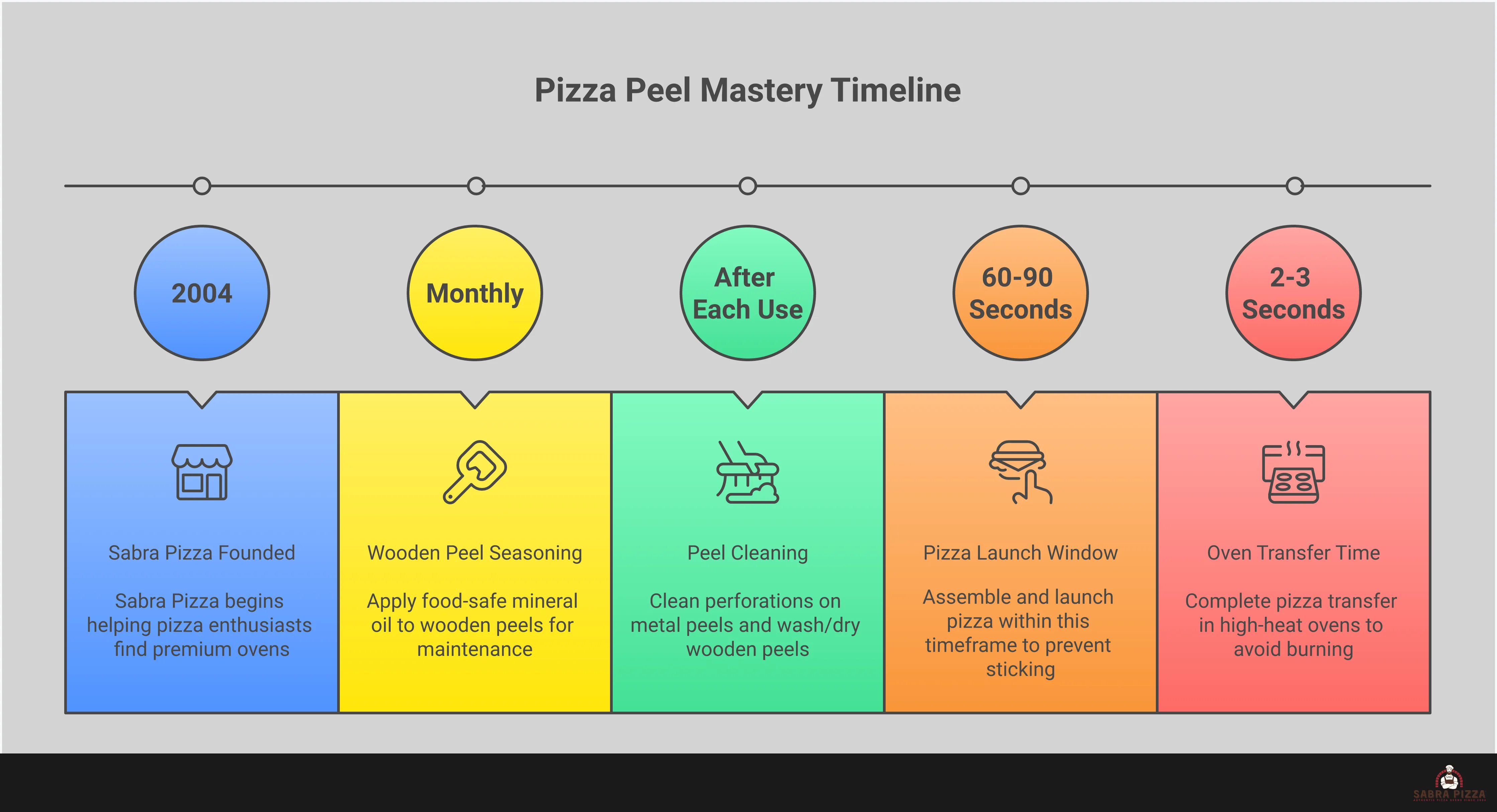
The number one rule for a successful pizza launch is preventing the dough from sticking. The best way to do this is by creating a non-stick barrier on your peel. A generous dusting of flour or, even better, semolina flour is essential. Semolina’s coarse texture acts like tiny ball bearings, allowing the pizza dough to glide smoothly. Before you even think about placing your dough on the peel, sprinkle an even layer across the entire surface where the pizza will sit. Don't be shy with it—a little extra is better than a stuck pizza.
Master the "Shake Test"
Once your pizza is assembled on the peel, it’s time for a crucial final check: the "shake test." This simple move confirms that your pizza is ready to launch. Give the peel a gentle, quick back-and-forth shake. The pizza should slide freely on the surface. If it sticks in any spot, carefully lift the edge of the dough and toss a little more flour or semolina underneath. Performing this test right before you head to the oven ensures your pizza isn’t stuck and is ready for a smooth transfer.
Launch Your Pizza with Confidence
This is the moment of truth. Open your oven door, position the tip of the peel toward the back of your pizza stone or steel, and get ready. The motion is a quick, confident push-and-pull. Start by tilting the peel down slightly and push it forward into the oven. Then, in one swift movement, stop the forward motion and pull the peel back out from under the pizza. The pizza’s own momentum will cause it to slide right off the peel and onto the hot surface of your Alfa Forni™ oven. Hesitation is your enemy here, so commit to the movement.
Avoid Common Sticking Mistakes
The most common reason a pizza sticks is that the dough sits on the peel for too long. As the raw dough rests, its moisture begins to seep through the flour and adhere to the surface. To prevent this, work efficiently. Have all your toppings prepped and ready to go before you stretch your dough. Once the dough is on the peel, add your sauce and toppings quickly. The goal is to minimize the time between assembling the pizza and launching it into the oven. Think of it as a race against moisture.
Build Your Pizza the Right Way
Many professional chefs prefer not to build their pizza directly on the peel at all. Instead, they stretch and top the pizza on a well-floured countertop. Once it’s fully assembled, they slide the prepared peel underneath it in one quick, decisive motion. This technique drastically reduces the amount of time the wet dough is in contact with the peel, making it the most foolproof method for preventing sticking. It might take a little practice to get the slide just right, but it’s a game-changer for a perfect launch every time.
Keep Your Pizza Peel in Top Shape
A great pizza peel is an investment in your pizza-making craft, and with a little care, it will last for years. Like a favorite cast-iron skillet, your peel performs best when properly maintained. Whether you chose a wooden or metal peel, these simple steps for cleaning, seasoning, and storage will ensure it’s always ready for pizza night, guaranteeing a smooth, stick-free launch every time.
How to Clean Your Peel (Wood vs. Metal)
Cleaning your peel correctly is the first step to making it last. For wooden peels, always wash by hand with a soft cloth and mild soap, then dry it completely right away. Never let it soak or put it in the dishwasher, as this can cause the wood to warp. Avoid harsh scrubbers that can damage the surface. Metal peels are more forgiving and can be cleaned with soap and water—just be sure to dry them thoroughly to prevent any water spots or rust.
Season and Protect Your Wooden Peel
If you have a wooden peel, seasoning it is a fantastic way to protect it. Before its first use, apply a light coat of food-safe mineral oil with a clean cloth and wipe off any excess. This simple step creates a protective barrier to seal the wood. Proper wood peel care prevents moisture from seeping in, reduces staining, and helps keep dough from sticking. Re-season it every few months or whenever it looks dry to keep it in prime condition.
Prevent and Fix a Warped Peel
A warped peel can make launching a pizza frustrating, but it’s usually preventable and often fixable. The main culprit is exposure to extreme temperature changes and moisture. To prevent it, never rest your peel on a hot surface like your pizza oven. If your wooden peel starts to curve, you can often fix it by laying it on a flat surface overnight with the bowed side facing up. The gentle pressure should help it flatten back into its original shape by morning.
Store Your Peel Correctly
Where you keep your pizza peel between uses matters. Proper pizza peel storage is essential for preventing damage. The best place is a dry area away from direct heat or high humidity, like a pantry or a hanging rack. Avoid storing it near your oven or dishwasher, as heat and moisture can lead to warping. Storing it upright or hanging it by the handle ensures good air circulation and keeps it flat and ready to go.
Where to Find the Perfect Pizza Peel
Now that you know what to look for, the final piece of the puzzle is finding where to buy the perfect peel. The right retailer can make all the difference, offering not just a product, but the expertise to help you choose wisely. Whether you prefer to shop from the comfort of your home or see the options in person, knowing where to look ensures you get a high-quality tool that will last for years of delicious pizza nights.
Why Shop with Sabra Pizza
When you’re ready to invest in a quality pizza peel, you want to buy from people who live and breathe pizza. At Sabra Pizza, we’ve curated a collection of only the best pizza oven accessories because we know what works. Many pizza pros actually recommend using two different peels: a wooden one for building and launching your pizza and a metal one for turning and retrieving it from the heat. We understand these nuances and carry a selection that allows you to build the perfect toolkit for your setup, ensuring you have the right tool for every step of the process. Our team is always here to help you find exactly what you need.
Understanding Pizza Peel Prices
Pizza peels come in a range of prices, and it’s helpful to know what you’re paying for. An inexpensive peel might seem like a good deal, but it could warp or crack after just a few uses. A higher price point often reflects superior materials and craftsmanship. For example, a quality wooden peel made from a single piece of strong, lightweight basswood will have a smooth, durable surface that won’t release oils into your food. Investing in a well-made peel means better performance, a safer cooking experience, and a tool that will be a reliable part of your pizza-making routine for a long time.
Shopping Online vs. In-Store
Deciding between shopping online or in a physical store comes down to personal preference. Shopping in-store lets you feel the weight and balance of a peel in your hands, but your selection might be limited. Shopping online gives you access to a much wider variety of sizes, shapes, and materials. The key, no matter where you buy, is to be an informed customer. A comprehensive buyer’s guide can help you understand the options so you can make a confident choice. Reputable online retailers like Sabra Pizza provide detailed descriptions and expert support, giving you the best of both worlds: a huge selection and the information you need to choose perfectly.
Related Articles
- How to Use a Pizza Peel: The Ultimate Guide
- 10 Best Pizza Peels of 2025 (Tested & Reviewed)
- The Ultimate Guide to a Pizza Oven Turning Peel
- 10 Pizza Peel Oven Tips for Flawless Pizza
- The Ultimate Pizza Oven Peel Buyer's Guide
Frequently Asked Questions
Do I really need two different pizza peels? While you can certainly get by with one, many serious home chefs find that using two different peels makes the entire process much smoother. The ideal setup is a wooden peel for building and launching your pizza, as raw dough is less likely to stick to its surface. Then, you can use a smaller, round metal peel for turning the pizza inside the hot oven and retrieving it when it's done. This combination gives you the best of both worlds.
What's the best pizza peel for a beginner? If you're just starting out and want to keep things simple, a metal peel is a fantastic choice. They are lightweight, durable, and very easy to clean. Their thin profile makes it easier to slide under a cooking pizza for turning and retrieving. While raw dough can stick to metal more easily than wood, you can master it quickly with a good dusting of semolina and by working efficiently.
How do I stop my pizza from sticking to the peel? Sticking is almost always caused by moisture from the dough seeping through the flour and onto the peel's surface. The two best ways to prevent this are to work quickly and use the right kind of flour. Dust your peel generously with semolina, which acts like tiny ball bearings. Then, assemble your pizza quickly and perform the "shake test"—a gentle jiggle to ensure it moves freely—right before launching it into the oven.
How do I choose the right size peel for my oven? First, measure the opening of your pizza oven. The head of the peel needs to be at least an inch or two narrower than that opening so you can maneuver it easily. Next, consider the size of the pizzas you plan to make and ensure the peel is large enough to support them. For handle length, you want something long enough to keep your hands safely away from the heat, with 36 to 48 inches being a great range for most backyard ovens.
Is a perforated peel really better? Yes, a perforated peel offers a significant advantage. The holes allow excess flour from the bottom of your dough to fall away before the pizza goes into the oven. This is important because that extra flour can burn on the hot oven floor, creating smoke and giving your crust a bitter, scorched taste. It’s a simple feature that helps you achieve a cleaner, crispier, and better-tasting pizza crust.