

If you’ve ever pulled a beautiful, bubbly pizza from the oven only to discover a disappointingly soft, limp crust, you’re not alone. It’s a common frustration that even the best ingredients can’t fix. The culprit is almost always trapped steam, which prevents the bottom of your dough from getting that golden, crispy finish we all crave. A perforated pizza pan is the simple, brilliant solution to this problem. Its design is all about airflow; the small holes allow hot air to circulate directly underneath the pizza, ensuring moisture can escape. This results in a perfectly even bake and a satisfyingly crunchy crust every single time.
Key Takeaways
- Master Airflow for a Crispier Crust: The holes in a perforated pan are designed to let hot air circulate and steam escape. This direct heat exchange prevents a soggy bottom and is the secret to a consistently golden, crunchy crust.
- Preheat Your Pan for a Perfect Bake: The most important step is to heat your empty pan in the oven before adding the dough. This initial blast of heat starts the crisping process immediately and is essential for avoiding a soft base.
- Invest in Quality Materials and the Right Size: Choose a pan made from durable aluminum or steel that fits your oven properly. A well-made, commercial-grade pan offers superior heat distribution and will be a reliable tool for years of pizza making.
What is a Perforated Pizza Pan?
If you’ve ever struggled to get a perfectly crisp pizza crust at home, a perforated pizza pan might be the simple tool you’re missing. Think of it as a standard pizza pan, but with one key difference: it has small, evenly spaced holes across its entire surface. This isn't just for looks; it's a clever design that solves one of the most common pizza-making problems. The perforations are engineered to allow hot air to circulate directly underneath the pizza. This promotes a more even bake and, most importantly, gives steam a place to escape, which is the secret to avoiding a dreaded soggy bottom. It’s a straightforward piece of equipment that can seriously improve your homemade pizza game.
How the Holes Create a Crispier Crust
The magic of a perforated pan is all about airflow and moisture management. When you bake a pizza on a solid pan, steam released from the dough gets trapped between the crust and the metal surface. This trapped moisture is what leads to a soft, sometimes undercooked, base. The holes in a perforated pan completely change the dynamic. They allow the intense heat from your pizza oven to make direct contact with the bottom of the dough, creating that desirable golden-brown, crispy finish. At the same time, those very same holes act as vents, letting steam escape freely instead of getting trapped. The result is a crust that’s perfectly crisp from edge to center.
Perforated vs. Traditional Pans: What's the Difference?
When you place a perforated pan next to a traditional, solid pizza pan, the difference is obvious. A traditional pan provides a solid, flat surface, which is great for many types of baking but can be problematic for pizza. It creates a barrier that can prevent the bottom of the crust from cooking as quickly as the top, leading to an uneven bake. A perforated pan, however, is designed specifically to increase airflow. This not only helps prevent a soggy crust while the pizza is cooking but also helps keep it crisp after it comes out of the oven. By allowing moisture to escape, you avoid that post-bake steaming effect that can soften your hard-earned crispy base. It’s a simple yet highly effective upgrade to your collection of pizza oven accessories.
Why Use a Perforated Pizza Pan?
If you’ve ever pulled a pizza from the oven only to find a disappointingly soft or unevenly cooked crust, a perforated pan might be the simple solution you’re looking for. While pizza stones and steels are fantastic for creating that classic pizzeria char, perforated pans offer a unique set of benefits that make them an essential tool for any home pizza maker. They are incredibly user-friendly and deliver consistent, delicious results by tackling the most common homemade pizza problems head-on.
Get a Perfectly Crispy Crust
The number one reason to use a perforated pizza pan is to achieve a perfectly crispy crust. The secret is in the holes. A perforated surface allows for optimal airflow, letting the hot air of your oven circulate directly underneath the dough. This process does two crucial things: it wicks away moisture that can lead to a soggy bottom, and it ensures the base of your pizza gets golden brown and crunchy while your cheese and toppings stay perfectly melty. It’s the easiest way to get that satisfying crunch in every bite, turning a good pizza into a great one.
Cook Faster and More Evenly
Those little holes do more than just crisp up your crust; they also help your pizza cook more quickly and evenly. With a solid pan, the heat has to work its way through the metal before it can start cooking the dough. Perforated pans, however, allow hot air to hit the crust directly. This increased airflow promotes even cooking from the edge to the very center, eliminating those undercooked, doughy spots. Your pizza will be ready faster, and you’ll get a consistent bake every single time you fire up your outdoor pizza oven.
Enjoy Professional-Quality Pizza at Home
Ultimately, using a perforated pan is about achieving professional-quality results in your own backyard. These pans are designed to mimic the effects of a brick-hearth oven, where intense, dry heat from below is key to a perfect crust. By creating better air circulation, perforated pans help you replicate that environment, making them ideal for getting that pizzeria-style texture at home. It’s a simple piece of equipment that makes a noticeable difference, giving you the confidence to create amazing pizzas. Explore our collection of pizza-making accessories to find the perfect pan for your setup.
How to Choose the Best Perforated Pizza Pan
With so many options out there, picking the right perforated pizza pan can feel a little overwhelming. But finding the perfect one comes down to just a few key factors: the material it’s made from, its size and design, and whether you want the convenience of a non-stick coating. Thinking through these details will help you land on a pan that you’ll love using for years, one that consistently turns out incredible, crispy-crusted pizzas from your oven. Let’s walk through what you need to look for to make the best choice for your kitchen.
Find the Right Material for Durability
When you’re shopping for a perforated pan, you’ll mostly find options made from aluminum or steel. Aluminum is a fantastic conductor, meaning it heats up quickly to give your crust a fast, crisp bake. Steel, on the other hand, retains heat exceptionally well, which helps cook your pizza evenly from edge to edge. The holes are designed to increase airflow and improve cooking performance, which also helps prevent warping over time. A well-made pan from a quality pizza pan material is a true kitchen investment that will stand up to high heat and frequent use.
Pick the Perfect Size and Hole Pattern
Before you add a pan to your cart, take a moment to measure your oven to ensure a good fit. Pans come in a wide range of diameters, so choose a size that matches the pizzas you typically make for your family. The design of the holes also matters. The perforated surface allows for optimal airflow, ensuring your crust gets crispy and golden brown while your toppings stay deliciously melty. Some pans have small, numerous holes, while others have larger, more spaced-out ones. Generally, more holes mean more air circulation and a crispier finish, so consider how you like your crust when making your selection.
Consider Non-Stick and Commercial-Grade Options
A non-stick coating can make cleanup a breeze and help your pizza slide right off the pan. However, it’s important to handle these pans with care to avoid scratching the surface. For those who are serious about their pizza-making, a commercial-grade pan is an excellent choice. These are built to withstand the demands of a professional kitchen, offering superior heat distribution and longevity. Investing in high-quality commercial-grade pizza pans provides excellent performance and lasting durability, making them worth every penny in the long run. This ensures you have a reliable tool for achieving pizzeria-quality results at home.
The Best Perforated Pizza Pan Brands
When you’re ready to invest in a perforated pizza pan, you’ll find plenty of options out there. But just like with any piece of quality cookware, the brand you choose can make a huge difference in performance and durability. A well-made pan will heat evenly, release your pizza easily, and last for years of pizza nights. To help you find the right one, I’ve rounded up a few of the most trusted names in the industry, from commercial-grade workhorses to our own handpicked favorites. These are the brands that consistently deliver that pizzeria-quality crust we’re all chasing.
Our Premium Selection at Sabra Pizza
Here at Sabra Pizza, we’re incredibly selective about the products we offer. We believe your accessories should be just as high-quality as your pizza oven. That’s why our collection of pizza pans and peels features perforated designs crafted for the perfect bake. The holes are strategically placed to let hot air circulate freely, wicking moisture away from the dough and ensuring the bottom of your pizza gets wonderfully crisp without ever becoming soggy. We’ve chosen pans that are durable, easy to clean, and designed to work beautifully in high-heat home ovens, giving you a reliable tool for achieving amazing results every single time.
LloydPans for Commercial-Grade Quality
If you’re looking for a pan that professional pizzerias swear by, look no further than LloydPans. These pans are the real deal—they’re built for the demands of a commercial kitchen, which means they offer incredible durability and performance. LloydPans are famous for their proprietary non-stick coating that’s metal-utensil safe and built to last, so you won’t have to worry about scraping your pizza off the bottom. Investing in one of their commercial-grade pizza pans means you’re getting a tool that provides excellent, consistent results for years, making it a favorite among serious home chefs and culinary pros alike.
Other Professional Favorites: American Metalcraft & Fat Daddio's
Beyond our top picks, a couple of other brands are consistently praised by pizza enthusiasts. American Metalcraft is a staple in the restaurant supply world, known for producing reliable and effective cookware. Their perforated pans are celebrated for creating optimal airflow, helping your crust become perfectly golden brown while the toppings stay just right. Another fantastic option is Fat Daddio's, especially if you love grilling. Their pans are specifically designed to withstand the high heat of a grill, helping you achieve that delicious, smoky flavor reminiscent of a traditional wood-fired pizza oven.
How to Use Your Perforated Pizza Pan
You’ve chosen the perfect pan, and now you’re ready for that perfectly crisp crust. Using a perforated pan is straightforward, but a few key techniques will make a world of difference. Think of it less like a recipe and more like a method—one that guarantees a golden, crunchy base every time. From preheating your oven to the final slice, following these steps will help you get the most out of your new pan and produce pizzeria-quality results right in your own backyard. Let’s walk through the process together.
Prep and Preheat for Success
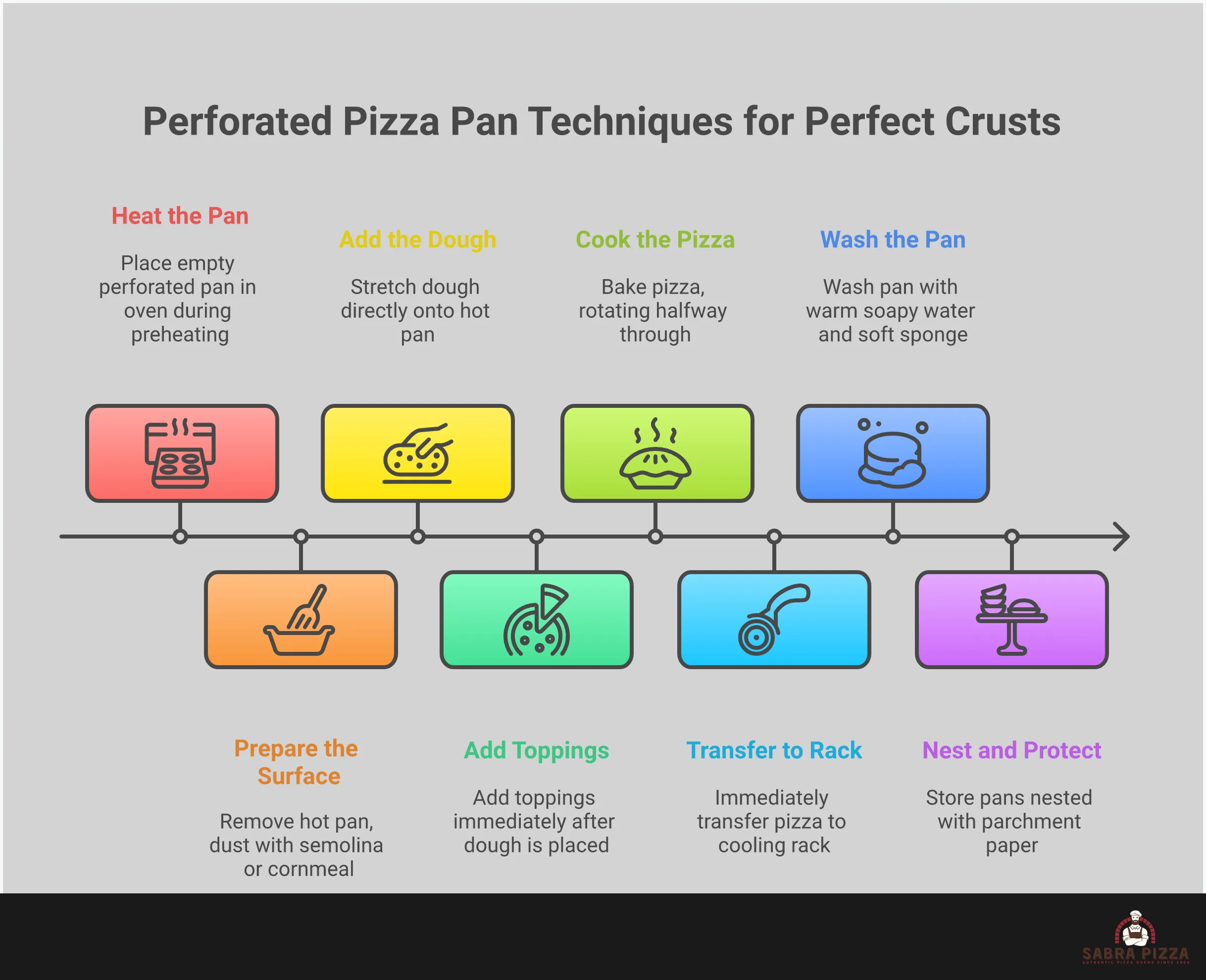
The secret to a crispy crust starts before your pizza even enters the oven. For the best results, you need to preheat your pan. Place the empty perforated pan inside your pizza oven as it heats up. This step is crucial because placing your dough onto an already hot surface gives it an initial shock of heat, instantly starting the cooking process and preventing any sogginess from setting in. This technique ensures hot air can circulate from the very beginning, creating that desirable crispy texture from the bottom up. It’s a simple step that makes a huge impact on your final product.
Handle Dough and Toppings with Care
Once your oven and pan are hot, it’s time to build your pizza. Carefully remove the hot pan and place it on a heat-safe surface. Lightly dusting it with a bit of flour or cornmeal can help prevent sticking. Gently stretch your dough and lay it on the pan. The perforated surface is designed for optimal airflow, which is what makes your crust crispy and golden while keeping your toppings perfectly melted. Be mindful not to overload your pizza with sauce or toppings, as excess moisture can work against the pan’s design. A balanced approach ensures every part of your pizza cooks to perfection.
Master Temperature and Cooking Times
Perforated pans are incredibly efficient. The holes allow hot air to circulate directly to the bottom of the crust, which means your pizza will likely cook faster and more evenly than on a solid pan. This is especially true in a high-performance outdoor oven. Because of this increased airflow, it’s a good idea to check on your pizza a few minutes earlier than you normally would. You’re looking for a golden-brown crust and bubbly cheese. Every oven is different, so your first pizza on a perforated pan might require a little observation to find the perfect timing for your specific setup.
Cool and Remove Your Pizza Like a Pro
You’ve baked a beautiful pizza—don’t let it get soggy now! The moment it comes out of the oven, slide it off the perforated pan and onto a cooling rack or a wooden cutting board. Leaving the pizza on the hot metal pan will trap steam, which creates condensation and softens that crispy crust you worked so hard to achieve. Letting it rest on a rack allows air to circulate underneath, preserving its texture. After a minute or two, you can transfer it to a board, slice it with your favorite pizza cutter, and serve. This final step is your insurance policy for a perfectly crisp bite.
Perforated Pan Mistakes to Avoid
A perforated pan is a fantastic tool for achieving that perfect, crispy crust, but it’s not completely foolproof. Like any piece of quality kitchen equipment, there’s a small learning curve. Getting ahead of a few common hiccups will ensure you get a perfect pizza from your very first bake. Let’s walk through the most common mistakes and how to sidestep them, so you can feel confident every time you slide a pizza into the oven.
Common Pitfalls for Beginners
There’s nothing more frustrating than crafting the perfect pizza only to have it stick firmly to the pan. This often happens when the dough is a bit wet and sinks into the perforations before it has a chance to cook. To prevent this, always create a barrier between the dough and the pan. A light dusting of semolina or cornmeal works wonders. Another common issue is a soggy bottom, which can happen even with a perforated pan if you don’t preheat it. Placing your dough on a cold pan robs it of that initial blast of heat needed to create a crisp crust. Always let your pan get hot in the oven before you stretch your pizza dough onto it.
How to Clean and Care for Your Pan
Keeping your pan in top shape is simple, but it requires a gentle touch, especially if it has a non-stick coating. After you’ve enjoyed your pizza, let the pan cool down before washing. Use warm, soapy water and a soft sponge or cloth to clean it. Avoid using abrasive scrubbers or metal utensils that can scratch the surface and compromise its performance. If you have some stubborn, baked-on cheese, just let the pan soak for a bit before washing. To make cleanup even easier next time, you can lightly grease the pan with oil or a non-stick spray before each use. Proper care ensures your pan will last for years of delicious pizza nights and is just as important as your other pizza oven accessories.
Find Your Perfect Perforated Pan Today
If you’ve been chasing that perfect, crispy-bottomed pizza crust, a perforated pan might just be the key. These pans are brilliantly simple: they’re designed with a pattern of holes that allows hot air to circulate directly underneath your dough. This incredible airflow does two things. First, it helps moisture escape, which is the number one enemy of a crispy crust. Second, it promotes fast, even cooking, giving you that beautiful golden-brown finish without ever becoming soggy.
Think of it as the difference between baking on a solid sheet and baking on a wire rack. The perforated surface ensures your crust gets that satisfying crunch while all your toppings stay deliciously melted on top. Because they offer such great air circulation, many pizza pros consider them an essential tool for achieving that ideal texture. Investing in a high-quality pan means you’re not just buying a piece of metal; you’re adding a reliable tool to your pizza-making arsenal that will deliver consistent, delicious results for years to come.
Whether you’re just starting your pizza journey or looking to refine your technique, the right pan can make all the difference. When you’re ready to see the results for yourself, you can explore a great selection of pizza oven accessories to find the perfect fit for your oven and your pizza style. Get ready to say goodbye to limp crusts and hello to pizzeria-quality pizza right from your own kitchen.
Related Articles
- 4 Best Countertop Pizza Ovens for Home Use
- 5 Best Pizza Peels for Your Pizza Oven (2025 Guide)
- 10 Pizza Peel Oven Tips for Flawless Pizza
- 7 Best Backyard Pizza Ovens (Tested & Reviewed)
- How to Use a Pizza Peel: The Ultimate Guide
Frequently Asked Questions
Do I still need a pizza stone if I have a perforated pan? Think of them as two different tools for two slightly different jobs. A pizza stone is fantastic for absorbing and radiating intense, dry heat, which gives you that classic oven-spring and char. A perforated pan excels at promoting air circulation to guarantee a uniformly crisp, golden-brown crust. You can even use them together by preheating your stone and placing the perforated pan on top of it for an incredibly crispy result.
How do I keep the dough from sticking to the holes? This is the most common concern, but it's easily managed. The key is to create a slight barrier between your dough and the metal. After preheating your pan, a light dusting of cornmeal or semolina flour right before you lay down the dough works perfectly. This tiny layer prevents the wet dough from sinking into the perforations and gives you a clean, easy release after baking.
Can I use a perforated pan in my regular kitchen oven? Absolutely! While these pans perform beautifully in high-heat outdoor pizza ovens, they are just as effective in a standard home oven. The principle of air circulation works the same way regardless of the heat source. Using one in your kitchen oven is a simple way to get a much crispier crust than you would with a typical baking sheet.
Should I assemble my pizza directly on the hot pan? For the best and safest results, it's better to have your toppings prepped and ready to go. Once you carefully remove the preheated pan from the oven, you'll want to work quickly. Place your dough on the pan, add your sauce and toppings, and get it back into the oven. Assembling everything right on the hot surface ensures the crust starts cooking immediately.
Is a non-stick pan better than an uncoated one? It really comes down to personal preference. A non-stick coating makes cleanup incredibly easy and provides extra insurance against sticking. However, you do need to be more careful with metal utensils to avoid scratching it. An uncoated aluminum or steel pan is a durable workhorse that can handle more rugged use, but it may require a bit more flour or cornmeal to ensure the pizza releases cleanly.