

It all comes down to the crust. That perfect balance of a crispy base, a chewy interior, and those beautiful, charred blisters known as “leopard spotting.” This is the hallmark of a truly great pizza, and it’s something that remains frustratingly out of reach in a standard kitchen oven. The secret isn’t a complicated dough recipe; it’s intense, targeted heat that cooks the pizza in minutes, not a half-hour. A dedicated countertop pizza oven is specifically engineered to deliver that blast of heat, transforming your dough instantly. This guide is focused on helping you achieve that perfect result by choosing the best countertop pizza oven for home use.
Key Takeaways
- High Heat is the Secret to a Pizzeria Crust: A dedicated pizza oven's ability to reach 750°F+ is what creates that signature crispy-chewy, leopard-spotted crust. This intense, quick bake is the key difference between a homemade pie and a pizzeria-quality one.
- Match the Oven to Your Kitchen, Not the Other Way Around: Before you choose an oven, measure your counter space, confirm your outlets can handle the power, and think about how many people you'll be feeding. Considering these practical details ensures your new oven fits seamlessly into your home and lifestyle.
- Master the Basics for Consistent Results: Your success hinges on a few key habits. Always let the oven fully preheat for a crispy base, go light on the toppings to prevent a soggy middle, and use the right tools—like a pizza peel—to make the entire process easier and more enjoyable.
What Makes a Great Countertop Pizza Oven?
If you’ve ever tried making pizza in your regular kitchen oven, you know the results can be… well, a little disappointing. It’s often a choice between a burnt bottom or a doughy, undercooked top. A great countertop pizza oven solves this problem entirely, but not all models are created equal. The secret lies in a few key features that work together to replicate the environment of a traditional brick oven, right on your counter.
So, what separates a high-performance machine from a glorified toaster oven? It comes down to three main things: intense heat, even cooking, and precise user control. When an oven nails these three elements, you get the power to produce pizzeria-quality pies with that signature crispy, chewy, perfectly blistered crust. Let’s break down what that really means.
It's All About the Heat
The single biggest difference between a countertop pizza oven and your home oven is temperature. Your kitchen oven likely maxes out around 500-550°F, which simply isn’t hot enough to cook a pizza quickly and correctly. A top-tier countertop oven can reach scorching temperatures of 750°F to over 900°F. This intense heat flash-cooks the pizza in minutes, creating a light, airy crust with a satisfyingly crisp exterior—a result that’s essential for authentic Neapolitan pizza. This high-heat environment is what produces the coveted "leopard spotting" or char on the crust, a hallmark of a truly fantastic pie. Without that extreme temperature, you’re just baking, not creating an authentic pizza experience.
Consistent Cooking for a Perfect Crust
High heat is only half the battle. A great oven also needs to distribute that heat evenly. Think about it: the pizza needs to cook from both above and below at the same time. The best countertop ovens are engineered with heating elements on the top and bottom, ensuring the pizza stone gets incredibly hot while the air inside the oven cooks the toppings and melts the cheese to perfection. This balanced heating system prevents the dreaded soggy bottom or burnt toppings. You need an oven that lets you control the heat so the stone and the dome work in harmony, giving you a uniformly cooked pizza every single time.
Control and Precision
Finally, a great countertop oven puts you in the driver's seat. It’s not just about getting the oven hot; it’s about having the ability to fine-tune the temperature for different pizza styles. For example, a classic Neapolitan pizza thrives in blistering 900°F heat for about 90 seconds, while a New York-style pie prefers a slightly lower temperature for a longer bake. The best models offer adjustable temperature controls, built-in timers, and sometimes even specific presets for different types of pizza. This level of precision allows you to experiment and perfect your technique, turning your kitchen into a true artisan pizzeria.
Our Top Picks: The Best Countertop Pizza Ovens
After countless hours of research and testing, we’ve narrowed down the field to the absolute best countertop pizza ovens you can bring into your home. Whether you're a seasoned pizzaiolo or just starting, there's an oven here that will fit your kitchen, your budget, and your pizza-making ambitions. We looked for ovens that deliver on heat, speed, and consistency, because we know that’s what it takes to turn good pizza into great pizza. These picks represent the best of the best, each with unique strengths that make them stand out. Let's find the perfect one for you.
What to Expect from a Premium Oven
When you invest in a premium countertop pizza oven, you're paying for one thing above all else: heat. A dedicated indoor pizza oven can reach scorching temperatures of 800°F or higher, which is the secret to achieving an authentic Neapolitan pizza with its signature leopard-spotted, crispy-chewy crust. Your standard kitchen oven, which usually tops out around 500-550°F, simply can't replicate that intense, radiant heat. This high temperature cooks the pizza incredibly fast, locking in moisture and flavor for a result that’s worlds apart from a typical homemade pie.
Ooni Volt Electric Pizza Oven
If you’re looking for a versatile workhorse that’s just as comfortable indoors as it is out, the Ooni Volt is a fantastic choice. It’s a master of both Neapolitan and New York-style pizzas, thanks to a brilliant burner system that gets it up to 885°F. It preheats in a quick 15 minutes and can bake a beautiful 13-inch Neapolitan pizza in about 90 to 120 seconds. At around $899, the Ooni Volt offers an incredible balance of performance and convenience, making it one of the best indoor pizza ovens available.
Breville Pizzaiolo Smart Countertop Pizza Oven
The Breville Pizzaiolo is a marvel of engineering, designed specifically to replicate the cooking environment of a traditional brick oven. Its smart burner design is particularly effective for producing exceptional Neapolitan pizzas. It hits a maximum temperature of 781°F and is ready to go in about 18 minutes. Like the Ooni, it cooks a 12-inch pizza in 90 to 120 seconds. Priced just under $899, its intelligent heating system and consistent results make it a top contender for any serious home pizza maker.
Effeuno P134-HA Countertop Pizza Oven
For the enthusiast who demands uncompromising performance, the Effeuno P134-HA is in a class of its own. This Italian-made oven is a powerhouse, capable of reaching temperatures over 1000°F. This incredible heat allows you to cook a perfect 13-inch Neapolitan pizza in as little as 60 seconds. It preheats in just 13 minutes, making it one of the fastest ovens on our list. With a price tag around $1800, it’s a significant investment, but for those seeking the ultimate in speed and authentic pizzeria-quality results, it’s worth every penny.
Chefman Home Slice Personal Pizza Maker
For those just dipping their toes into the world of homemade pizza or working with a tighter budget, the Chefman Home Slice is an excellent starting point. It’s incredibly user-friendly and performs especially well with New York-style pizzas. Reaching up to 835°F, it preheats in about 20 minutes and cooks a 12-inch pizza in around 3 minutes. Priced between $200 and $350, it’s an affordable and accessible option that still delivers a far better pizza than your conventional oven ever could.
Countertop Pizza Oven vs. Your Kitchen Oven: What's the Difference?
You’ve probably made pizza in your kitchen oven before. It works, but if you’re chasing that truly exceptional, pizzeria-style pie, you’ve also probably felt like something was missing. The difference between a standard kitchen oven and a dedicated countertop pizza oven isn't just a matter of degrees—it's a completely different approach to cooking. Your home oven is a multi-purpose appliance designed to bake, roast, and broil a wide variety of foods at moderate temperatures. A countertop pizza oven, on the other hand, is a specialist. It’s engineered for one primary goal: to replicate the intense, high-heat environment of a traditional brick oven. This specialization is what transforms a good homemade pizza into a great one.
Heat, Speed, and That Perfect Crispy Crust
The single biggest difference is temperature. Your kitchen oven likely maxes out around 500°F to 550°F. A quality countertop pizza oven can easily reach 800°F or more. This isn't just a nice-to-have feature; this intense heat is essential for creating the signature crust of an authentic Neapolitan pizza. The blast of heat cooks the pizza in just a few minutes, causing the crust to puff up rapidly. This creates a light, airy interior and a perfectly crisp exterior with those beautiful charred spots known as "leopard spotting." In a standard oven, the longer bake time tends to dry out the dough, resulting in a crust that’s more crunchy than crispy and chewy.
Are They Easy to Use and Energy-Efficient?
Beyond the superior results, countertop pizza ovens offer practical advantages. Think about how long it takes your kitchen oven to preheat. A dedicated pizza oven is much faster, often getting up to temperature in 30 minutes or less, which makes a spontaneous pizza night much more manageable. They are also more energy-efficient for the task. Heating a small, well-insulated pizza oven requires significantly less energy than heating the entire cavity of your large kitchen oven. This efficiency is especially noticeable when you’re making multiple pizzas back-to-back, as the best pizza ovens are designed to retain high heat and recover temperature quickly between bakes.
Can You Make Authentic, Pizzeria-Quality Pizza?
This is the ultimate question, and the answer is a resounding yes. A countertop pizza oven is the key to bridging the gap between homemade pizza and the real deal from your favorite pizzeria. Because home ovens don't get hot enough, achieving that perfect balance of a crisp-yet-tender crust and perfectly cooked toppings is nearly impossible. The high, direct heat of a pizza oven cooks everything quickly and evenly, providing a superior cooking environment. The cheese melts beautifully without burning, the toppings stay fresh and vibrant, and the crust achieves a texture that a conventional oven simply can't produce. It’s this ability to deliver intense, targeted heat that makes all the difference.
Choosing Your Oven: Key Features to Compare
Ready to find the perfect countertop pizza oven? While our top picks are all fantastic, the best one for you comes down to your kitchen, your cooking style, and your pizza ambitions. Think of it like buying a car—you need to look under the hood to see what you’re really getting. To make the right choice, it helps to compare a few key features side-by-side. We’ll walk through the most important factors: temperature, cooking surface, power requirements, and overall ease of use. Understanding these details will help you confidently pick an oven that will turn your kitchen into your neighborhood’s favorite pizzeria.
Getting the Right Heat: Temperature and Distribution
The secret to an incredible, pizzeria-quality crust is intense heat. Your standard kitchen oven typically maxes out around 550°F, which is great for a frozen pizza but won’t give you that authentic Neapolitan-style result. A dedicated countertop pizza oven can reach temperatures of 750°F to 850°F or even higher. This blistering heat cooks a pizza in as little as 90 seconds, creating a light, airy crust with the perfect amount of char, often called "leopard spotting." Just as important as the maximum temperature is how the oven distributes that heat. Look for models with both top and bottom heating elements to ensure the toppings are perfectly cooked while the base gets delightfully crisp.
Cooking Surface and Size: What Matters Most?
Before you buy, think about the size of the pizzas you want to make. Most countertop models are designed for classic 12-inch pies, which is perfect for personal pizzas or small families. Pay attention to the size of the oven's opening and the internal cooking area. A wider opening makes it much easier to launch and turn your pizza without accidentally folding it into a calzone. The cooking surface itself is also critical. The best ovens use a cordierite or ceramic pizza stone, which excels at drawing moisture out of the dough and retaining high heat. This combination is essential for achieving that signature crispy-on-the-bottom, chewy-on-the-inside crust we all crave.
Power Needs and Essential Safety Features
A countertop pizza oven is a powerful appliance, so you’ll need to consider its electrical requirements. Most are designed to run on a standard 120-volt outlet, but they can draw a significant amount of power—around 1,800 watts. It’s a good idea to make sure the oven will be on a dedicated circuit to avoid any issues. Safety is also a top priority. Always place your oven on a heat-resistant surface like granite or quartz, and ensure there’s plenty of clearance around it. Look for models with cool-touch exteriors and well-insulated bodies to protect you from burns. Features like an auto-shutoff timer can also provide extra peace of mind.
How Easy Is It to Use?
One of the biggest advantages of an electric countertop oven is its simplicity. Unlike a traditional wood-fired oven that requires practice to master, most electric models are incredibly user-friendly. You just unbox it, place the stone inside, plug it in, and let it preheat for about 20 minutes. Many premium ovens come with helpful features like digital displays, built-in timers, and even preset cooking functions for different pizza styles, from Neapolitan to New York to thin-and-crispy. This takes the guesswork out of the process, letting you focus on the fun part: creating delicious pizzas. Also, consider cleanup—a removable stone and a simple interior design will make post-pizza maintenance a breeze.
How Much Should You Spend on a Countertop Pizza Oven?
Deciding on a budget for your countertop pizza oven is one of the first, and most important, steps you’ll take. The price range is pretty wide, stretching from a few hundred dollars to a few thousand. What you end up spending really comes down to your goals. Are you just starting and want to see if homemade pizza is your thing? Or are you a seasoned enthusiast determined to replicate an authentic Neapolitan pie in your own kitchen?
Generally, the more you invest, the higher the temperatures, the faster the cooking times, and the more precise the controls you’ll get. Higher-end models often use more robust materials and offer features designed for specific pizza styles. Think of it like buying any other kitchen appliance—you can get a simple toaster that does the job, or you can get one with specialized settings for bagels and artisan bread. We can break the options down into three main categories: entry-level models for beginners, mid-range ovens that hit the sweet spot for most home cooks, and premium ovens for the dedicated pizza aficionado. Let's look at what you can expect in each price range.
Entry-Level Ovens to Get You Started ($200-$500)
If you’re just dipping your toes into the world of homemade pizza, an entry-level oven is a fantastic way to start without a huge financial commitment. These models are perfect for learning the ropes, from stretching dough to understanding heat management. A great example in this category is the Chefman Home Slice, which is known for being affordable and easy to use. It’s particularly good for making New York-style pizzas and can often be found for around $200 to $350. While you might not achieve the blistering heat needed for a 90-second Neapolitan pizza, you can absolutely make delicious, crispy pies that will beat delivery any day of the week. These are some of the best indoor pizza ovens for getting started.
The Sweet Spot: Mid-Range Models ($500-$900)
For most home cooks, the mid-range is where you’ll find the perfect balance of performance and price. These ovens offer a significant step up from entry-level models, providing higher temperatures and more consistent results. The Ooni Koda 16 is a popular choice that’s highly recommended for most home cooks. It runs on propane, is easy to operate, and is portable enough for backyard parties, typically costing around $650. If you don’t have outdoor space, the Breville Smart Oven Pizzaiolo is an excellent indoor option that retails for about $800. Ovens in this price range give you the power and control to experiment with different pizza styles and achieve that perfect, leopard-spotted crust.
For the Enthusiast: Premium Ovens ($900+)
If you’re serious about your craft and won’t settle for anything less than pizzeria-quality results, a premium oven is worth the investment. These machines are built for enthusiasts who obsess over hydration levels and fermentation times. They deliver incredibly high, stable heat for making authentic Neapolitan pizza in under two minutes. The Effeuno P134-HA is a top contender, though it comes with a premium price tag of around $1,800. Other elite options include the Gozney Dome models, which can cost upwards of $2,300. These ovens are for the home chef who wants the absolute best tools to perfect their passion for pizza.
Finding the Perfect Fit for Your Kitchen
It’s easy to get swept up in the excitement of crispy crusts and perfectly melted cheese, but before you click "buy," let's talk logistics. Finding the right model isn't just about temperature ratings and cooking times; it's also about how it will fit into your life and your kitchen. A premium appliance like a countertop pizza oven is an investment, and the last thing you want is for it to become an expensive paperweight because of an unforeseen issue. A unit that's too big for your counter, requires more power than your outlets can handle, or is too small for your family pizza night will quickly lead to frustration.
Taking a few minutes to think through these practical details is the key to making a smart purchase. This isn't the most glamorous part of the process, but it's arguably the most important for your long-term satisfaction. It’s the difference between an oven that you use every week and one that gets pulled out of a closet twice a year. It ensures your new oven becomes a beloved part of your cooking routine, not a source of buyer's remorse. We'll walk through the three key things to consider: your available space, your electrical setup, and how many hungry mouths you plan to feed.
Measure Twice: Checking Your Counter and Storage Space
First things first: grab a tape measure. Countertop pizza ovens can be surprisingly large, so you need to confirm you have enough room. Beyond the oven's footprint, remember to account for "breathing room"—you'll need a few inches of clearance on all sides for proper ventilation and safety. It's also critical to place your oven on a surface that can withstand high temperatures, like granite or quartz, to avoid damaging your counters. And what about when you're not making pizza? Consider the oven's weight and where you'll store it. Make sure you have a convenient, accessible spot that can handle the load.
Check Your Outlets: Understanding Power Needs
These ovens are powerful, and that means they draw a lot of electricity. A standard kitchen outlet might not be enough, especially on a circuit that's already running a microwave or a coffee maker. The proper setup of your oven is essential for safe and effective operation. Before you buy, check the oven's power requirements (usually listed in watts) and compare that to what your kitchen circuits can handle. You'll want to plug it directly into a wall outlet, avoiding extension cords, which can be a fire hazard with high-wattage appliances. If you're unsure, it's always a good idea to consult an electrician.
Personal Pies or Family Feasts? Choosing the Right Size
The ideal oven size really comes down to how you plan to use it. Are you dreaming of solo pizza nights with a perfect 10-inch Neapolitan, or are you hosting family gatherings that require a steady stream of 12- or 13-inch pies? A smaller oven will heat up faster and is perfect for one or two people, but a larger model is a must for entertaining. The oven's capacity directly impacts your entire cooking process, from how you prepare your ingredients to how quickly you can serve everyone. Think honestly about your pizza-making habits to choose a size that matches your lifestyle.
Common Pizza Oven Mistakes (And How to Fix Them)
Bringing a countertop pizza oven into your home is exciting, but there’s a small learning curve to getting that perfect pizzeria-quality pie. It’s easy to make a few simple errors when you’re just starting out. The good news is that they’re all easy to fix. By avoiding these common mistakes, you’ll be crafting incredible pizzas from your very first bake. Let’s walk through the three most frequent missteps and how you can sidestep them for delicious, consistent results every time.
Mistake #1: Not Getting It Hot Enough
Patience is the secret ingredient to a phenomenal pizza crust. One of the biggest mistakes is not letting your oven preheat completely. A countertop pizza oven’s magic comes from its ability to reach incredibly high temperatures, something your conventional oven can’t do. Sliding your pizza in too early will result in a pale, soft, and disappointing crust. To get that signature crispy, leopard-spotted base, you need to give the oven and the cooking stone enough time to get screaming hot. Always follow the manufacturer’s preheating instructions for the style of pizza you’re making—it’s the most important step for achieving a perfectly cooked pizza.
Mistake #2: Overloading Your Pizza
When it comes to toppings, less is truly more. It’s tempting to load up your pizza with all your favorite ingredients, but this often leads to a soggy, undercooked center. Too much weight from sauce, cheese, and toppings can prevent the dough from cooking through before the edges burn. It also makes the pizza heavy and difficult to launch from the peel into the oven cleanly. Instead, focus on using a few high-quality ingredients that complement each other. A light layer of sauce, a balanced amount of cheese, and a handful of toppings will ensure everything cooks evenly and quickly, letting the flavors of your pizza dough and toppings shine.
Mistake #3: Forgetting About Cleaning and Safety
Your pizza oven is an investment, and a little upkeep goes a long way. Neglecting to clean it can lead to burnt-on debris that smokes and imparts a bitter taste to your next pizza. More importantly, proper maintenance is crucial for safe operation. Make it a habit to brush off the pizza stone once it has completely cooled and wipe down the exterior. Always place your oven on a stable, heat-resistant surface with plenty of ventilation, and follow the manufacturer’s safety guidelines. Consistent pizza oven care not only keeps it running safely but also ensures it will perform beautifully for years of pizza nights.
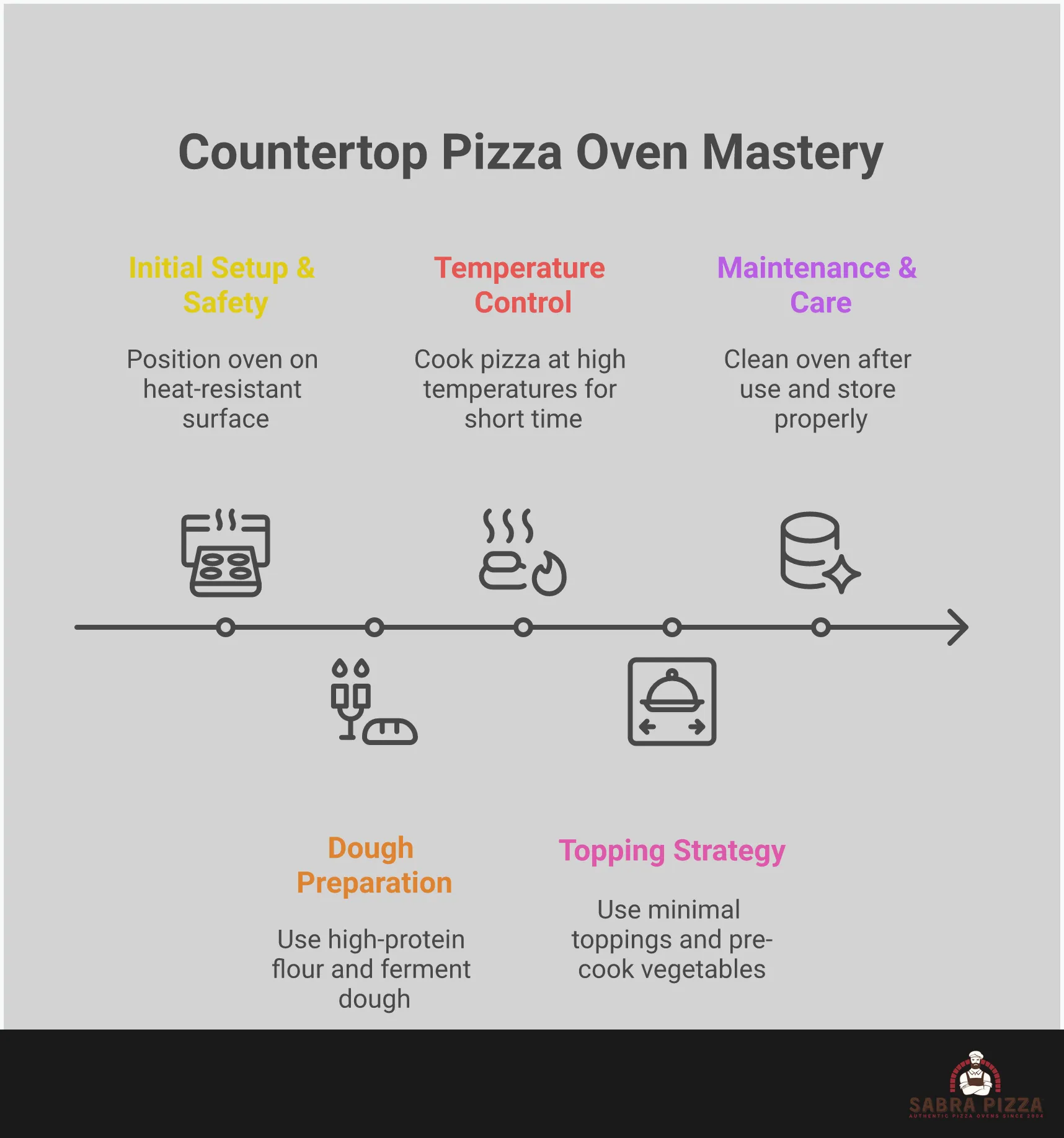
Tips for Making Incredible Pizza in Your New Oven
Once your new oven is unboxed, the real fun begins. Making truly great pizza is a craft, but it’s one you can absolutely master. With a little practice and the right approach, you’ll be pulling pizzeria-quality pies from your countertop in no time. These tips will help you get started on the right foot and turn your kitchen into the neighborhood’s favorite pizza spot.
From Neapolitan to New York: Mastering Different Styles
One of the best parts of having a dedicated pizza oven is the freedom to explore different pizza styles. You can finally achieve that authentic Neapolitan pizza with its signature leopard-spotted crust. Making good Neapolitan pizza at home is notoriously difficult because most kitchen ovens top out around 550°F, while the ideal temperature is between 800°F and 900°F. Your new oven closes that gap, giving you the intense heat needed for a perfect one-minute bake. But don’t stop there. Experiment with a classic New York slice, a thick and cheesy Detroit-style pie, or a crispy Roman-style pizza. Each type of pizza has its own dough, temperature, and technique, making every pizza night a new adventure.
Your Pizza Toolkit: Must-Have Accessories
Having the right oven is step one, but the right tools will make your entire pizza-making process smoother and more successful. At a minimum, you’ll need a pizza peel to launch and retrieve your pies from the hot oven. I also highly recommend an infrared thermometer to check the temperature of your cooking surface for a perfect bake every time. A good pizza cutter (a rocker blade is a game-changer) and a turning peel for rotating the pizza mid-bake are also fantastic additions. Of course, don’t forget about fresh ingredients—they are just as important as your equipment. Investing in a few key pizza oven accessories will make you feel like a pro and help you get consistent, delicious results.
How to Keep Your Pizza Oven in Top Shape
Your countertop pizza oven is a serious piece of culinary equipment, and taking care of it will ensure it performs beautifully for years to come. Proper setup and maintenance are crucial for safe and effective operation. Always allow your oven to preheat fully to the recommended temperature before launching your first pizza. It’s also important not to overload your oven with a pizza that’s too large, as this can lead to uneven cooking and potential safety issues. After you’re done cooking and the oven has completely cooled, take a few minutes to clean the stone and interior according to the manufacturer’s instructions. A little routine care goes a long way in maintaining your oven’s performance and safety.
So, Which Pizza Oven Is Right for You?
Choosing a countertop pizza oven is a big decision, and the best one for you truly depends on your personal pizza-making ambitions. It’s less about finding a single “best” oven and more about finding the right fit for your kitchen, your budget, and the type of pizza you dream of pulling out of the heat. To narrow it down, think about what matters most to you.
Start by considering the type of pizza you want to make. Are you chasing the perfect, leopard-spotted crust of an authentic Neapolitan pie? If so, temperature is everything. Dedicated pizza ovens can reach the incredibly high heat (upwards of 800°F) needed for that signature quick bake, something your standard kitchen oven just can’t do. If you’re more interested in New York-style or crispy thin-crust pizzas, you might prioritize a larger cooking surface over maximum temperature.
Don’t forget to factor in the extras. Most ovens don’t come with all the tools you’ll need, so it’s smart to budget for accessories like a pizza peel for safely sliding pies in and out, and an infrared thermometer to ensure your stone is perfectly preheated. Ultimately, a countertop pizza oven is an investment in quality and a commitment to delicious, homemade food. By thinking through your pizza style and total budget, you can confidently choose an oven that will bring you joy—and amazing pizza—for years to come.
Related Articles
- Best Countertop Pizza Ovens for Your Business
- The 5 Best Tabletop Pizza Ovens (2025 Review)
- How to Choose an Outdoor Countertop Pizza Oven
Frequently Asked Questions
Can I cook anything besides pizza in a countertop pizza oven? Absolutely. While they are designed to perfect pizza, the intense, radiant heat is fantastic for other foods. You can use it to sear a steak, roast vegetables to get a beautiful char, or bake certain types of bread like focaccia or naan. The key is to use cookware that can handle the high temperatures, like a cast-iron skillet, and to keep a close eye on your food since things cook much faster than in a regular oven.
Is it really safe to have an oven that gets to 900°F on my kitchen counter? Yes, these ovens are specifically engineered for safe indoor use. They are built with heavy insulation to keep the exterior from getting dangerously hot, though it will still be warm to the touch. The most important thing is to follow the manufacturer's instructions carefully. This means placing the oven on a heat-resistant surface like granite or quartz and ensuring you have several inches of clearance around the unit for proper ventilation.
Do I need to use a special kind of dough for a high-temperature oven? You don't need a "special" dough, but you will get the best results with a recipe designed for high heat. These doughs typically have a higher water content, known as hydration, which helps the crust puff up quickly and stay tender on the inside while the outside gets crisp. You can certainly use store-bought dough to get started, but learning to make your own is a rewarding part of the process that gives you complete control over the final product.
How much of a difference does the pizza stone actually make? The pizza stone is arguably one of the most critical components. It's not just a shelf to hold the pizza. A good stone, usually made of cordierite, is porous and absorbs a massive amount of heat during preheating. When you launch your pizza onto it, the stone immediately pulls moisture from the bottom of the dough and blasts it with intense, direct heat. This is what creates that signature crisp, never-soggy crust that you just can't get from a metal pan in a conventional oven.
How long does the whole process take on a typical pizza night? While the pizza itself might cook in just 90 seconds, the entire process is a bit longer but still very fast. You should plan for about 15 to 25 minutes for the oven to preheat completely. During that time, you can stretch your dough and add your toppings. Once the oven is hot, each pizza will cook in just a few minutes. The great part is that these ovens recover their heat quickly, so you can cook multiple pizzas back-to-back with almost no waiting time in between.