

When you invest in a premium pizza oven, you’re investing in performance. You want an appliance that heats up efficiently and holds a consistent temperature to bake that perfect, crispy crust every time. This leads to a crucial question for maintaining that performance: do I need a cover for my pizza oven? The answer is a definitive yes, and it has everything to do with moisture. An uncovered oven can absorb rain and humidity, which turns to steam when heated, potentially causing cracks and preventing the oven from reaching its optimal temperature. A cover keeps your oven dry, clean, and always ready for action.
Key Takeaways
- Protect Your Investment from the Elements: A quality cover is your oven's best defense against rain, sun, and snow. It prevents common issues like rust, cracking, and fading, which helps maintain your oven's performance and appearance for the long haul.
- Focus on Fit and Functionality: A snug fit is critical, so measure your oven or choose a brand-specific model. Prioritize key features like waterproof and UV-resistant fabric, air vents to prevent condensation, and secure straps to keep it from blowing off.
- Practice Smart Cover Habits: Always let your oven cool completely before putting the cover on to prevent trapping moisture that leads to rust and mold. Keep the cover clean with mild soap and water, and inspect it periodically for tears to ensure it's always providing reliable protection.
Why You Should Cover Your Pizza Oven
Your outdoor pizza oven is more than just a cooking appliance; it’s the heart of your backyard, a gathering spot for friends and family, and a serious culinary investment. Just like any other valuable piece of outdoor equipment, it needs protection to stay in top shape. While you might think its sturdy construction makes it invincible, leaving it exposed to the elements is a recipe for trouble. A high-quality cover is one of the simplest and most effective ways to ensure your oven performs beautifully for years to come.
Think of a pizza oven cover as essential insurance. It’s your first line of defense against everything nature throws its way, from surprise rainstorms and harsh sun to falling leaves and curious critters. Using a cover consistently does three critical things: it shields your oven from physical damage, significantly extends its operational lifespan, and helps it maintain the consistent, high-heat performance you need to bake the perfect pizza. It’s a small step in your maintenance routine that pays off every time you fire it up.
Protect Your Oven from the Elements
Your pizza oven lives outside, so it’s constantly exposed to the weather. Rain, snow, intense sun, and wind can all take a toll. Moisture from rain and snow is particularly damaging, as it can seep into porous materials and cause cracks or rust over time. The sun’s UV rays can fade the oven’s finish and degrade materials, while wind can blow dust, leaves, and other debris inside. A good cover acts as a barrier, keeping your oven dry, clean, and shielded from the sun. This simple layer of protection is fundamental to keeping your oven looking and working like new.
Extend Your Oven's Lifespan
By shielding your oven from the elements, you’re also preventing the slow, cumulative damage that can shorten its life. Constant exposure to moisture and temperature fluctuations puts stress on the oven’s structure, leading to cracks and corrosion that can be difficult and expensive to repair. A cover minimizes this wear and tear, preserving the integrity of your oven for the long haul. Investing in a quality cover gives you peace of mind, knowing your premium pizza oven is well-protected. It’s a small price to pay to ensure you can enjoy countless pizza nights for many years.
Maintain Peak Performance
A clean, dry oven is an efficient oven. Moisture is one of the biggest enemies of performance because it can get absorbed into the oven’s dome and floor. When you heat the oven, that trapped moisture turns to steam and expands, which can cause cracks and prevent the oven from reaching its optimal cooking temperature. A cover keeps the interior dry and free of debris, ensuring a more consistent and reliable cooking experience. The best pizza oven covers also include features like air vents to prevent condensation, which helps keep the internal environment perfectly dry and ready for your next bake.
Weather That Can Damage Your Pizza Oven
Your outdoor pizza oven is built to be tough, but it’s not invincible. Just like any other piece of high-quality outdoor equipment, it needs protection from the elements to stay in top condition. Leaving it exposed year-round can lead to gradual wear and tear that affects its appearance, performance, and even its structural integrity. Think of a cover as an essential part of your oven setup, not just an optional accessory. It’s your first line of defense against everything nature throws its way.
Different types of weather pose unique threats. Rain and moisture can seep into porous materials and cause rust on metal components. The freeze-thaw cycle of snow and ice can create tiny cracks that grow over time. Even on beautiful sunny days, relentless UV rays can fade the finish and degrade materials. And let’s not forget about wind, which can whip debris against your oven, causing scratches and clogs. Understanding these specific risks is the first step to realizing why a quality cover is such a smart investment for protecting your culinary centerpiece.
Rain and Moisture
Water is one of the biggest enemies of an outdoor pizza oven. Whether it’s a steady drizzle or a torrential downpour, moisture can cause significant problems. For metal ovens, prolonged exposure to rain can lead to rust and corrosion, which can weaken the structure and ruin its beautiful finish. For brick or refractory cement ovens, water can seep into the porous material. If you don't properly cure your oven, this trapped moisture can turn to steam when heated, potentially causing cracks. A waterproof cover is the simplest and most effective way to keep your oven dry, preventing water damage and ensuring it’s always ready for your next pizza night.
Snow and Ice
While most high-quality outdoor ovens are designed to withstand cold temperatures, snow and ice present a unique challenge. The real issue isn't just the cold itself, but the freeze-thaw cycle. When moisture gets into small crevices and then freezes, it expands, putting stress on the oven's materials. Over time, this repeated expansion and contraction can lead to cracking and deterioration. A cover prevents snow from piling up directly on the oven and stops ice from forming in vulnerable spots. This simple layer of protection helps your oven endure the winter so it’s in perfect shape when spring arrives.
Sun and UV Rays
It might seem strange to worry about sunny days, but the sun's ultraviolet (UV) rays can cause slow and steady damage. Just like UV rays can fade your patio furniture, they can also bleach the color and finish of your pizza oven, making it look old and worn. Over a long period, this exposure can also degrade certain materials, making them more brittle. A UV-resistant cover acts like sunscreen for your oven, blocking harmful rays and preserving its original appearance. This helps maintain not only its aesthetic appeal but also its resale value.
Wind and Debris
A windy day can turn small, loose objects into projectiles. Leaves, twigs, dust, and dirt can all be blown into your oven's opening or vents, which means you’ll have a bigger cleanup job before you can cook. More importantly, larger debris like small branches can scratch or dent the exterior. A good cover keeps all of this out, ensuring your oven stays clean and pristine. When choosing one, look for features like secure straps or a drawstring base. This ensures the cover itself won't turn into a kite during a windstorm, keeping it snug and in place when you need it most.
The Benefits of Using a Pizza Oven Cover
Think of a pizza oven cover as an insurance policy for your investment. You’ve chosen a beautiful, high-performance oven to be the centerpiece of your backyard, and a quality cover is the single best way to protect it. It’s a simple step that shields your oven from the elements, keeps it looking pristine, and ensures it’s always ready for your next pizza night. Using a cover consistently defends against everything from surprise rainstorms to fading from the sun, ultimately saving you from potential headaches and costly repairs down the road.
Prevent Moisture and Rust
Moisture is the number one enemy of any outdoor appliance. Rain, snow, sleet, and even morning dew can seep into the smallest crevices of your pizza oven. For ovens with stainless steel components, this moisture can lead to rust and corrosion, which not only looks bad but can also compromise the oven's structural integrity. For traditional brick or refractory ovens, water can cause cracks as it freezes and thaws. A waterproof cover acts as an impenetrable barrier, keeping every part of your oven dry and preventing the kind of long-term water damage that can shorten its life. It’s the easiest way to protect your oven and keep it in perfect working order.
Block Harmful UV Rays
Just like your skin, your pizza oven needs protection from the sun. Constant exposure to harsh ultraviolet (UV) rays can cause the beautiful finish on your oven to fade, discolor, and lose its luster over time. This can turn a vibrant, eye-catching appliance into a dull and weathered-looking one. Beyond aesthetics, UV radiation can also degrade certain materials, causing plastic or rubber components like handles and seals to become brittle and crack. A UV-resistant cover shields your oven from the sun’s damaging effects, preserving its original color and finish. This ensures your oven continues to be a stunning focal point in your outdoor kitchen for years to come.
Keep Out Debris and Pests
An uncovered pizza oven is an open invitation for leaves, twigs, dust, pollen, and bird droppings to collect on and inside it. This means you have a bigger cleaning job to do before you can even think about firing it up. A cover keeps the cooking surface and exterior clean so it’s always ready to go. More importantly, it acts as a barrier against unwanted critters. Spiders, insects, and even small rodents can seek shelter inside an unprotected oven, creating a mess and a potential hazard. A snug-fitting cover with strong, durable construction ensures your oven remains a pest-free zone, ready for cooking, not cleaning.
Improve Safety and Appearance
A well-designed cover does more than just protect; it also enhances the overall look and safety of your patio or backyard. When not in use, a covered oven presents a clean, tidy, and uniform appearance that blends seamlessly with your outdoor decor. Many covers come in neutral colors designed to complement your space. From a safety perspective, a cover can prevent small children or curious pets from touching an oven that may still be warm to the touch after use. It also protects gas fittings and fuel lines from accumulating debris, ensuring connections remain clean and secure for safe operation every time you cook.
The Risks of Not Using a Cover
Leaving your pizza oven exposed might not seem like a big deal, especially if it’s tucked away on a patio. But think of a cover as an insurance policy for your investment. Without one, you’re leaving your oven vulnerable to a host of issues that can cause serious headaches and expenses down the line. The elements are relentless, and consistent exposure to rain, sun, and temperature swings can slowly degrade even the most well-built oven.
This isn't just about keeping it clean; it's about preventing fundamental damage that can shorten its lifespan and impact how well it cooks. From tiny cracks that grow into major problems to a slow decline in heat efficiency, the risks are real. A simple, well-fitting cover is one of the easiest and most effective ways to protect your oven, ensuring it stays in prime condition for countless pizza nights to come. It’s a small step that prevents big problems.
Risk of Long-Term Damage
Moisture is the number one enemy of an outdoor pizza oven. When rain and humidity seep into the oven's dome and hearth, they can cause significant trouble. The real damage happens when you fire it up. As the oven heats, any trapped moisture turns to steam and expands, creating pressure that can lead to cracks in the refractory materials. Over time, these small fissures can grow, compromising the structural integrity of your oven. As the experts at Authentic Pizza Ovens note, this moisture-related damage is a major concern for oven owners. Protecting your oven from the start is the best way to ensure its long-term durability.
Potential for Costly Repairs
Those small cracks caused by moisture can quickly turn into a much bigger, more expensive problem. This is especially true in climates with freezing temperatures. Water that gets into the oven's surface before a big freeze will expand as it turns to ice, widening existing cracks and creating new ones. This freeze-thaw cycle can cause serious structural damage over a single winter. As users on the Forno Bravo Forum discuss, a waterproof layer is critical to prevent this kind of damage. Ignoring this can lead to repairs that are not only costly but also time-consuming, keeping you from enjoying your oven when you want to.
A Drop in Performance
Beyond the visible damage, leaving your oven uncovered can also hurt its cooking performance. An oven that has absorbed moisture won't heat as efficiently. You'll find yourself using more fuel and waiting longer for it to reach the right temperature. The internal temperature may also be less stable, leading to unevenly cooked pizzas. Furthermore, constant exposure to UV rays can degrade seals and finishes, while debris can clog vents. A cover prevents this gradual wear and tear, helping your oven maintain the consistent, high-heat environment needed for that perfect crust. It’s a simple way to make sure your oven performs just as well in its tenth year as it did in its first.
Types of Pizza Oven Covers
Once you’ve brought home your perfect pizza oven, the next step is to protect that investment. Think of a cover as your oven’s personal bodyguard, shielding it from everything nature throws its way. But not all covers are created equal. When you start shopping, you’ll find they generally fall into different categories based on two key factors: how they fit and what they’re made of.
Choosing the right one isn’t just about aesthetics; it’s about getting the best possible protection for your specific oven and climate. A cover that’s perfect for a mild, dry area might not hold up in a place with heavy rain or snow. Understanding the differences between a custom-fit and a universal cover, or between polyester and vinyl, will help you find the ideal match. Let’s walk through the main types so you can make a confident choice.
Custom-Fit vs. Universal Covers
The first decision you’ll likely face is choosing between a custom-fit or a universal cover. A universal cover is designed to fit a variety of oven models within a certain size range. It’s a flexible option, but the fit can sometimes be a bit loose, potentially allowing wind, moisture, and debris to sneak underneath.
A custom-fit cover, on the other hand, is tailored to the exact dimensions of your specific oven model. Brands like Alfa Forni design covers that fit their ovens like a glove, leaving no gaps for the elements to exploit. This snug fit provides superior protection and ensures the cover won’t blow off in a strong gust of wind. While they might be a slightly higher investment, the precise fit offers peace of mind and the most reliable defense for your oven.
Common Cover Materials: Polyester, Vinyl, and More
The material of your cover is its first line of defense. The most common options you’ll see are polyester, vinyl, and canvas, each with its own strengths. Polyester is a popular all-around choice because it’s durable, lightweight, and resistant to shrinking and stretching. It’s often treated with a waterproof coating to keep rain out.
Vinyl is the champion of waterproofing. This heavy-duty material is non-porous, meaning water has nowhere to go but to roll right off. It’s also very easy to wipe clean. Canvas is another durable option, known for its strength and resistance to tearing. Modern canvas covers are typically treated to be water-resistant, though they may require a bit more care to prevent mildew in very damp climates.
How Materials Impact Durability
The material you choose directly affects how long your cover will last and how well it protects your oven year after year. High-quality, weather-resistant materials like heavy-duty polyester and vinyl are specifically engineered to withstand harsh conditions, from intense sun to freezing snow. A well-made vinyl cover, for instance, is excellent at repelling water, causing droplets to bead up and slide off before they have a chance to soak through.
Beyond the fabric itself, look for signs of quality construction. Features like reinforced, double-stitched seams prevent tearing at stress points and add to the cover’s overall lifespan. Investing in a cover made from durable materials and built with care means you won’t have to worry about replacing it every season.
Key Features to Look for in a Cover
Not all pizza oven covers are created equal. When you’re shopping for one, it’s easy to get overwhelmed by the options, but focusing on a few key features will ensure you choose a cover that offers maximum protection and lasts for years. Think of it as an insurance policy for your oven. A great cover does more than just keep the rain off; it protects against a range of environmental factors that can degrade your oven’s materials and affect its performance. Let’s break down exactly what you should be looking for to find a cover that’s worth the investment.
Water and UV Resistance
First and foremost, your cover needs to be a fortress against water and sun. Look for materials that are explicitly labeled as waterproof, not just water-resistant. This prevents rain, snow, and morning dew from seeping through and causing rust or corrosion on your oven’s metal components. Equally important is UV resistance. Constant sun exposure can cause a cover’s fabric to fade, crack, and become brittle over time, compromising its ability to protect your oven. A high-quality outdoor fabric is treated to withstand harsh UV rays, ensuring both the cover and your oven stay in top condition.
A Secure, Snug Fit
What good is a cover if it blows away in the first strong gust of wind? A secure, snug fit is non-negotiable. Look for covers that include built-in fastening systems to keep them firmly in place. Features like adjustable drawstrings at the base, click-close straps that buckle around the oven's legs or cart, and elastic hems create a tight seal. This not only prevents the cover from becoming a neighborhood kite but also stops wind from whipping debris and moisture up underneath it. A custom-fit cover designed for your specific oven model is often the best way to guarantee a perfect, secure fit.
Breathability and Air Vents
It might sound counterintuitive, but a cover that’s completely sealed can sometimes do more harm than good. Trapped moisture from humidity and temperature changes can lead to condensation on the underside of the cover. This creates a damp environment perfect for mold, mildew, and rust. To combat this, the best covers incorporate air vents. These strategically placed, often mesh-covered openings allow for proper air circulation, which helps moisture evaporate and keeps the interior dry. This feature is crucial for maintaining the health and longevity of your pizza oven.
Durable Construction
A cover is your oven’s first line of defense, so it needs to be tough. Pay attention to the details of its construction. The material should feel substantial—heavy-duty polyester is a popular and reliable choice. Check for reinforced, double-stitched seams, which provide extra strength and prevent tearing at stress points. This level of craftsmanship ensures the cover can withstand being taken on and off frequently and resist rips from sharp corners or rough weather. A well-made cover is a long-term investment that saves you from having to buy a replacement every season.
How to Choose the Right Cover for Your Oven
Finding the right cover for your pizza oven is like choosing the right-sized jacket for a winter storm—a good fit makes all the difference. With so many options available, it can feel a bit overwhelming, but focusing on a few key details will simplify the process. The goal is to find a cover that fits snugly, is made from quality materials, and works within your budget. A cover that’s too loose can flap in the wind, collect water, and even fly off, leaving your oven exposed. On the other hand, one that’s too tight can be a real struggle to put on and take off, and the constant strain can cause it to rip at the seams.
Think about it this way: you’ve invested in a beautiful, high-performance pizza oven, and the cover is its first line of defense against everything nature throws at it. It’s a small but essential accessory that protects your oven from rain, sun, and debris, ensuring it stays in top condition for years of pizza parties. A great cover doesn't just shield your oven; it preserves its finish, protects its internal components, and keeps it ready for your next culinary creation. By taking a moment to consider the fit, brand compatibility, and your budget, you can confidently pick a cover that offers maximum protection and peace of mind.
Measure Your Oven Correctly
Before you start shopping, grab a tape measure. An accurate measurement is the single most important step to finding a cover that fits well. You’ll want to measure the widest, deepest, and tallest points of your oven. Don’t forget to account for any handles, chimneys, or side tables that stick out. A cover that fits snugly won’t pool with water or get caught by the wind. A well-fitted cover also puts less stress on the seams, helping it last longer. When you’re comparing options, look for features like reinforced stitching, which adds an extra layer of durability and prevents tearing over time.
Consider Brand-Specific Covers
One of the easiest ways to guarantee a perfect fit is to choose a cover made by your oven’s manufacturer. Brands like Alfa Forni design covers specifically for each of their models, ensuring every curve and component is perfectly protected. These custom-fit covers are tailored to safeguard your oven from dust and moisture without any guesswork. While a universal cover might work, a brand-specific one eliminates the risk of a poor fit and often includes thoughtful details like precise openings for chimneys and handles, making it much easier to use.
Factor in Your Budget
Pizza oven covers come in a range of prices, so it’s helpful to have a budget in mind. Think of your cover as an investment in protecting your oven. While it can be tempting to go for the cheapest option, a low-quality cover might degrade quickly under the sun or tear after one season, forcing you to buy another one sooner than you’d like. Higher-quality covers are typically made from more durable materials like heavy-duty polyester or vinyl, which offer better water and UV resistance. Spending a little more upfront on a well-made cover can save you money and hassle in the long run.
Common Mistakes to Avoid
Investing in a quality pizza oven cover is a fantastic first step, but using it correctly is what truly protects your oven for years to come. It’s easy to think you can just throw it on and forget about it, but a few common missteps can actually do more harm than good. From choosing the wrong size to putting the cover on too soon, these simple errors can reduce the lifespan of both your cover and your oven.
The good news is that these mistakes are completely avoidable. By taking a moment to understand the right way to select, use, and care for your cover, you ensure your pizza oven remains the star of your backyard gatherings. Think of it as the final, crucial step in setting up your perfect outdoor kitchen. Let’s walk through the most frequent slip-ups so you can sidestep them with ease.
Choosing the Wrong Size
When it comes to pizza oven covers, one size does not fit all. A cover that’s too large will flap around in the wind, potentially tearing or blowing away completely, leaving your oven exposed. It can also allow pests and debris to sneak underneath. On the other hand, a cover that’s too small will be a struggle to get on and off and won’t provide full coverage, leaving parts of your oven vulnerable to the elements. A snug fit is essential for proper protection. Always measure your oven before buying a cover, and look for one with features like drawstrings or straps to create a secure fit.
Forgetting to Clean Your Cover
Your pizza oven cover works hard to protect your oven from dirt, dust, and bird droppings, but it needs a little TLC, too. Over time, a dirty cover can become less effective and may even transfer grime back onto your clean oven. Neglecting to clean it can also lead to the breakdown of the fabric’s protective coatings. To keep it in top shape, simply hose it down periodically and use a soft brush with mild soap for any stubborn spots. Make sure you let it dry completely before putting it back on the oven or storing it away. This simple step is a key part of your overall pizza oven maintenance routine.
Covering a Hot Oven
Patience is a virtue, especially after you’ve finished cooking. One of the most damaging mistakes you can make is covering your pizza oven while it’s still hot or even warm. Trapping that residual heat and steam creates a humid, sauna-like environment under the cover—the perfect recipe for rust and corrosion. This moisture can also encourage mold and mildew growth. Furthermore, the high heat can melt or damage the cover’s material, ruining its protective qualities. Always allow your oven to cool down completely to the touch before you even think about putting its cover on for the night.
Picking a Non-Breathable Material
You want a cover that’s waterproof, but you also need it to be breathable. A cover made from a completely non-porous material, like a basic plastic tarp, will trap moisture from condensation. As the air temperature fluctuates, moisture can form on the inside of the cover and the surface of your oven, leading to rust and mold. The best covers are made from weather-resistant fabrics that also allow moisture to escape. Look for key features like built-in air vents, which promote circulation and help keep the interior dry. This small detail makes a huge difference in preventing long-term moisture damage.
How to Care for Your Pizza Oven Cover
You’ve invested in a quality cover to protect your pizza oven—that’s a fantastic first step. But the care doesn’t stop there. Just like your oven, your cover needs a little attention to keep it in top shape. A well-maintained cover provides better protection and lasts much longer, ensuring your pizza oven stays clean, dry, and ready for your next pizza night. Here’s how to properly care for your pizza oven cover.
Clean Your Cover Correctly
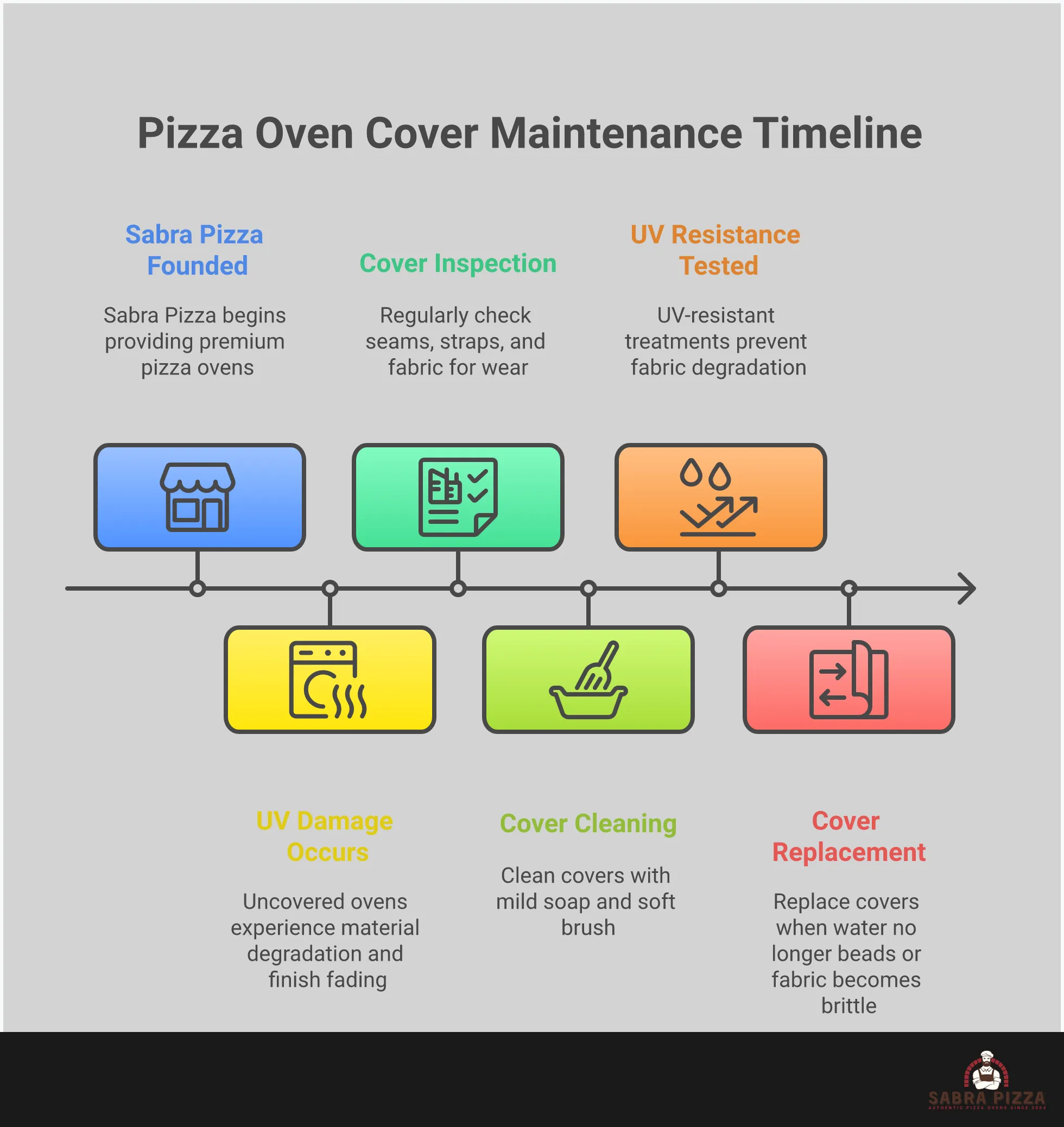
Keeping your cover clean is simple but important. Over time, it will collect dust, pollen, bird droppings, and other outdoor grime. To clean it, just use a soft brush to sweep off loose debris, then wipe it down with a cloth, mild soap, and water. Avoid using harsh detergents or bleach, as they can strip the cover’s protective waterproof and UV-resistant coatings. A clean cover not only looks better but also prevents mold and mildew from growing and keeps you from transferring dirt onto your oven. Think of it as a quick task that helps preserve the fabric's integrity for the long haul.
Dry and Store It Properly
Moisture is the enemy of both your oven and its cover. After cleaning your cover, or after a heavy rain, make sure it is completely dry before placing it back on the oven. Trapping moisture underneath can create a humid environment, which is the perfect setup for rust or mildew. If you plan to store your cover for a while, fold it loosely and keep it in a dry, well-ventilated area like a garage or shed. Never store it in an airtight container where condensation can form. Proper drying is a simple step that prevents a lot of future headaches.
Inspect for Wear and Tear
Give your cover a quick once-over every few months, especially after a storm or a long season of use. Look for any small rips, punctures, or seams that might be pulling apart. Catching these issues early means you might be able to patch them up before they become major tears that leave your oven exposed. Also, check the straps, buckles, and drawstrings to make sure they’re still in good working order. A cover that can’t be secured properly won’t do much good in a strong wind. Regular inspections are key to making sure your cover is always ready to provide reliable protection.
Know When It's Time for a New One
Even the best covers won’t last forever. If you notice the material has become brittle, is cracking, or feels stiff, it’s likely lost its protective qualities due to sun exposure. Another clear sign is when water no longer beads up and rolls off but instead soaks into the fabric. At that point, the cover is no longer waterproof and can’t protect your oven from moisture. While it can be tempting to push it for one more season, a worn-out cover offers a false sense of security. Investing in a new one is a small price to pay to protect your oven. You can find a great selection of durable pizza oven covers designed to fit your specific model.
Related Articles
- The Best Pizza Oven Cover: A Buyer's Guide
- The Ultimate Outdoor Pizza Oven Cover Guide
- 5 Best Pizza Oven Covers with Chimney (2025)
Frequently Asked Questions
Is a cover really necessary if my oven is made of stainless steel or brick? Yes, it absolutely is. Even the toughest materials have vulnerabilities. Stainless steel can still rust at seams and around hardware when constantly exposed to moisture. Brick and refractory cement are porous, meaning they can absorb water from rain and humidity. When you fire up a damp oven, that trapped water turns to steam and can cause cracks. A cover is the best way to prevent this kind of long-term damage.
Can I just use a generic tarp from the hardware store instead? While it might seem like a good way to save money, a generic tarp can actually do more harm than good. Tarps are not breathable, so they trap condensation underneath, creating a damp environment that’s perfect for rust and mildew. They also lack a secure fit, which means wind can whip debris underneath or blow the tarp off completely, leaving your oven exposed when you need protection most.
How soon after cooking can I put the cover on my oven? This is a crucial question. You should always wait until your oven is completely cool to the touch before covering it. Putting a cover on a warm oven traps heat and steam, which creates a humid, sauna-like atmosphere. This moisture is a primary cause of rust and can even damage the cover's material over time. It’s always best to be patient and let it cool down fully.
What's more important: a custom fit or a high-quality material? The best answer is that they work together. A high-quality, waterproof material can’t do its job effectively if the cover is loose and flapping in the wind, allowing rain and debris to get underneath. A snug fit ensures the protective fabric stays in place and provides a complete barrier. If you have to choose, start by finding a cover that fits your oven’s dimensions perfectly, then select the most durable, weather-resistant material you can.
How do I clean my cover without damaging its waterproof coating? Keeping your cover in great shape is simple. For most dirt and dust, you can just hose it down or wipe it with a damp cloth. If you have more stubborn spots, use a soft brush with a solution of mild soap and water. The most important thing is to avoid harsh chemical cleaners or detergents, as they can strip away the fabric's protective coatings. Always let the cover air dry completely before putting it back on your oven.