

When you bring home a new pizza oven, the first thing you want to do is fire it up. The last thing on your mind is what happens when the party’s over. But one of the most common mistakes new owners make is leaving their valuable oven unprotected. Without a proper shield, your oven is vulnerable to everything from moisture that can ruin its insulation to UV rays that can crack its finish. A purpose-built outdoor pizza oven cover is the simple solution that prevents these costly problems. This guide is your complete resource for making the right choice, covering everything from durable materials to a secure fit.
Key Takeaways
- A Cover Is Your Oven's Best Defense: It's the most effective way to protect your oven from rain, sun, and debris, which prevents rust, preserves the finish, and ensures your oven heats up efficiently every time.
- Focus on Fit and Fabric: A snug, custom-fit cover won't blow away or trap moisture, while high-quality, breathable material provides a waterproof barrier that prevents mold and UV damage.
- Invest in Quality to Save Money Later: A cheap, generic cover can fail quickly and leave your oven exposed. Spending a little more on a durable, well-made cover is a smart move that protects your larger investment and prevents costly repairs.
Why You Need a Pizza Oven Cover
Think of your outdoor pizza oven as the heart of your backyard kitchen. It’s a serious investment in delicious food and memorable gatherings, and just like any other premium appliance, it needs proper care to stay in top shape. While you might think its sturdy construction makes it invincible, leaving it exposed to the outdoors year-round is a recipe for trouble. A high-quality cover isn't just an optional accessory; it's the single most important tool for protecting your oven.
Using a cover is a simple, proactive step that shields your oven from damage, preserves its beautiful finish, and ensures it’s always ready for your next pizza night. It’s the easiest way to safeguard your investment against everything nature throws its way, from sudden downpours to harsh sun. By keeping it protected, you’re not just maintaining its appearance—you’re ensuring it performs flawlessly for years to come.
Shield Your Oven from the Elements
Your pizza oven is built to handle high heat, but it’s not designed for constant exposure to harsh weather. Rain, snow, and humidity can be particularly damaging, as moisture can seep into the oven and compromise its delicate insulation materials. This can lead to longer heat-up times and inconsistent cooking temperatures. A quality cover acts as a crucial barrier, keeping your oven dry and ready to use. It also protects the exterior finish from fading under intense UV rays and prevents dust, pollen, and bird droppings from staining the surface, keeping your oven looking as good as it cooks.
Extend Your Oven's Lifespan
A pizza oven cover is a small investment that protects a much larger one. Consistent exposure to the elements causes wear and tear that can shorten your oven's life. Rust can form on metal components, and temperature fluctuations can cause materials to expand and contract, potentially leading to cracks over time. By using a cover, you create a protective shield that significantly slows this aging process. This simple habit helps your oven last longer and preserves its aesthetic appeal, ensuring it remains a stunning and functional centerpiece in your outdoor space for countless seasons of delicious pizza.
Maintain Peak Performance
A clean, dry oven is an efficient oven. When debris like leaves, twigs, or dust gets into your oven's vents or cooking chamber, it can interfere with airflow and performance. More importantly, moisture from rain and snow can be detrimental to your oven's ability to heat up quickly and maintain a consistent temperature. A well-fitted cover is your first line of defense, ensuring the internal components stay pristine. This means every time you fire it up, you can count on reliable, peak performance and perfectly cooked pizzas without any surprises. Proper pizza oven maintenance starts with a great cover.
What to Look for in a Pizza Oven Cover
Your pizza oven is the heart of your outdoor kitchen, and a quality cover is its best line of defense. Think of it as a dedicated bodyguard for your investment, protecting it from everything nature throws its way. But not all covers are created equal. A cheap, flimsy cover might look fine at first, but it can quickly degrade, leaving your oven exposed. To make a smart choice, you need to know which features truly matter. From the fabric that shields it from downpours to the straps that hold it steady in a storm, every detail contributes to the longevity and performance of your oven. Let’s walk through the five key features that separate a great pizza oven cover from a mediocre one.
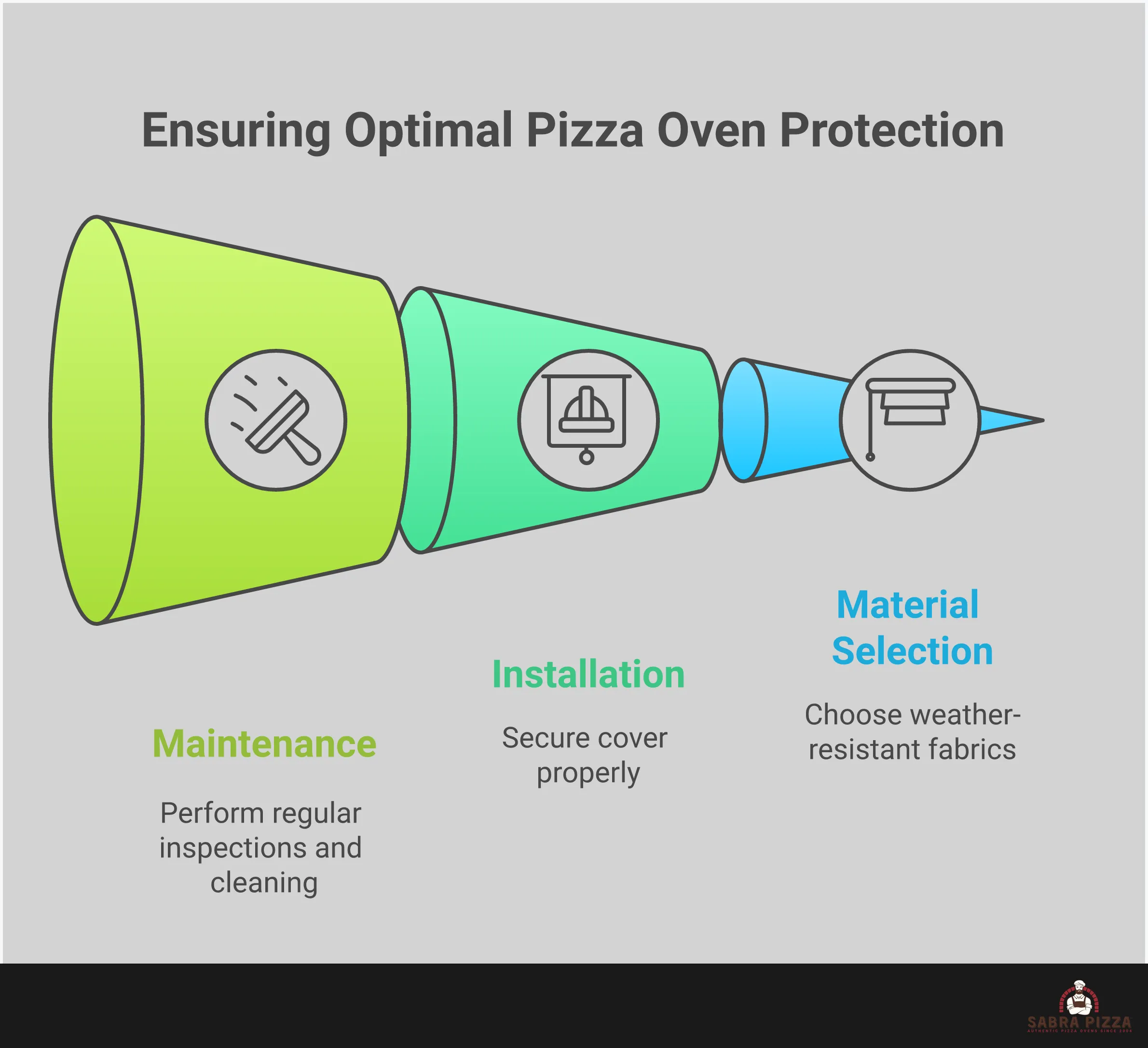
Durable, High-Quality Materials
The foundation of any great cover is the material it’s made from. You want a fabric that is tough enough to handle sun, rain, wind, and snow without tearing or degrading. Look for heavy-duty, solution-dyed polyester or vinyl, which are known for their strength and resistance to fading. A quality cover should feel substantial, not thin or plasticky. As the experts at ilFornino note, the best covers are "made from material that can handle all kinds of weather," ensuring they won't let you down after a single season. Investing in a cover made from premium outdoor fabrics means you’re getting a product designed for years of reliable protection, not just a temporary fix.
All-Weather Protection
A good cover does more than just keep your oven dry; it provides complete protection from the elements. This means creating a barrier against rain that could seep into the oven's insulation and cause damage over time. According to Fontana Forni, "A cover will also help to shield the insulation materials of your oven from moisture (snow/rain) that could eventually deteriorate it." This is critical because compromised insulation can affect your oven's heat retention and overall performance. Beyond moisture, a quality cover also shields the oven's finish from harsh UV rays that can cause fading and cracking, keeping your oven looking as good as the day you bought it.
A Secure, Custom Fit
A baggy, ill-fitting cover is almost as bad as no cover at all. If it’s too loose, wind can whip it around, causing it to tear or fly off completely. Gaps can also allow rain, leaves, and pests to get underneath, defeating the purpose of the cover. That’s why a snug, custom fit is so important. Many premium oven brands, like Alfa Forni, offer covers designed specifically for each model. These covers "fit like a glove," leaving no room for the elements to sneak in. When shopping, look for a cover that matches your oven's exact dimensions to ensure you get the tight, secure protection your investment deserves.
Proper Ventilation
While sealing out moisture is crucial, you also need to let your oven breathe. Without proper air circulation, condensation can get trapped underneath the cover, creating a humid environment that’s a perfect breeding ground for mold and mildew. The best covers solve this problem with built-in vents. These vents are cleverly designed to let air flow freely while still keeping rainwater out. As Coverstore explains, "The covers are made to keep water out and let air through, which is good for your oven." This small but essential feature helps maintain the oven's condition and ensures that when you pull the cover off, you’re greeted with a clean, ready-to-use oven.
Strong Fastening Systems
Even the best-fitting cover won't do much good if it blows away in the first strong gust of wind. A reliable fastening system is what keeps your cover securely in place, no matter the weather. Look for features like adjustable drawstrings at the base, sturdy buckles, or Velcro straps that wrap around the oven's legs or cart. These systems allow you to cinch the cover tight for a truly custom and wind-proof fit. A simple drawstring, for example, "keeps the cover securely in place for unyielding coverage." When you’re comparing options, pay close attention to these details—they are often the difference between a cover that stays put and one you have to chase across the yard.
How to Find the Perfect Size
Finding the right pizza oven cover isn’t like buying a generic tarp from the hardware store. A cover that’s too tight is a struggle to get on and off and can rip at the seams, while one that’s too loose can flap in the wind, causing abrasion, or worse, trap moisture underneath. Think of it as a tailored suit for your oven—the fit is everything. A perfectly sized cover offers the best protection and is much easier to handle.
Getting the size right from the start saves you the headache of returns and ensures your oven is properly shielded from day one. It’s a simple process, but it requires a little attention to detail. Let’s walk through the exact steps to make sure you get a cover that fits your oven like a glove and protects your investment for years of delicious pizza nights.
Measure Your Pizza Oven Correctly
First things first, grab a tape measure. Don’t rely on the manufacturer's listed dimensions, as they might not account for handles or other protrusions. You’ll want to get three key measurements: width, depth, and height. For width, measure from the widest point on the left to the widest point on the right. For depth, measure from the very front to the very back. For height, measure from the base to the highest point, which is usually the top of the chimney. Write these numbers down so you have them handy when you start shopping for the right outdoor cover.
Decode Cover Dimensions
When you look at a product page for a pizza oven cover, you’ll see its dimensions listed. Your job is to compare your oven’s measurements to the cover’s. You’re looking for a cover that is about one to two inches larger in width and depth. This little bit of wiggle room makes it easy to slip the cover on and off without a fight. However, you don’t want it to be much bigger than that, as a baggy fit can allow water to pool. A snug fit is what properly shields the insulation materials and keeps your oven dry and ready for action.
Factor in Carts and Shelves
This is where many people make a mistake. Don’t just measure the oven dome itself; you need to measure the entire setup. If your oven sits on a cart or has attached side shelves, those need to be included in your width and depth measurements. Measure the total footprint of everything you want to be covered. If your oven is on a stand, measure the height from the top of the stand to the top of the chimney. Thinking about your entire outdoor kitchen setup will help you choose a cover that protects everything, not just part of it.
Avoid Common Sizing Mistakes
Let’s quickly run through the most common sizing slip-ups so you can steer clear of them. The biggest mistake is simply guessing or "eyeballing" the size. Always use a tape measure. Another frequent error is forgetting to measure the chimney or side tables. Finally, avoid the temptation to buy a cover that’s way too big, thinking it will be easier. An oversized cover won't offer better protection; it will just collect rainwater and get blown around by the wind, potentially damaging both the cover and your oven. Taking a few extra minutes to measure accurately will make all the difference.
A Guide to Cover Materials
The material of your pizza oven cover is its first and most important line of defense. Think of it like a high-performance jacket for your oven—it needs to be tough, weatherproof, and breathable to do its job right. Not all fabrics are created equal, and choosing the right one can mean the difference between an oven that lasts for decades and one that shows its age after just a few seasons. Let’s walk through the key material properties you should look for to ensure your oven gets the protection it deserves.
What to Know About Premium Fabrics
When you invest in a premium pizza oven, pairing it with a generic, flimsy cover just doesn’t make sense. High-quality covers are made from durable, heavy-duty polyester or solution-dyed fabrics designed to withstand years of use. These materials resist tearing, abrasions, and fraying. More importantly, premium covers are often custom-made for specific oven models. A cover that fits like a glove isn't just for looks; it prevents wind from getting underneath and turning your cover into a sail, ensuring it stays put and provides consistent protection.
The Importance of Waterproofing
Water is the number one enemy of any outdoor appliance. A truly waterproof cover is essential to shield your oven from rain, snow, and even morning dew. Over time, moisture can seep into the oven's insulation, damage the finish, and cause metal components to rust. A quality cover is designed to protect your oven from moisture that could eventually cause deterioration. Look for covers with sealed seams and a waterproof membrane or coating. This feature is non-negotiable for keeping your oven in pristine, ready-to-use condition.
Why UV Protection Matters
If your oven sits in a sunny spot, protection from the sun's ultraviolet (UV) rays is just as important as waterproofing. Constant sun exposure can cause a cover’s fabric to fade, weaken, and become brittle over time, eventually leading to cracks and tears. This is especially true if you live in a harsh, sunny environment. A cover with a high UV resistance rating will not only last longer itself but will also protect your oven’s finish from fading and discoloration, keeping it looking as beautiful as the day you got it.
The Role of Breathability
It might seem counterintuitive, but you want a cover that can breathe. While a cover needs to keep water out, it also needs to let moisture escape. Temperature changes can cause condensation to form on the inside of the cover. If that moisture gets trapped, it can create a damp environment perfect for mold, mildew, and rust. A breathable fabric allows this condensation to evaporate. This is a critical feature that protects the oven's delicate insulation and metal parts, ensuring it performs at its best every time you fire it up.
Our Top Pizza Oven Cover Picks
After all the research, you might be wondering which cover is actually the right one for you. While the perfect choice depends on your specific oven and climate, I’ve rounded up some of my favorite options across different categories to help you get started. These are brands known for their quality materials and thoughtful design, giving you a great starting point for your search.
Sabra Pizza Premium Covers
When you’ve invested in a high-performance pizza oven, getting a cover that’s made for it just makes sense. Our Sabra Pizza premium covers are designed to provide a perfect, snug fit for the ovens we sell, especially our popular Alfa Forni models. Think of it as a tailored suit for your oven. This eliminates any guesswork with sizing and ensures there are no gaps where moisture or debris can sneak in. We use heavy-duty, weather-resistant fabrics that protect against rain, snow, and harsh sun, keeping your oven in pristine condition. A custom-fit cover is truly the best way to safeguard your investment for years of delicious pizza nights.
Other Premium Covers We Recommend
We know there are other fantastic brands out there, and it’s important to have options. If you’re looking for another top-tier choice, we often recommend ilFornino. They are well-regarded for their durable covers made from materials designed to handle just about any weather condition you can throw at them. Their covers feature robust construction and are specifically designed for their own line of high-quality ovens. If you own an ilFornino pizza oven, their proprietary cover is an excellent choice that you can trust to provide serious, long-lasting protection. They focus on creating a product that stands up to the elements season after season.
Great Mid-Range Options
You don’t need to break the bank to get a reliable cover that does its job well. For a fantastic balance of quality and price, Fontana Forni USA is a brand worth checking out. They offer a range of covers that provide solid protection without the premium price tag. These covers are a significant step up from generic, one-size-fits-all options you might find at a big-box store. They use quality materials designed to shield your oven from the elements and extend its life. If you’re looking for a dependable workhorse of a cover, Fontana Forni’s selection is a great place to find a practical and effective solution.
Finding the Best Value
Ultimately, the best value comes from choosing a cover that effectively protects your oven, saving you from costly repairs or premature replacement down the line. While it might be tempting to grab the cheapest option available, a low-quality cover can degrade quickly, leaving your expensive oven exposed. A good cover is a small but crucial investment. Even though it’s not strictly required, it’s highly recommended for protecting your wood-fired oven and keeping it looking and performing its best. Think of it this way: spending a little more on a quality cover now is the smartest way to protect the much larger investment you made in your pizza oven.
How to Install and Care for Your Cover
Once you’ve chosen the perfect cover, using it correctly is the key to getting the most out of your investment. A little bit of care goes a long way in protecting your pizza oven and ensuring your cover lasts for years. Think of it as simple upkeep that guarantees your oven is always ready for your next pizza night. Proper installation, cleaning, and storage are straightforward steps that make a huge difference in maintaining your oven's condition and appearance.
Installing Your Cover Correctly
Getting the fit right is the most important first step. Your cover should be snug but not so tight that you have to wrestle it on and off. A proper fit ensures there are no gaps where rain, leaves, or pests can sneak in. Before securing it, make sure your oven has completely cooled down. Pull the cover down evenly on all sides, smoothing out any wrinkles to prevent water from pooling. A well-fitted cover is the first line of defense, and experts agree that keeping your oven properly enclosed and protected is crucial for its longevity.
Simple Seasonal Maintenance
Your pizza oven cover works hard, so it’s a good idea to check on it every so often. A quick inspection for any small tears or signs of wear can help you catch issues before they become major problems. After a heavy rain or snow, check to make sure moisture hasn't become trapped underneath, especially if your cover isn't very breathable. While a waterproof cover is essential, breathability is what stops mold and mildew from forming. Giving the cover—and your oven—a chance to air out on dry, sunny days is a great habit to get into.
The Right Way to Clean Your Cover
Keeping your cover clean helps maintain its protective qualities and keeps your patio looking sharp. For most dirt and grime, a simple solution of mild soap and water is all you need. Use a soft cloth or sponge to gently wipe down the surface, and then rinse it thoroughly with clean water. Be sure to let it air dry completely before putting it back on the oven. Avoid using harsh chemical cleaners or abrasive brushes, as they can damage the waterproof coating and fabric. When in doubt, always check the manufacturer’s product guidelines for specific cleaning instructions.
Storing Your Cover Properly
During seasons when you’re using your pizza oven frequently, you might be taking the cover on and off a lot. When it’s not on the oven, store it in a cool, dry place like a garage or a deck box. Folding it neatly will prevent creases and damage. If your cover came with a storage bag, use it! This will keep it free from dust and dirt, so it’s clean and ready to go when you need it again. Proper storage is especially important if you plan to keep your oven under a covered patio for extended periods and won't be using the cover.
Common Pizza Oven Cover Myths, Busted
When you invest in a beautiful outdoor pizza oven, the last thing you want is for it to lose its luster or performance. Yet, there are quite a few misconceptions floating around about pizza oven covers that can lead people to skip this crucial accessory. Some think their oven is tough enough to handle the elements on its own, while others believe any old tarp will do the trick. Let's clear the air and look at the facts. A high-quality cover isn't just a dust sheet; it's an essential piece of gear that protects your oven's integrity, appearance, and longevity. Think of it as affordable insurance for one of your favorite backyard features. By understanding the truth behind these common myths, you can make sure your oven stays in prime condition for countless pizza nights to come.
Material Myths vs. Reality
One of the biggest myths is that any generic grill cover or plastic tarp is good enough. The reality is that pizza ovens have unique shapes, vents, and chimneys that a one-size-fits-all cover simply can't accommodate properly. An ill-fitting cover can trap moisture underneath, creating a humid environment that encourages rust and mildew. It can also flap in the wind, potentially scratching your oven's finish. That’s why premium oven covers are custom-made to fit specific models like a glove. This snug fit ensures every part of your oven is shielded without leaving gaps for rain or debris to sneak in, providing far superior protection than any generic alternative.
The Truth About Weather Protection
It’s easy to assume that an oven built from stainless steel and refractory brick is invincible. While these materials are certainly durable, they aren't immune to the persistent effects of weather. Continuous exposure to moisture from rain and snow can eventually seep into the oven's insulation, reducing its efficiency and leading to long-term deterioration. For metal components, this moisture is a direct invitation for rust. A proper cover acts as your oven's first line of defense, shielding it from the elements and preserving both its internal components and its beautiful exterior. This simple step helps protect your outdoor oven and ensures it performs at its best every time you fire it up.
What Maintenance Really Looks Like
Some people worry that a cover is just one more item to maintain. In truth, a cover drastically reduces your overall maintenance workload. By keeping your oven shielded when not in use, you prevent it from getting covered in dust, pollen, falling leaves, and bird droppings. This means you won't have to spend time scrubbing it down before you can even think about making pizza. Caring for the cover itself is incredibly simple—most just need an occasional wipe-down with a damp cloth. Investing a few seconds to put on a cover saves you significant time and effort on deep cleaning and protects you from the headache of potential repairs down the road.
Why You Need a Cover Year-Round
Many oven owners believe a cover is only necessary during the harsh winter months. However, your oven faces potential damage throughout the entire year. The intense summer sun can fade your oven’s finish and degrade plastic or rubber components over time. Spring brings pollen that can coat surfaces, while autumn drops leaves and debris that can clog vents. And, of course, an unexpected rain shower can happen in any season. Using a cover consistently is a simple habit that provides 365-day protection. It keeps your investment safe from all environmental factors, ensuring it’s always clean, pristine, and ready for action whenever you are.
How to Make the Right Choice
Choosing a pizza oven cover can feel like a small decision, but it’s one of the most important you’ll make for protecting your investment. With so many options out there, it’s easy to get overwhelmed. The key is to focus on quality, fit, and the reputation of the company you’re buying from. Think of it less as an accessory and more as essential gear for your outdoor kitchen. A great cover will save you from future headaches and keep your oven ready for countless pizza nights. Let’s walk through what to look for, what to avoid, and what you can expect to spend to find the perfect shield for your oven.
Features Worth Paying For
When you’re comparing covers, you’ll notice a wide range in price, and that’s usually tied directly to quality. Investing in a premium cover means you’re paying for features that offer real, long-term protection. The most critical feature is a snug, tailored fit. A generic, baggy cover can trap moisture and get whipped around by the wind, causing damage to both the cover and your oven. A custom fit ensures every inch of your oven is shielded. Look for heavy-duty, weather-resistant fabric that can stand up to rain, snow, and harsh UV rays without cracking or fading. Extra details like reinforced seams, padded handles for easy removal, and built-in vents for air circulation are hallmarks of a well-made cover that’s worth the price.
Red Flags to Avoid
Just as there are signs of quality, there are also clear warnings that a cover might not be up to the task. Be wary of "one-size-fits-all" claims, as they rarely provide the secure protection your premium oven needs. Vague product descriptions that don’t specify the type of material or its weather-resistant properties are another red flag. It’s also wise to look into the company itself. If you can’t find a straightforward return policy or clear contact information, proceed with caution. Reputable brands are transparent and make it easy for you to get help if you need it; a lack of accessible customer support can be a sign that they don’t stand behind their products.
When to Replace Your Cover
Even the most durable pizza oven cover won’t last forever. Regular exposure to the elements will eventually take its toll. Knowing when to replace your cover is key to ensuring your oven remains protected. I recommend giving your cover a quick inspection at the start of each season. Look for any rips, holes, or thinning fabric. Check the seams for any signs of splitting. Over time, UV exposure can make the material brittle and prone to cracking. Another tell-tale sign is a loss of water resistance—if you notice water is soaking through rather than beading up and rolling off, its protective barrier is gone. Replacing a worn-out cover is a small price to pay to protect your outdoor oven and its delicate insulation.
What to Expect to Pay
The price for an outdoor pizza oven cover can vary quite a bit, generally ranging from around $60 to over $250. Where a cover falls in that range depends on its size, material quality, and whether it’s a custom or universal fit. You can find basic, budget-friendly options at the lower end, but they may not offer the durability or weather resistance needed for year-round protection. Mid-range covers, typically in the $100 to $175 range, often provide a great balance of quality materials and features. At the higher end, you’ll find premium covers made from top-of-the-line fabrics with custom fits and extended warranties. While it might be tempting to go for the cheapest option, remember that the cover is safeguarding a much more valuable piece of equipment.
Related Articles
Frequently Asked Questions
Do I still need a cover if my pizza oven is under a covered patio? Yes, I would still strongly recommend it. While a patio roof protects your oven from direct rain and snow, it won't stop everything. Dust, pollen, and wind-blown debris can still settle on and inside your oven, meaning you'll have to clean it before every use. A cover also shields it from ambient humidity and protects the finish from pests, keeping your oven pristine and ready to go the moment you are.
Can I just use a generic grill cover instead of a custom-fit one? While it might seem like a good way to save a few dollars, a generic cover often causes more problems than it solves. They tend to fit poorly, leaving gaps for moisture to get in and allowing wind to whip the fabric against your oven, which can scratch the finish. A cover designed for your specific oven model provides a snug, secure fit that offers complete protection without trapping condensation.
Is it okay to put the cover on while the oven is still warm? You should always wait for your oven to cool down completely before covering it. Putting a cover on a warm oven can trap residual heat and steam, which creates a humid environment that can damage the oven's interior. Plus, the high temperature can melt or weaken the cover's waterproof lining and fabric, significantly shortening its lifespan.
How do I prevent mold or mildew from growing under the cover? The best defense is to choose a cover with built-in air vents. This feature is crucial because it allows air to circulate, which lets any trapped condensation evaporate. It’s also important to make sure your oven is completely dry before you put the cover on, especially after a cleaning or a humid day. If you live in a particularly damp climate, it’s a great habit to pull the cover off on a dry, sunny day every so often to let everything air out.
How often should I be cleaning my pizza oven cover? You don’t need to clean it constantly, but a little upkeep goes a long way. I recommend spot-cleaning any messes like bird droppings or tree sap as soon as you see them. For a more thorough cleaning, once or twice a year is usually enough. A good time to do this is at the beginning of your main pizza-making season and again before you put it away for the winter. This keeps the fabric in great shape and ensures it’s ready to protect your oven.