

We’ve all been there. The pizza looks perfect on the counter, but the moment you try to slide it into the oven, it sticks. The dough tears, toppings go everywhere, and frustration sets in. This "failed pizza launch" is one of the most common hurdles for home pizza makers, but it’s almost always preventable. The problem isn’t your dough or your oven; it’s your technique. A stuck pizza comes down to managing moisture and friction. This guide will show you how to use a pizza peel to make sure that never happens again, with four key habits that guarantee a smooth slide every single time.
Key Takeaways
- Prevent Sticking with Speed and Semolina: The key to a clean launch is managing moisture. Dust your peel with coarse semolina or cornmeal, have all your toppings prepped beforehand, and assemble your pizza quickly to keep the dough from getting soggy and sticking.
- Master the Launch with a Confident Slide: Constantly check that your pizza moves freely with a gentle shimmy. When you're ready, approach the oven at a shallow angle and use one quick, decisive pull to slide the pizza from the peel onto the stone.
- Use Two Peels for the Best Results: A wooden peel is your best friend for assembling and launching raw pizza because it's less prone to sticking. Keep a thinner metal peel on hand for easily turning the pizza as it cooks and retrieving it from the oven.
What Is a Pizza Peel (And Why You Need One)
If you’ve ever watched a pizzaiolo at work, you’ve seen a pizza peel in action. It’s that long-handled, paddle-like tool used to slide pizzas into and out of a scorching hot oven. Think of it as your personal pizza chauffeur. Its main job is to help you achieve a perfect, graceful launch from your countertop into the oven without the dough sticking, folding, or turning into a calzone by mistake. We’ve all been there, and it’s a moment that can make or break pizza night.
Using a peel correctly helps you avoid what the pros call a "failed pizza launch." This is when your beautifully topped creation gets stuck and mangled on its way to the heat. A peel is one of the most essential pizza oven accessories you can own because it ensures your pizza enters the oven intact. It also keeps your hands and arms safely away from the intense heat of an outdoor oven. When you’ve invested in a premium oven, the right peel is the key to getting those professional, pizzeria-quality results you’re looking for. It’s not just a tool; it’s your partner in crafting the perfect pizza.
Wood vs. Metal: Which Peel Is for You?
When choosing a peel, the first decision you’ll face is wood or metal. While both have their place, they serve slightly different purposes. A classic wooden peel is fantastic for launching your raw pizza. Wood is naturally porous and absorbs a bit of moisture from the dough, which helps prevent it from sticking. A light dusting of flour on a wooden surface creates an almost non-stick layer, making it easier to slide the pizza off.
Metal peels, on the other hand, are thinner and more durable. While they can be a bit sticky for raw dough, they excel at turning the pizza as it cooks and retrieving it from the oven. Their thin edge slides easily under a crispy crust. Many pizza enthusiasts use both: a wooden peel for the initial launch and a smaller, round metal peel for turning and serving.
Why a Peel Is Your Outdoor Oven's Best Friend
Mastering your outdoor pizza oven is all about having the right tools and techniques, and the peel is central to your success. It’s the bridge between your prep station and the perfect cooking environment you’ve created. Without it, you risk losing heat from the oven by keeping the door open too long while you struggle to place your pizza. A quick, confident launch with a peel keeps that precious heat locked in, ensuring a perfectly cooked crust.
One of the most important habits to develop is giving your pizza a little shake or "re-jig" on the peel right before you launch it. This simple move confirms that the dough isn't stuck and is ready to slide off smoothly. It’s this kind of control that makes all the difference, turning a potentially stressful moment into a seamless part of the process. Your peel gives you the confidence to handle your pizza like a pro.
How to Prep Your Pizza Peel for a Perfect Launch
A successful pizza launch—that graceful slide from the peel into a blazing hot oven—starts long before you stretch your dough. Think of prepping your peel as building the perfect runway. A few simple steps can mean the difference between a beautifully round pizza and a folded, frustrating mess. Getting this part right ensures your dough glides effortlessly onto the pizza stone, setting you up for a perfect bake every time. It’s a small bit of prep work that pays off in a big way.
Choose Your Dusting Flour: Semolina, Cornmeal, or All-Purpose?
While you might be tempted to grab the all-purpose flour you used for your dough, it’s not the best choice. Regular flour absorbs moisture quickly, creating a glue-like paste under your pizza. Instead, reach for semolina flour or cornmeal. These coarser grains act like tiny ball bearings, allowing your dough to slide freely. Many home pizza makers swear by semolina for its fine texture and the subtle crunch it adds to the crust. Cornmeal works just as well and provides a more rustic texture.
The Right Way to Dust Your Peel
The goal is a light, even layer of flour—not a snowdrift. A heavy hand can leave you with a gritty, burnt taste on the bottom of your crust. I like to use a mix of semolina and bread flour for superior slide and great flavor. Sprinkle a thin layer over the surface where the pizza will sit. Once you lay your stretched dough on top, give the peel a gentle shake back and forth. The dough should move freely. If it sticks, lift the edge and toss a little more flour underneath right away.
Make Sure Your Peel Is Completely Dry
This is especially important if you’re using a wooden peel. Any moisture on the surface is your enemy, as it will cause the dough to stick instantly. Before flouring, run your hand over the peel to make sure it’s bone-dry. If you’ve just washed it, let it air dry completely. If it feels damp, dust it with bread flour to absorb any residual moisture. For long-term care, maintaining your wooden peel by wiping it with a light coat of food-grade mineral oil every so often will keep the wood sealed and ready for action.
How to Keep Dough From Sticking to the Peel
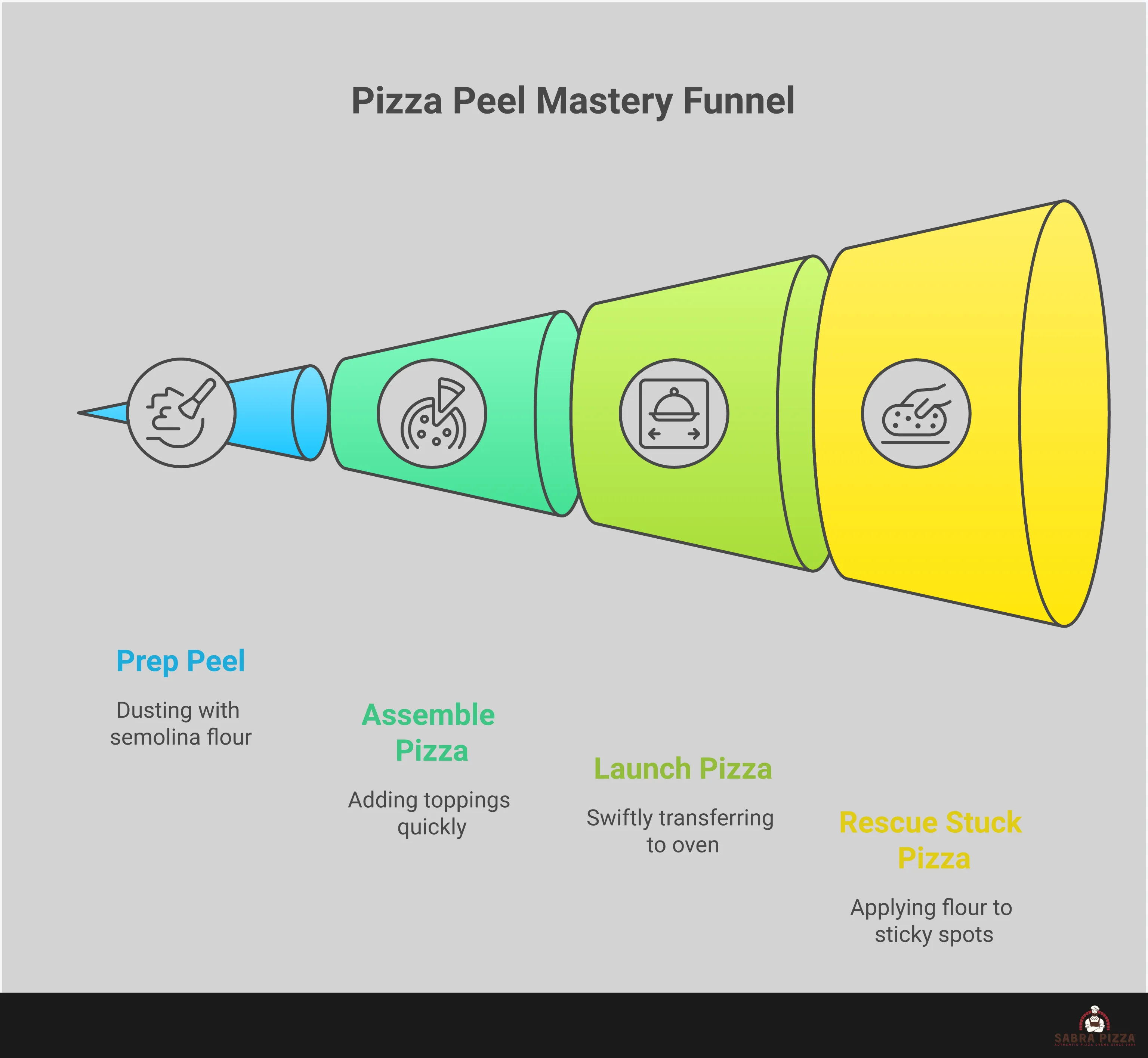
You’ve stretched your dough to perfection and prepped your toppings. Now comes the moment of truth: getting your creation from the peel to the hot pizza stone without it turning into a folded, sticky mess. We’ve all been there, and it’s one of the most common frustrations for home pizza makers. The good news is that a stuck pizza is almost always preventable. It all comes down to managing moisture and friction. With a few simple techniques, you can ensure your pizza slides off the peel gracefully every single time, setting you up for a perfect bake in your outdoor pizza oven. Let's walk through the four key habits that will make every launch a success.
Assemble Your Pizza Quickly
Time is not on your side once that raw dough hits the peel. The longer it sits, the more opportunity moisture from the dough has to absorb your dusting flour and create a glue-like bond with the surface. Your goal should be to get the pizza into the oven within about five minutes of placing the dough on the peel. The best way to achieve this is to have everything ready before you start. Have your sauce, cheese, and toppings all prepped and within arm's reach. This "mise en place" approach, borrowed from professional kitchens, turns pizza assembly into a swift, efficient process instead of a frantic search for the pepperoni.
Keep the Dough Moving With a Gentle Shimmy
Think of this as a constant status check for your pizza. As soon as you lay the stretched dough onto your dusted peel, give it a gentle back-and-forth shake to make sure it moves freely. Don't stop there. After you add the sauce, give it another little shimmy. After the cheese? You guessed it—another shimmy. This constant motion prevents any single spot from settling and sticking. If you notice a spot starting to catch, you can lift the edge of the dough and toss a little more flour underneath before it becomes a real problem. This proactive jiggle is the secret to staying one step ahead of a sticky situation.
Avoid Wet Toppings and Too Much Sauce
Moisture is the number one enemy of a clean pizza launch. While a generous layer of sauce and fresh toppings are delicious, they can quickly turn your dough into a soggy mess that clings to the peel for dear life. When you're starting out, it's wise to use less sauce than you think you need—you can always add more for dipping later. Be mindful of particularly wet ingredients, like fresh mozzarella (pat it dry with a paper towel first) or juicy vegetables. As one expert advises, "Start with fewer ingredients, especially wet ones like sauce, until you get good at launching." A high-quality, thick pizza sauce can also make a huge difference.
Test the Slide Before You Launch
This is your final pre-flight check. Your pizza is fully assembled, and the oven is roaring hot. Before you even walk over to the oven, give the peel one last confident shimmy. The pizza should glide back and forth over the surface with ease. If it does, you’re cleared for launch. If it sticks in one or more spots, don't panic. You still have a chance to fix it before heading to the oven. This final jiggle is your last opportunity to identify and correct any sticking points, ensuring a smooth and stress-free transfer from the pizza peel to the pizza stone.
How to Transfer Pizza From the Peel to the Oven
This is the moment of truth: launching your perfectly crafted pizza into a blazing hot oven. It can feel a little intimidating at first, but I promise it’s a skill you can master quickly. The key is a combination of the right angle, a little shimmy, and a confident, swift motion. Forget about flinging your pizza or watching it fold in on itself. With these simple steps, you’ll be sliding pizzas onto the stone like a seasoned pro.
Find the Perfect Angle for a Smooth Entry
Your approach to the oven sets the stage for a successful launch. As you move toward the oven, hold your pizza peel as flat and level as possible. Tilting it too much can cause your toppings to slide or the pizza to lose its perfect circular shape before it even gets near the heat. Think of it as a gentle glide, not a steep dive. When you get to the oven opening, aim the tip of the peel toward the back of the pizza stone and lower it just slightly, so the front edge of the pizza is about to make contact with the stone. This shallow angle is all you need for a graceful entry.
Master the Shimmy-and-Slide Technique
Before you even think about launching, give the peel a tiny, gentle shake back and forth. Does the pizza slide freely? If so, you’re in great shape. This little "shimmy" is your final check to ensure the dough isn't stuck. Once you’ve angled the peel inside your oven, continue that gentle jiggling motion. This constant movement is what helps the pizza slide off the peel and onto the stone smoothly. It’s not about one big push; it’s a fluid, continuous motion that coaxes the pizza off the peel and onto its fiery destination. It might feel a little awkward at first, but this technique is a game-changer.
Use a Quick, Confident Pull
Confidence is your best friend here. Once the front edge of your pizza touches down on your hot pizza stone, it’s time for the final move. In one quick, decisive motion, pull the peel straight back out from under the pizza. A great way to visualize this is to think about pulling a tablecloth out from under a set of dishes. A slow, hesitant tug will only drag the pizza and cause it to fold. A swift, confident pull allows the pizza to stay right where it is, settling perfectly onto the stone. Don’t overthink it—just commit to the motion and pull.
Why Timing Your Launch Is Everything
From the moment you place your stretched dough onto the peel, the clock is ticking. The longer your sauced pizza sits, the more moisture the dough will absorb from the toppings and the peel’s surface, making it much more likely to stick. As a rule of thumb, try to get your pizza assembled and launched into one of our Alfa Forni™ ovens within about five minutes. This is why it’s so important to have all your toppings prepped and your oven fully preheated before you even start assembling. A quick assembly and launch ensures the dough stays dry enough to slide off the peel with ease, giving you that perfect, stress-free transfer every time.
What to Do When Your Pizza Sticks
It’s the moment every home pizza chef dreads: you’re ready to launch your masterpiece into a blazing hot oven, but the pizza is glued to the peel. Don’t panic. A stuck pizza is a common problem, and it’s almost always fixable. The key is to stay calm and act quickly before the dough tears or the toppings create an even bigger mess. With a few simple tricks, you can rescue your pizza and get it sliding smoothly into the oven where it belongs.
The Emergency Flour Rescue Mission
If you give the peel a little shake and the pizza doesn’t move, you need to act fast. The simplest solution is to gently lift the edge of the dough where it’s sticking and toss a generous pinch of flour or semolina underneath. Work your way around the pizza, lifting and dusting any sticky spots. This creates a new layer of lubrication between the dough and the peel. Once you’ve dusted the problem areas, give the peel another gentle shimmy to ensure the dough slides freely before you attempt the launch. This quick intervention is often all it takes to save your dinner from disaster.
Try the Lift-and-Redust Method
A great way to prevent a last-minute disaster is to perform a quick check before you even approach the oven. After you’ve placed your toppings, give the peel a gentle back-and-forth shake. If you notice any part of the pizza dragging or sticking, stop right there. Carefully lift the edge of the dough and add more flour underneath until the entire pizza moves as one solid piece. This little pre-launch test is a crucial step that many beginners skip, but it’s the best way to guarantee a clean transfer from your pizza peel to the hot stone.
Know When It's Time to Start Over
Sometimes, despite your best efforts, the dough is just too wet, torn, or overworked to be saved. If you’ve tried adding flour and the pizza still won’t budge, or if a hole has appeared and sauce is leaking through, it might be time to call it. Forcing a launch will likely result in a folded, misshapen mess inside your oven. It’s frustrating, but often the best move is to scrape off the toppings, ball up the dough, and start fresh. Think of it as a valuable lesson in dough hydration and speed—and a great excuse to perfect your technique for next time.
Common Pizza Peel Mistakes to Avoid
Even the most seasoned pizza makers can get tripped up by a sticky peel. The good news is that most launch failures come down to a few common, and completely avoidable, mistakes. Mastering the peel is less about secret techniques and more about knowing what not to do. By sidestepping these simple errors, you can ensure your beautifully crafted pizza makes it from the counter to the hot stone every single time, without any drama. Think of it as building good habits that lead to consistently great pizza. Once you get the hang of it, you’ll be launching pies with the confidence of a pro.
Don't Roll Dough Directly on the Peel
It might seem efficient to stretch or roll your dough right on the peel, but this is one of the fastest ways to guarantee a stuck pizza. The more time your raw dough spends on the peel, the more opportunity it has to settle in and adhere to the surface. Instead, always work your dough on a well-floured countertop. Get it stretched to your desired size and thickness first. Only transfer the dough to your dusted peel when you are completely ready to add sauce and toppings for its quick trip to the oven. This simple separation of workspaces makes all the difference.
Don't Let Toppings Sit for Too Long
Once your dough is on the peel, the clock starts ticking. Don't let a fully topped pizza sit for more than a couple of minutes. This is a critical window where moisture from the sauce and toppings can begin to seep through the dough, breaking down your flour barrier and essentially gluing the pizza to the peel. The key is to have all your ingredients prepped and within arm's reach before the dough lands on the peel. Work quickly and efficiently to get your pizza sauced, cheesed, and launched into the oven without delay.
Don't Use the Wrong Type of Peel
Not all peels are created equal, and using the right tool for the job is crucial. While metal peels are fantastic for turning and retrieving a cooked pizza from a hot oven, they can be tricky for launching raw dough. The metal surface tends to be less porous and can create a suction effect with moist dough. Many pizza makers find that wooden pizza peels are more forgiving for launching. The wood naturally absorbs a bit of moisture and holds onto dusting flour better, giving you a much smoother, stick-free slide into the oven.
Don't Puncture the Dough's Surface
Be gentle with your dough as you stretch it and add your toppings. A tiny, unseen hole or tear in the dough can become a major problem on the peel. Once you add sauce, it will leak through the puncture, creating a sticky spot that welds your pizza to the peel and the oven stone. When stretching your dough, use your fingertips and palms instead of your nails. Be mindful when spreading sauce and placing toppings to keep the dough's surface intact. A solid foundation is the first step to a perfect launch.
How to Clean and Maintain Your Pizza Peel
A good pizza peel is an investment, and just like your oven, it needs a little TLC to perform its best. Proper care keeps it from warping or cracking, ensuring you get a perfect pizza launch every time. This is especially true for wooden peels, which can last for years if you treat them right. A clean, well-maintained peel not only works better but also keeps your cooking space hygienic. Let's walk through the simple steps to keep your peel in fantastic shape.
Your Daily Cleaning Routine for Wooden Peels
Think of cleaning your wooden peel like you would a quality wooden cutting board. After you’ve launched your last pizza for the night, it’s time for a quick cleanup. Scrape off any excess flour or burnt-on cheese with a bench scraper or a plastic spatula. Then, wash the peel by hand using a soft sponge, warm water, and a small amount of mild dish soap. It’s important to never soak a wooden peel or put it in the dishwasher, as the excess water and high heat can cause the wood to swell, warp, or crack. A gentle hand wash is all it needs to stay clean and ready for your next pizza night.
How to Properly Dry and Store Your Peel
How you dry your peel is just as important as how you wash it. After washing, use a clean towel to wipe away as much moisture as you can from all surfaces. Then, you need to let it air dry completely. The best way to do this is to prop it up against a wall or on a dish rack so air can circulate around the entire peel. Laying it flat on the counter can trap moisture underneath, which is a recipe for warping. Once it’s bone-dry, store your peel properly in a cool, dry place, like a pantry or hanging on a wall. Avoid storing it near your oven or other heat sources.
When and How to Oil a Wooden Peel
To keep your wooden peel from drying out and cracking, you’ll want to oil it every so often. A good rule of thumb is to do it whenever the wood starts to look dull or feel dry, maybe once every month or two depending on use. Use a food-grade mineral oil, which you can find at most kitchen supply stores. Simply apply a generous amount of oil to a clean, dry cloth and rub it all over the peel, making sure to cover all surfaces and edges. Let the oil soak into the wood for a few hours or even overnight, then wipe off any excess with a fresh cloth. This simple step will condition the wood, creating a protective finish that helps repel water and prevent sticking.
How to Choose the Right Pizza Peel
Think of a pizza peel as your trusted partner in the pizza-making process. It’s the tool that bridges the gap between your prep station and the fiery heat of your oven. But not all peels are created equal, and choosing the right one can make the difference between a perfect, crisp pizza and a doughy disaster stuck to the stone. The perfect peel for you depends on your oven, your comfort level, and the type of pizza you’re making.
When you’re ready to find the right tools, consider three main factors: the size of the peel head, the length and material of the handle, and the material of the peel itself. Getting these details right will set you up for a smooth, stress-free launch every single time. It’s less about finding the single "best" peel and more about finding the best peel for your specific setup and style.
Match the Peel to Your Oven Size
The first rule of choosing a peel is to make sure it fits your oven. The head of the peel—the flat part that holds the pizza—should be slightly smaller than the opening of your pizza oven and the surface of your baking stone. For example, if you have a 16-inch pizza stone, a 14-inch peel gives you a little wiggle room on each side, making it much easier to launch and retrieve your pizza without bumping the sides. A peel that’s too large will be clumsy, while one that’s too small won’t properly support your pizza, risking a fold-over or a dropped pie. Measure your oven's cooking surface before you buy.
Pick the Right Handle Length and Material
Handle length is all about safety and control. If you have a deep outdoor oven, like one of the beautiful Alfa Forni™ models, you’ll want a longer handle (24 inches or more) to keep your hands and arms safely away from the intense heat. For smaller countertop ovens, a shorter handle (around 12 inches) provides better maneuverability in a tighter space. Handles are typically made of wood or metal. Wood offers a comfortable, cool grip, while metal is durable and easy to clean. It really comes down to personal preference and what feels most balanced in your hand.
Wood vs. Metal: Which Is Best for Beginners?
This is the classic debate, but the answer is simple: they’re both great for different jobs. Wooden peels are fantastic for assembling and launching your raw pizza. The slightly porous surface of the wood grips flour well, which helps prevent the sticky dough from clinging. Many beginners find that dough releases more easily from a well-floured wooden peel.
Metal peels, usually made of aluminum or stainless steel, are thinner and more durable. Their thin edge makes them ideal for turning the pizza as it cooks and for retrieving the finished pie from the hot oven. Many pizza pros use a two-peel system: a wooden one for launching and a metal one for turning and retrieving. If you’re just starting, a wooden peel is a forgiving and effective choice for getting your pizza into the oven successfully.
Related Articles
- 10 Pizza Peel Oven Tips for Flawless Pizza
- The Ultimate Guide to a Pizza Oven Turning Peel
- 5 Best Pizza Peel 16 Inch Options for 2025
- 10 Best Pizza Peels of 2025 (Tested & Reviewed)
- How to Pick the Right Wood Fired Oven Pizza Peel
Frequently Asked Questions
Do I really need both a wooden and a metal pizza peel? While you can certainly get by with just one, using both a wooden peel for launching and a metal one for turning and retrieving makes the whole process much smoother. Think of it as having the right tool for each specific job. A wooden peel is more forgiving for launching raw dough, but its thicker edge can be clumsy for retrieving a cooked pizza. A thin metal peel slides effortlessly under a crispy crust. If you're starting with just one, I'd recommend a wooden peel because a successful launch is the trickiest part to master.
Can I use parchment paper on my peel to make launching easier? I strongly advise against using parchment paper in a high-temperature outdoor pizza oven. Most parchment paper is only rated for temperatures up to about 450°F. Your pizza oven can get much, much hotter than that, often exceeding 750°F. At those temperatures, the parchment will scorch and burn almost instantly, which can be a fire hazard and will leave a terrible taste on your pizza crust. It’s much better to master the technique of dusting your peel with semolina or flour.
What's the best way to get the cooked pizza out of the oven? Retrieving the pizza is much easier than launching it. A thin metal peel is your best friend here. Slide the peel under the pizza with a confident, smooth motion. Once the pizza is centered on the peel, lift it slightly and pull it straight out of the oven. The crust will be firm and crisp, so you don't have to worry about it sticking or folding like you do with raw dough. Just be steady and move with purpose.
My wooden peel has some dark, burnt spots on it. Is it ruined? Not at all! A few scorch marks are a sign of a well-loved peel and are completely normal. This often happens if a bit of cheese melts onto the peel and then makes contact with the hot oven stone. As long as the wood isn't deeply charred or cracked, it's perfectly fine to use. You can gently scrape off any burnt-on residue with a bench scraper, but don't worry about the discoloration. Consider them battle scars from many successful pizza nights.
I'm still nervous about launching. Any tips for practicing? Confidence comes from practice, and you don't have to risk a beautiful pizza to get it. Try a "dry run" with an un-topped round of dough. Stretch out a dough ball, place it on your properly floured peel, and just practice the shimmy-and-slide motion onto a cool countertop or a large cutting board. This lets you get a feel for the movement without the pressure of a hot oven. Doing this a few times will build the muscle memory you need for a perfect, stress-free launch.