

It’s easy to assume that a massive, built-in pizza oven is automatically superior to its smaller counterpart. But that’s one of the biggest myths in outdoor cooking. The truth is, modern engineering has completely changed the game, making the built in vs countertop pizza oven debate more interesting than ever. High-end countertop ovens from brands like Alfa Forni can reach the same scorching temperatures as their permanent cousins, delivering that perfect Neapolitan crust in 90 seconds. The best oven isn’t about size; it’s about quality construction, heat retention, and performance. Forget the old myths. We’re here to give you the real facts so you can confidently choose the right style for your culinary ambitions.
Key Takeaways
- Choose Your Commitment Level: A built-in oven is a permanent, architectural upgrade to your home, while a countertop model offers the same high-heat performance with the flexibility to set up and cook anywhere.
- Focus on Quality, Not Just Type: High-end countertop ovens can reach the same scorching temperatures as built-in models. The key to incredible pizza is choosing a well-made oven with excellent heat retention, regardless of its style.
- Match the Oven to Your Reality: Be honest about your space, budget, and how often you'll entertain. Your real-world cooking habits—whether you're hosting big parties or making weeknight dinners—are the best guide to finding the right oven.
Built-In vs. Countertop: What's the Real Difference?
When you start picturing that perfect, crispy-crusted pizza coming out of your own oven, one of the first big questions you'll face is whether to go with a built-in or a countertop model. It’s a major decision that shapes not just your cooking experience, but your entire outdoor living space. Think of a built-in oven as a permanent, architectural feature of your backyard—a true centerpiece for your outdoor kitchen. A countertop oven, on the other hand, offers more flexibility and a simpler setup.
Both styles can produce incredible, restaurant-quality pizza, but they get there in different ways and cater to different needs. The right choice for you comes down to your space, your budget, and how you envision your pizza-making nights. Let’s break down the key differences so you can feel confident in your decision.
Design and Installation
A built-in pizza oven is designed to be a permanent part of your outdoor kitchen or patio. It’s integrated directly into your stonework or cabinetry, creating a seamless, high-end look that can seriously enhance your home's aesthetic. These ovens are constructed to be durable and withstand the elements year-round. The installation is a construction project, often requiring a professional to ensure it’s done safely and correctly, but the result is a stunning and permanent cooking station.
Countertop pizza ovens offer a more straightforward approach. As the name suggests, they are designed to sit on a sturdy counter or a dedicated stand. This makes installation a breeze—you can often have one set up and ready to go in under an hour. While they don't offer the same integrated look as a built-in model, premium options like Alfa Forni’s countertop ovens are beautifully designed and make a statement all on their own.
Cooking Space and Capacity
One of the most practical differences is the cooking capacity. Built-in ovens often provide a larger cooking surface, making them ideal if you love hosting big family gatherings or neighborhood pizza parties. You can easily cook multiple pizzas at once or accommodate larger dishes beyond pizza, like roasted meats or multiple loaves of bread. This generous space is perfect for the serious home chef who plans to entertain regularly.
Countertop models are typically more compact, which is perfect for smaller families or those with limited patio space. Don't let their smaller footprint fool you, though—they still pack a punch and can usually fit a large pizza or a variety of other dishes. Their size makes them incredibly versatile for cooking different foods, not just pizza, without taking over your entire outdoor area. You can find countertop ovens in various sizes, from personal-sized models to larger family-sized units.
Heat Performance and Fuel Types
Both built-in and countertop ovens are engineered to reach and maintain the extremely high temperatures needed for authentic Neapolitan-style pizza. High-quality ovens of either type feature excellent insulation to hold heat effectively, ensuring your pizza cooks evenly and efficiently. Where they can differ is in the range of fuel options available.
Built-in ovens often provide a wider array of fuel choices, including wood-fired, natural gas, propane, and even hybrid models that let you use both gas and wood. This flexibility allows you to choose the cooking style you prefer. Countertop ovens also come in wood, gas, and hybrid versions, giving you plenty of great options. Ultimately, the performance comes down to the quality of the oven itself, not whether it's built-in or sitting on a counter.
The Pros and Cons of Built-In Pizza Ovens
A built-in pizza oven is more than just an appliance; it's a permanent feature of your home and a statement piece for your outdoor kitchen. It signals a serious commitment to the craft of pizza making. But before you start drawing up blueprints, it’s important to weigh the benefits against the practical considerations. Let's walk through what makes these ovens so special and what you need to know before taking the plunge.
Why You Might Love a Built-In Oven
A built-in pizza oven can completely transform your backyard into a culinary destination. It becomes a stunning focal point, creating a natural gathering spot for friends and family. These ovens are built for the long haul, designed with durable materials that stand up to the elements year after year. For the serious pizza maker, the performance is unmatched—they consistently reach the high temperatures needed for that perfect, crispy-chewy Neapolitan crust. Plus, a beautifully integrated pizza oven is a fantastic investment. It’s a unique feature that can significantly increase your home's value and appeal to future buyers who share your passion for great food and entertaining.
What to Consider Before Committing
Committing to a built-in oven requires some upfront planning. First, you’ll need to carefully assess your space to ensure you have proper clearance and airflow for safe operation. Think about the logistics, like proximity to your main kitchen and access to utilities, especially if you're considering a gas model. While some people opt for DIY kits, safety is paramount. We always recommend you hire a professional installer to handle the setup, as they can manage everything from building the structure to correctly connecting gas lines and ensuring everything is up to code. This step is crucial for peace of mind and guarantees your oven will perform flawlessly for years to come.
The Pros and Cons of Countertop Pizza Ovens
The Appeal of a Countertop Model
Countertop pizza ovens have become incredibly popular, and it's easy to see why. Their biggest draw is convenience. You get the power of a high-performance oven without the commitment of a full construction project. Many models are portable, so you can easily move them around your patio or even take one to a friend's house for a pizza party. They offer a more accessible entry point into authentic pizza making, as they generally come with a lower price tag than built-in units. But don't mistake "accessible" for "less powerful." Premium brands like Alfa Forni design countertop ovens that can hit temperatures over 900°F, giving you that perfect leopard-spotted crust in minutes.
Potential Limitations to Keep in Mind
Of course, there are a few trade-offs with a countertop model. The most significant is cooking capacity. They typically have a smaller cooking surface, which means you'll be making one pizza at a time. This is perfectly fine for family dinners, but it can be a bottleneck if you're hosting a large crowd. Aesthetically, a countertop oven is an appliance that sits on your outdoor kitchen counter, rather than being an integrated feature. While modern designs are sleek, they don't offer the same custom, built-in look. You'll also want to consider how you'll protect your oven from the elements, as it's more exposed than a permanent structure.
A Head-to-Head Cooking Comparison
This is where the magic happens. Beyond aesthetics and installation, the way these ovens cook is what truly sets them apart. Both built-in and countertop models can produce incredible food, but their performance nuances will shape your entire cooking experience. From the time it takes to get to temperature to the types of dishes you can master, understanding these differences will help you find the perfect match for your culinary ambitions. Let's look at how they stack up when the heat is on.
Heat-Up Times and Temperature Stability
One of the biggest advantages of a dedicated pizza oven is its ability to reach scorching temperatures that a standard kitchen oven just can't touch. While your indoor oven might top out around 550°F, a quality outdoor pizza oven can soar to 800°F or more. This intense heat is the secret to that perfect, crispy-chewy crust. Countertop ovens are champions of speed, often heating up and getting ready for action in as little as 15-20 minutes. Many can reach temperatures between 700°F and 900°F, making them incredibly efficient for a quick weeknight pizza party. Larger, built-in ovens, with their greater thermal mass, typically require a longer preheat time. However, once they’re hot, they excel at retaining that heat, providing incredibly stable temperatures for hours of cooking.
Which Oven Makes Your Favorite Pizza Style?
The type of oven you choose directly influences the style of pizza you can create. If your heart is set on authentic Neapolitan pizza, with its signature leopard-spotted crust, you need extreme heat. An oven that can hit over 900°F is a powerhouse for this style, cooking pizzas in an incredible 60 to 90 seconds. Both high-end countertop models and most built-in wood-fired pizza ovens can achieve these temperatures. But what if you prefer a classic New York slice, a hearty Chicago deep-dish, or a thick-crust Sicilian? You’re in luck. The controlled heat of a gas or hybrid oven gives you the flexibility to cook at lower temperatures for longer periods. This versatility means you can experiment with different doughs and toppings to perfect everything from a California-style pizza to a Greek pie.
More Than Just Pizza: Exploring Versatility
Don't let the name fool you—a pizza oven is one of the most versatile pieces of outdoor cooking equipment you can own. Think of it as a high-performance oven that can handle so much more than pies. The intense, dry heat is perfect for searing steaks, roasting chicken, and getting a beautiful char on vegetables like asparagus and bell peppers. You can also use the retained heat to bake crusty artisan bread or even cook a cast-iron skillet of lasagna. Many people use their ovens to toast subs for a crowd or fire-roast fish. With the right pizza oven accessories, like a Tuscan grill or a good set of cast-iron pans, your oven becomes the centerpiece of your entire outdoor kitchen, capable of producing a huge range of delicious meals.
Key Factors to Help You Decide
Choosing between a built-in and a countertop pizza oven comes down to more than just looks. It’s about finding the perfect fit for your space, budget, and the way you love to cook and entertain. There’s no single right answer—only the one that’s right for you. To get clear on your decision, let’s walk through the three most important factors: your outdoor setup, your budget, and your culinary goals. Thinking through these points will help you confidently choose an oven that you’ll enjoy for years to come.
Evaluate Your Space and Setup
First, take a good look at your backyard or patio. The amount of available space is the most practical starting point. If you have a sprawling patio with a dedicated outdoor kitchen area, a built-in oven can create a stunning, permanent centerpiece. It integrates seamlessly and becomes a true extension of your home. However, if your space is more limited, or if you prefer a less permanent fixture, a countertop model offers incredible flexibility. You can place it on a sturdy table or an existing counter, giving you high-performance cooking without a major construction project. Think about the flow of your outdoor area and where an oven would best serve your outdoor kitchen design.
Consider Your Budget and Investment
Your budget will naturally play a big role in your decision. A built-in oven is a significant, long-term investment that often involves masonry and professional installation, but it can also add tangible value to your home. It’s a permanent upgrade that enhances your property. A countertop oven, on the other hand, is a more straightforward purchase. While still a premium appliance, it gives you the flexibility to get cooking right away without the additional costs and commitment of a custom build-out. It’s less about renovating your space and more about adding a powerful new tool to your culinary arsenal.
Define Your Cooking Habits and Goals
Finally, be honest about how you plan to use your oven. Ask yourself: How often will I be making pizza? Am I cooking for my family of four, or am I hosting the whole neighborhood for pizza parties? Your answers will guide you toward the right size and capacity. If you dream of slinging multiple Neapolitan-style pizzas in minutes, you’ll want an oven that can handle the volume. But don’t forget that a quality pizza oven is incredibly versatile. As many chefs will tell you, you won't just make pizza. These ovens are fantastic for roasting vegetables, baking artisan bread, and searing the perfect steak, so consider all the delicious possibilities.
Breaking Down the Costs: Built-In vs. Countertop
Let’s talk money. Deciding between a built-in and a countertop pizza oven often comes down to your budget, but the initial price tag doesn't tell the whole story. You have to consider the total cost of ownership, from the day it arrives at your home to the long-term value it adds to your life and property. A built-in oven is a permanent home upgrade, involving construction and professional services, while a countertop model is a high-performance appliance you can set up in an afternoon. Both can produce incredible pizza, but they represent very different types of investments. Understanding the full financial picture for each option will help you make a choice you’ll be happy with for years to come. We’ll look at the upfront cost, the often-overlooked installation expenses, and what you can expect in terms of maintenance and long-term value.
The Upfront Price Tag
When you first start shopping, you’ll notice that built-in pizza ovens generally have a higher initial price than countertop models. This is because they are designed as permanent fixtures, often constructed with heavier, more robust materials intended to be integrated into an outdoor kitchen structure. You’re paying for a substantial piece of equipment that becomes part of your home's architecture. Countertop ovens, on the other hand, are designed for convenience and portability, which often translates to a more accessible price point. While premium models like the Alfa Forni™ ovens are still a significant investment in quality, the category as a whole offers a lower barrier to entry for incredible, restaurant-quality pizza at home.
Installation and Setup Costs
Here’s where the costs can really diverge. The price of a countertop oven is typically all-inclusive; you buy it, place it on a sturdy surface, connect the fuel, and you’re ready to cook. The setup is straightforward and rarely requires a professional. A built-in oven is a different beast entirely. The purchase price is just the start. You’ll need to budget for professional installation, which can involve masonry, creating a custom enclosure, and running utility lines for gas or propane. This process requires careful planning to ensure proper airflow, safety clearances, and a seamless look. These additional costs can add a substantial amount to your total investment.
Long-Term Maintenance and Value
Both oven types require regular care to perform their best, but their long-term value proposition is different. With a built-in oven, you’re not just buying an appliance; you’re making a long-term investment that can increase your property value. It becomes a permanent, functional, and beautiful feature of your outdoor living space. Consistent maintenance is crucial to protect this investment and ensure its longevity. A countertop oven’s value lies in its performance and flexibility. While it won’t add to your home’s resale value, it delivers incredible cooking power and can be moved or taken with you if you relocate. Its maintenance is focused on preserving its function as a top-tier culinary tool.
Common Pizza Oven Myths, Busted
When you’re ready to invest in a piece of equipment as exciting as a pizza oven, you want to feel confident in your choice. But with so much information out there, it’s easy to get tripped up by a few common misconceptions. Let’s clear the air and look at what’s really true when it comes to pizza oven performance.
Myth: Built-In Ovens Are Always Better
It’s easy to see the appeal of a gorgeous, fully integrated built-in pizza oven—it’s a permanent statement piece for your outdoor kitchen. While a built-in oven is a fantastic long-term choice that can even add value to your home, it isn’t automatically the "best" option for everyone. The idea that built-in models are inherently superior in performance is simply not true. High-quality portable and countertop ovens can deliver the same incredible cooking results with the added benefit of flexibility. Your ideal oven depends entirely on your space, lifestyle, and how you plan to cook, not on a one-size-fits-all rule.
Myth: Countertop Ovens Can't Get Hot Enough
This is one of the biggest myths I hear, and it keeps people from considering some truly amazing ovens. Many assume that a smaller, portable oven can’t possibly pack the same punch as a massive brick structure. The reality is that modern engineering has made countertop ovens incredibly powerful. Many top-tier models can easily reach scorching temperatures between 700°F and 900°F, putting them on par with traditional wood-fired ovens. This intense heat is exactly what you need to cook a pizza in 60 to 90 seconds, achieving that perfect crispy, leopard-spotted crust you’d find in a pizzeria.
The Truth About Heat, Performance, and Flavor
So, what really matters for making incredible pizza at home? It all comes down to achieving and maintaining high, stable heat. Whether it’s a built-in or countertop model, the best ovens are designed for excellent heat retention. Some electric ovens, for example, have superior insulation that prevents heat loss and ensures consistent cooking. Ultimately, any well-made oven that can reach 800°F or more has the power to produce a true Neapolitan pizza. The flavor and texture you’re after come from that intense, even heat—something you can absolutely get from both built-in and countertop styles. The key is to choose a quality oven from a reputable brand.
Our Top Pizza Oven Recommendations
After helping thousands of people find their perfect pizza oven, we’ve learned a thing or two about what separates a good oven from a great one. The right oven becomes the heart of your backyard, a place for gathering and making incredible food. While the "best" oven depends on your specific needs, some brands and features consistently deliver an amazing experience. Here are our top recommendations to guide your search.
Why We Love Alfa Forni Ovens
There’s a reason we’re the country's #1 retailer of Alfa Forni—their ovens are simply in a class of their own. Handcrafted in Italy, they combine stunning design with serious performance. Alfa Forni ovens are known for their exceptional heat retention and ability to reach high temperatures quickly, which is exactly what you need for authentic Neapolitan-style pizzas. Their patented Forninox™ technology allows them to heat up in as little as 15 minutes and cook a pizza in 90 seconds. This isn't just an appliance; it's a piece of Italian culinary heritage for your home.
Other Premium Brands to Consider
While Alfa is our first love, we know it’s helpful to understand the whole landscape. You’ll often hear about other top brands in the pizza oven market, including Ooni, Breville, and Effeuno. Each one offers unique features that cater to different cooking styles and preferences. For example, some brands focus heavily on portability, while others specialize in electric indoor models. Seeing what else is out there can help you appreciate the craftsmanship and all-around versatility that a premium brand delivers, ensuring you find the perfect fit for your outdoor kitchen.
Features That Signal a High-Quality Oven
When you’re comparing models, certain features are non-negotiable for authentic, pizzeria-quality results. First, look for ovens that can reach temperatures of 700°F to 900°F. This intense heat is essential for achieving the crispy, leopard-spotted crust of a true wood-fired pizza. Beyond temperature, high-quality pizza ovens feature durable materials, efficient insulation, and precise temperature controls. Excellent insulation means the oven stays hot without burning through fuel, while reliable controls give you the consistency needed to perfect every single pizza. These details are what enhance cooking performance and ensure your oven lasts for years.
Which Oven Is Right for Your Cooking Style?
The best oven for you ultimately comes down to how you plan to use it. Are you a weekend pizza purist dedicated to perfecting the Neapolitan-style pie, or are you looking for a versatile appliance for all kinds of outdoor cooking? Your personal cooking style, the types of food you want to make, and how often you’ll be firing up the oven are all key parts of the equation. Let's look at how your habits and goals line up with each oven type.
Key Techniques for Each Oven Type
A built-in oven is a permanent culinary centerpiece, perfect for those who are serious about making a lot of pizza. Because they are designed to be a lasting part of your outdoor kitchen, they are incredibly durable and stylish. Their robust construction provides excellent heat retention, which is ideal for consistently turning out perfect pizzas for large gatherings.
On the other hand, a countertop oven offers fantastic flexibility. These models are great for cooking many different foods beyond pizza and heat up quickly for weeknight meals. To get the most out of any oven, you need to learn how to manage your heat effectively. This means knowing where the hot spots are and positioning your pizza carefully, especially on a stone, to get that perfectly even bake.
Matching Your Expectations to Reality
It’s easy to get caught up in myths about what makes the "best" pizza. Some people believe only a wood-fired oven can deliver an authentic taste, but the truth is that modern gas and hybrid ovens can produce incredible, restaurant-quality results. The key is to match the oven's features to your needs. Think about your preferred fuel type, the cooking surface size, and the overall style you want.
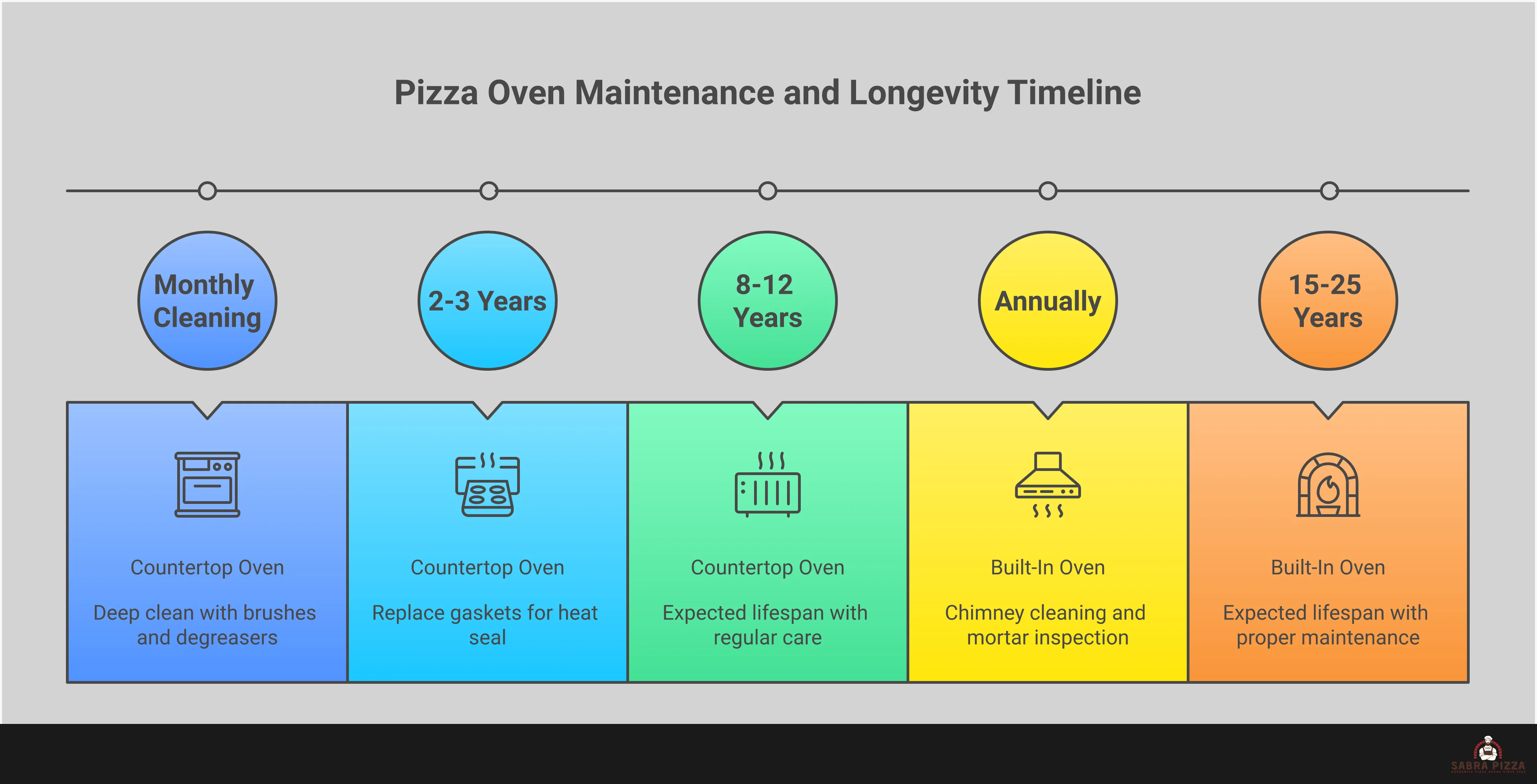
No matter which model you choose, remember that consistent performance relies on you. An oven is a tool, and its results depend on your technique and care. Regular cleaning and proper maintenance are essential for keeping your oven in top shape and ensuring it performs beautifully for years to come. By understanding your own cooking habits, you can choose an oven that you’ll love using.
Ready to Choose Your Perfect Pizza Oven?
Alright, it’s decision time. Choosing between a built-in and a countertop pizza oven feels like a big deal, but the answer is already in your cooking style. The best way to find your perfect match is to think about how you truly like to cook and entertain. So, let’s get real for a moment. How often will you actually be firing up the oven? Are you cooking for your family, or are you the go-to host for neighborhood parties? What kind of pizza makes your mouth water?
If you’re dreaming of a permanent, show-stopping feature for your outdoor kitchen, a built-in oven is calling your name. Think of it as a long-term investment in your home and your culinary craft. It’s a commitment, for sure, but one that pays off every time you pull out a perfectly cooked pizza for a crowd of happy guests.
If flexibility and versatility are more your speed, a countertop oven is an incredible choice. These models are powerhouses that don't require a permanent spot, making them ideal for smaller patios or for cooks who want to experiment with more than just pizza. They give you the freedom to bake, roast, and sear a huge variety of foods. There’s no single "best" oven—only the best oven for you. Whether you're leaning towards a permanent installation or a versatile countertop model, we have a fantastic selection of premium pizza ovens to bring your vision to life.
Related Articles
- Best Countertop Pizza Ovens for Your Business
- The 4 Best Freestanding Pizza Ovens Outdoor
- Outdoor Pizza Ovens for Sale: A Buyer's Guide
- The Ultimate Built In Pizza Oven Outdoor Gas Guide
Frequently Asked Questions
Can a countertop oven really cook pizza as well as a big built-in one? Absolutely. This is one of the biggest misconceptions out there. The quality of your pizza comes down to the oven's ability to reach and hold extremely high temperatures, not its size or permanence. Premium countertop models, like those from Alfa Forni, are engineered to hit over 900°F and maintain that heat, giving you the exact same cooking power you'd find in a larger built-in oven. You can achieve that perfect, leopard-spotted Neapolitan crust in either style.
Is a built-in oven a good investment for my home? Yes, it can be a fantastic one. A built-in oven isn't just an appliance; it's a permanent architectural feature that can significantly enhance your outdoor living space and increase your property's appeal. It signals a high-end, custom outdoor kitchen. While a countertop model offers incredible performance, a beautifully integrated built-in oven is a long-term upgrade that adds tangible value to your home.
I want to cook more than just pizza. Is one type of oven better for that? Both types are incredibly versatile for roasting meats, baking bread, and searing vegetables. The main difference comes down to capacity. A larger built-in oven is ideal if you plan on cooking multiple dishes at once or preparing large roasts for a crowd. A countertop model is still a workhorse for all kinds of meals, but you'll likely be working with a smaller cooking surface, which is perfect for family-sized portions.
How much construction is actually involved with a built-in oven? Installing a built-in oven is a legitimate construction project. It goes beyond simple assembly. The process involves creating a permanent, non-combustible structure to house the oven, which often requires masonry work. If you choose a gas model, you'll also need a professional to run the utility lines safely. It's a significant undertaking, which is why the end result is such a seamless and impressive feature of your home.
What if I'm not sure I'll stay in my house forever? Should I still consider a built-in oven? This is a great question that gets to the heart of the decision. If you think you might move in the next few years, a countertop oven is probably the smarter choice. Its value is in its performance and flexibility, and you can take it with you. A built-in oven is a permanent upgrade you make to the home itself. It's a feature you install for your own enjoyment that later becomes a selling point for the next owner.