

You know exactly what you're aiming for: a light, airy crust with a slight chew, dotted with those signature charred leopard spots. But achieving that specific result feels like an impossible challenge. The secret isn't in a complicated dough recipe; it's in the oven's ability to deliver a massive blast of balanced heat. A true Neapolitan pizza is flash-cooked at temperatures your indoor oven can't even approach. This guide demystifies the process, explaining the four essential characteristics—from 900°F+ heat to the right cooking surface—that an oven must have. Understanding these fundamentals is the key to identifying the best pizza oven for Neapolitan dough and finally making the perfect pizza you've been chasing.
Key Takeaways
- Focus on 900°F+ Heat Capability: The key to a true Neapolitan crust is extreme heat. Make sure any oven you consider can reach and maintain at least 900°F to achieve the signature 90-second bake and leopard-spotted finish.
- Choose a Fuel Type That Fits Your Life: Be realistic about how you'll cook. If you enjoy the process and authentic flavor of a real fire, a wood oven is perfect. If you value speed and convenience for weeknight meals, a gas model is the clear winner.
- Invest in Quality, Not Just a Low Price: The biggest mistake is buying a poorly insulated oven that can't stay hot. Prioritize excellent heat retention and fast recovery speeds over a cheap price tag to avoid long waits between pizzas and inconsistent results.
What Makes an Oven Perfect for Neapolitan Pizza?
If you've ever had authentic Neapolitan pizza, you know it's in a class of its own. The crust is soft and light with a slight chew, dotted with charred "leopard spots," and the toppings are perfectly cooked without being dried out. Trying to replicate this in a standard kitchen oven is, frankly, impossible. That specific result requires a specialized piece of equipment designed to create a unique cooking environment that your home oven just can't match.
So, what exactly sets a Neapolitan pizza oven apart? It comes down to four key characteristics working in perfect harmony: extreme heat, lightning-fast cooking times, balanced heat distribution, and a high-performance cooking surface. These aren't just nice-to-haves; they are the essential ingredients for authentic pizza. When you're shopping for an oven, these are the non-negotiable features you need to look for. Getting these four elements right is the difference between a good homemade pizza and a truly spectacular one that tastes like it came straight from Naples. Understanding how they work together is the first step to making pizzeria-quality pies in your own backyard. Let's break down what each of these elements means for your pizza.
High Temperature Capability (900°F+)
The single most important feature of a Neapolitan pizza oven is its ability to get incredibly hot. We're talking about temperatures of 900°F (around 485°C) or even higher. Your home oven maxes out around 500°F, which simply isn't enough to create the signature texture and flavor of a true Neapolitan pizza. This intense heat flash-cooks the dough, creating a rapid rise known as "oven spring." This process puffs up the crust's outer edge (the cornicione) and produces the beautiful char and leopard-spotting that pizza enthusiasts crave. Without this extreme heat, the crust will be dense and cracker-like, not light and airy.
90-Second Cook Times
When your oven is roaring at 900°F, your pizza cooks in 90 seconds or less. This might sound unbelievably fast, but it's essential for the perfect Neapolitan pie. A quick bake ensures the crust cooks through and gets its signature char on the outside while the inside remains soft, moist, and tender. It also prevents the fresh toppings, like San Marzano tomatoes and fresh mozzarella, from overcooking and drying out. This rapid cooking process is a direct result of the high temperatures, and it’s what allows you to serve up delicious, authentic pizzas for your family and friends in minutes.
Balanced Heat Distribution
Getting an oven to 900°F is one thing, but ensuring the heat is distributed correctly is another. A great Neapolitan oven provides a "balanced bake," where heat from the flame rolling across the oven's dome cooks the top of the pizza at the same rate as the heat from the cooking floor cooks the bottom. This synergy is crucial. Poorly designed ovens often have hot spots or uneven heat, leading to a pizza with a burnt bottom and undercooked toppings, or a perfectly cooked top with a soggy base. Premium Alfa Forni™ ovens are engineered to perfect this balance, circulating heat efficiently for a flawless bake every time.
Premium Cooking Surface Materials
The floor of the pizza oven, also called the deck or stone, plays a huge role in the final result. Authentic Neapolitan ovens traditionally use a special clay surface, often called "Biscotto," sourced from Italy. This material is exceptional at absorbing and retaining high heat, but it releases that heat more gently than other stones. This quality is vital because it allows the bottom of the pizza to cook fully in 90 seconds without scorching, even at 900°F. Many high-quality ovens use refractory firebrick or cordierite, but for the high-temperature demands of Neapolitan pizza, a Biscotto-style surface is the gold standard among pizza oven accessories.
Our Top Picks for Authentic Neapolitan Pizza
Ready to find the perfect oven for that classic, leopard-spotted crust? After countless hours of research and testing, we’ve narrowed down the top contenders that can deliver the intense heat and consistent performance needed for true Neapolitan pizza. Whether you’re looking for a top-of-the-line Italian masterpiece, a portable powerhouse for your next adventure, or a versatile oven that can do it all, there’s an option here for you. We’ve broken down our favorites by what they do best, so you can easily find the right fit for your backyard and your budget.
Alfa Forni Brio (Premium Choice)
When you want the absolute best in performance and Italian design, the Alfa Forni Brio is in a class of its own. This oven is a true workhorse, reaching 900°F in about 30 minutes and cooking a perfect Neapolitan pizza in just 90 seconds. Its Heat Genius™ technology ensures the cooking floor heats up as fast as the dome, giving you that perfectly crisp-yet-tender crust every single time. The Brio’s superior insulation means it holds that heat incredibly well, letting you cook pizza after pizza without a drop in temperature. It’s an investment, but for the serious home chef, its power, speed, and stunning looks are unmatched.
Pizza Party Emozione (Best Value)
For an authentic Italian-made oven that won’t completely break the bank, the Pizza Party Emozione is a fantastic choice. It delivers incredible value by focusing on what matters most: performance. This oven gets screaming hot and features a Biscotto stone cooking surface, which is ideal for Neapolitan pizza because it manages moisture and prevents the bottom of your crust from burning at extreme temperatures. It can churn out delicious pizzas in about 60 seconds, giving you results that rival much more expensive models. If you’re looking for that genuine wood-fired oven experience and performance without the premium price tag, the Emozione is hard to beat.
Gozney Roccbox (Most Portable)
If you dream of making Neapolitan pizza at a tailgate, on a camping trip, or just in a smaller backyard, the Gozney Roccbox is your go-to. This little oven is a beast, packing incredible power into a compact, portable design. With its retractable legs and detachable burner, it’s easy to pack up and take anywhere. It heats up to over 932°F in a flash and can cook a pizza in under 60 seconds. The built-in thermometer and safe-touch silicone jacket are thoughtful features that make it incredibly user-friendly. For pizza lovers who refuse to be tied down, the Roccbox offers the ultimate combination of convenience and high-heat performance.
Gozney Dome S1 (Most Versatile)
The Gozney Dome S1 is the simplified, propane-only version of the celebrated Dome, and it’s perfect for the home chef who wants more than just a pizza oven. Its wider mouth and spacious 22-inch stone floor make it incredibly versatile. You can bake a perfect Neapolitan pizza in under a minute, but you can also easily roast vegetables, sear steaks, or even bake bread. The S1 streamlines the experience with a quick-start rolling gas flame, allowing you to focus on your cooking. It’s a beautifully designed centerpiece for any outdoor kitchen that offers both professional-grade pizza performance and the flexibility to explore a wide range of other cooking styles.
Solo Pi Prime (Budget Winner)
Proving you don’t need to spend a fortune for great pizza, the Solo Pi Prime is our top budget-friendly pick. For around $350, this oven delivers performance that punches way above its weight class. It’s lightweight, easy to set up, and can reach the high temperatures needed for Neapolitan pizza, cooking pies in about 90 seconds. The panoramic opening makes it easy to launch, turn, and retrieve your pizzas, which is a great feature for beginners. While it may not have the robust insulation of premium models, it’s an amazing entry point into the world of high-temperature pizza making and a solid choice for anyone on a tighter budget.
Ooni Karu 16 (Multi-Fuel Option)
For those who love having options, the Ooni Karu 16 is the ultimate multi-fuel machine. You can get that authentic, smoky flavor by cooking with wood or charcoal, or you can opt for the convenience and consistent heat of a gas burner attachment. This flexibility is its greatest strength. The Karu 16 is also packed with features, including a large cooking area, a hinged glass door that lets you watch your pizza bake, and a ceiling vent for better temperature control. It’s a fantastic all-around oven that gives you the freedom to experiment with different fuel sources while consistently producing incredible Neapolitan-style pizza.
Effeuno P134H (Indoor High-Performance)
Who says you need a backyard for amazing pizza? The Effeuno P134H is a game-changer for anyone living in an apartment or a home without outdoor space. This electric oven is specifically designed to replicate the conditions of a traditional Neapolitan oven, reaching temperatures over 950°F. It uses a Biscotto clay stone to prevent the crust from scorching at those intense heats, a common problem with other indoor ovens. It’s a compact, high-performance unit that allows you to make truly authentic Neapolitan pizza right from your kitchen counter, proving that incredible pizza can be made anywhere.
Indoor vs. Outdoor: Which Oven is Right for You?
Choosing between an indoor and an outdoor pizza oven comes down to your space, your climate, and your pizza-making ambitions. While both can produce incredible pies, they are designed for very different environments and cooking styles. Let's walk through the key differences to help you find the perfect fit for your home and your quest for the perfect Neapolitan pizza.
Why Outdoor Ovens Excel for Neapolitan Pizza
If your goal is to create a truly authentic Neapolitan pizza—the kind with a leopard-spotted crust that cooks in under 90 seconds—an outdoor oven is your best bet. These ovens are engineered to safely reach the scorching temperatures of 900°F and beyond, something your indoor kitchen oven simply can't do. This intense heat is essential for achieving what experts call a "balanced bake," where the flame cooking the top and the hot deck cooking the bottom work in perfect harmony. This rapid, high-heat process is what gives Neapolitan pizza its signature light, airy texture. For this reason, dedicated wood-fired pizza ovens have become the gold standard for enthusiasts.
When an Indoor Oven Makes Sense
Don't have a backyard or live somewhere with long, cold winters? Don't worry, you can still make fantastic pizza. An indoor pizza oven is a practical solution for anyone working with limited space or who wants the convenience of year-round pizza making without bundling up. While most can't hit the same extreme temperatures as their outdoor counterparts, some high-performance electric models get impressively close. Certain indoor ovens can reach 850°F in about 20 minutes, allowing you to cook pizzas in just a couple of minutes. They offer a fantastic way to enjoy homemade pizza without needing a patio.
Safety and Installation Considerations
This is the most important part: you should never, under any circumstances, use an oven designed for outdoor use inside your home. Outdoor ovens that run on gas, propane, or wood produce carbon monoxide and pose a significant fire risk in an enclosed space. Always choose a model specifically built and certified for indoor use. These ovens are designed with heavy insulation to ensure the exterior stays cool to the touch, even when the inside is blazing hot. Safety always comes first, so be sure to read the manufacturer's instructions carefully before setting up and using any new pizza oven.
Wood, Gas, or Hybrid: Choosing the Best Fuel
One of the biggest decisions you'll make when buying a pizza oven is the fuel source. This choice shapes your entire cooking experience, from the preheating process to the final flavor of your crust. There’s no single "best" option—it all comes down to what you value most. Are you a traditionalist who craves that authentic, smoky flavor and enjoys the ritual of building a fire? Or are you looking for push-button simplicity to make amazing weeknight pizzas a reality? Your answer will point you toward one of three main types: wood, gas, or a hybrid model that combines both.
Each has its own distinct advantages that cater to different cooking styles and priorities. Wood offers unparalleled flavor and a truly authentic experience that connects you to the craft of pizza making. Gas provides incredible convenience and precise control, taking the guesswork out of heating your oven. And hybrid ovens give you the ultimate freedom to choose your adventure on any given night. Thinking about how, when, and why you'll be using your oven will help you find the perfect match for your backyard setup. Let's break down what makes each fuel type unique so you can feel confident in your choice.
Wood-Fired Ovens for Authentic Flavor
For pizza purists, nothing compares to a wood-fired oven. This is the traditional method for making true Neapolitan pizza, and for good reason. Burning real wood is the only way to get that subtle, smoky flavor infused into the crust. Managing the fire is a hands-on, rewarding experience that connects you to the cooking process. Wood-fired pizza ovens are prized for their ability to reach scorching temperatures over 900°F, which is essential for cooking a Neapolitan pizza in about 90 seconds. This intense heat creates the perfect leopard-spotted char and a crust that’s impossibly light and airy. If authenticity and flavor are your top priorities, a wood-fired oven is the undisputed champion.
Gas Ovens for Convenience
If you want delicious, high-quality pizza without the learning curve of managing a live fire, a gas oven is your best friend. The biggest advantage is the sheer convenience. With the turn of a knob, you can ignite the oven and have it preheated to the perfect temperature in a fraction of the time it takes a wood oven. Gas pizza ovens also offer incredibly precise and consistent temperature control, which means you can focus on making the pizza instead of tending to the fire. This makes them fantastic for entertaining or for those spontaneous pizza nights when you just want a great meal, fast. Cleanup is also a breeze, with no ash to worry about.
Hybrid Models for Flexibility
Can’t decide between the authentic flavor of wood and the convenience of gas? You don’t have to. Hybrid pizza ovens offer the best of both worlds, giving you the freedom to choose your fuel source based on your mood and your schedule. If you have a lazy Sunday afternoon and want to go all-out with a traditional wood fire, you can. If it’s a busy Tuesday night and you need a quick and easy dinner, just switch it over to gas. This incredible versatility is why hybrid ovens are becoming a favorite among home pizza makers. You get all the benefits of both fuel types in one powerful, efficient machine.
How Much Should You Spend on a Neapolitan Pizza Oven?
Figuring out your budget is one of the first steps in choosing a pizza oven, and the good news is that there are fantastic options at nearly every price point. You don’t need to spend a fortune to make incredible, authentic Neapolitan pizza at home. However, investing more can give you access to higher-quality materials, better heat retention, larger cooking surfaces, and more fuel flexibility.
Think about your commitment level and how you plan to use the oven. Are you a curious beginner looking to experiment on weekends? Or are you a dedicated enthusiast aiming to perfect your craft and host large pizza parties? Your answer will guide you to the right price range. We’ve broken down the market into three common tiers to help you understand what to expect for your money and find an oven that fits your culinary ambitions perfectly.
Budget-Friendly Options ($300-$600)
If you’re just getting started with high-temperature pizza making, the entry-level market has some excellent performers. Ovens in this price range are perfect for learning the fundamentals of Neapolitan pizza without a massive upfront investment. A great example is the Solo Pi Prime, which can reach the necessary temperatures and cook a pizza in about 90 seconds. While these models might have smaller cooking surfaces or simpler construction, they prove that a limited budget doesn’t have to limit your ability to make great pizza. They offer a fantastic gateway into the world of authentic pizza.
Mid-Range Models ($600-$1,200)
This price range is often the sweet spot for serious home cooks who want a significant step up in performance and build quality. In this tier, you’ll find ovens with more powerful burners, larger cooking areas, and premium materials like authentic Biscotto stone cooking surfaces. Models like the Gozney Dome S1 are incredibly versatile, capable of cooking a Neapolitan pizza in under a minute while also handling other pizza styles with ease. Ovens in this category, such as the Italian-made Pizza Party Emozione, offer a fantastic balance of price, features, and authentic cooking power that will satisfy most pizza enthusiasts for years to come.
Premium Investment Pieces ($1,200+)
For those who want the absolute best in performance, durability, and design, the premium market is where you’ll find your perfect match. These ovens are true investment pieces, built with commercial-grade materials and expert craftsmanship. This tier includes high-performance indoor electric models like the Effeuno, but it’s truly defined by world-class outdoor ovens. Brands like Alfa Forni, handmade in Italy, represent the pinnacle of pizza oven engineering. You’re paying for unparalleled heat retention, rapid recovery times, and the ability to consistently produce flawless, restaurant-quality pizza. These are the ovens for the purist who refuses to compromise.
Avoid These Common Pizza Oven Buying Mistakes
A pizza oven is an investment in your home, your culinary skills, and countless future gatherings. To make sure you choose one you'll love for years, it helps to know what to look for and what to avoid. Many first-time buyers make the same few mistakes, leading to frustration and pizzas that don't quite hit the mark. By sidestepping these common pitfalls, you can feel confident in your decision and get straight to making incredible, authentic pizza. Let's walk through the most important things to keep in mind so you can find the perfect oven for your backyard.
Choosing Based on Price Alone
It’s tempting to filter by "price: low to high," but this is one of the biggest mistakes you can make. While your budget is obviously a key factor, focusing only on the price tag means you might miss out on the features that actually deliver the pizza you’re dreaming of. A cheaper oven might struggle with heat retention, use lower-quality materials, or lack the durability to last. Instead, think about value. A slightly more expensive oven from a reputable brand like Alfa Forni often provides better insulation, faster preheating, and a more reliable cooking experience, saving you frustration and ultimately delivering better results.
Ignoring Temperature Requirements
If authentic Neapolitan pizza is your goal, temperature is non-negotiable. A true Neapolitan pizza cooks in about 90 seconds, and that requires intense heat—we’re talking 800°F to over 900°F. Your standard kitchen oven, which maxes out around 500°F, simply can't create the signature leopard-spotted, puffy crust (the cornicione). When shopping, make sure you check the oven's maximum temperature. An oven that can’t reach the necessary heat won't be able to properly cook high-hydration doughs made with '00' flour, leaving you with a pizza that’s good, but not great.
Overlooking Heat Recovery Speed
Imagine you’re hosting a pizza party. You cook one perfect pizza, but when you go to launch the second, the oven floor has lost too much heat. This is a common issue with poorly insulated ovens. Heat recovery speed is how quickly an oven’s cooking surface returns to its optimal temperature after you’ve had the door open. A slow recovery means long waits between pizzas and inconsistent results. Ovens with thick, high-quality cooking stones and excellent insulation will bounce back to temperature almost immediately, letting you cook for a crowd without missing a beat.
Selecting the Wrong Fuel Type
Wood, gas, or hybrid? The right fuel type depends entirely on your lifestyle and what you value in the cooking process. Wood-fired ovens offer that classic, smoky flavor but require more hands-on management. Gas ovens provide incredible convenience and precise temperature control with the turn of a dial. Hybrid models give you the best of both worlds. Think about how you plan to use your oven. Do you love the ritual of building a fire, or do you want to be able to fire up the oven for a quick weeknight pizza? Don't let aesthetics alone guide this choice; practicality is key.
Not Considering Insulation Quality
An oven's ability to get hot is only half the story; its ability to stay hot is just as important. Excellent insulation is what separates a premium oven from a basic one. Quality insulation ensures that heat is retained within the oven chamber, creating a stable and even cooking environment. This is crucial for cooking the top and bottom of the pizza at the same rate, preventing a burnt top with a soggy bottom. Good insulation also means the oven is more fuel-efficient and safer to the touch on the outside, which is an important consideration for families.
The Pizza Oven Accessories You Actually Need
You’ve invested in a fantastic pizza oven, and now you’re ready to make some magic. But a quick search for accessories can feel overwhelming. Do you really need a dozen different peels, a special brush, and a laser-guided dough scraper? Probably not. While having the right tools can make your pizza-making experience smoother and more enjoyable, you don’t need to buy every gadget on the market to produce incredible, restaurant-quality Neapolitan pizza.
Think of it like building a toolkit. You start with the essentials—the items that are non-negotiable for getting the job done right. From there, you can add a few "nice-to-have" items that simplify the process or help you achieve even more consistent results. And just as importantly, it’s helpful to know what you can skip altogether, saving you money and precious kitchen space. This guide will walk you through exactly what you need to get started, what can wait, and what you can confidently leave on the shelf. Let’s separate the must-haves from the marketing hype.
Essential Tools for Making Neapolitan Pizza
To create authentic Neapolitan pizza, a few tools are non-negotiable. It all starts with the dough. Using a high-quality Tipo 00 flour is critical; its low ash content is what helps produce that classic crispy crust and chewy interior. You’ll also need a digital kitchen scale for precise measurements—baking is a science, after all. Once you have your ingredients, properly kneading the dough is essential for developing the gluten that gives the crust its structure.
For handling the pizza, you'll need a pizza peel to launch your creation into the hot oven. An infrared thermometer is also a must-have for accurately reading the temperature of the oven floor, ensuring you launch your pizza at the perfect moment (around 900°F).
Nice-to-Have Accessories
Once you have the basics covered, a few extra accessories can make your pizza nights even better. While your oven’s cooking surface is designed for high heat, using a separate pizza stone or baking sheet can help with heat retention, giving you a consistently crispy bottom crust, especially when you're making multiple pizzas back-to-back.
A dedicated turning peel—a smaller, round version of a launching peel—makes it much easier to rotate the pizza inside the oven for an even cook without pulling it all the way out. Dough-proofing boxes also offer a step up from a simple bowl, providing a controlled environment for your dough to rise consistently. Finally, a quality pizza cutter, whether it’s a classic wheel or a long rocking knife, ensures clean slices every time.
What You Can Skip
You can definitely save some money by skipping items that aren't designed for Neapolitan-style pizza. For instance, you don’t need special pans for making thicker crust pizza; your oven is a high-heat machine built for thin crusts that cook in 90 seconds or less. While a stand mixer is convenient, you can achieve incredible results by kneading by hand, so don't feel pressured to buy one right away.
It’s also best to avoid pre-made doughs, which are often over-proofed and won’t give you that signature oven spring. The joy of making pizza at home is in the process, and mastering your own dough is a rewarding first step. Hold off on single-use gadgets and elaborate topping stations until you’ve nailed the fundamentals.
Related Articles
- The Best Patio Pizza Oven: A Buyer's Guide
- Outdoor Pizza Ovens for Sale: A Buyer's Guide
- Freestanding Pizza Oven: The Ultimate Buyer's Guide
- Neapolitan Style Pizza Dough: Urban Slicer Pizza Worx™ (6-Pack)
Frequently Asked Questions
Is an oven that reaches 900°F really necessary for good pizza? If your goal is authentic Neapolitan pizza, then yes, that extreme heat is non-negotiable. It’s not just about cooking fast; it’s about creating a specific reaction in the dough. The intense heat flash-bakes the crust, causing it to puff up instantly and create that signature light, airy interior and leopard-spotted exterior. An oven with lower temperatures will slowly bake the pizza, drying out the dough and toppings and resulting in a texture that’s more like a cracker than a true Neapolitan pie.
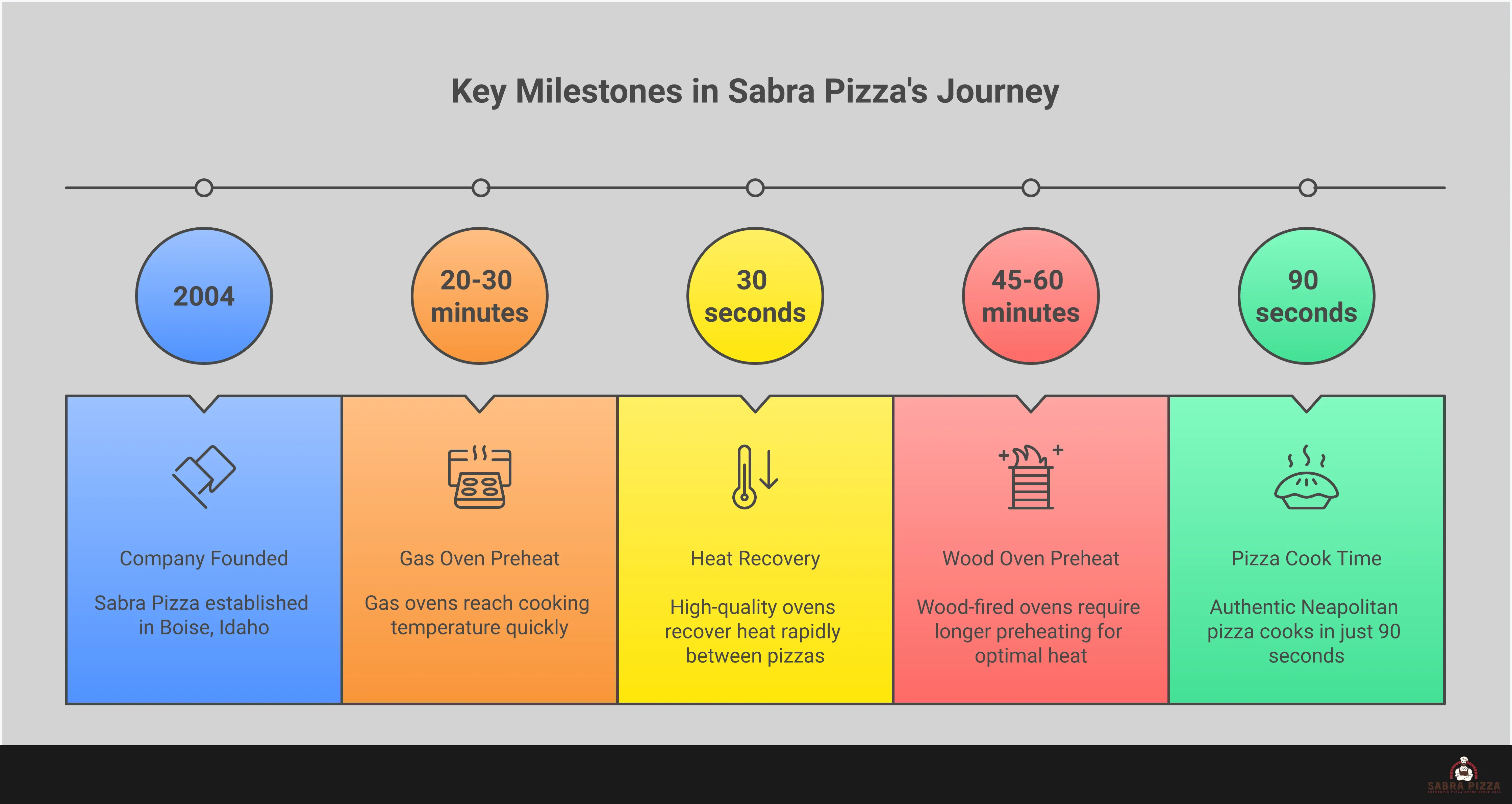
How long does it take to preheat a pizza oven? This really depends on the fuel source you're using. Gas and propane ovens are the quickest, typically reaching cooking temperature in about 20 to 30 minutes with just the turn of a knob. A wood-fired oven requires a bit more time and attention. You can expect it to take around 45 to 60 minutes to build a proper fire and allow the oven's dome and floor to become fully heat-saturated for a perfect, even bake.
Can I cook anything besides pizza in these ovens? Absolutely! Thinking of it as just a pizza oven is selling it short. The high heat is fantastic for searing steaks in a cast-iron skillet, roasting vegetables to get a beautiful char, or baking rustic, crusty bread. The larger, more versatile models are essentially powerful outdoor ovens that can handle a wide range of dishes, making them a true centerpiece for your outdoor kitchen.
I'm a beginner. Is a wood-fired oven too difficult to use? There is a bit of a learning curve with a wood-fired oven, but it's a fun and rewarding one. The main skill to learn is how to build and maintain a fire to keep the temperature consistent. It's more hands-on than using gas, but many people find that managing the fire is a satisfying part of the experience. If you're feeling hesitant, a hybrid oven is a great way to start, as it allows you to learn with wood when you have the time and rely on gas when you need convenience.
What makes a Biscotto stone so special for Neapolitan pizza? A Biscotto stone is the secret to a perfectly cooked crust at extremely high temperatures. While standard cooking stones get very hot, they also transfer that heat very aggressively, which can easily scorch the bottom of your pizza in under 90 seconds. Biscotto clay is more porous, so it absorbs and releases heat more gently. This allows the base of your pizza to cook through completely without burning, even when the oven is roaring at 900°F.