

When you think about cooking outdoors, your mind probably goes straight to the grill. But what if you want to bake crusty bread, roast vegetables to caramelized perfection, or sear a steak with an incredible crust? While they are called pizza ovens, their culinary capabilities go far beyond pies. The high, dry heat that makes a freestanding pizza oven perfect for a 90-second Neapolitan pizza is also ideal for a wide range of other dishes. Viewing it as a versatile outdoor oven opens up a whole new world of cooking possibilities, allowing you to experiment with flavors and techniques.
Key Takeaways
- Choose a Freestanding Oven for Flexibility and Simplicity: These self-contained units deliver powerful, high-heat cooking without requiring a major construction project. Their portability and straightforward assembly mean you can start making incredible pizza almost immediately.
- Select Your Fuel Source Based on Your Priorities: Decide what matters most to you in the cooking process. Choose a wood-fired oven for authentic, smoky flavor, a gas model for push-button convenience and control, or a hybrid to get the best of both worlds.
- Prioritize Deck Temperature for a Perfect Crust: The secret to a crispy, well-cooked pizza is a properly preheated cooking surface. Use an infrared thermometer to ensure your oven floor is hot enough before you launch your first pie to avoid a soggy bottom.
What Is a Freestanding Pizza Oven?
If you’re dreaming of pulling a perfect, bubbling pizza from a fiery oven in your own backyard, a freestanding pizza oven might be exactly what you need. Unlike built-in models that require custom masonry and a permanent spot, a freestanding oven is a self-contained unit that offers incredible performance with a side of flexibility. It’s the perfect way to bring authentic, high-heat cooking to your patio or outdoor kitchen without a major construction project. These ovens combine powerful cooking technology with smart, user-friendly designs, making them a favorite for both seasoned chefs and weekend pizza enthusiasts.
Key Design and Portability Features
Think of a freestanding pizza oven as a standalone appliance. It comes with its own integrated base, which is often a cart with wheels, giving you the freedom to move it around. This portability is a game-changer. You can roll it out for a party, tuck it away during the off-season, or simply reposition it to catch the evening sun. This design eliminates the need for a permanent structure, giving you complete control over your outdoor space. Many premium models, like the ones from Alfa Forni, are crafted to be both beautiful and functional, serving as a stunning centerpiece for your backyard gatherings while offering unmatched mobility.
How They Control Temperature and Distribute Heat
The magic of a great pizza lies in the heat, and freestanding ovens are engineered to deliver it. These powerhouses can reach temperatures from 550°F to over 1000°F, creating the perfect conditions for a crispy crust in minutes. They achieve this through smart design elements like a domed ceiling, which rolls heat over your food for even cooking, and advanced insulation that traps warmth for hours. The cooking floor, typically made of refractory materials, absorbs and radiates intense heat directly into the pizza dough. This combination of convective, radiant, and conductive heat is the secret to that authentic, wood-fired taste and texture you crave.
What to Know About Installation
One of the biggest advantages of a freestanding pizza oven is the straightforward setup. Forget about hiring contractors or dealing with a lengthy construction process. Most freestanding ovens arrive nearly ready to use. Installation typically involves assembling the cart or base—a simple task that usually takes less than an hour—and then placing the oven dome on top. You can have your new oven delivered and be ready to cook on the very same day. This plug-and-play approach makes it incredibly easy to add an oven to your outdoor living area and start making memories right away.
More Than Just Pizza: Exploring Your Cooking Options
While they are called pizza ovens, their culinary capabilities go far beyond pies. The high, dry heat that makes them perfect for pizza is also ideal for a wide range of other dishes. You can use your oven to roast vegetables to caramelized perfection, bake crusty artisanal bread, or sear a steak with an incredible crust. Fish, chicken, and even desserts can be cooked beautifully in a freestanding oven. Thinking of it as a versatile outdoor oven opens up a whole new world of cooking possibilities, allowing you to experiment with flavors and techniques that simply aren't possible with a standard grill.
The Best Freestanding Pizza Oven Brands
When you start shopping for a freestanding pizza oven, you’ll quickly notice a few names that stand out. These brands have earned their reputations by consistently delivering on quality, performance, and design. Choosing the right one isn't about finding the single 'best' brand, but rather finding the perfect partner for your specific culinary goals and backyard aesthetic. Some brands focus on authentic, traditional Italian craftsmanship, while others lean into modern design and technological innovation. Understanding these key differences is the first step to making a confident choice. Let's look at some of the top players in the game so you can find the one that feels right for you.
Alfa Forni
If you’re dreaming of Italy, Alfa Forni brings that dream to your backyard. Known for impeccable construction and innovative designs, these ovens are the real deal. They are engineered to heat up incredibly fast and hold high temperatures steady, which is exactly what you need for perfect Neapolitan-style pizza. Fusing traditional Italian craftsmanship with modern technology, Alfa is a top choice for home cooks and professional chefs who refuse to compromise on quality. It’s an investment in countless amazing pizza nights to come.
Gozney
Gozney has made a huge splash with its modern, stylish outdoor ovens that look as good as they cook. This brand perfectly blends sleek aesthetics with serious functionality, creating ovens that become the centerpiece of any outdoor kitchen. They’ve earned a loyal following because their products are reliable, user-friendly, and deliver consistently fantastic results. Popular models like the Gozney Dome are in high demand because they make it so easy to achieve professional-quality pizza at home. If you value contemporary design and straightforward performance, Gozney is a brand you’ll love.
Fontana Forni
For outdoor cooking enthusiasts who want power and versatility, Fontana Forni is a name to remember. This brand offers a fantastic range of both wood-fired and gas pizza ovens designed with performance and ease of use at their core. Fontana ovens are built to be workhorses, ready for anything from a quick weeknight pizza to a full-blown backyard party. They focus on practical features that make the cooking process smooth and enjoyable, so you can spend less time fussing with the oven. A Fontana Forni oven is a superb choice for expanding your outdoor cooking repertoire.
WPPO
WPPO proves that you don’t have to break the bank to get a high-quality, wood-fired pizza experience. This brand is celebrated for making premium features accessible, offering affordable ovens that cater to beginners and seasoned cooks alike. Don't let the price fool you—these ovens are built with quality materials and thoughtful, stylish designs. WPPO provides a fantastic entry point into the world of authentic pizza making, giving you all the functionality you need to start turning out delicious pies. A WPPO pizza oven is an excellent place to start your search for value and performance.
Forno Venetzia
Forno Venetzia is for the purist who craves the authentic experience of a traditional Italian pizzeria. This brand specializes in classic wood-fired ovens that honor time-tested cooking methods. Built with exceptional materials and true Italian craftsmanship, their ovens are designed for superior heat retention and durability. Cooking in a Forno Venetzia oven feels like a true event, replicating that rustic, smoky flavor that only a wood fire can provide. If your goal is to master the art of traditional pizza, this brand delivers the performance and authenticity you’re looking for.
What to Look For in a Freestanding Pizza Oven
Choosing the right freestanding pizza oven is about matching its features to your cooking style, your space, and your entertaining goals. With so many excellent options available, it helps to break down the key components that separate a good oven from a great one. Think about how you plan to use it—are you hosting large pizza parties every weekend, or are you looking for a reliable oven for family dinners? Considering factors like size, fuel type, and construction will help you find the perfect centerpiece for your outdoor kitchen.
Finding the Right Size and Cooking Capacity
First, let's talk about size. How many people are you typically cooking for? If you love hosting, you’ll want an oven that can keep up. Most freestanding pizza ovens have larger stones and wider doors, letting you cook multiple pizzas back-to-back without losing precious heat. Look at the internal cooking surface dimensions. An oven that can fit two 12-inch pizzas at once is a game-changer for parties. For smaller families or couples, a more compact model that cooks one perfect pizza at a time might be all you need. Also, consider the oven's overall footprint to ensure it fits comfortably in your patio or backyard space.
Choosing Your Fuel Type: Wood, Gas, or Hybrid
The fuel you use directly impacts flavor and your cooking process. For that classic, smoky taste, nothing beats a wood-fired pizza oven. It requires a bit more practice to manage the fire, but the results are incredibly rewarding. If you value convenience and precise temperature control, a gas oven is a fantastic choice. You can choose ovens that use Natural Gas or Propane for push-button ignition and steady heat. Can’t decide? You don’t have to. Hybrid pizza ovens give you the flexibility to cook with wood, gas, or both, offering authentic flavor with modern convenience.
Built to Last: Key Construction Materials
A premium pizza oven is an investment, so you want one made from high-quality materials that ensure longevity and performance. Look for ovens constructed with heavy-gauge stainless steel, which resists rust and corrosion. The cooking floor, or deck, should be made from refractory materials that absorb and radiate heat evenly. Many of the world's best ovens, like those from Alfa Forni, are made in Italy, a country renowned for its engineering and culinary heritage. Superior insulation is also critical, as it allows the oven to get screaming hot and stay that way for hours, ensuring efficient cooking.
Perfecting Your Cook: Temperature Range and Control
To achieve that perfect leopard-spotted crust, you need high heat. A great pizza oven should be able to reach temperatures between 750°F and 1000°F. This intense heat cooks a Neapolitan-style pizza in as little as 90 seconds. Gas and hybrid ovens offer the most straightforward temperature control, often with a simple knob adjustment. Wood ovens require more hands-on management but give you a dynamic cooking environment. Many models come with a built-in thermometer, which is essential for knowing when your oven is ready to go. An oven with a wide temperature range is also versatile enough to bake bread, roast vegetables, and sear steaks.
Weathering the Elements: Durability Features
Your freestanding oven will live outdoors, so it needs to be tough enough to handle whatever Mother Nature throws at it. Look for features like powder-coated or stainless steel exteriors that protect against rain and sun. A quality oven is a long-term investment that pays off over time, so durability is key. Many manufacturers design their ovens with weather resistance in mind, but it’s always a smart idea to invest in a custom-fit, waterproof pizza oven cover. This simple accessory will protect your oven from moisture and debris, keeping it in pristine condition for years of delicious meals.
Smart Technology and Modern Integrations
While traditional pizza making is an art, modern technology can make the process easier and more consistent. Some high-end ovens incorporate smart features that simplify the cooking experience. This can include integrated digital thermometers for precise temperature readings or innovative airflow systems that ensure even cooking without needing to constantly rotate the pizza. Brands are always developing new ways to improve heat retention and fuel efficiency. While you don't need a lot of gadgets to make great pizza, these thoughtful design elements can help you achieve professional-level results right in your own backyard.
How to Cook with Your New Pizza Oven
You’ve unboxed your beautiful new pizza oven, and now it’s time for the best part: making incredible food. Cooking in a high-heat oven is a bit different from your kitchen range, but it’s a skill you’ll pick up quickly. The key is understanding how to work with intense, radiant heat to get that perfect leopard-spotted crust and bubbly cheese. It’s all about managing temperature, using the right techniques, and having the proper tools on hand.
Think of your first few cooks as fun experiments. Don’t worry about perfection right away. Just focus on learning how your specific oven behaves—how it heats up, where the hot spots are, and how quickly it cooks. Before you know it, you’ll be pulling out restaurant-quality pizzas and so much more, right in your own backyard. Let’s walk through the essentials to get you started on the right foot.
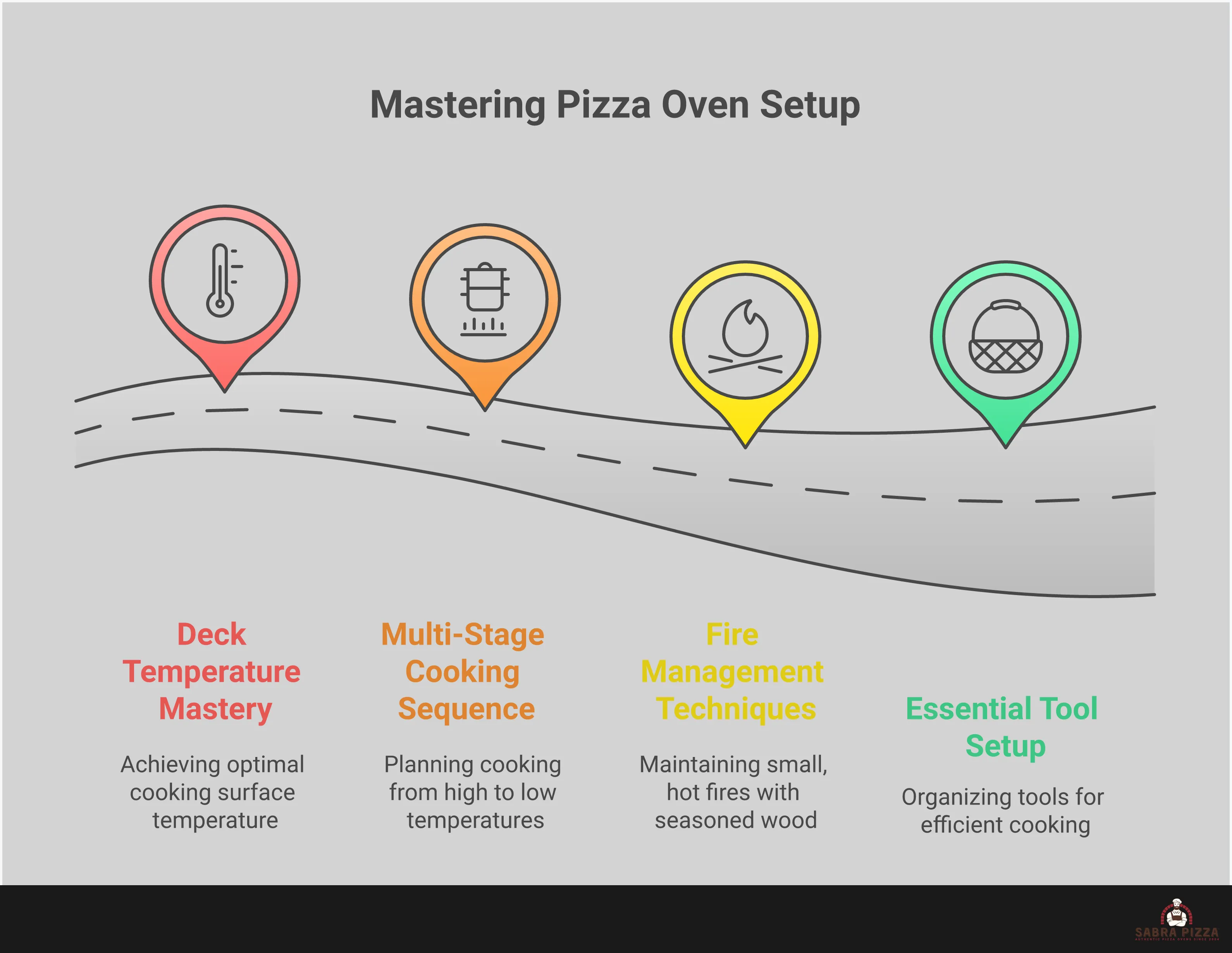
Managing Your Oven's Temperature
The secret to a crispy, never-soggy pizza crust lies in the heat of your oven floor, often called the deck. While the air inside your oven might be hot, it’s the deck temperature that matters most for cooking the dough from below. If the stone isn't hot enough, the bottom of your pizza will be pale and undercooked by the time the toppings are done. Your goal is to get the firebricks or stone thoroughly saturated with heat.
To do this, you’ll need to preheat your oven properly, which can take anywhere from 30 minutes to over an hour depending on your model. Don’t just rely on the built-in dome thermometer; invest in an infrared thermometer. This tool lets you point and shoot to get an exact reading of the cooking surface, ensuring it’s ready for your first pizza.
Pizza Techniques for a Perfect Pie
Once your oven is roaring hot, your pizza will cook in just a few minutes. The most important technique to master is turning the pizza. The side closest to the flame will cook much faster, so you need to rotate it for an even bake. Using a smaller, round turning peel makes this process much easier. A quick 90-degree turn every 20-30 seconds will prevent one side from burning while the other remains undercooked.
And don’t forget that your oven is for more than just pizza. A high-quality freestanding oven is incredibly versatile. After you’ve cooked your pizzas, you can use the residual heat to roast vegetables, sear steaks in a cast-iron pan, or even bake bread as the oven cools. This versatility helps you get the most out of your investment and explore all kinds of wood-fired recipes.
Common Mistakes to Avoid
It’s easy to make a few missteps when you’re just starting out. One of the most common is not preheating the oven deck long enough, which we’ve covered. Another is using the wrong fuel. If you have a wood-fired oven, always use seasoned hardwoods like oak or maple. Softwoods burn too quickly and can leave behind a resinous residue. Also, be mindful of your toppings—less is more. Overloading your pizza can create a soggy center that struggles to cook through.
Finally, don't neglect your oven's upkeep. Failing to clean out ash and food debris can lead to inconsistent temperatures and off-flavors in your cooking. A quick sweep with an oven brush before each use keeps your cooking surface clean and ready for action.
Must-Have Accessories for Your Setup
Having the right tools makes the entire pizza-making process smoother and more enjoyable. While you can get by with the basics, a few key accessories will make a world of difference. A quality pizza peel is non-negotiable for launching your pizza into the oven. Many people prefer a wooden peel for launching and a metal one for turning and retrieving.
An infrared thermometer is another essential for accurately reading the deck temperature. You’ll also want a good pair of heat-resistant gloves to protect your hands and forearms from the intense heat. Lastly, a long-handled oven brush is perfect for sweeping the deck clean of ash and burnt flour between pizzas, ensuring every pie has a clean, crisp bottom.
Important Safety Guidelines
Cooking with high heat requires a focus on safety. First, make sure your oven is positioned on a stable, level surface away from your house, any low-hanging branches, or other flammable materials. Proper ventilation is critical, especially for gas-fueled models, to prevent the buildup of carbon monoxide. Always operate your oven in an open, outdoor space.
When the oven is in use, the exterior surfaces can become extremely hot, so be sure to keep children and pets at a safe distance. Use long-handled tools and wear heat-resistant gloves to avoid burns. If you have a wood-fired oven, never leave the fire unattended, and have a fire extinguisher nearby just in case. Following these simple safety practices ensures every cook is a safe one.
How Much Does a Freestanding Pizza Oven Cost?
When you start shopping for a freestanding pizza oven, you'll notice that prices can vary quite a bit. The cost depends on factors like size, fuel type, materials, and brand reputation. Think of it like buying any other major appliance for your home—there are options for every budget and level of enthusiasm. To make it easier, we can break down the costs into a few key tiers. This will help you understand what to expect and find an oven that fits both your culinary ambitions and your wallet.
Entry-Level Options ($1,000-$2,500)
If you're just getting started with outdoor cooking or plan on making pizzas for small family gatherings, the entry-level range is a fantastic place to begin. Ovens in this price bracket, typically starting around $1,000, are often more compact and portable. While they might not have the advanced insulation or massive cooking surfaces of their pricier counterparts, they are more than capable of producing delicious, crispy pizzas. These models are perfect for casual home use and offer a wonderful introduction to the art of pizza making without a huge initial investment. They give you a chance to hone your skills and decide how central a pizza oven will be to your outdoor kitchen.
Mid-Range Models ($2,500-$5,000)
For the dedicated home cook who sees pizza making as a serious hobby, the mid-range category is where things get exciting. Ovens priced between $2,500 and $5,000 offer a significant step up in performance and durability. You’ll find models with better heat retention, thanks to superior insulation and higher-quality materials, which means more consistent cooking temperatures. These ovens are generally larger, allowing you to cook for bigger groups or experiment with different dishes. This price range is ideal for serious home chefs who want a reliable, high-performing oven that can handle frequent use and deliver restaurant-quality results every time.
Premium Selections ($5,000+)
When only the best will do, premium pizza ovens deliver unparalleled performance, craftsmanship, and style. Starting at $5,000 and going well beyond $10,000, these are the models you’ll find in the most sophisticated outdoor kitchens. Brands like Alfa Forni are renowned in this category for their Italian-made quality and cutting-edge features. In this tier, you can expect exceptional heat-up times, flawless temperature control, and durable construction designed to last a lifetime. These ovens often feature advanced cooking technology and high-end materials that ensure perfect cooking conditions for everything from Neapolitan pizza to roasted meats and artisan breads.
Factoring in Operating and Maintenance Costs
Your initial purchase is just the beginning of the story. To get a full picture of the cost, it’s wise to consider the ongoing expenses. Operating costs will primarily be your fuel—whether that’s wood, propane, or gas. Maintenance is also a factor. You’ll want to invest in a good quality cover to protect your oven from the elements, along with basic cleaning tools like a stiff brush and ash shovel. While these costs are generally minimal, they are an important part of ownership. Thinking of your oven as a long-term investment that pays off in delicious meals and memories helps put these minor ongoing expenses into perspective.
Why a Premium Oven Is a Great Long-Term Investment
It might be tempting to go for the lowest-priced option, but investing in a high-quality oven from a reputable brand often provides better value over time. Premium ovens are built with superior materials that withstand the elements and the intense heat of cooking, meaning they’ll last for many years with proper care. They also offer more consistent and reliable performance, which can make all the difference in your final product. A well-made oven will not only enhance your cooking experience but also become a lasting centerpiece for entertaining friends and family. It’s an investment in your home, your lifestyle, and countless incredible meals to come.
Caring for Your Pizza Oven
A premium pizza oven is an investment in incredible food and unforgettable gatherings. To make sure it performs beautifully for years to come, a little bit of care goes a long way. Think of it like maintaining a great car—regular attention keeps it running smoothly and prevents bigger issues down the road. Proper maintenance isn't complicated or time-consuming, but it is the key to consistent, delicious results every time you fire it up. From simple post-cook cleanups to seasonal check-ins, these habits will protect your oven from the elements, ensure it heats efficiently, and help you cook perfect pizzas.
Taking the time for proper care does more than just extend the life of your oven; it directly impacts the quality of your cooking. An oven free of old ash and debris will heat more evenly, preventing hot spots that can burn your crust. A well-maintained structure retains heat more effectively, meaning you'll use less fuel and maintain your target temperature with ease. By following a straightforward routine, you’ll not only protect your investment but also become a more consistent and confident pizza maker. Let's walk through the simple steps to keep your oven in top-notch condition.
Your Regular Cleaning Checklist
After the fire has died down and the oven has cooled completely, it’s time for a quick cleanup. The most important step is to remove any leftover ash and food debris from the cooking surface. A buildup of old food and ash can affect the flavor of your next pizza and interfere with the oven's heating efficiency. Use a stiff, natural-bristle brush to sweep the hearth clean. This simple habit, performed after every use, is the foundation of good oven maintenance and ensures a fresh start for your next cook.
Simple Seasonal Maintenance Tips
Before you kick off a new pizza season, give your oven a thorough once-over. This is a great time to spot any potential issues before they become problems. Take a close look at the oven's exterior, chimney, and insulation for any signs of wear or cracking. Inspect the cooking surface for any significant chips or damage. A quick seasonal inspection helps you address minor repairs early and ensures your oven is safe and ready to perform at its best all season long.
How to Store Your Oven Correctly
Protecting your oven from the elements is crucial, especially during the off-season or periods of bad weather. A high-quality, weather-resistant cover is your oven's best friend. It shields the exterior from rain, snow, and harsh UV rays, which can cause fading, cracking, and other damage over time. Make sure the cover fits snugly to prevent moisture from getting trapped underneath. Proper storage keeps your oven looking great and protects its structural integrity, so it’s always ready for action.
Preventing Common Wear and Tear
Beyond cleaning, a few best practices can help prevent unnecessary strain on your oven. Always use the recommended fuel type for your specific model—using the wrong wood or an improper gas connection can cause damage. Also, avoid overloading the oven with too much wood, as this can lead to excessively high temperatures that can stress the materials. Following the manufacturer's guidelines and practicing these simple habits will significantly extend the life of your oven and its components.
Keeping Your Oven Performing at Its Best
Consistent care is what separates a good pizza oven from a great one. When you combine regular cleaning, seasonal inspections, and proper protection, you ensure your oven operates exactly as it was designed to. This means faster preheating, stable temperatures, and an evenly cooked, perfectly crisp crust every single time. Taking care of your equipment is part of the craft of pizza making. Your investment in a premium pizza oven deserves the small effort it takes to maintain it for a lifetime of delicious results.
Freestanding vs. Built-in: Which Is Right for You?
Choosing between a freestanding and a built-in pizza oven is one of the first big decisions you’ll make. Both can deliver incredible, restaurant-quality pizza, but they fit into your outdoor living space—and your lifestyle—in very different ways. A freestanding oven offers flexibility and convenience, while a built-in model provides a permanent, integrated centerpiece for a custom outdoor kitchen. Let’s walk through the key differences to help you find the perfect match for your home.
Comparing Mobility and Space Needs
The most significant difference comes down to one word: permanence. A freestanding oven gives you complete control over your space. These adaptable ovens can be moved around your patio to accommodate guests, follow the sun, or be stored away during colder months. Their flexibility makes them ideal if you’re renting or if you simply want the option to rearrange your outdoor setup. In contrast, a built-in pizza oven is a permanent fixture. It becomes an architectural element of your home, creating a dedicated cooking hub. While you lose mobility, you gain a seamless, integrated look that can define your entire outdoor kitchen.
A Look at Heat Retention
Traditionally, custom-built masonry ovens were the champions of heat retention, thanks to their sheer mass. They could stay hot for hours, perfect for baking bread long after the pizzas were done. However, they also take a very long time to heat up. Modern premium freestanding ovens have changed the game with advanced insulation and innovative designs. Brands like Alfa Forni use stainless steel and ceramic fiber to reach cooking temperatures in as little as 15-30 minutes while still holding heat efficiently. This means you get the best of both worlds: rapid heating for a spontaneous weeknight pizza party and excellent thermal performance for a consistent cook.
What's Involved in Installation
Here’s where the two styles really diverge. A freestanding oven is designed for convenience. Most models require minimal assembly—you’ll typically just need to put the stand together and place the oven on top. You can go from unboxing to cooking in under an hour. A built-in oven, on the other hand, is a construction project. It requires a permanent, non-combustible base and is often integrated into a larger outdoor kitchen counter. This process involves planning, masonry work, and potentially hiring contractors, making it a much more involved and time-consuming undertaking. If you want to start cooking right away, a freestanding model is the clear winner.
Breaking Down the Cost Differences
When you buy a freestanding oven, the price you see is generally the price you pay. Costs can range from around $1,000 for entry-level models to over $10,000 for premium, high-capacity units. With a built-in oven, the unit itself is just the starting point. You also need to factor in the significant costs of construction and installation, including materials and labor for the base and enclosure. These additional expenses can easily double the total investment. A freestanding oven often provides a more direct value, as your entire budget goes toward the cooking technology and quality of the oven itself, not the surrounding structure.
How to Make the Best Choice for Your Home
So, which path is right for you? Ask yourself a few key questions about your lifestyle and goals. Do you envision a permanent, custom outdoor kitchen as the heart of your backyard, or do you value the freedom to change your layout? Are you looking for a plug-and-play solution for quick, delicious meals, or are you ready for a larger construction project? Consider your budget, your available space, and how you plan to cook. Thinking through these points will help you decide whether the flexibility of a freestanding oven or the permanence of a custom outdoor kitchen is the best fit for your home.
Related Articles
Frequently Asked Questions
How long does it really take to preheat a freestanding pizza oven? While some premium models can get up to temperature in as little as 15 to 20 minutes, it's best to plan for about 30 to 45 minutes to ensure the cooking floor is properly heat-saturated. The air inside the dome heats up quickly, but you need the stone deck to be incredibly hot to get that perfect, crispy crust. Using an infrared thermometer to check the floor temperature is the best way to know exactly when you’re ready to launch your first pizza.
Can I use my freestanding oven during the winter? Absolutely. High-quality freestanding ovens are built with excellent insulation and durable materials like stainless steel, making them true all-season appliances. You may need to allow for a slightly longer preheating time to get the oven up to temperature in the cold, but you can certainly enjoy wood-fired pizza on a snowy evening. Just be sure to use a protective cover when the oven is not in use to shield it from harsh weather.
I'm new to this. Is a wood-fired oven too difficult to learn? There is a small learning curve with a wood-fired oven, but it's a fun and rewarding process. It’s less about difficulty and more about getting a feel for managing a live fire. After a few cooks, you’ll understand how to add wood to maintain your target temperature. If you’re feeling hesitant, a hybrid model that can run on both gas and wood is a fantastic option. It allows you to master the basics with the convenience of gas before you start experimenting with wood.
Do I need a special surface to place my freestanding oven on? Yes, you need to place your oven on a stable, level, and non-combustible surface. A stone patio, concrete slab, or paver area is ideal. You should avoid placing it directly on a wooden or composite deck, as the intense heat can create a fire hazard. Always ensure there is plenty of clearance around the oven, away from your house, fences, or any overhanging tree branches.
What's the biggest difference I'll notice between a gas and a wood-fired oven? The main difference comes down to the cooking experience and flavor profile. A wood fire provides that classic, smoky flavor that is impossible to replicate and makes cooking feel like a rustic event. A gas oven offers incredible convenience and precise temperature control with the turn of a knob, giving you consistent, repeatable results with minimal effort. Neither is better than the other; the right choice depends on whether you prioritize authentic flavor and experience or push-button simplicity.