

You’ve invested in a high-performance pizza oven, a beautiful piece of equipment designed to create incredible, flame-kissed pizzas in minutes. The last thing you want is to pair it with a dough that falls flat. A premium oven’s intense heat is unforgiving; it will expose a subpar dough’s flaws, resulting in a crust that’s either tough or soggy. The foundation of a truly memorable pizza is a quality dough that can withstand those high temperatures, developing a perfect char and an airy, chewy interior. This is your guide to finding a base that’s worthy of your oven. We’ve tested the top contenders to identify the best frozen pizza dough balls for pizza oven cooking, so your investment pays off with every delicious slice.
Key Takeaways
- Prioritize Quality Ingredients: The best frozen doughs have a short, simple ingredient list, often featuring '00' flour. This is your best indicator of an authentic flavor and a crust that will perform beautifully in a high-heat oven.
- Plan for a Proper Thaw and Proof: Patience is key to achieving a light, airy crust. Always allow your dough to thaw and proof completely at room temperature for several hours before you plan to stretch it.
- Match the Dough to Your Pizza Night: Consider what you value most—convenience, authentic regional flavor, or bulk value. Selecting a brand that aligns with your specific needs will ensure a successful and enjoyable experience.
What Makes a Great Frozen Pizza Dough?
Let's be honest, making pizza dough from scratch is a rewarding experience, but it's not always practical for a weeknight dinner. That’s where a great frozen pizza dough comes in. It’s the perfect shortcut to getting that authentic, pizzeria-quality crust from your outdoor oven without the time commitment. But not all frozen dough is created equal. The difference between a fantastic pizza and a frustrating one often comes down to the quality of your starting point.
So, what should you look for? It all starts with the ingredients. A top-tier frozen dough will have a simple, clean ingredient list: flour, water, salt, and yeast. You want to see high-quality flour, often an Italian-style ‘00’ flour, which is finely milled to create a crust that’s both tender and strong enough to handle the high heat of a pizza oven. The best brands use natural ingredients with no strange additives or preservatives, ensuring the flavor is pure and authentic.
Beyond the ingredient list, the true test is in the texture and workability. A great frozen dough thaws and proofs into a smooth, pliable ball that’s a dream to stretch. It shouldn't feel overly sticky or tear easily. This elasticity is key to creating a thin base with that perfect puffy crust, or cornicione. The dough should also have a pleasant, slightly yeasty aroma and a flavor that complements your toppings rather than overpowering them. Ultimately, the best frozen dough provides the ideal foundation, giving you the consistency and quality you need to create an incredible pizza every single time.
The Best Frozen Pizza Dough Brands for Your Oven
Let's be honest: making pizza dough from scratch is a rewarding, almost romantic, process. But sometimes, you just want a delicious, high-quality pizza without the flour-dusted kitchen and hours of proofing. That's where frozen pizza dough comes in. The quality of store-bought dough has improved dramatically, giving you a fantastic base for your culinary creations, especially when you're firing up a premium pizza oven.
Using a high-heat oven from a brand like Alfa Forni means your crust needs to perform. It has to be resilient enough to handle the intense temperature while crisping up perfectly on the outside and staying tender on the inside. The right frozen dough can absolutely deliver that pizzeria-level experience, saving you precious time so you can focus on the fun part: the toppings. From specialty brands designed by oven manufacturers to surprisingly great finds at your local grocery store, I’ve rounded up the best options that will make your next pizza night a huge success.
Sabra Pizza Premium Frozen Dough Balls
It makes perfect sense that the experts in pizza ovens would also know a thing or two about dough. Sabra Pizza offers its own line of premium pizza dough designed to give you incredible results with minimal effort. Whether you're aiming for a classic Neapolitan pie or a hearty deep dish, they have a mix suited for your style. These dough balls are formulated for easy preparation and are guaranteed to perform beautifully in a high-temperature environment. It’s a fantastic choice if you want a reliable, high-quality base that’s practically tailor-made for the ovens they sell, and the lowest price guarantee doesn't hurt, either.
Ooni Classic Pizza Dough Balls
Ooni has become a household name for home pizza ovens, and their dough lives up to the brand's reputation. The Ooni Classic Pizza Dough Balls are a game-changer for anyone craving that authentic pizzeria taste. They are made with '00' flour, which is the gold standard for Neapolitan-style pizza because of its fine texture and ability to create a light, crispy crust with the perfect amount of chew. These dough balls are freezer-friendly, so you can stock up and be ready for an impromptu pizza night whenever the mood strikes. They take the guesswork out of dough making, letting you achieve professional-quality results right in your backyard.
Bertello Artisan Pizza Dough
If you want the taste of homemade dough without the work, Bertello is an excellent choice. Their Artisan Pizza Dough is crafted from high-quality, fresh ingredients, giving you a premium base that tastes like it was made from scratch. This is the perfect solution for those evenings when you’re short on time but don't want to compromise on flavor or texture. Bertello’s dough provides a fantastic foundation that’s both convenient and delicious, letting you create impressive, artisan-style pizzas that will have everyone asking for your recipe. It’s a simple way to add a touch of gourmet to your home pizza-making.
Poco Bero New York Style Dough Balls
For lovers of a classic New York slice, Poco Bero delivers an authentic experience. What’s their secret? Their New York Style Dough Balls are made with premium ingredients and real NYC water, which many pizza purists swear is essential for that iconic flavor and texture. This dough is perfect for creating large, foldable slices with a crust that’s crispy on the bottom and chewy on the inside. One of the best parts is the convenience—it can go from freezer to oven in as little as six hours, making it a great option for a last-minute dinner plan.
Trader Joe's Pizza Dough
Don't overlook the refrigerator aisle at your local Trader Joe's. Their ready-to-bake pizza dough has a massive following for a reason—it's consistently good, incredibly affordable, and easy to work with. While it's not frozen, it's a convenient store-bought option that many home cooks swear by. It produces a wonderfully chewy crust that holds up well to plenty of toppings. According to many food bloggers and home chefs, it’s one of the best store-bought pizza doughs you can find. For a quick, reliable, and budget-friendly pizza night, it’s tough to beat.
Whole Foods Market Pizza Dough
Another fantastic grocery store find is the pizza dough from Whole Foods Market. They typically offer a few different varieties, including traditional, whole wheat, and sometimes even herb-infused options, giving you the flexibility to experiment with different flavors and textures. Their dough is known for its quality ingredients and reliable performance, making it a solid choice for any home pizza maker. It’s a convenient and well-reviewed option that you can grab during your regular grocery run, ensuring you’re always prepared for a delicious homemade pizza dinner.
Ingredients and Quality: How Do the Brands Stack Up?
The secret to an unforgettable pizza isn't just the toppings or the cheese—it's the crust. When you're firing up a high-performance pizza oven, the dough you choose is the foundation for everything else. A subpar dough can lead to a disappointing, dense, or flavorless base, no matter how amazing your other ingredients are. The best frozen doughs are crafted with the same care and quality ingredients you'd use if you were making them from scratch.
So, what separates the good from the great? It comes down to a few key factors. The type of flour used dictates the dough's structure and chew. The presence (or absence) of artificial additives and preservatives affects both the taste and your peace of mind. And ultimately, these elements combine to create the final texture and flavor that make you want to go back for another slice. Let's look at how our top brands compare in these crucial areas, so you can find the perfect canvas for your next pizza creation.
Flour and Dough Composition
The type of flour used is a huge indicator of a dough's quality. Many premium brands, like Ooni, use a '00' style flour. This finely milled flour is the traditional choice for Neapolitan pizza because it creates a crust that’s both strong and tender. Ooni uses American-grown wheat specifically chosen for its excellent strength and stretchiness, making it easier to work with. Other brands create a signature style through their unique composition. For example, Poco Bero makes its dough in New York using local water and premium ingredients to replicate the authentic taste and chewy texture of a classic New-York-style pizzeria slice. These details show a real commitment to the craft of pizza making.
Natural vs. Artificial Ingredients
When you’re investing in a quality pizza experience, you want ingredients you can trust. Many top-tier frozen dough brands are moving toward cleaner, simpler ingredient lists. Bertello is a great example, using only fresh, natural ingredients with absolutely no additives or preservatives. This approach ensures the flavor you taste is purely from the flour, water, salt, and yeast. While some brands may use dough conditioners to maintain texture and flavor after freezing, a truly premium dough doesn't need them. Always check the label—the shorter and more recognizable the ingredient list, the better.
Texture and Flavor
Ultimately, it all comes down to the final product. The best frozen doughs deliver a texture that’s light and airy with a satisfying chew, and a flavor that complements your toppings without overpowering them. Ooni’s dough is known for being incredibly soft and stretchy, making it simple to handle for both beginners and seasoned pros. Similarly, reviewers note that once thawed, Bertello’s dough is easy to stretch and has a fantastic, all-natural taste. This is where high-quality ingredients really shine, creating a delicious, artisanal base that tastes like it was made fresh in your kitchen just moments before baking.
How to Prep Your Dough for the Best Results
Even the best frozen dough needs a little TLC to transform into a spectacular pizza crust. Think of it as the warm-up before the main event. The way you thaw, proof, and stretch your dough has a huge impact on the final texture and flavor, especially when you’re working with the high heat of a proper pizza oven. A little patience and the right technique are all it takes to go from a frozen puck to a perfectly crisp, chewy, and delicious foundation for your favorite toppings. Getting these steps right ensures your dough is relaxed, easy to work with, and ready to puff up beautifully in the intense heat. Let's walk through the simple but crucial steps to prep your dough for pizza night success.
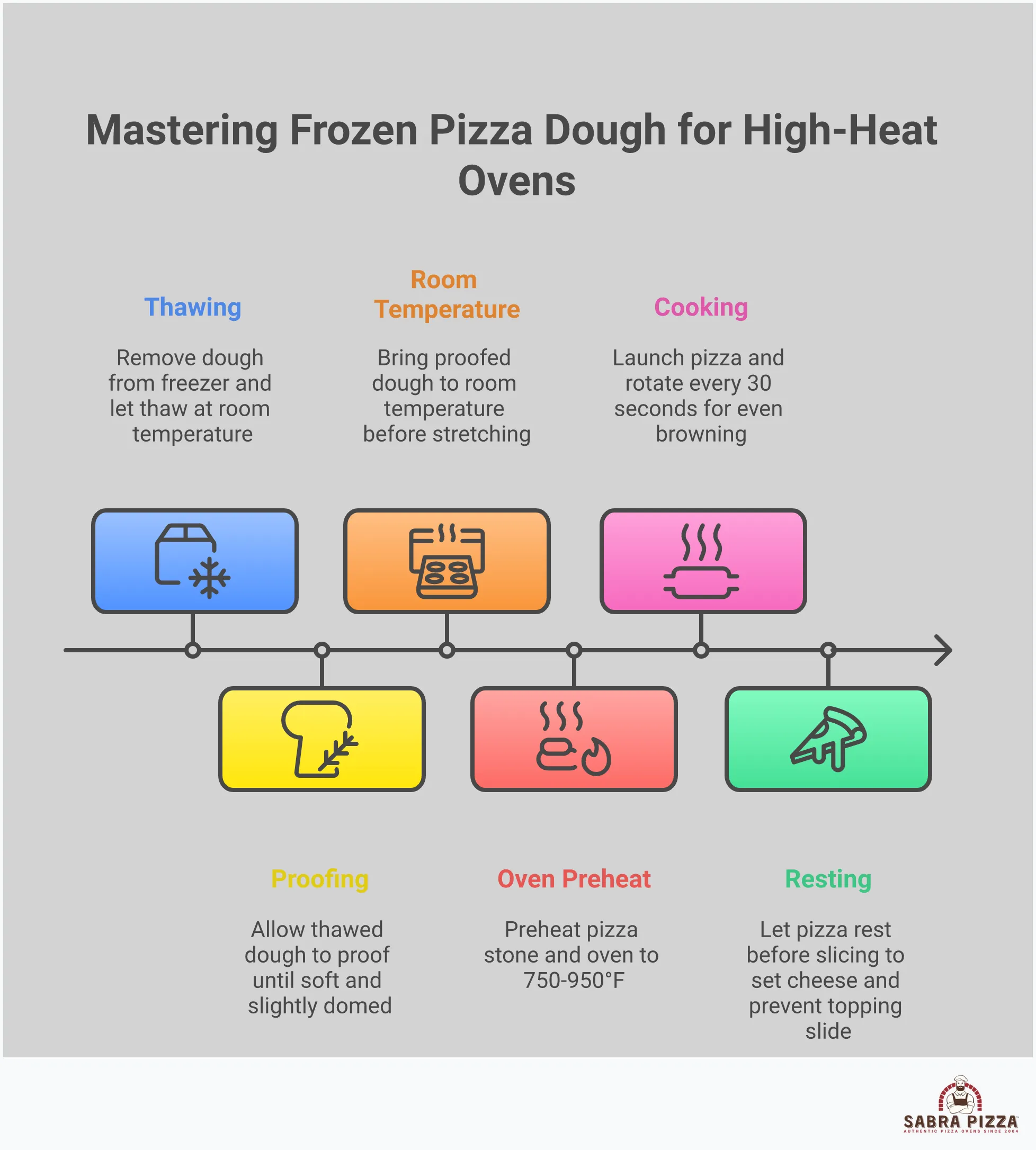
Thawing and Proofing Times
Patience is the secret ingredient here. You can’t rush the thawing and proofing process. For the best results, you need to let the dough thaw completely and come to room temperature. This usually takes about six hours on the counter, so plan ahead. Once it’s thawed, the dough needs to proof, which is the final rise that develops its flavor and airy texture. This step is what gives you that delicious, bubbly crust. Most frozen doughs should be used within 72 hours of thawing, and it’s important to remember that you should never refreeze dough once it has thawed, as this will ruin its structure. A well-proofed dough will feel soft, be pliable, and have a slight dome shape.
Stretching for a High-Heat Oven
Once your dough is thawed and proofed, it’s time to shape your pizza. The goal is to create a uniform base without tearing it. Start by generously flouring your work surface, your hands, and the dough ball itself to prevent sticking. Instead of using a rolling pin, which can compress the air bubbles you just worked so hard to create, use your fingertips and knuckles to gently stretch the dough from the center outward. A quality artisan dough will stretch easily without tearing. Rotate the dough as you work, letting gravity help you, until you’ve reached your desired size and thickness. Don’t worry about making a perfect circle—a rustic shape is part of the charm of homemade pizza.
Baking Temps and Times
High-heat pizza ovens are designed to cook pizzas in minutes, so having your dough ready is key. Many premium frozen doughs, like those from Ooni, are specifically formulated to withstand the intense temperatures of these ovens, which helps create an amazing texture and flavor. Before you launch your pizza, make sure your oven and pizza stone are fully preheated to the recommended temperature, often between 750°F and 950°F. This initial blast of heat is what creates the "oven spring," causing the crust to puff up instantly for that signature crispy-on-the-outside, chewy-on-the-inside texture. Your pizza will likely cook in just 60 to 90 seconds, so keep a close eye on it and rotate it frequently for an even bake.
Common Mistakes to Avoid with Frozen Dough
You’ve picked out a fantastic frozen dough, and you’re ready to fire up your oven. But even the best dough can fall flat if you make a few common missteps. The good news is that these mistakes are incredibly easy to fix. A little know-how is all it takes to turn that frozen puck into a perfectly crisp, chewy, and delicious pizza crust. Let’s walk through the most frequent slip-ups and how you can sidestep them for a flawless pizza night, every time.
Improper Preheating and Temp Control
Patience is a virtue, especially when it comes to your pizza oven. One of the most critical mistakes you can make is not preheating the oven properly. Tossing your pizza in before the oven and the stone are fully heated is a recipe for a soggy, undercooked crust and unevenly melted toppings. Your high-performance pizza oven is designed to cook quickly at scorching temperatures. To get that signature crispy-on-the-outside, chewy-on-the-inside crust, you need to give it time to reach its optimal heat. Always follow your oven’s instructions for preheating, and consider using an infrared thermometer to check the stone's temperature before launching your pizza.
Thawing and Timing Mistakes
Timing is everything with frozen dough. A frequent error is putting a still-frozen pizza into an oven that’s blazing hot. When the oven is way too hot, the outside of your pizza will burn to a crisp long before the center has a chance to cook through. On the flip side, pulling it out too early because you’re worried about burning it can lead to an undercooked pizza. Make sure your dough is properly thawed and proofed according to the package directions. Then, find the sweet spot for your oven’s temperature. It might take a practice run or two, but nailing the timing and temperature is key to a perfect bake.
Topping and Slicing Errors
Once your pizza is in the oven, the mistakes aren't over yet. If your frozen pizza comes with toppings, take a moment to rearrange them. It might seem minor, but redistributing the toppings ensures every slice has a balanced mix of flavors and that the pizza cooks evenly. After it comes out of the oven, resist the urge to slice it immediately. The biggest mistake people make with a piping-hot pizza is cutting the pizza too soon. Give it a minute or two to rest. This allows the cheese to set and prevents the toppings from sliding off, keeping your masterpiece intact from oven to plate.
Comparing Price, Packaging, and Value
Once you've found a dough with the right flavor and texture, the next step is figuring out if it fits your budget and lifestyle. The best dough for you isn't just about taste—it's also about convenience, cost-effectiveness, and how well it fits into your freezer and your meal plans. Let's break down the numbers, packaging, and storage details for some of the top brands to help you find the perfect match for your pizza nights, whether you're hosting a huge party or just making a quick dinner for two.
Cost Per Pizza
Looking at the total price of a package doesn't always tell the whole story. The real metric to watch is the cost per pizza, which helps you compare apples to apples. For example, Ooni's Frozen Pizza Dough Balls come in a 24-pack for $99.00, which works out to about $4.13 for each 12-inch pizza. Meanwhile, Bertello's Pizza Dough offers a pack of eight 16-ounce dough balls for $89.99. Since each ball can make two pizzas, your cost is around $5.62 per pie. Poco Bero’s NY-Style Dough Balls are priced at $119.97 for 25, putting them at about $4.80 per pizza.
Bulk vs. Individual Packs
How many pizzas you plan to make at once can help you decide on the right packaging. If you host big gatherings, Bertello offers great flexibility with packages designed to make 16, 24, or even 48 pizzas. This makes it easy to scale up for a crowd. On the other hand, if you prefer convenience and perfect portions every time, Ooni is a fantastic choice. Their pre-portioned dough balls are already measured out for a standard 12-inch pizza, taking all the guesswork out of prep. This is ideal for smaller households or anyone who wants a quick, no-fuss pizza night.
Storage and Shelf Life
A freezer full of pizza dough is a great asset, but only if it stays fresh. Shelf life is a key factor, especially if you like to buy in bulk. Ooni's dough balls are a winner here, staying fresh in the freezer for up to eight months from the purchase date. This gives you plenty of time to work your way through a large order. Poco Bero’s NY-Style Dough has a shorter shelf life of four months, but it comes with a major advantage: each dough ball is individually wrapped. This is a thoughtful touch that helps prevent freezer burn and makes it incredibly easy to grab just one or two at a time.
The Verdict: Which Frozen Dough Should You Buy?
After testing and tasting, it’s clear that the best frozen pizza dough really comes down to your personal pizza-making style. Are you looking for the quickest path to a delicious dinner, or are you chasing that perfect, authentic pizzeria crust? No matter your goal, there’s a frozen dough out there that will make your pizza night a success. Here’s our breakdown of which dough to grab for your next backyard bake.
For the Best All-Around Experience: Sabra Pizza Premium Dough
We might be a little biased, but our Sabra Pizza Premium Frozen Dough Balls are crafted to give you the most reliable and delicious results in a high-heat pizza oven. We’ve perfected the balance of flavor, texture, and workability, so you get a dough that stretches beautifully and bakes into a crust with the ideal combination of chew and char. It’s the perfect foundation for any topping combination and our top pick for a consistently fantastic pizza, every single time.
For Ultimate Convenience: Ooni or Bertello
If your main goal is getting a great pizza on the table with minimal fuss, Ooni and Bertello are fantastic choices. Ooni’s Classic Pizza Dough Balls are a dream for anyone who loves efficiency. They’re pre-portioned for a perfect 12-inch pizza and made with high-quality '00' flour, giving you a professional-style crust without the mess. Similarly, Bertello’s Artisan Pizza Dough is known for being incredibly easy to stretch without tearing, making it a forgiving option for beginners who still want premium quality.
For the Authentic Flavor Chaser: Poco Bero New York Style
For those who believe the secret to great pizza is in the water, Poco Bero’s New York Style Dough Balls are a must-try. Made with genuine NYC water, this dough delivers that unmistakable flavor and texture you’d find in a classic Big Apple slice shop. It takes a bit more planning, with a six-hour thaw time, but the authentic, chewy-crisp result is well worth the wait for any pizza purist. It’s the closest you’ll get to a New York pizzeria experience right in your own backyard.
Related Articles
- 5 Best Places to Buy Frozen Pizza Dough Balls
- Can You Use Store Bought Dough in an Alfa Oven?
- 4 Best Premade Neapolitan Pizza Doughs of 2025
Frequently Asked Questions
Why can't I use a rolling pin to stretch my pizza dough? Using a rolling pin is tempting for its speed and ability to create a perfect circle, but it's the fastest way to ruin a great crust. The proofing process creates delicate air pockets within the dough, which are essential for that light, bubbly texture. A rolling pin compresses and flattens everything, pushing out all that air. Instead, gently using your hands to stretch the dough preserves those bubbles, which will expand in the oven's high heat to give you that signature puffy, airy crust.
What's the real difference between '00' flour and regular all-purpose flour for pizza? Think of '00' flour as the specialist for high-heat pizza ovens. It's an Italian-style flour that is milled to be incredibly fine, almost like powder. This fine texture allows it to absorb water well and creates a dough that is very smooth and easy to stretch. When baked in a hot oven, it produces a crust that is wonderfully crisp on the outside but remains tender and light on the inside. All-purpose flour can still make a good pizza, but it often results in a denser, chewier crust that's more typical of a New York-style slice.
My dough tore while I was stretching it. Can I still save it? Absolutely! A tear in your dough is a common hiccup, not a disaster. The easiest fix is to simply pinch the torn edges back together and press them firmly to seal the hole. If it's a larger tear, you can fold the dough over on itself and gently press it back into a ball. Let it rest for about 15-20 minutes to allow the gluten to relax again, and then you can restart the stretching process, being a little more gentle this time.
How long can I keep the thawed dough in my refrigerator before using it? Once your dough has thawed, you have a nice window of time to use it. Most high-quality doughs can be kept in the refrigerator for up to 72 hours. In fact, letting it rest in the fridge for a day or two after thawing can actually improve the flavor through a process called cold fermentation. Just make sure it's in a well-oiled, airtight container so it doesn't dry out. When you're ready to bake, pull it out and let it sit on the counter for an hour or two to come to room temperature.
Is there a big difference between frozen dough balls and the refrigerated dough I find at the grocery store? Yes, there are a few key differences. Frozen dough balls, especially from premium brands, are often made with higher-quality ingredients like '00' flour and are specifically formulated to perform in the extreme heat of a pizza oven. They are designed for a crispier, pizzeria-style crust. Refrigerated doughs, like the ones from Trader Joe's or Whole Foods, are incredibly convenient for a weeknight meal and produce a reliable, often chewier crust. They are a fantastic all-purpose option, but for achieving that authentic, artisan-style pizza, a specialty frozen dough usually has the edge.