

Your Alfa oven is a powerhouse, capable of reaching temperatures that cook a pizza in under two minutes. This incredible heat is the key to a perfect crust, but it also demands a lot from your ingredients. This leads many owners to wonder, can you use store bought dough in an Alfa oven, or will it simply burn before it has a chance to cook through? It’s a valid concern, but rest assured, the right store-bought dough can perform beautifully under that kind of power. It just requires a different technique than you might be used to. This article is your complete guide to mastering the process, from prepping the dough to managing the heat for a perfect, evenly cooked pizza.
Key Takeaways
- Give Your Dough Time to Wake Up: The secret to a great crust is patience. Always let store-bought dough rest at room temperature for at least an hour before stretching; this relaxes the gluten, making it easy to shape and creating a lighter, airier result.
- Embrace the Heat and Speed: Your Alfa oven's magic lies in its intense heat. Preheat it thoroughly to 700-800°F for a super-fast bake—around 90 seconds—and be ready to rotate the pizza constantly to get that perfect, even char.
- Top Your Pizza Strategically: To prevent a soggy crust, remember that less is more. Use a light hand with sauce and choose toppings that won't release too much water, ensuring the high heat can crisp the dough instead of steaming it.
How to Use Store-Bought Dough in Your Alfa Oven
Let's be real: making pizza dough from scratch is a rewarding process, but it's not always practical for a weeknight pizza craving. That's where store-bought dough comes in as a fantastic time-saver. With a high-performance machine like your Alfa oven, you can turn a simple ball of pre-made dough into a spectacular, crispy-crusted pizza that tastes anything but store-bought. The secret isn't just in the oven, though—it's in how you handle the dough. A few simple prep steps can make all the difference between a frustrating experience and a perfect pizza night.
First things first, give your dough some time to relax. Most store-bought dough needs to sit at room temperature for at least an hour before you even think about stretching it. This step is non-negotiable; a cold, tight dough will just snap back at you. Once it's pliable, gently stretch it with your hands on a floured surface. Avoid the temptation to use a rolling pin, which can press out all the lovely air bubbles that give your crust a light, airy texture. If the dough resists, just let it rest for another 10-15 minutes. Patience is your best friend here. For a deeper dive into the process, check out this helpful guide to making pizza with store-bought dough.
While your dough rests, get your Alfa oven fired up. You want it roaring hot to get that signature Neapolitan-style char and quick cook time. Once your base is stretched, it's time for toppings. Remember that less is more. A light layer of sauce, cheese, and your favorite toppings will prevent a soggy bottom and allow the crust to cook through properly. Slide it into your preheated oven, and in just a couple of minutes, you'll have a delicious pizza ready to go. When it comes to choosing a base, many pizza lovers swear by options like Trader Joe's plain pizza dough, but it's worth experimenting to find your personal favorite. You can find some great recommendations from chefs on the best store-bought pizza dough to try.
The Best Store-Bought Doughs for Your Alfa Oven
Let’s be honest: while making pizza dough from scratch is incredibly rewarding, sometimes life just gets in the way. Having a go-to store-bought dough on hand means you can fire up your Alfa oven for a fantastic pizza night without the hours of prep. The good news is that you don’t have to sacrifice quality for convenience. A premium oven deserves a great foundation, and plenty of store-bought options deliver a delicious, crispy crust that stands up to the high heat of an Alfa.
The key is knowing which brands to look for. Not all pre-made doughs are created equal. Some turn out cracker-thin, while others have a strange, doughy aftertaste. To save you the trial and error, I’ve rounded up a few of the most reliable and delicious options you can find at your local grocery store. From classic refrigerated doughs to excellent gluten-free alternatives, these picks will help you get a pizzeria-quality pie right in your backyard.
Trader Joe's Plain Pizza Dough
If you have a Trader Joe's nearby, you're in luck. Many pizza lovers agree that it’s one of the best store-bought options available. According to one pizza chef, "Due to the low price, higher quality, and great taste, it's a favorite among many pizza enthusiasts." This dough is incredibly easy to work with, stretching beautifully without much fuss. It bakes up with a satisfying chew and a light, airy crust that gets a perfect char in a hot Alfa oven. Whether you prefer the plain, whole wheat, or garlic and herb variety, it provides a consistently delicious base for any toppings you can dream up. It’s a simple, affordable choice that truly delivers.
Walmart's Pizza Buddy
You might be surprised to find a top contender in the aisles of Walmart, but their Pizza Buddy dough ball is a hidden gem. It’s praised by home pizza makers for its "good rise, good flavor," and impressive elasticity. That stretchiness is a sign of good gluten development, which is exactly what you want for a classic Neapolitan-style crust. As some users note, you’ll need to be patient when shaping it, allowing the dough to relax as you work. But that little bit of extra care pays off with a fantastic texture and a crust that puffs up beautifully around the edges, creating that perfect cornicione you expect from a high-performance oven.
Manini's Gluten Free Pizza Dough
Finding a gluten-free pizza dough that doesn’t taste like cardboard can be a real challenge, but Manini's is a game-changer. For anyone with dietary restrictions, Manini's Gluten Free Pizza Dough is a fantastic option that allows everyone to join in on pizza night. Made with a blend of ancient grains, it has a surprisingly robust flavor and a texture that holds up well to sauce and toppings. It bakes into a crust that’s both sturdy and tender, avoiding the gumminess that plagues many other gluten-free products. It’s a wonderful way to ensure no one misses out on enjoying a fresh, hot pizza straight from the Alfa oven.
Refrigerated vs. Frozen Dough
When you're at the store, you'll likely see both refrigerated and frozen dough options. So, which should you choose? Honestly, both can yield amazing results. Refrigerated dough, like the Trader Joe's option, is typically ready to use after a short rest at room temperature. It often has a slightly fresher, more complex flavor. Frozen dough is perfect for stocking up your freezer for spontaneous pizza nights. The most important step with frozen dough is to thaw it properly—usually overnight in the fridge, followed by a few hours on the counter. As one expert notes, "There are many great options on the market, including frozen pizza dough, so pick the one you like best."
How to Prepare Store-Bought Dough
Grabbing a pre-made pizza dough from the store is a fantastic shortcut, but that doesn’t mean you should toss it straight from the bag onto the peel. To get that glorious, puffy, and crisp crust you expect from your Alfa oven, you need to give that dough a little TLC first. Think of it as waking the dough up and getting it ready for the high-heat magic that’s about to happen. A few simple, non-negotiable steps can transform a dense, lifeless disc into an airy, flavorful foundation for your favorite toppings.
Proper preparation makes the dough easier to handle and dramatically improves the final texture and taste. When you let the dough come to room temperature and rest, you’re allowing the gluten to relax and the yeast to become more active. This process develops flavor and creates the gas bubbles that will expand in the oven, giving you that coveted light and open crumb structure. Rushing these steps is the most common mistake people make, often resulting in a dough that’s impossible to stretch and a crust that’s tough and cracker-like. Taking an hour or two for prep work is the secret to making store-bought dough taste like it came from your favorite local pizzeria.
Bring Your Dough to Room Temperature
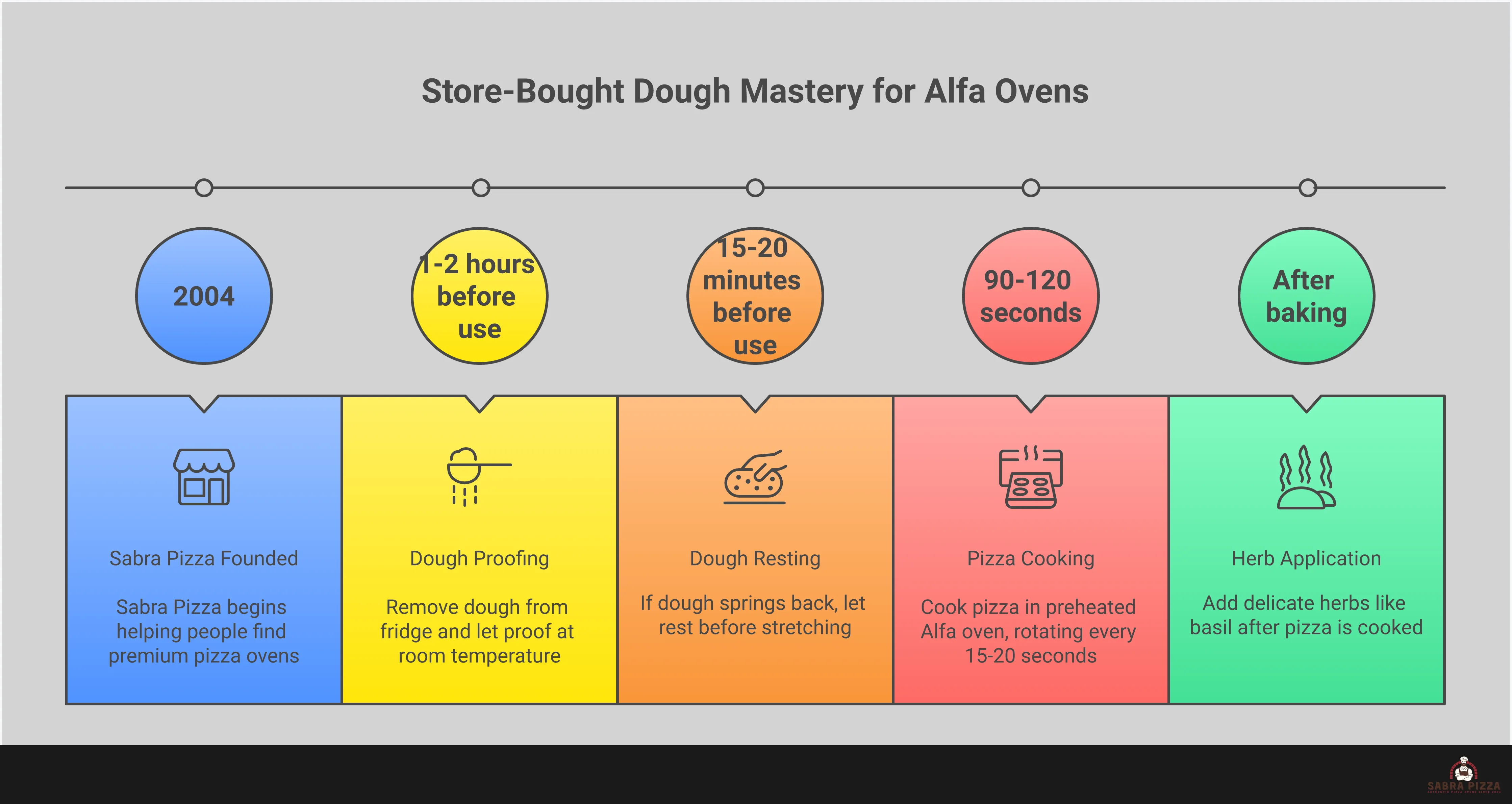
First things first: never try to shape cold dough. It’s stiff, stubborn, and will fight you every step of the way. Pull your dough out of the refrigerator at least one to two hours before you plan to start making your pizza. This simple step allows the gluten strands within the dough to relax, making it significantly more pliable and easy to stretch. Working with room-temperature dough is the difference between a frustrating wrestling match and a smooth, easy shaping process. It also helps the crust bake up lighter and more evenly in the intense heat of your Alfa oven, preventing a dense, gummy texture.
Let It Rest for Better Texture
Once your dough is out of the fridge, don’t just leave it in its plastic bag. Give it a proper place to rest and proof. Lightly oil a bowl, place the dough inside, and cover it with plastic wrap or a damp towel. Let it sit on the counter for at least two hours, and up to four if you have the time. This resting period is crucial for developing flavor and texture. It gives the yeast time to work, creating small air pockets that will puff up beautifully in the oven. This process, often called proofing, is what creates a tender, chewy crust. You’ll notice the dough becomes softer and may even increase slightly in size as it develops its structure.
Stretch the Dough Without Tearing
When it’s time to shape your pizza, be gentle. The goal is to stretch the dough, not flatten it completely. If you start working with the dough and it immediately springs back, stop. That’s its way of telling you it needs more time to rest. Let it sit for another 15-20 minutes and try again. Use your fingertips to press the dough out from the center, leaving the outer edge a little thicker to create that classic puffy crust, or cornicione. While many pros stretch the dough by hand, a rolling pin can be a great tool if you’re just starting out. Just be sure to roll gently to avoid tearing the delicate dough or pressing out all the precious air bubbles you just let it develop.
Use Flour or Semolina for Easy Handling
Nothing is more disappointing than creating a perfect pizza only to have it stick to your counter or pizza peel. To prevent this, generously dust your work surface before you start stretching. All-purpose flour works well, but many pizza makers swear by semolina. Using semolina creates a fantastic barrier against sticking and adds a subtle, pleasant crunch to the bottom of your crust. It also has a higher smoke point than regular flour, so it’s less likely to burn on the floor of your hot Alfa oven. A light dusting on your work surface and on the pizza peel is all you need to ensure your pizza slides smoothly into the oven.
Alfa Oven Settings and Cooking Techniques
Once your dough is stretched and your toppings are ready, it’s time for the main event. Cooking with a high-performance Alfa oven is a completely different experience from using your standard kitchen oven, and that’s a good thing. The intense, rolling heat that creates an authentic Neapolitan-style pizza also means things happen fast—really fast. But don’t let the speed intimidate you. Mastering your Alfa is all about understanding a few key techniques that will quickly become second nature. It’s less about precise recipes and more about feeling the rhythm of the fire and the dough. With the right temperature, a watchful eye, and a little practice, you’ll be pulling out perfectly cooked pizzas that will have your friends and family thinking you trained in Italy. From getting the heat just right to knowing the perfect moment to turn your pizza, these simple, actionable steps will help you get consistent, delicious results every single time, turning your backyard into the neighborhood's favorite pizzeria.
Preheat Your Oven to 700-800°F
The secret to an incredible pizza crust—crispy on the outside, light and airy on the inside—is intense heat. Before you even think about launching your pizza, you need to let your Alfa oven get screaming hot. Aim for a temperature between 700°F and 800°F. This high heat cooks the pizza quickly, creating the perfect "leopard spotting" on the crust and ensuring the dough gets a beautiful oven spring. As the experts at Heath Riles BBQ note, "The Alfa Pizza Oven should be heated to 650℉-700℉." Pushing it a little higher for store-bought dough can give you even better results.
Use a Pizza Stone for a Crispy Crust
One of the best features of an Alfa oven is its refractory brick cooking floor, which essentially acts as a giant, built-in pizza stone. This surface is designed to absorb and radiate high, even heat, pulling moisture from the dough to create a perfectly crisp bottom crust. There’s no need to add a separate stone. Just let the oven floor get fully preheated along with the rest of the oven. This direct, intense heat from below is what cooks the pizza so quickly and effectively, giving you a "better result than many local pizza places." It’s the key to avoiding a soggy bottom and achieving that signature pizzeria-quality texture.
Aim for a 90-Second to 2-Minute Cook Time
Get ready to move quickly, because your pizza will be done in a flash. At temperatures over 700°F, a pizza can cook in as little as 90 seconds to two minutes. This rapid cooking process is what makes wood-fired and high-heat gas ovens so special. It melts the cheese perfectly, cooks the toppings without drying them out, and creates that signature crispy-chewy crust. Don't walk away from the oven! Stay close and keep an eye on your creation. The difference between a perfect pizza and a burnt one is a matter of seconds, so have your pizza peel ready to go.
Rotate Your Pizza for an Even Cook
Because the fire is typically at the back or side of an Alfa oven, that area will be the hottest spot. To get a perfectly uniform cook, you’ll need to rotate your pizza. After about 30-45 seconds, use a turning peel to give the pizza a quarter or half turn. This ensures every side gets equal exposure to the flame, preventing one side from burning while the other remains undercooked. A good rule of thumb is that "the pizza needs to be rotated every 15 seconds for even cooking." Continue rotating until the cheese is bubbly and the crust is golden brown all the way around.
Choosing the Best Toppings
Once you’ve mastered preparing your store-bought dough, the fun really begins. Toppings are your chance to get creative and make the pizza entirely your own. With the intense heat of an Alfa oven, however, not all toppings are created equal. The goal is to choose ingredients that will cook quickly and evenly without releasing too much moisture, which can lead to a soggy crust. Think of your pizza as a canvas where balance is key. You want flavors that complement each other and a topping-to-crust ratio that allows the base to get that signature crispy, chewy texture we all crave.
Using store-bought dough is a fantastic shortcut, which means you can spend a little extra time and effort on sourcing high-quality toppings. Fresh, flavorful ingredients will make a world of difference and turn a simple weeknight meal into a gourmet experience. From classic combinations that never fail to please to finishing touches that add a pop of freshness, we’ll cover how to top your pizza for perfect results every time you fire up your Alfa oven.
Classic Topping Combinations
When you're working with the high heat of an Alfa oven, sometimes the simplest combinations are the most successful. You can’t go wrong with a classic like the Margherita, with its simple trio of San Marzano tomato sauce, fresh mozzarella, and basil. Another foolproof option is a classic wood-fired pepperoni pizza. Layering a light amount of sauce, shredded low-moisture mozzarella, and quality pepperoni slices ensures everything cooks in perfect harmony. These classics work because their ingredients are relatively low in moisture and cook through in the 90 seconds it takes to bake the crust, resulting in a perfectly balanced and delicious pizza.
Avoid a Soggy Crust with the Right Topping Ratio
The number one enemy of a great pizza is a soggy crust, and the primary culprit is usually overloaded toppings. It’s tempting to pile on all your favorites, but restraint is your best friend here. To prevent a soggy bottom, it's essential to maintain the right topping ratio. A thin layer of sauce is all you need—any more and it will steam the dough instead of letting it crisp up. If you’re using high-moisture ingredients like fresh mozzarella or certain vegetables, be sure to pat them dry with a paper towel before placing them on the pizza. A balanced approach ensures your toppings complement the crust rather than overwhelming it, giving you that perfect crispy-chewy bite.
Add Flavor with Fresh Herbs and Quality Cheese
Using store-bought dough saves you time, so why not reinvest that time into sourcing incredible toppings? High-quality cheese and fresh herbs can truly make your pizza sing. Instead of pre-shredded cheese, try grating your own low-moisture mozzarella for a better melt. For an extra kick of flavor, consider adding a sprinkle of grated Parmesan or Pecorino Romano. Fresh herbs are another game-changer, but timing is everything. Add delicate herbs like basil or parsley after the pizza comes out of the oven. This prevents them from burning in the intense heat and ensures their fresh, vibrant flavor shines through. A final drizzle of high-quality extra virgin olive oil is the perfect finishing touch.
Common Mistakes to Avoid
You’ve got a world-class Alfa oven and some quality store-bought dough—you’re so close to a perfect pizza night. But a few common slip-ups can stand between you and that crispy, chewy crust you’re dreaming of. The good news is that these mistakes are incredibly easy to fix once you know what to look for. Let’s walk through the most frequent missteps so you can get a perfect bake every single time.
Skipping the Resting Period
Patience is a key ingredient when it comes to pizza. It’s tempting to grab that cold dough ball straight from the fridge and start stretching, but this is a recipe for frustration. Cold, tight dough is difficult to work with and won’t bake up light and airy. Store-bought dough needs time to come to room temperature and rest for at least 30 minutes to an hour. This resting period allows the gluten to relax, making the dough pliable and easy to shape without tearing. A relaxed dough is the first step to achieving a crust with a beautiful, open texture. You can learn more about how gluten development impacts your final bake.
Overloading on Toppings
In the world of high-heat pizza ovens, less is truly more. While it’s fun to pile on your favorite ingredients, remember that the dough is the star of the show. Overloading your pizza with too many toppings, especially those with high water content like fresh mozzarella or certain vegetables, will lead to a soggy crust and an uneven cook. Your Alfa oven cooks pizza in minutes, and a mountain of toppings will insulate the dough from the heat and release too much moisture. Instead, focus on a balanced approach with just a few high-quality ingredients. This allows each flavor to shine and ensures your crust gets the direct heat it needs to become perfectly crisp.
Not Preheating Your Oven Enough
An Alfa oven is a powerful tool, but it needs to be properly heated to work its magic. Placing your pizza in a lukewarm oven is one of the biggest mistakes you can make. For that signature crispy-on-the-outside, chewy-on-the-inside crust, your oven needs to be very hot before the pizza goes in. Aim to get your oven floor temperature between 700-800°F. This intense heat cooks the pizza quickly, creating that desirable oven spring and leopard-spotted char. We recommend using an infrared thermometer to check your oven floor temperature accurately before launching your first pie. A properly preheated oven is non-negotiable for restaurant-quality results.
Using a Rolling Pin Too Aggressively
Store-bought dough can sometimes be delicate, and a rolling pin can seem like the safest way to shape it without tearing. While a rolling pin can be a useful tool, be careful not to use it too aggressively. Pressing down too hard will push out all the precious air bubbles that developed during fermentation. This deflates the dough, resulting in a dense, cracker-like crust instead of a light, puffy one. If you use a rolling pin, do so gently just to get the shape started. For the best texture, try to finish by stretching the dough by hand, which preserves more of the air pockets and helps you build a defined crust.
Store-Bought vs. Homemade Dough
Let’s talk about the great pizza debate: store-bought versus homemade dough. For many, making dough from scratch is a cherished ritual, the true heart of an authentic pizza. For others, it’s a time-consuming step that stands in the way of a quick, delicious meal. The truth is, there’s a place for both in your kitchen, and your choice simply depends on your priorities for the day—flavor, convenience, or a mix of both.
The good news is that a high-performance oven, like the ones from Alfa, is a great equalizer. Its intense, even heat can transform a simple base into a spectacular crust, whether you spent hours nurturing it or picked it up from the grocery store an hour ago. So, instead of thinking of it as a competition, think of it as having two great options in your pizza-making toolkit. One is for the days you want to savor the process, and the other is for when you want to savor a perfect pizza without the wait. We’ll break down the key differences to help you decide which path to take for your next pizza night.
Comparing Texture and Flavor
When it comes to pure sensory experience, homemade dough often has the edge. When you make your own, you control everything—the type of flour, the hydration level, and the fermentation time. This process allows complex flavors to develop and creates that coveted soft, airy, and slightly chewy texture with beautiful, big bubbles in the crust. There’s a certain freshness and depth you get from a well-made homemade dough that’s hard to replicate.
However, a quality store-bought dough can get you remarkably close, especially when baked in a premium Alfa Forni oven. The high heat helps create a rapid oven spring, giving the crust a great lift and a satisfyingly crisp exterior. While it might be slightly denser or have a more straightforward flavor, a good pre-made dough is a fantastic canvas for your toppings.
The Trade-Off: Convenience vs. Quality
This is the main reason most of us reach for store-bought dough. Making dough from scratch isn't difficult, but it does require planning. You have to mix, knead, and then wait—sometimes for hours, sometimes for days—for it to rise and develop flavor. It’s a labor of love that pays off in the final product.
Store-bought dough is the ultimate shortcut. It eliminates the most time-consuming part of the process, letting you jump straight to the fun part: stretching, topping, and baking. It’s the perfect solution for a spontaneous pizza craving, a busy weeknight, or a last-minute party. You’re trading a bit of that bespoke, artisanal quality for the incredible convenience of having a ready-to-go base whenever you need it.
When to Choose Store-Bought Dough
So, when is it the right call? Opt for store-bought dough when time is your most valuable ingredient. It’s ideal for those hectic weeknights when you want a home-cooked meal without the fuss, or for impromptu backyard gatherings. If you’re new to using a high-heat pizza oven, using pre-made dough is also a great way to practice. It allows you to focus entirely on managing the fire and mastering your cooking technique without worrying if your dough is perfect.
Remember, using store-bought dough doesn’t mean you’re settling. You can still create an incredible, restaurant-quality pizza. The secret is to treat the dough right—let it come to room temperature and stretch it properly—and to let your high-quality toppings and powerful oven do the heavy lifting.
Related Articles
- How to Use a Wood Fired Pizza Oven Like a Pro
- 5 Best Places to Buy Frozen Pizza Dough Balls
- 7 Best Backyard Pizza Ovens (Tested & Reviewed)
- 4 Best Premade Neapolitan Pizza Doughs of 2025
Frequently Asked Questions
Why does my store-bought dough keep snapping back when I try to stretch it? This is the dough’s way of telling you it’s not ready yet! When dough is cold, the gluten inside is tight and tense, which makes it spring back. The simple fix is patience. Let your dough sit on the counter, covered, for at least an hour or two to come to room temperature. This allows the gluten to relax, making the dough soft, pliable, and much easier to shape into your perfect pizza base.
Do I need to buy a separate pizza stone for my Alfa oven? Nope, you can save your money on this one. Your Alfa oven comes with a refractory brick cooking floor that is specifically designed to absorb and radiate intense heat. It functions as a built-in, super-effective pizza stone. Just make sure you preheat the oven properly so the floor is roaring hot, and it will give your crust that perfect, crispy finish all on its own.
How can I prevent a soggy crust? A soggy crust is usually caused by two things: too much moisture from toppings or an oven that isn't hot enough. Be mindful of your topping-to-crust ratio and go lighter than you think you need to, especially with sauce. If you're using fresh mozzarella or vegetables with high water content, pat them dry with a paper towel first. Most importantly, ensure your oven floor is fully preheated to at least 700°F so it can instantly start crisping the bottom of the dough.
Is frozen or refrigerated dough better for a high-heat oven? Both can produce fantastic results, so it really comes down to how much time you have. Refrigerated dough is great because it typically only needs an hour or two at room temperature before it’s ready to stretch. Frozen dough is perfect for stocking up, but it requires more planning. You’ll need to thaw it in the refrigerator overnight and then let it rest on the counter for a couple of hours to fully wake up.
My pizza cooks so fast it burns on one side. How can I fix this? This is a classic sign that you’re ready to master the art of the turn. Because the flame is in one part of your Alfa oven, that area is intensely hot. To get an even bake, you can't just launch the pizza and walk away. After about 30 seconds, use a turning peel to give the pizza a quarter turn. Keep rotating it every 15-20 seconds until the crust is evenly golden and puffed up all around.