

One of the best things about investing in a baking steel is that it’s far from a one-trick pony. While it will absolutely transform your pizza game, its ability to radiate intense, even heat makes it a powerhouse for so much more. Think of it as a secret weapon that turns your standard home oven into a high-performance cooking machine. Its versatility extends from baking crusty, bakery-style breads to searing steaks and caramelizing vegetables. By learning how to use your steel for other dishes, you’ll get even more value out of your purchase and create incredible food.
Key Takeaways
- Master the Perfect Crust: A baking steel's secret is its incredible heat conductivity. It transfers intense heat to your dough almost instantly, creating the crispy, bubbly, and slightly charred crust that's impossible to get from a regular pizza stone.
- Invest in Durability: Forget replacing cracked pizza stones. A baking steel is a buy-it-once tool that will last a lifetime. Its simple, cast-iron-style maintenance means less worry and more focus on making great pizza.
- Don't Skip the Preheat: Patience is key to unlocking your steel's potential. Giving it a full 45-60 minutes to preheat at your oven's highest temperature is the single most important step for guaranteeing a perfectly crisp, evenly cooked crust every time.
What Is a Baking Steel and How Does It Work?
If you’ve ever been disappointed by a homemade pizza with a soft, pale crust, a baking steel might be the simple tool you’re missing. Think of it as a supercharged cooking surface for your oven. A baking steel is a heavy, flat slab of solid steel designed to absorb, retain, and conduct heat far more effectively than a traditional pizza stone. While a stone is typically made from ceramic or cordierite, a steel is, well, steel—a material known for its incredible ability to transfer heat.
This difference in material is the key to its performance. When you preheat a baking steel in your oven, it stores an immense amount of thermal energy. Once you slide your pizza onto its surface, it releases that energy directly and rapidly into the dough. This process mimics the intense bottom heat of a professional brick oven, giving you a beautifully browned, crispy crust that’s often impossible to achieve with a stone or a standard baking sheet. It’s a straightforward way to get pizzeria-quality results right in your home kitchen.
The Science Behind the Sear
The magic of a baking steel comes down to one thing: thermal conductivity. Steel conducts heat almost 20 times more efficiently than the ceramic used in most pizza stones. This means it can transfer its stored energy to your pizza dough at an incredible speed. This rapid heat transfer creates an immediate, powerful sear on the bottom of the crust, causing it to puff up and develop that signature crispiness and char. Because the steel is so effective, a pizza can cook in as little as four to seven minutes, which also helps keep your toppings fresh and perfectly cooked instead of overdone.
How It Transforms Your Home Oven
Using a baking steel essentially gives your home oven a major upgrade. A standard oven just can’t replicate the environment of a dedicated pizza oven on its own. A baking steel bridges that gap by creating an intensely hot and stable surface. It holds significantly more heat than a pizza stone, so the temperature doesn't drop dramatically when you place a cool pizza on it. This consistent heat is crucial for an even bake. According to the team at America's Test Kitchen, a baking steel heats the bottom of the crust much faster than a stone does. This prevents the dreaded soggy bottom and ensures your crust is perfectly cooked by the time your cheese is bubbly and melted.
Baking Steel vs. Pizza Stone: Which One Wins?
When you’re chasing that perfect, pizzeria-quality pizza at home, the surface you bake on makes all the difference. For years, the pizza stone was the go-to tool for home chefs. But now, the baking steel has entered the scene, and it’s a total game-changer. While both aim to mimic the intense, radiant heat of a brick oven, they perform very differently. A pizza stone is made from cordierite, clay, or ceramic, while a baking steel is a solid slab of highly conductive steel. This difference in material might seem small, but it has a huge impact on your final product. Let's break down why a baking steel consistently comes out on top for creating incredible pizza with that signature crispy, chewy crust.
Get a Crispier Crust, Faster
The secret to a phenomenal pizza crust is intense, direct heat delivered quickly. This is where baking steel truly shines. Steel is a far better conductor of heat than stone—in fact, it transfers heat almost 20 times more efficiently. This incredible conductivity means your pizza cooks much faster, typically in just 4 to 7 minutes, compared to 8 minutes or more on a stone. This rapid cooking process blasts the bottom of the dough, creating a beautifully crisp, bubbly, and leopard-spotted crust that’s nearly impossible to achieve with a traditional pizza stone. You get that perfect "oven spring" and a texture that rivals your favorite wood-fired pizzeria.
Enjoy Unmatched Durability
If you’ve ever owned a pizza stone, you might be familiar with the heartbreak of finding a crack after a thermal shock—like placing cool dough on a hot surface or accidentally splashing it with water. Pizza stones are notoriously fragile and prone to breaking. A baking steel, on the other hand, is practically indestructible. Made from solid steel, it’s a crack-proof and unbreakable piece of equipment that you’ll buy once and use for a lifetime. You can slide pizzas on and off without worry and never have to stress about it shattering from temperature changes. It’s a true workhorse in the kitchen that you can count on for countless pizza nights to come.
Simplify Your Cleanup and Maintenance
Let’s be honest—no one loves a complicated cleanup. While pizza stones are porous and can absorb grease and oils, leading to stubborn stains, a baking steel is much simpler to maintain. A quick scrape and a wipe-down are often all it needs. The care process is very similar to that of a cast-iron skillet; you’ll want to keep it dry and occasionally season it with oil to maintain its non-stick surface and prevent any rust. Over time, your steel will develop a dark, seasoned patina that only improves its performance. This straightforward care routine means you can spend less time cleaning and more time enjoying your delicious, homemade pizza.
How to Choose the Right Baking Steel
Once you’ve decided a baking steel is the right tool for your kitchen, the next step is picking the perfect one. With different brands, thicknesses, and sizes on the market, it can feel a little overwhelming. But don’t worry—finding the right steel is straightforward when you know what to look for. The key is to match the steel to your oven, your cooking style, and your budget. A great baking steel is an investment that will last a lifetime, so taking a moment to consider your options will pay off with countless delicious pizzas.
Think about how you’ll use it. Are you making Neapolitan-style pizzas in a high-heat outdoor oven or baking artisan bread in your conventional kitchen oven? The right steel will feel like a natural extension of your setup, helping you get consistent, professional-quality results every time you fire it up. It's not just about buying a slab of metal; it's about choosing the piece of equipment that will become your go-to for perfect crusts. Let’s break down the most important factors—from brand and thickness to the perfect size for your oven—so you can choose with confidence and get cooking.
Comparing Top Brands
When you start shopping, you’ll see a few names pop up repeatedly. The Original Baking Steel is often considered the pioneer, setting a high standard for quality and performance. But other brands offer compelling alternatives. For instance, one Business Insider review notes that the Dough-Joe Samurai stands out for its lower price and slightly larger size. It even includes a hole for easier handling and storage, making it a practical choice for many home bakers. Your decision will likely come down to brand reputation, specific features that appeal to you, and your budget.
Why Thickness and Quality Matter
The thickness of your baking steel is one of its most critical features. As the experts at Baking Steel explain, a thicker steel retains more heat, which allows for a faster transfer of energy to the dough. This intense, immediate heat is what creates an incredible "oven spring" and a perfectly crispy, leopard-spotted crust. While a quarter-inch steel is a great starting point, upgrading to a half-inch model can make a noticeable difference in cook times and crust texture. Look for high-quality, pre-seasoned carbon steel, which is incredibly durable and an excellent conductor of heat.
Find the Perfect Fit for Your Oven
Before you click "buy," grab a tape measure. You need to ensure the steel will fit on your oven rack with at least an inch of clearance on all sides for proper air circulation. This applies whether you're using a standard kitchen oven or one of the high-performance outdoor pizza ovens we carry. To get that pizzeria-quality result, America's Test Kitchen found it’s essential to preheat your steel in a 500°F to 550°F oven for at least an hour. This step ensures the steel is fully saturated with heat and ready to cook your pizza in minutes.
How Much Does a Baking Steel Cost?
A baking steel is an investment in your pizza-making craft, and like any quality piece of kitchen equipment, the price can vary. The cost often reflects the steel's thickness, size, and brand reputation. While it’s more of an upfront investment than a pizza stone, its durability and performance mean you’re paying for a tool that will last a lifetime. Thinking about the cost involves more than just the sticker price; it's about understanding the value it brings to your kitchen and the incredible pizza it helps you create for years to come. Let's break down what you can expect to pay and how to think about the long-term value of this essential tool.
Understanding the Price Range
When you start shopping, you'll notice that premium brands have a fairly consistent price range. For example, the original Baking Steel is priced around $129, with special editions and thicker versions costing a bit more, up to about $169. These prices are a good benchmark for a high-quality, pre-seasoned steel from a reputable company. The cost reflects the quality of the American-made steel, the precise manufacturing, and the brand's commitment to performance. While it might seem like a lot for a slab of metal, you're paying for a product engineered specifically for achieving that perfect, crispy pizza crust in a home oven.
Comparing the Long-Term Value
One of the best things about a baking steel is its incredible durability. Unlike a ceramic pizza stone, which can crack from thermal shock, a steel is virtually indestructible. Many manufacturers state that their steel will last a lifetime, and they’re not exaggerating. This makes it a fantastic long-term investment for anyone serious about making pizza at home. Instead of replacing a cracked stone every few years, you buy a steel once and you're set. Over time, the cost per use becomes incredibly low, especially when you consider the money you'll save by making restaurant-quality pizza right in your own kitchen.
Where to Find a Good Deal
If a brand-name steel isn't in your budget right now, you still have options. Some home cooks have found success with more budget-friendly alternatives. Brands like Dough-Joe offer similar products at a slightly lower price point. You can also look into sourcing a piece of A36 food-grade steel from a local metal supplier. This route requires a bit more effort—you'll need to provide the exact dimensions and do the initial cleaning and seasoning yourself—but it can save you a significant amount of money. Just be sure you're getting the right type of steel to ensure it's safe for cooking.
How to Use Your Baking Steel for Perfect Pizza
Now that you have your baking steel, it’s time for the fun part. Using it correctly is the key to achieving that pizzeria-quality crust you’ve been dreaming of. It’s a straightforward process, but getting the details right makes all the difference. Think of your steel as a battery for heat—your job is to charge it up properly so it can deliver that energy directly into your pizza dough for an incredible oven spring and a perfectly crisp bottom.
Nail Your Preheating Time
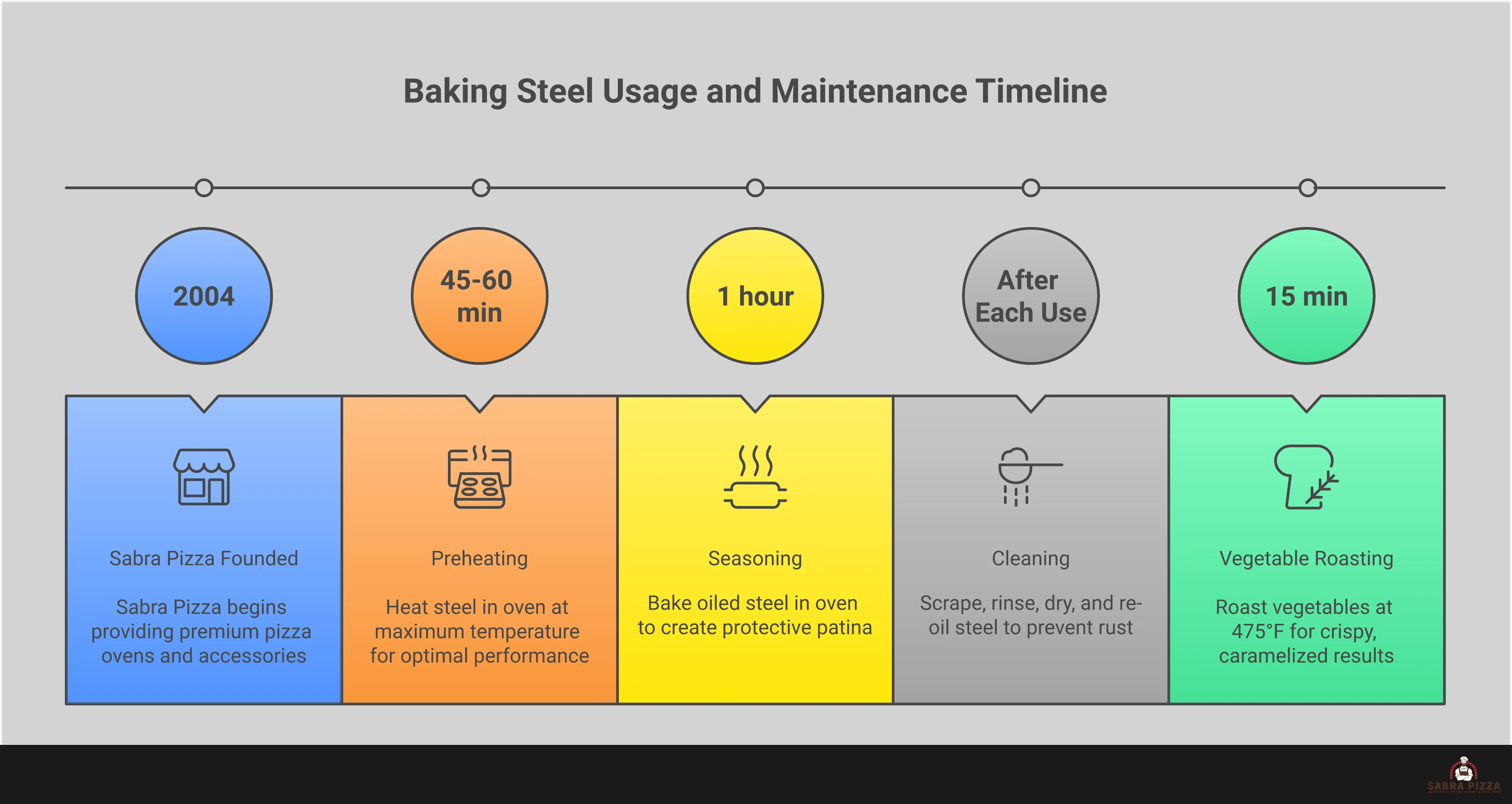
Patience is the most important ingredient here. A baking steel works by absorbing and holding an immense amount of heat, which it then transfers directly to your pizza. To do this effectively, it needs to be thoroughly preheated. Plan on heating your steel for at least 45 minutes to an hour at your oven's highest temperature setting. It might feel like a long wait, but this step is non-negotiable for creating the intense burst of heat needed for a crispy, leopard-spotted crust. Rushing the preheat is one of the most common mistakes, so give your steel the time it needs to work its magic.
Find the Right Oven Rack and Temperature
For the best results, you want to replicate a professional pizza oven's environment as closely as possible. Start by cranking your home oven to its maximum temperature, which is usually between 500°F and 550°F. Place your oven rack in the upper-middle position, about six to eight inches from the top heating element or broiler. This placement ensures the steel gets incredibly hot from the ambient air while the top of your pizza gets a nice char from the broiler. This combination of a superheated surface below and intense radiant heat from above is what gives you a perfectly cooked pizza in just a few minutes.
Handle It Safely
A fully preheated baking steel is incredibly hot and retains that heat for a very long time after you turn the oven off. Always use heavy-duty, high-temperature oven mitts when you need to adjust the rack or handle the steel. To get your pizza onto the hot surface, a quality pizza peel is your best friend. It allows you to launch and retrieve your pizza safely without ever putting your hands inside the scorching oven. Never try to move or clean the steel until it has cooled completely inside the oven, which can take a couple of hours. Safety first, always.
Common Mistakes to Avoid with Baking Steel
A baking steel is a game-changer for home pizza making, but it’s not entirely foolproof. Like any great kitchen tool, using it correctly makes all the difference between a good pizza and a truly incredible one. A few common missteps can lead to a soggy crust or unevenly cooked toppings—exactly what you’re trying to avoid. The good news is that these mistakes are easy to fix once you know what to look for.
Most issues boil down to three key areas: how you heat the steel, how you care for it, and where you place it in your oven. Getting these three things right is the secret to unlocking your baking steel’s full potential. Think of it less like a simple baking sheet and more like a high-performance piece of equipment. It needs a little prep and the right technique to deliver those pizzeria-quality results you’re after. We’ll walk through the most frequent slip-ups and show you exactly how to sidestep them, so you can get a perfect bake every single time.
Getting the Preheat Wrong
If your pizza crust comes out pale and floppy, a short preheat is almost always the culprit. A baking steel works by absorbing and holding an immense amount of heat, then transferring it directly into your dough for a powerful oven spring and a crispy, charred crust. To do this effectively, the steel needs to be screaming hot. One of the biggest mistakes is treating it like a pizza stone and only giving it 15 or 20 minutes to heat up.
For the steel to replicate a professional pizza oven, it needs a full 45 to 60 minutes of preheating at your oven's absolute maximum temperature. Yes, an entire hour. This extended time allows the dense metal to become completely saturated with heat. Patience really pays off here; cutting this step short will rob you of that signature crispy, leopard-spotted crust.
Cleaning and Seasoning Incorrectly
A baking steel is a piece of cookware you’ll have for life, but only if you care for it properly. Many people make the mistake of treating it like a stainless steel pan, scrubbing it with soap and water. This is the fastest way to invite rust. Instead, you should treat it like cast iron. After it has cooled down completely, scrape off any baked-on bits with a metal spatula, rinse with hot water, and dry it immediately and thoroughly.
To maintain its dark, non-stick patina, you’ll want to occasionally season it. Just wipe a very thin layer of cooking oil over the entire surface and bake it for an hour. This process builds up a protective layer that makes for an easier pizza launch and cleanup.
Using the Wrong Temperature or Placement
Beyond the preheating time, the actual oven settings and steel placement are crucial. You need to set your oven to its highest possible temperature—usually 500°F to 550°F—to get the steel hot enough. A lower temperature simply won’t give you the intense, immediate heat transfer required for a great pizza crust.
Where you place the steel also matters. Putting it on a rack in the top third of your oven, about 6 to 8 inches from the broiler, is usually the sweet spot. This position allows the bottom of the crust to cook quickly on the hot steel while the top gets beautifully browned by the oven’s top heating element. Placing it too low can result in a perfectly cooked crust but pale, undercooked toppings. Experiment a little to find the perfect rack position for your specific oven.
What Else Can You Cook on a Baking Steel?
One of the best things about investing in a baking steel is that it’s far from a one-trick pony. While it will absolutely change your pizza game, its incredible ability to absorb and radiate intense, even heat makes it a powerhouse for so much more. Think of it as a secret weapon that turns your standard home oven into a high-performance cooking machine. Its versatility extends from baking to roasting and searing, making it a tool you’ll reach for several times a week, not just on pizza night.
The magic lies in its conductivity. Steel transfers heat much more efficiently than stone or aluminum, which means whatever you place on its surface cooks faster and more evenly. This opens up a whole new world of culinary possibilities, from crusty, bakery-style breads to perfectly seared steaks and caramelized vegetables. By learning how to use your steel for other dishes, you’ll get even more value out of your purchase and find new ways to create incredible food right in your own kitchen. It’s a simple piece of equipment that delivers truly professional-level results across a wide range of recipes.
Bake Incredible Artisan Bread
If you’ve ever tried to bake artisan bread at home, you know the challenge is recreating the intense, radiant heat of a professional baker’s oven. This is where the baking steel shines. When you slide your loaf onto a fully preheated steel, the powerful, instantaneous heat transfer creates an explosive “oven spring”—the rapid rise that gives bread its light, airy interior. The result is a loaf with a gorgeous, open crumb and a deeply browned, crackly crust that’s hard to achieve on a standard baking sheet. Plus, unlike a ceramic stone, a steel is virtually indestructible and will never crack from thermal shock, giving you peace of mind when you add steam to your oven for that perfect crust.
Sear Meats and Roast Vegetables
Take your baking steel from the oven to the stovetop or grill to use it as a high-performance griddle. Its ability to hold scorching-hot temperatures makes it perfect for getting a deep, flavorful crust on steaks, chops, and fish. It’s also the secret to making incredible smash burgers, creating that lacy, crispy edge you can only get from a super-hot flat-top. The same principle applies to vegetables. Forget soggy, steamed broccoli or pale asparagus. Tossing your veggies onto a preheated steel gives them a beautiful char and deep caramelization in minutes. This method is also fantastic for making crispy oven fries or perfectly roasted Brussels sprouts that are tender on the inside and delightfully browned on the outside.
How to Care for and Maintain Your Baking Steel
Your baking steel is a serious piece of kitchen equipment, and with just a little bit of care, it will last a lifetime. Think of it as a long-term investment that will reward you with incredible pizzas, breads, and seared meats for years to come. Unlike a pizza stone that can crack, a steel is practically indestructible—as long as you keep it properly seasoned, clean, and dry. The process is simple and very similar to caring for cast iron cookware. Getting into a good routine from the start will protect your investment and ensure it performs beautifully every time you fire up the oven.
Seasoning Your Steel for the First Time
The secret to a great non-stick surface on your baking steel is seasoning. This process involves baking a thin layer of oil onto the steel, which creates a durable, slick coating through a process called polymerization. Most new steels come with a protective oil coating that you'll need to wash off first with warm, soapy water. After washing, dry it completely. Then, apply a very thin layer of a high-smoke-point oil, like canola or grapeseed oil, over the entire surface. Use a paper towel to wipe off any excess—you want a barely-there sheen, not a greasy film. Place the steel in your oven and heat it to 400-500°F for one hour. Turn the oven off and let the steel cool inside. Your steel will darken, which is exactly what you want.
Cleaning It the Right Way
Cleaning your baking steel is surprisingly simple. After you’re done cooking and the steel has cooled down completely, your first step should be to scrape off any baked-on food bits with a metal spatula or a bench scraper. For general cleaning, just use hot water and a stiff brush or sponge. Avoid using soap if you can, as it can strip away the seasoning you’ve worked to build. If you have some really stubborn spots, a little bit of soap is okay, but you’ll want to re-season it afterward. Never put your baking steel in the dishwasher. The harsh detergents and prolonged exposure to water will ruin the seasoning and likely cause it to rust.
How to Prevent Rust for a Lifetime of Use
The number one enemy of your baking steel is moisture, which leads to rust. The most important step in preventing rust is to dry your steel thoroughly after every single cleaning. You can towel-dry it, but the best method is to place it on a stovetop burner over low heat for a few minutes to ensure every last drop of moisture has evaporated. While the steel is still warm, wipe a very thin layer of cooking oil over the surface with a paper towel. This creates a protective barrier against humidity. If you do find a few rust spots, don't panic. You can easily remove them by scrubbing the area with steel wool, then re-seasoning it.
Is a Baking Steel Really Worth It?
Let's get straight to the big question: is a baking steel a worthwhile investment for your kitchen? If you're serious about making incredible pizza at home, the answer is a resounding yes. While it costs more than a traditional pizza stone, the results are in a completely different league. A baking steel produces a pizza with a super crispy, bubbly crust that rivals what you'd get from a professional pizzeria. It’s the kind of upgrade that makes you wonder how you ever made pizza without it.
The secret is in the material. Steel is a far better conductor of heat than ceramic stone, which often struggles to get hot enough and can cook unevenly. In fact, a baking steel transfers heat almost 20 times faster and holds significantly more energy. This intense, rapid heat transfer is what creates that perfect "oven spring" in your dough, cooking the pizza quickly and evenly for a beautifully charred and crispy bottom. It essentially transforms your standard home oven into a high-performance pizza-making machine. If you've been chasing that perfect crust and getting lackluster results from a stone, a baking steel is the game-changing tool you've been looking for.
Who Benefits Most from a Baking Steel?
A baking steel is perfect for the home cook who wants to make restaurant-quality pizza without investing in a dedicated outdoor oven. Since the original Baking Steel was designed to work in a standard kitchen oven, it’s an accessible tool for anyone serious about their craft. If you're a culinary enthusiast who appreciates high-performance equipment, you'll love its efficiency and the professional results it delivers. It's also a fantastic tool for anyone who loves to bake more than just pizza, as it's versatile enough to create amazing artisan breads, sear meats, and roast vegetables.
The Long-Term Value for Pizza Lovers
When you think about cost, it’s helpful to see a baking steel as a one-time investment for a lifetime of amazing food. Unlike ceramic pizza stones, which are prone to cracking from thermal shock, a baking steel is virtually indestructible. It’s a solid piece of American-made steel that will likely outlast your oven. For serious pizza lovers, it’s considered a must-have kitchen tool that pays for itself over and over with every perfect pizza you pull out of the oven. The durability and consistently superior performance make it an incredible value for anyone passionate about making the best possible pizza at home.
Related Articles
- Pizza Oven Stainless Steel: A Buyer's Guide
- Best Black Steel Wood-Fired Pizza Ovens of 2025
- 5 Best Stainless Steel Pizza Ovens for 2025
- 4 Best Premade Neapolitan Pizza Doughs of 2025
Frequently Asked Questions
Is a baking steel really that much better than a pizza stone? Yes, it truly is. The difference comes down to how quickly and intensely it transfers heat to your dough. Steel is an incredible heat conductor, so it blasts the bottom of your pizza with energy the second it lands on the surface. This creates a much crispier, bubblier, and more evenly browned crust in less time. While a stone is a good step up from a baking sheet, a steel is in another league entirely for achieving that perfect pizzeria-style result.
Do I really need to preheat it for a full hour? I know it sounds like a long time, but this step is the absolute key to getting a phenomenal crust. A baking steel needs that full hour to absorb enough thermal energy to be effective. If you shorten the preheat, the steel won't be hot enough to deliver that powerful, immediate burst of heat. The result is often a pale, soft, and disappointing crust—exactly what you're trying to avoid. Trust the process and give it the time it needs to work its magic.
Can I use a baking steel in my outdoor pizza oven? Absolutely. While many high-end outdoor pizza ovens already have excellent cooking floors, a baking steel can still be a fantastic addition. It provides an incredibly stable and conductive surface that recovers its temperature very quickly between pizzas. This is especially useful if you're making multiple pizzas back-to-back and want to ensure the last one has the same perfectly crisp crust as the first. Just be sure to measure your oven to guarantee a proper fit.
What's the best thickness for a baking steel? For most home cooks, a quarter-inch thick steel is a fantastic starting point and will produce incredible results. If you plan on making several pizzas in a row or want the absolute best heat retention, upgrading to a half-inch model is a great choice. The thicker steel holds more energy, meaning its temperature won't drop as much when you place a cool pizza on it, leading to even faster cook times and a slightly better crust.
What happens if my baking steel gets rusty? Is it ruined? Don't worry, it's definitely not ruined! Rust can happen if the steel is exposed to moisture, but it's very easy to fix. Just scrub the rust spots away with some steel wool and a little bit of water. Once the rust is gone, rinse the steel, dry it completely, and then go through the seasoning process again by wiping on a thin layer of oil and baking it for an hour. It will be as good as new.