

When you hear the words "stone pizza oven," your mind probably goes straight to perfectly charred, crispy-crusted pizzas. And you’re not wrong—it excels at that. But what if I told you that the same oven is your secret weapon for flame-kissed steaks, smoky roasted vegetables, and incredible artisan bread with a perfect crust? A stone oven is one of the most versatile cooking tools you can own, turning your outdoor space into a complete wood-fired kitchen. This guide will not only show you how to make unforgettable pizza but also explore all the other amazing dishes you can create, helping you get the most out of your investment.
Key Takeaways
- A Stone Deck Is Essential for an Authentic Crust: The porous stone floor is the key to achieving a perfectly crisp, airy crust. It absorbs moisture from the dough while blasting it with consistent, high heat—a combination that standard ovens can't replicate.
- Choose Your Fuel Based on Your Cooking Style: The fuel you select determines your entire cooking experience. Opt for wood for traditional smoky flavor, gas for effortless control and speed, or a hybrid model to get the convenience of gas with the authentic taste of wood.
- Master the Fundamentals for Flawless Pizza: Beyond the oven itself, your technique makes all the difference. Perfect your results by always preheating the stone completely, maintaining a steady temperature, and using a light hand with toppings to avoid a soggy base.
What Exactly Is a Stone Pizza Oven?
At its core, a stone pizza oven is a specialized oven designed to replicate the cooking environment of a traditional pizzeria. It’s built with a stone-lined top and a hot stone or ceramic bottom, which is often called the “deck.” This construction isn't just for show; it’s engineered to cook pizza using intense, reflected heat. This method is essential for achieving that perfectly crisp, slightly charred crust that’s so hard to get from a conventional home oven.
The entire chamber absorbs and radiates heat evenly, creating a consistent cooking temperature that can reach well over 750°F. This high heat cooks the pizza incredibly fast—often in just a few minutes. Whether you're looking at a classic wood-fired pizza oven or a modern gas-powered model, the stone interior is the key component that transforms your backyard into an authentic pizzeria. It’s this unique design that gives you restaurant-quality results right at home.
How Do They Work?
The magic of a stone oven lies in its materials. The combination of brick or stone and open flames not only enhances the flavor of your food but also ensures it cooks evenly. The real secret, however, is the porous nature of the stone deck. As your pizza bakes, the stone actively pulls moisture from the dough while allowing steam to escape. This process is what creates a crust that’s wonderfully crispy on the outside yet remains delightfully soft and chewy on the inside. It’s a perfect balance that standard ovens just can't match.
Stone vs. Brick: What's the Difference?
People often compare stone and brick ovens, and it’s easy to see why. While they operate on similar principles, there are some subtle differences. One of the biggest myths about brick ovens is that they are difficult to maintain. In truth, the fire handles most of the cleaning, making upkeep simpler than you might think. Stone ovens, however, are particularly prized for their efficient heat retention and distribution. This makes them a fantastic choice for creating artisan-style pizzas and other foods that benefit from a powerful, consistent heat source. Both are excellent options, but the superior heat management of stone gives it a slight edge for many home chefs.
Why Your Business Needs a Stone Pizza Oven
If you're serious about serving incredible pizza, a stone oven isn't just a nice-to-have—it's a fundamental piece of equipment. This single investment can transform the quality of your food, the efficiency of your kitchen, and the overall experience for your customers. It’s the difference between good pizza and unforgettable pizza. Let's look at exactly what makes a stone oven such a powerful tool for any culinary business or serious home chef.
Get Superior Heat Retention for Even Cooking
The magic of a stone oven starts with the stone itself. Materials like cordierite or refractory ceramic are masters of absorbing and radiating heat. Once the oven is hot, the stone floor—also called the deck—becomes a consistent, intensely hot surface. This means no more dealing with frustrating hot spots that burn one side of the pizza while leaving the other undercooked. The stone’s surface promotes even cooking, ensuring every pie that comes out of your oven is uniformly baked from the center to the edge. This consistency is key for delivering a reliable, high-quality product to your customers every single time.
Achieve That Authentic, Crispy Crust
Let's talk about the crust—the foundation of any great pizza. A stone deck is the secret to achieving that perfect texture that customers crave. The stone is porous, which allows it to pull moisture directly from the dough as it bakes. This process, known as "oven spring," creates a crust that’s unbelievably crispy and firm on the bottom, yet remains light, airy, and chewy on the inside. It’s the kind of authentic, artisan-style crust you simply can't replicate in a standard convection oven. This is how you get that signature bite that will have people coming back for more.
Cook at Seriously High Temperatures
Stone pizza ovens are built to reach temperatures that conventional ovens can only dream of, often soaring past 900°F. This intense heat is a game-changer. A pizza can cook in as little as 60 to 90 seconds, resulting in a beautifully charred crust with those coveted leopard spots. For a business, this speed means you can serve customers faster, increasing your output and revenue during peak hours. For the home enthusiast, it means you can host a pizza party for a crowd without anyone waiting long for their pie. High-performance ovens, like those from Alfa Forni, are engineered to maintain these temperatures for consistent, rapid cooking.
Go Beyond Pizza: What Else You Can Make
Don't let the name fool you; a pizza oven is one of the most versatile pieces of cooking equipment you can own. The same high, dry heat that perfects a pizza crust is also ideal for a huge range of other dishes. Think flame-kissed steaks with a perfect sear, roasted vegetables with a smoky flavor, or whole roasted chickens with crispy skin. You can even bake incredible artisan breads with a beautiful crust. By expanding your menu, you can attract a wider audience and get the most out of your investment. It transforms your outdoor space into a true wood-fired kitchen.
How Stone Ovens Stack Up Against Other Commercial Ovens
When you’re choosing an oven for your business, you’ll find a lot of options out there. Each type has its own strengths, whether it’s raw speed, precision, or ease of use. But when it comes to creating truly memorable pizza, the cooking surface makes all the difference. A stone deck isn’t just a feature; it’s the key to achieving that perfect crust and authentic flavor your customers will crave.
Understanding how stone ovens compare to other popular commercial models can help you decide which is the right fit for your kitchen’s workflow and culinary goals. Let’s break down the key differences between stone ovens and their main competitors: conveyor, gas deck, and electric deck ovens. The choice often comes down to balancing volume with the kind of quality and experience you want to provide.
Stone vs. Conveyor Ovens
Conveyor ovens are the workhorses of the high-volume pizza world. Think of them as a pizza assembly line: you place an uncooked pizza on a conveyor belt, and it travels through a heated chamber, emerging fully cooked on the other side. They are incredibly fast, capable of producing between 70 and 100 pizzas per hour. However, that efficiency comes at a cost. While stone ovens are a bit slower, topping out around 50 pizzas per hour, they produce a far superior-tasting pizza. The direct, intense heat from the stone floor creates a crispy, beautifully browned crust that a conveyor oven simply can’t replicate. For businesses where quality and authenticity are the main attractions, a stone oven is the clear winner.
Stone vs. Gas Deck Ovens
Gas deck ovens are a popular choice for their convenience and control. They heat up quickly, allow for precise temperature adjustments, and run cleaner than their wood-fired counterparts. This makes them a practical option for many busy kitchens. The main drawback? A standard metal deck can’t impart the same texture and flavor as a stone one. That’s why the best solution is often a combination of both. Many modern hybrid pizza ovens use gas for fuel but feature stone cooking floors. This setup gives you the fast, clean, and controllable heat of gas alongside the unbeatable crust-making power of a stone deck, offering a perfect blend of performance and quality.
Stone vs. Electric Deck Ovens
Electric deck ovens are known for being incredibly user-friendly and consistent. They provide very even heat, which means you don’t have to rotate pizzas as frequently to prevent hot spots. Many models also feature multiple decks that can be set to different temperatures, allowing you to cook various dishes simultaneously. This versatility is a huge plus for diverse menus. While they are simple to operate, they lack the authentic, subtle smoky flavor that comes from a wood-fired stone oven. For kitchens prioritizing ease of use and consistency, an electric oven with a stone deck is a solid choice. However, for that true artisan experience, nothing beats the classic combination of wood and stone.
The Best Stone Pizza Oven Brands for Commercial Use
When you’re ready to invest in a stone pizza oven, choosing the right brand can feel like a big decision. The good news is that several manufacturers have built a solid reputation for quality, performance, and reliability in the commercial space. Each brand brings something unique to the table, whether it's Italian craftsmanship, an artisan focus, or pure workhorse durability. To help you find the perfect fit for your business, let's look at four of the top brands leading the industry.
Alfa Forni
If you're looking for a blend of authentic Italian design and modern innovation, Alfa Forni is the brand to beat. As the #1 retailer of their ovens, we’ve seen firsthand how they deliver on their promises. Alfa Forni offers a range of commercial pizza ovens designed for incredible performance and efficiency, making them a top choice for demanding pizzerias and restaurants. Their patented Forninox™ technology allows their ovens to reach cooking temperatures in a fraction of the time of traditional stone ovens, without sacrificing that perfect, even bake. They are as beautiful as they are powerful, adding a show-stopping centerpiece to any open-kitchen concept.
Wood Stone
Wood Stone has carved out a niche for itself with its exceptional commercial stone hearth ovens. These ovens are the gold standard for anyone aiming to produce true artisan-style pizzas. They are engineered to provide an authentic, high-heat cooking experience that results in a perfectly crisp crust and beautifully melted toppings. But their capabilities don't stop at pizza; these versatile ovens are fantastic for baking bread, roasting vegetables, and searing meats, allowing you to expand your menu offerings. The powerful flame and stone hearth create a unique cooking environment that is hard to replicate with any other type of oven.
Forno Bravo
Forno Bravo is celebrated for its high-quality wood-fired pizza ovens that deliver on both performance and authenticity. They are masters of heat retention, which is the secret to consistent cooking, even during the busiest dinner rush. One of the great things about Forno Bravo is that their ovens are suitable for both residential and commercial use, proving that you don't have to compromise on quality regardless of your scale. Their commitment to traditional Neapolitan oven design helps operators debunk common brick oven myths by providing truly superior cooking performance that speaks for itself.
Baker's Pride
When your top priorities are durability and consistency, Baker's Pride is a name that constantly comes up, and for good reason. This brand is a workhorse in the commercial kitchen. Baker's Pride offers a variety of commercial pizza ovens that are built to withstand the rigors of a high-volume pizzeria day in and day out. Pizzeria owners often turn to this brand because they know they are getting a reliable piece of equipment that delivers consistent results every single time. If you need an oven that you can count on to perform flawlessly during peak hours, Baker's Pride is a solid investment.
4 Key Factors to Consider Before You Buy
Choosing a stone pizza oven is an exciting step, but it’s also a significant investment in your home and culinary life. To make sure you find the perfect fit, it’s helpful to think through a few key details before you start shopping. Considering your cooking style, available space, and budget ahead of time will help you narrow down the options and select an oven that you’ll love for years to come. A little planning ensures your new oven doesn’t just look great in your backyard, but also seamlessly fits how you love to cook and entertain. Let’s walk through the four most important factors to get you started on the right foot.
Match the Oven Size to Your Output Needs
First, think about how you plan to use your oven. Are you dreaming of quiet weeknight pizza dinners for two, or are you the go-to host for neighborhood parties? The size of the oven should directly align with your expected output. A smaller, more compact oven might be perfect for a small family, allowing you to cook one perfect pizza at a time. If you frequently entertain larger groups, you’ll want a model with a larger cooking surface that can handle two, three, or even four pizzas at once. This ensures you can serve everyone fresh, hot pizza without a long wait, keeping the party moving and your guests happy.
Select the Right Fuel Type
The fuel you choose is about more than just heat—it shapes the entire cooking experience and the final flavor of your food. A classic wood-fired oven offers that authentic, smoky flavor and rustic charm that many pizza purists crave. For those who prioritize convenience, a gas-powered oven provides incredible temperature control and heats up with the simple turn of a knob. Can’t decide? Hybrid ovens offer the best of both worlds, giving you the option to cook with wood, gas, or a combination of the two. The premium Alfa Forni™ ovens we carry provide fantastic options across all fuel types, so you can pick the one that best suits your lifestyle.
Plan for Your Kitchen's Layout
Before you get too far in your search, take a good look at your outdoor space. Where will the oven live? You’ll need to consider more than just the oven's footprint. Think about workflow: you’ll want a prep area nearby for stretching dough and assembling pizzas. You also need enough clearance around the oven for safety and to comfortably use tools like a pizza peel. Measure your patio or deck carefully, and consider whether a freestanding model or a more compact countertop oven is the right choice. Having the right pizza oven accessories and a well-planned layout will make your cooking experience smooth and enjoyable.
Set Your Budget and Consider ROI
A high-quality stone pizza oven is an investment, and it’s wise to set a budget you’re comfortable with. While the initial cost may be higher than other outdoor cooking appliances, the return on that investment comes from years of incredible meals, memorable gatherings, and unmatched performance. Premium ovens are built with superior materials that provide exceptional heat retention and durability, meaning they cook more efficiently and are built to last. Instead of thinking of it as just a purchase, consider it an upgrade to your home and lifestyle. The joy of pulling a perfect, crispy-crusted pizza from your very own oven is an experience you’ll get to repeat for years to come.
A Guide to Stone Oven Fuel Types
Choosing the right fuel for your stone pizza oven is one of the most important decisions you'll make. This choice directly impacts the flavor of your food, your day-to-day cooking process, and the overall experience of using your oven. There isn’t a single "best" option; the right one for you depends entirely on your goals and priorities. Are you a traditionalist chasing that classic, smoky taste of a true Neapolitan pie? Or do you need the speed, consistency, and ease of use that a busy commercial kitchen demands? Perhaps you want the flexibility to switch between convenience and craft. Let's walk through the three main fuel types—wood, gas, and hybrid—to help you find the perfect match for your culinary ambitions.
Classic Wood-Fired Ovens
There's something undeniably special about cooking with a live fire. A wood-fired oven is the gold standard for authentic, artisan-style pizza, infusing every pie with a subtle, smoky flavor you just can't replicate any other way. This is the traditional method, and it turns cooking into an experience. You’ll learn to manage the fire, listen to the crackle of the logs, and become more connected to the process. While it requires more hands-on attention to maintain the perfect temperature, the incredible crust and flavor are a worthy reward for any pizza purist. It’s an investment in craft and tradition that becomes the heart of your kitchen.
Convenient Gas-Powered Ovens
If you’re looking for consistency and simplicity without sacrificing performance, a gas-powered oven is a fantastic choice. With the turn of a knob, you get fast, reliable heat and precise temperature control, which is a huge advantage in a commercial setting or for anyone who wants to make great pizza without the learning curve of managing a fire. Gas pizza ovens offer a cleaner operation with less ash and soot to worry about. While you won't get the smoky notes of a wood fire, the stone hearth still gets screaming hot, delivering that signature crispy, leopard-spotted crust every single time. It’s all about efficiency and perfect results, on demand.
Hybrid Ovens for the Best of Both Worlds
Why choose when you can have it all? Hybrid ovens give you the ultimate flexibility by combining gas and wood fuel sources in one unit. You can use the gas burner for a quick and effortless preheat, ensuring your oven is ready to go in minutes. Then, add a few logs of wood to infuse your pizza with that authentic, smoky aroma and flavor. This setup is perfect for the enthusiast who wants the convenience of gas for weeknight pizzas but the traditional taste of wood for weekend gatherings. A hybrid pizza oven truly offers a no-compromise solution for any situation.
Master Your Stone Oven Cooking Technique
Owning a premium stone oven is the first step toward incredible pizza, but the real magic happens when you master your technique. Think of your oven as a high-performance instrument; learning how to play it well is what creates the masterpiece. It’s about understanding the dynamic relationship between intense heat, time, and the ingredients you’ve so carefully chosen. Don't be intimidated! With a little practice, you'll move beyond just making pizza to crafting unforgettable culinary experiences for your friends and family. The key is to focus on a few fundamental skills that professional pizzaiolos rely on: managing heat, balancing your toppings, and perfecting your timing. Nailing these techniques will give you consistent, delicious results every single time, turning your backyard into the neighborhood's favorite pizzeria. It's the difference between a good pizza and a truly great one. Before you know it, you'll be confidently sliding pizzas in and out of your oven, each one better than the last. We'll walk through the essential steps to help you cook like a seasoned pro and get the most out of your premium outdoor pizza oven. This isn't about rigid rules, but about developing an intuition for how the dough, sauce, and heat work together to create something amazing.
Preheat Your Oven the Right Way
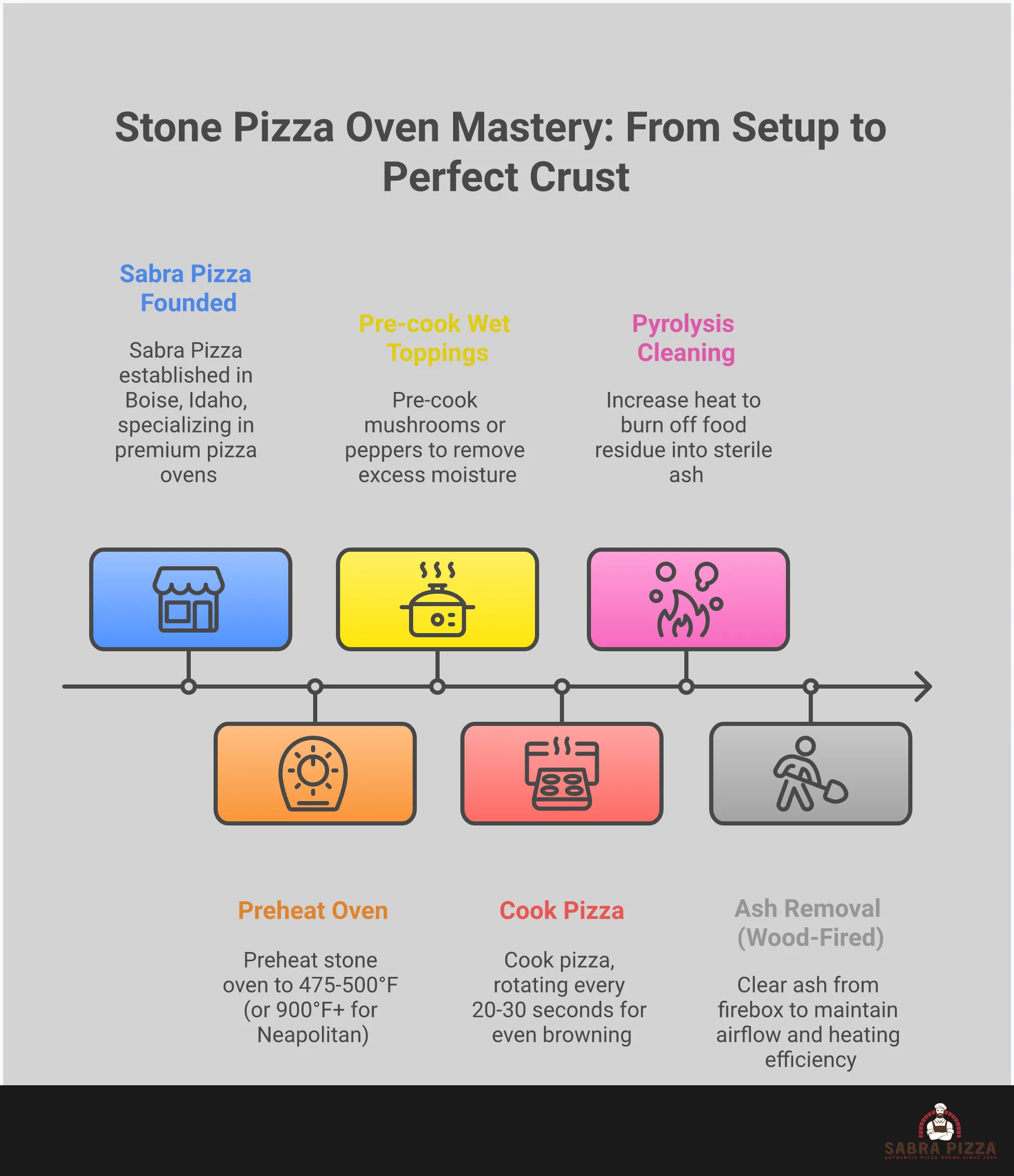
Patience during the preheat phase is your secret weapon for a phenomenal crust. A stone pizza oven needs to be thoroughly saturated with heat before the first pizza goes in. The stone surface absorbs and radiates intense, even heat, which is what flash-cooks the dough, creating that signature crispy, airy crust. Rushing this step is one of the most common mistakes and often leads to a disappointing, undercooked base. So, give your oven plenty of time to come up to temperature. Let the stone get screaming hot; this ensures it can deliver that powerful blast of heat the moment your pizza lands on it.
Manage Temperature for Consistent Results
Once your oven is preheated, the next step is to maintain a consistent temperature. For many pizza styles, you’ll want to aim for a temperature between 475–500°F, though authentic Neapolitan pizzas are cooked at much higher temperatures. A quality pizza stone is your best friend here, as it helps regulate the heat and ensures the pizza cooks evenly from the bottom up. Using an infrared thermometer is a great way to get an accurate reading of the stone's surface temperature, taking the guesswork out of the equation. This control is what gives you predictable, repeatable results, so every pizza comes out just as perfect as the last.
Learn the Art of Topping and Sauce Distribution
When it comes to toppings, restraint is key. It’s easy to get excited and overload your pizza, but using too much sauce or too many toppings is a fast track to a soggy crust. A heavy layer of sauce can prevent the dough from cooking properly, while a mountain of toppings can release too much moisture. Instead, apply a thin, even layer of sauce, leaving a small border around the edge. Choose a few high-quality toppings and distribute them evenly. Mastering this balance ensures every component cooks perfectly and allows the flavor of your crust to shine through. This is a core principle in many classic pizza recipes.
Perfect Your Timing and Rotation Strategy
Stone ovens cook pizza incredibly fast—often in just a few minutes. This means you can't just slide it in and walk away. You need to stay close and pay attention. To get that beautiful, evenly cooked, golden-brown finish, you'll need to rotate the pizza during the bake. This is especially important in wood-fired ovens where the heat is more intense in the back. A good pizza turning peel makes this process simple. A quick quarter-turn every 20-30 seconds will expose all sides of the pizza to the heat source, preventing burnt spots and ensuring a uniform cook all the way around.
Common Stone Oven Mistakes (and How to Avoid Them)
Even the most seasoned pizza makers run into a few snags when they first start using a stone oven. The good news is that most of these issues are easy to fix once you know what to look for. Think of it as part of the learning process—mastering these small details is what separates a good pizza from a truly incredible one. Let's walk through some of the most common missteps and how you can sidestep them for a perfect bake every time.
Rushing the Preheat
Patience is key when it comes to your pizza stone. Tossing your pizza in before the oven and stone are fully heated is a recipe for a pale, soggy crust. The stone needs to absorb a massive amount of heat to deliver that signature crispy-on-the-outside, chewy-on-the-inside texture. For most ovens, this means preheating for at least 45 minutes to an hour. You want that surface screaming hot so it instantly sears the dough. A good infrared thermometer is your best friend here, allowing you to check the stone’s temperature without guessing.
Overloading the Pizza
It’s tempting to pile on all your favorite toppings, but less is definitely more with a stone oven pizza. Too much sauce makes the dough wet, preventing it from crisping up properly. Likewise, an excessive amount of cheese or toppings can create a heavy, soggy center that struggles to cook through at the same rate as the crust. Stick to a thin layer of sauce and be strategic with your toppings. This ensures every ingredient cooks evenly and complements the others, letting that perfect crust be the star of the show.
Letting the Temperature Fluctuate
A stone oven’s magic lies in its ability to maintain a consistently high temperature. Every time you open the oven door, you let precious heat escape, causing the temperature to drop. This fluctuation can lead to an unevenly cooked pizza—burnt on one side and underdone on the other. Try to keep the door closed as much as possible. When you do need to rotate the pizza, do it quickly. Learning to manage your fire or gas flame to hold a steady temperature is a crucial skill for achieving consistent, delicious results with every bake.
Neglecting Stone Maintenance
Your pizza stone is a durable piece of equipment, but it needs the right care. One of the biggest mistakes is cleaning it with soap or chemical cleaners. The stone is porous and will absorb anything you put on it, which can affect the taste of your future pizzas and even damage the stone itself. After it has completely cooled, simply scrape off any baked-on food with a bench scraper or spatula. For tougher spots, a little water and a stiff brush will do the trick. Proper pizza stone care ensures it will last for years and continue to produce amazing pizzas.
How to Keep Your Stone Pizza Oven in Top Shape
Your stone pizza oven is a serious investment in incredible food, so you’ll want to keep it in prime condition. The good news is that maintenance is surprisingly simple. A little bit of care after each use and some periodic checks will ensure your oven performs beautifully for years, delivering that perfect, crispy crust every time. Proper maintenance protects the cooking surface and helps the oven retain heat efficiently, so you can count on consistent results.
Your Daily Cleaning Routine
After you’ve finished cooking, your first instinct might be to scrub the oven floor, but please don’t reach for soap and water. The best way to clean the stone is to let the heat do the work for you. Simply turn up the heat for a few minutes to burn off any cheese, sauce, or other food remnants. This process, called pyrolysis, incinerates the debris, turning it into sterile ash.
Once the oven has completely cooled down, use a stiff-bristled brush to sweep out the ash. Avoid using any chemical cleaners, as the porous stone can absorb them and transfer unwanted flavors to your food. This simple heat-and-sweep method is all you need for daily upkeep.
How to Properly Care for the Stone Surface
The cooking stone, or hearth, is the heart of your oven. It’s normal for it to develop stains and dark spots over time—think of it as a well-earned patina that tells a story of many delicious pizzas. These marks won’t affect your oven’s performance or the taste of your food.
For any stubborn, built-up spots, a metal scraper or spatula can be used gently once the oven is cool. If you absolutely must, you can use a slightly damp cloth to wipe away residue, but never saturate the stone with water. A wet stone is prone to cracking when heated. The key is to keep it dry and avoid harsh chemicals at all costs. Using the right pizza oven accessories will also help protect the stone from unnecessary scrapes and gouges.
A Simple Plan for Long-Term Maintenance
Beyond the daily sweep, a few periodic checks will keep your oven in top shape for the long haul. For wood-fired models, make sure you’re cleaning out the ash regularly to maintain proper airflow and heating efficiency. Every so often, give the oven floor a thorough brushing to clear out any fine dust you might have missed.
It’s also a good idea to inspect the oven dome and hearth for any cracks. While high-quality ovens like those from Alfa Forni are built to withstand extreme temperatures, it’s always smart to check for any potential issues. If your oven is outdoors, consider using a cover to protect it from the elements, ensuring it’s ready to go whenever you are.
Where to Find the Best Stone Pizza Ovens
Once you’ve decided a stone pizza oven is right for you, the next step is figuring out where to get one. This part of the process is just as important as choosing the brand or fuel type. A great oven is a significant investment in your home or business, and you want to make sure you’re buying from a reputable source that will have your back long after the purchase is complete.
The best place to start is with a retailer that specializes in pizza ovens. They’ll have the product knowledge to answer your specific questions and guide you toward the perfect fit. Instead of getting lost in endless online listings or settling for a generic option at a big-box store, you can get personalized advice. To make your investment even smarter, it’s helpful to know the ins and outs of the buying process. By working with the right people, keeping an eye out for smart deals, and understanding your payment options, you can confidently bring home the oven of your dreams.
Why You Should Work With an Authorized Dealer
Think of an authorized dealer as your personal pizza oven consultant. These are retailers that have a direct relationship with the manufacturer, which means they have deep, specialized knowledge of the products they sell. When you work with an expert team, you get guidance tailored to your exact needs, whether you’re outfitting a commercial kitchen or designing your dream backyard patio. They can help you compare models, understand the technical requirements for installation, and ensure you’re choosing an oven with the right productivity and efficiency for your goals. Plus, buying from an authorized dealer guarantees you’re getting a genuine product and that your warranty will be honored, giving you total peace of mind.
Keep an Eye Out for Seasonal Promotions
A premium stone pizza oven is a worthy investment, but that doesn’t mean you can’t find a great deal. Many dealers offer seasonal promotions that can make your purchase more affordable. These sales often pop up around major holidays, the change of seasons, or during special events like Black Friday. The best way to stay in the loop is to subscribe to the email newsletters of retailers you’re interested in. This way, you’ll be the first to know when a sale drops. Planning your purchase around these promotions can significantly reduce your costs, allowing you to invest in a higher-quality oven or grab some extra pizza oven accessories with the money you save.
Explore Your Commercial Financing Options
Let’s be honest: a high-quality stone oven comes with a considerable price tag. If paying the full amount upfront isn’t ideal for your budget, financing can be a fantastic solution. Many retailers partner with financing companies to help you break down the cost into manageable monthly payments. This approach makes a top-tier oven much more accessible, especially for restaurants and catering businesses that need to manage their cash flow carefully. Exploring financing options allows you to get the equipment you need now without draining your capital. Don’t hesitate to ask your dealer what kind of financing plans they offer—it’s a common and straightforward process.
Related Articles
- 5 Best Stainless Steel Pizza Ovens for 2025
- Pizza Oven Stainless Steel: A Buyer's Guide
- The Ultimate Italian Pizza Oven Buyer's Guide
- Wood Burning Pizza Oven For Sale: A Buyer's Guide
Frequently Asked Questions
How long does it actually take to preheat a stone oven? While it's tempting to look for a specific number, the key is to let the stone floor get completely saturated with heat. This is what gives you that incredible crust. For most high-quality ovens, you should plan on a preheat time of 45 to 60 minutes. Some high-performance models, like those from Alfa Forni, are engineered to get to temperature much faster. The goal isn't just to hit a certain temperature, but to ensure the stone has absorbed enough energy to cook your pizza perfectly from the bottom up.
What's the real taste difference between wood, gas, and hybrid ovens? The fuel you choose really does shape the final flavor. A wood fire imparts a distinct, subtle smokiness that you simply can't get any other way—it's the classic, authentic taste many people crave. Gas, on the other hand, provides a very clean heat, which means the flavor of your dough, sauce, and toppings remains pure and pronounced. A hybrid oven gives you the freedom to choose your experience. You can use gas for a quick, convenient cook or add wood when you want that traditional, rustic flavor for a special occasion.
Do I really need special tools to use my pizza oven? Yes, a few key tools will make your experience much smoother and more successful. The absolute essentials are a pizza peel for launching your pizza into the oven and a smaller, round turning peel for rotating it during the bake. These give you the control you need to get an even, golden-brown crust. I also highly recommend an infrared thermometer. It lets you read the exact temperature of the stone deck, taking all the guesswork out of knowing when your oven is perfectly preheated.
Is it difficult to install an outdoor pizza oven? You’d be surprised how straightforward it can be. Most freestanding models arrive with the oven dome fully assembled, so you just have to put together the base or cart, which is a simple process. For countertop models, the main consideration is ensuring you have a sturdy, level, and non-combustible surface that can support the oven's weight. As long as you plan your space and follow the manufacturer's instructions, setting up your new oven is a very manageable project.
Can I use a stone oven in bad weather? Premium outdoor ovens are built from durable materials designed to handle the elements, so a little rain won't hurt them. However, cooking during a downpour or in high winds can be challenging and may affect the oven's ability to maintain a consistent temperature. Extreme cold can also increase preheat times. The best practice is to use a waterproof cover to protect your oven when it's not in use. This keeps it clean, dry, and ready for your next pizza night, regardless of the forecast.