

You’ve invested in a premium appliance for your outdoor kitchen, and now you’re facing the hidden cost of running a dedicated natural gas line to your patio—a project that can easily run into thousands of dollars. Before you call a plumber, there’s a much more practical and cost-effective solution to consider. A propane conversion kit lets you bypass the expensive installation and connect your appliance directly to a portable propane tank. It’s an affordable one-time purchase that saves you significant money upfront while delivering the same powerful performance you expect from your high-end equipment, making it a smart choice for any homeowner.
Key Takeaways
- Start with Your Appliance's Model Number: Before you buy anything, confirm your specific appliance is designed for conversion by checking the owner's manual or manufacturer's website. Using the correct, model-specific kit is essential for safe and effective operation.
- Gain Freedom in Your Outdoor Kitchen Design: Converting to propane frees you from the constraints of a fixed natural gas line, letting you place your pizza oven or grill exactly where you want it. You also get the benefit of a clean, efficient fuel source for more consistent cooking heat.
- Make Safety a Non-Negotiable Priority: Always source a high-quality kit from a reputable dealer and follow the installation instructions precisely. After you're done, perform a soapy water test on all connections to check for leaks, and never hesitate to call a qualified gas technician if you're unsure.
What's a Propane Conversion Kit and How Does It Work?
So, you’ve found the perfect gas appliance for your outdoor kitchen, but your home is set up for propane, not natural gas. This is where a propane conversion kit comes in. Simply put, it’s a small collection of parts that allows an appliance designed for natural gas to run safely and efficiently on propane. Think of it as a translator between your appliance and its fuel source.
Propane and natural gas have different chemical makeups and are delivered at different pressures. Propane contains more energy and requires less air to burn properly. Because of this, an appliance needs smaller openings, or orifices, to control the flow of propane to the burner. A conversion kit provides these specific parts to ensure your appliance gets the right fuel-to-air ratio. Using a natural gas appliance with propane without a proper conversion can lead to dangerously high flames, soot, and the production of carbon monoxide. A conversion kit recalibrates your equipment, ensuring everything from your pizza oven to your grill performs exactly as the manufacturer intended.
What Comes in the Kit?
When you open a propane conversion kit, you won’t find a ton of complicated parts. The most important components are the orifices. These are small, precision-drilled brass fittings that look like tiny nozzles. They are responsible for regulating how much gas reaches the burner. The orifices for propane will be noticeably smaller than the ones for natural gas. Your kit will also likely include a new gas type label to stick on your appliance, which is a crucial reminder that it now runs on propane. Depending on the appliance, the kit may also provide instructions on how to adjust the main gas pressure regulator to accommodate propane’s higher pressure.
A Quick Look at the Conversion Process
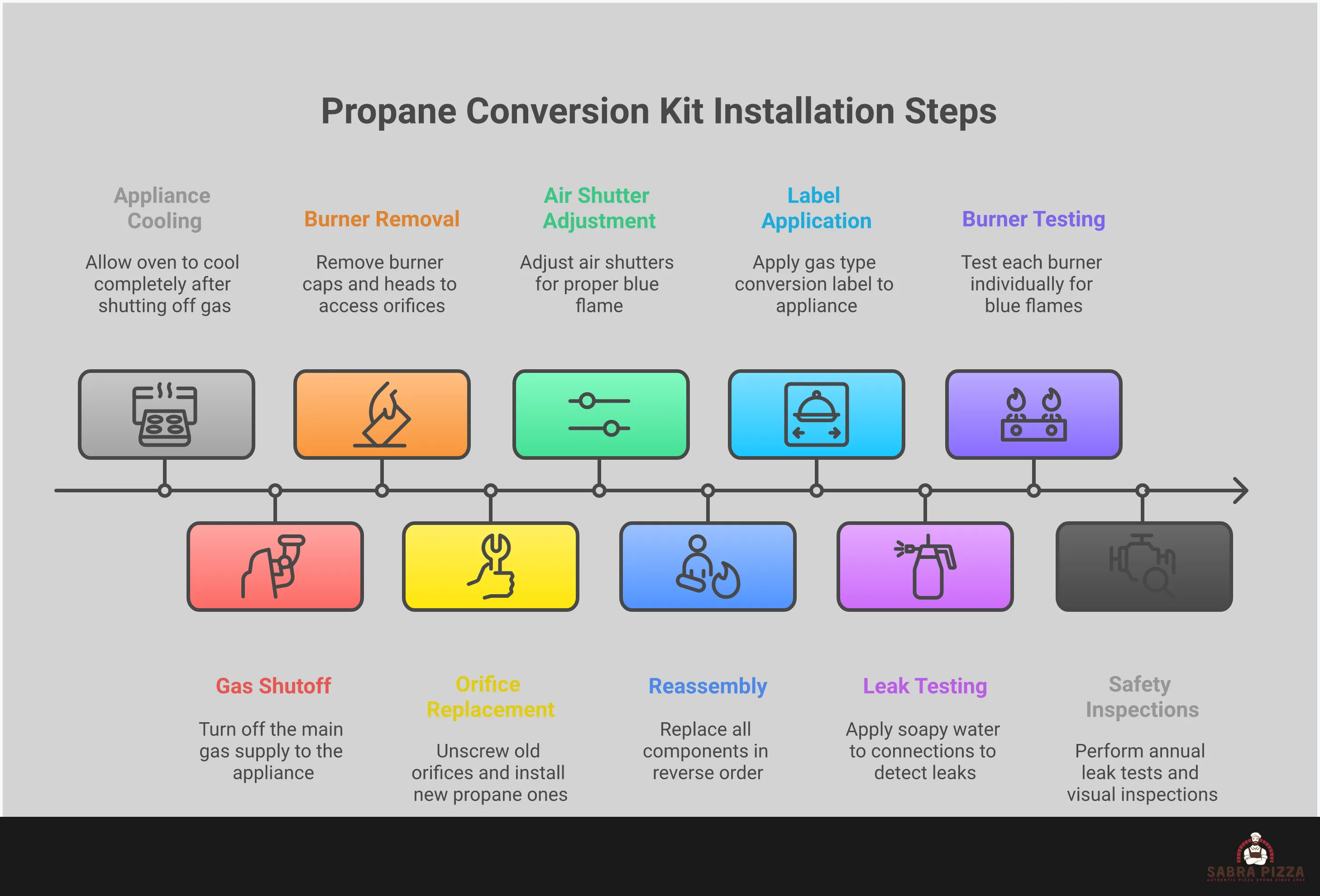
While every appliance is a little different, the basic steps for conversion are generally the same. Your first and most important step is to read the owner's manual. It’s your best friend in this process and will provide the exact step-by-step instructions and diagrams for your specific model. The process typically involves turning off the gas supply, removing the burner caps and heads to access the old orifices, and carefully unscrewing them. Then, you’ll install the new propane orifices from your kit. After replacing the orifices, you may also need to adjust the air shutters on the burners to ensure a clean, blue flame.
Common Myths About Conversion Kits, Busted
One of the biggest myths is that converting a gas appliance is a simple DIY task for anyone. While it can be, you need to be honest about your comfort level with this kind of work. An improper installation can create dangerous gas leaks, which pose a serious risk of fire or explosion. If you’re even slightly unsure, hiring a qualified gas technician is the safest choice. Another common misconception is that any conversion kit will do. Kits are not universal; they are designed for specific makes and models to ensure a perfect fit and safe operation. Finally, don't assume a used appliance comes with its original conversion kit. More often than not, you'll need to source the correct one from the manufacturer or an authorized dealer.
Why Should You Convert to Propane?
If you’re building the outdoor kitchen of your dreams, fuel type is a major decision. While natural gas is a common choice, it requires a permanent gas line, which can be costly to install and limits where you can place your appliances. A propane conversion kit gives you a powerful, efficient, and flexible alternative. It allows you to safely connect an appliance designed for natural gas to a portable propane tank.
Converting to propane isn't just about convenience; it's about upgrading your entire cooking experience. You get more control over your setup, cleaner performance from your equipment, and often, a more cost-effective fuel source. Whether you're firing up a brand-new Alfa Forni™ pizza oven or retrofitting another piece of outdoor cooking gear, switching to propane opens up a world of possibilities. It frees you from the constraints of utility lines and lets you design your patio or backyard space exactly how you want it. Let’s look at the key reasons why a propane conversion might be the perfect move for you.
Get Better Performance and Efficiency
When it comes to performance, the type of fuel you use matters. Propane is a clean-burning fuel, which means it produces fewer emissions and less soot than other options. Because it’s so clean, you get more complete combustion and less carbon buildup inside your pizza oven. Over time, this translates into better performance and higher efficiency, as your oven runs more smoothly with less maintenance. A cleaner burn also means more consistent, reliable heat—something that’s absolutely essential for achieving that perfect, crispy pizza crust every single time. You can count on steady temperatures without the hot spots or fluctuations that can ruin a meal.
Save Money and Find Fuel with Ease
Beyond performance, converting to propane can be a smart financial decision. While installing a natural gas line can cost thousands of dollars, a propane conversion is a far more affordable project. Plus, propane often costs less than other fuels, which helps lower your expenses over the long run. You also can’t beat the convenience. Propane tanks are available at nearly every grocery, hardware, and home improvement store, so you’ll never have to worry about running out of fuel before a big cookout. This accessibility makes it easy to manage your fuel supply without being tied to a utility company.
Enjoy More Flexibility in Your Outdoor Kitchen
One of the biggest advantages of converting to propane is the freedom it gives you. You’re no longer tethered to a fixed gas line, so you can place your pizza oven or grill anywhere you like. Want to create a cooking station on your deck this year and move it to a new patio next year? With propane, you can. This flexibility is perfect for anyone who loves to rearrange their outdoor living space. Some modern conversion kits even support bi-fuel operation, giving you the ability to switch between propane and another fuel source. This adaptability ensures your outdoor kitchen can evolve with your needs.
Which Appliances Can You Convert?
One of the most common questions people have is whether their specific appliance can even be switched from natural gas to propane. The good news is that many modern gas appliances are designed with this flexibility in mind. Manufacturers understand that you might move to a home without a natural gas line or simply want the portability of a propane tank for your outdoor kitchen setup. This versatility is especially common in premium cooking equipment, from high-end indoor ranges to professional-grade outdoor pizza ovens and grills.
However, it's not a universal feature. You can't just pick up any conversion kit and assume it will work. The ability to convert an appliance is determined entirely by the manufacturer. Some models are built to run on only one type of fuel, while others are designed as "dual-fuel compatible." The key is knowing which one you have before you start shopping for parts. The process usually involves swapping out a few key components, like the gas orifices and the regulator, to accommodate the different pressure and flow of propane gas. It’s a straightforward job, but only if your appliance was built for it.
Pizza Ovens and Other Outdoor Cooking Gear
Your outdoor kitchen is where fuel flexibility really shines. If you’ve invested in a beautiful built-in pizza oven or grill but don’t have a natural gas line running to your patio, a propane conversion is the perfect solution. It gives you the power and precision of gas cooking without the need for major plumbing work. Many premium outdoor appliance brands anticipate this need and design their products accordingly. For example, companies like Coyote offer specific grill conversion kits that allow you to switch from natural gas to liquid propane, ensuring you can get your setup running no matter your home’s infrastructure. This makes designing your dream outdoor cooking space much simpler.
Gas Ranges and Indoor Appliances
This isn't just for outdoor gear. The same logic applies to many indoor kitchen appliances. If you love the responsiveness of cooking with a gas flame but live in an area without natural gas service, you aren't stuck with an electric stove. Many high-performance gas ranges, cooktops, and dual-fuel ranges are designed to be converted to propane. This allows you to have a top-of-the-line gas kitchen anywhere. Brands that cater to serious home chefs, like THOR Kitchen, often sell official propane conversion kits for their appliances, giving you the freedom to choose the best stove for your cooking style, not just your utility hookups.
How to Check if Your Appliance is Compatible
This is the most important step, so don't skip it. Before you buy anything, you must confirm that your specific appliance model can be safely converted. The single most important piece of information you need is the exact model number. You can usually find this on a metal plate or sticker on the appliance—check the back, along the sides, or inside the door frame. Using the wrong kit isn't just a matter of it not fitting; it's a serious safety risk. You can find helpful tips for locating your model number on forums like Reddit's Home Improvement community. Once you have the model number, check the manufacturer's website or your owner's manual for compatibility.
How to Choose a High-Quality Propane Conversion Kit
Now that you know which of your appliances can make the switch, it's time to choose your tools for the job. Picking a propane conversion kit isn't like grabbing a generic adapter at the hardware store. Not all kits are created equal, and the one you choose directly impacts the safety and performance of your pizza oven or gas range. A cheap, poorly made kit can lead to inefficient flames or, worse, dangerous gas leaks. To make sure you get it right, you need to be a little picky. Let's walk through the key things to look for to ensure you're buying a high-quality, reliable kit that will serve you well for years to come.
Make Sure It Has All the Right Parts
First things first, your kit needs to be complete. Converting from natural gas to propane isn't a simple one-for-one swap because they are different types of fuel that operate at different pressures. The most critical components in any kit are the new orifices—the tiny brass fittings that control gas flow to the burners. Propane requires a smaller opening than natural gas to work correctly. A good kit will include the right-sized orifices for every burner on your appliance, along with any necessary regulators or adapters. Double-check the product description to ensure you're getting a full set so you don't have to pause your project to hunt down a missing piece.
Look for Safety Certifications and Quality Materials
When you're working with gas, safety is everything. A high-quality conversion kit will be made from durable materials like solid brass, which resists corrosion and wear over time. Cheaper metals can degrade, creating the potential for leaks. Look for kits from brands that mention factory testing or adherence to recognized safety standards. This shows they've invested in creating a reliable product that's built to last, giving you peace of mind every time you fire up your pizza oven. It's a small detail that makes a big difference in the long-term reliability of your appliance.
Insist on Clear Instructions from a Reputable Brand
Even the most premium kit is only as good as its instructions. A reputable brand will provide a clear, step-by-step guide to walk you through the installation. Before you buy, do a quick search for the manufacturer's website. Do they offer downloadable PDFs or video tutorials? The best guides will include diagrams and specify which orifice goes to which burner, as their sizes can vary. Your appliance's original owner's manual is also a fantastic resource, so keep it handy. Having clear guidance removes the guesswork and helps ensure you perform the conversion correctly and safely from the start.
Your Safety Checklist for Propane Conversion
Converting your pizza oven or grill from natural gas to propane is a fantastic way to add flexibility to your outdoor kitchen. While the process is usually straightforward, working with gas means safety has to be your number one priority. Think of it like following a recipe—every step matters. This checklist will walk you through the essential safety measures to ensure your conversion is a complete success, so you can get back to making incredible food for your friends and family.
Always Test for Leaks (and When to Call a Pro)
After you’ve installed the conversion kit and connected your propane tank, you must check for leaks. This step is non-negotiable. The easiest and most reliable way to do this is with a simple solution of soap and water. Just mix a bit of dish soap with water in a spray bottle or a small bowl. With the gas turned on at the tank, apply the soapy water to all the connections you just worked on. If you see bubbles forming, you have a leak. Don’t panic—turn off the gas immediately, tighten the connection, and then perform a leak test again. If the bubbles persist or if you ever smell gas, turn off the tank, disconnect it, and call a qualified gas technician for help. When in doubt, always let a professional take a look.
Common Installation Mistakes to Avoid
The best way to ensure a safe setup is to prevent mistakes before they happen. Before you even begin, take a moment to inspect all the components of your new conversion kit for any signs of damage that might have occurred during shipping. Once you start the installation, the most common issue people run into is using the wrong parts or setting the wrong pressure. A conversion kit works by changing out small brass fittings called orifices, which control the flow of gas. Propane is under higher pressure than natural gas, so using the correct orifice is critical for a safe, controlled flame. Always double-check that you’re using the right components for your specific appliance model. If you feel at all uncertain about the differences between natural gas and propane, it’s always best to hire a professional to handle the conversion for you.
How to Handle Ongoing Maintenance
Here’s some great news: once your conversion is complete and you’ve confirmed it’s leak-free, propane systems are incredibly low-maintenance. Unlike other fuel systems that might require regular cleaning or adjustments, a properly installed propane setup generally takes care of itself. That said, it’s always a good practice to give your equipment a quick visual inspection before the start of each cooking season. Check the hoses for any cracks or signs of wear, and make sure all connections are still snug. Performing a quick soapy water test once a year is also a smart, simple way to ensure everything remains in perfect working order, giving you peace of mind for the seasons to come.
Where to Find a Reliable Propane Conversion Kit
Once you’ve decided to make the switch, the next step is finding a conversion kit you can trust. The quality of the kit is just as important as the installation itself, as it directly impacts the safety and performance of your appliance. You want to source your kit from a place that guarantees compatibility and provides clear, reliable information. Cutting corners here isn't an option. Your best bet is to stick with reputable sources that stand behind their products. This usually means going directly to the manufacturer, an authorized dealer, or a trusted specialty store that knows your appliance inside and out. Let's walk through the best places to look.
Shop with Authorized Dealers and Specialty Stores
Your first stop should always be an authorized dealer for your appliance's brand. These retailers have a direct line to the manufacturer and are trained on their specific products. This means they can help you find the exact kit designed for your model, removing any guesswork. For example, premium brands like Coyote offer special kits made to convert their grills from natural gas to liquid propane. Shopping with an authorized dealer ensures you get genuine parts that fit perfectly and maintain your appliance’s warranty, giving you total peace of mind.
Compare Your Options Online
Shopping online gives you the power to compare different kits and prices from the comfort of your home. Many manufacturers sell conversion kits directly through their websites. THOR Kitchen, for instance, provides a range of propane kits compatible with their gas ranges and cooktops. When buying online, just be sure you’re purchasing from the official brand website or a certified online retailer. Double-check the model number of your appliance against the kit's compatibility list before you add it to your cart to avoid any frustrating mix-ups.
Find Professional Installation and Warranty Support
Finding a reliable kit is only half the battle; proper installation is what makes it safe. Many authorized dealers and specialty stores can connect you with a trained professional to handle the conversion. Brands strongly recommend this, as improper installation can lead to dangerous gas leaks and other hazards. It’s also worth asking about warranty support when you buy your kit. Some manufacturers will only honor the warranty if the conversion is performed by a certified technician. And here’s a pro tip: if you’re buying a new appliance, check if a conversion kit is already included—many brands provide one right in the box.
Related Articles
- ALFA™ Pizza Oven Conversion: Propane → Gas / Gas → Propane
- ALFA™ 1 Pizze Propane Conversion Kit [ACKIT-NGTOLPG-M1P-U]
Frequently Asked Questions
Is it really necessary to use a conversion kit? Can't I just hook up a propane tank to my natural gas appliance? Absolutely not. This is a common but very dangerous misunderstanding. Propane and natural gas operate at different pressures and require a different air-to-fuel mixture to burn safely. Connecting a propane tank directly to a natural gas appliance will result in large, uncontrolled flames, soot, and the production of hazardous carbon monoxide. A conversion kit contains specific parts, like smaller orifices, that properly regulate the propane flow, ensuring your appliance runs safely and efficiently, just as the manufacturer designed it to.
How do I know for sure if my appliance can be converted to propane? The only way to know for sure is to check with the manufacturer. Your appliance's owner's manual is the best place to start, as it will state whether the model is "dual-fuel compatible." If you don't have the manual, find the model number on the appliance's data plate (usually a metal sticker on the back or inside the door) and look it up on the manufacturer's website. Never assume an appliance can be converted; using the wrong kit or attempting to convert an incompatible model is a serious safety risk.
Is installing a propane conversion kit a DIY project, or should I hire a professional? This really depends on your personal comfort level and experience with this type of work. The process itself is often straightforward, but because you are working with a gas line, there is no room for error. If you are confident in your ability to follow instructions precisely and understand the importance of safety checks like testing for leaks, it can be a manageable DIY task. However, if you have any hesitation at all, the safest choice is always to hire a qualified gas technician.
Will using a conversion kit affect my appliance's performance or warranty? When you use an official, manufacturer-approved conversion kit and install it correctly, it will not negatively impact your appliance's performance. In fact, the kit is designed to ensure the appliance performs exactly as intended with the new fuel source. Regarding the warranty, many manufacturers require that the conversion be performed by a certified professional to keep the warranty valid. It's always a good idea to check the specific terms of your warranty before you begin the project.
Once I've converted my appliance, is there any special maintenance I need to do? One of the great things about a properly converted propane system is that it's very low-maintenance. Once the installation is complete and you've confirmed there are no leaks, you're pretty much set. It's good practice to do a quick visual check of the hoses and connections at the beginning of each cooking season to look for any cracks or wear. Performing a simple soapy water leak test once a year is also a smart way to ensure everything remains secure and safe.