

The desire for authentic, homemade pizza often clashes with the reality of a busy schedule. While making dough from scratch is rewarding, it’s not always practical. This is where the brilliance of a high-quality premade dough comes in. It’s the ultimate convenience that doesn’t force you to compromise on taste or texture. When you combine a fantastic dough with the right equipment, you create a seamless experience that delivers incredible results every time. This article is your complete guide to selecting the best premade pizza dough and pizza oven kit, helping you turn any weeknight into a memorable pizza night with minimal effort and maximum flavor.
Key Takeaways
- Prioritize the Perfect Pairing: The foundation of incredible pizza is a high-quality dough matched with the right oven. Look for dough made with Italian "00" flour for an authentic, chewy crust, and select an oven—gas, wood, or hybrid—that fits your cooking style.
- Technique is as Important as Toppings: To achieve a crispy, airy crust, always let your dough reach room temperature before gently stretching it by hand. Fully preheating your oven to at least 750°F is non-negotiable for getting that perfect, even cook in under two minutes.
- Simple Fixes Solve Common Dough Problems: Don't let dough frustrations discourage you. If it’s tough and springs back, let it rest at room temperature to relax the gluten. For a richer, more complex flavor, plan ahead and let the dough rest in the fridge for a day or two before using it.
What Are Premade Pizza Dough and Oven Kits?
If you're dreaming of pulling a perfect, bubbling pizza from your own oven, you've probably come across the terms "premade dough" and "pizza oven kits." Think of them as your fast track to becoming the neighborhood pizza pro. They simplify the process, letting you focus on the fun part—crafting delicious, restaurant-quality pies without spending all day in the kitchen. But these aren't about cutting corners on quality. The right dough and oven kit can give you results that rival your favorite pizzeria, turning your backyard into the go-to spot for amazing food and great company.
Choosing to go with premade dough or an all-in-one oven kit is about making gourmet pizza accessible. It removes the guesswork and the more tedious parts of the process, like sourcing the right flour or building a brick oven from scratch. Instead, you get to jump right into topping your pizza with fresh ingredients and mastering the perfect bake. This approach is perfect for busy professionals, families who want a fun weekend activity, or anyone who simply values convenience without compromising on an authentic culinary experience. Let’s break down what these terms really mean so you can choose the best options for your setup and start making incredible pizza at home.
What is premade pizza dough?
Premade pizza dough is exactly what it sounds like: a ready-to-use dough ball that saves you the time and effort of mixing and kneading from scratch. But not all premade dough is created equal. The best options use high-quality ingredients that, even when frozen, deliver a fantastic texture and flavor. You're looking for a dough that bakes into a crispy crust with a slight chew—not something with a bready texture that tastes more like white bread. A great premade dough gives you a consistent, delicious base every single time, making your pizza night both easy and impressive.
What comes in a pizza oven kit?
A pizza oven kit typically refers to the oven itself, along with the essential accessories you need to start cooking. When you’re ready to buy the perfect pizza oven, the most important things to consider are size, capacity, and fuel type. Are you cooking for your family or hosting large parties? Do you prefer the convenience of gas or the classic flavor of wood-fired pizza? High-quality kits often feature durable materials like stainless steel for longevity and excellent heat retention. These kits are designed to give you everything you need for a seamless and enjoyable outdoor cooking experience, right out of the box.
The Best Brands for Dough and Oven Kits
Finding the right premade dough is just as important as choosing the perfect toppings. The crust is the foundation of your pizza, and a great one can turn a simple meal into a memorable experience. Whether you're a purist seeking authentic Italian flavor, a health-conscious foodie looking for organic ingredients, or just need a quick and easy option for a weeknight dinner, there's a premade dough out there for you. The key is knowing which brands deliver on their promises of quality, taste, and texture.
Pairing a high-quality dough with a premium pizza oven is the secret to achieving that restaurant-level, crispy-chewy crust we all crave. A powerful oven, like a wood-fired or gas model, cooks pizza in minutes at incredibly high temperatures, something your conventional kitchen oven just can't do. This intense heat transforms the dough, creating a beautifully charred exterior while keeping the inside soft and airy. In this guide, we’ll walk through some of the best dough brands on the market, from artisanal Italian mixes to convenient, budget-friendly options, so you can find the perfect match for your outdoor pizza oven and your taste buds.
Sabra Pizza's premium dough and oven pairings
When you invest in a top-tier pizza oven, you want a dough that lives up to its performance. We believe the best pizzas start with quality ingredients, a principle that guides our recommendations for everything from ovens to dough. For our premium Alfa Forni ovens, which are engineered for perfection, we suggest using a dough that complements their power. A high-hydration dough made with finely milled '00' flour will bake into a light, airy crust with a beautiful leopard-spotted char in these ovens. Think of it as a perfect partnership—an exceptional oven deserves an exceptional dough to create a truly unforgettable pizza.
Prepa Pizza organic kits
If you prioritize clean, organic ingredients but still want the convenience of a premade dough, Prepa Pizza is an excellent choice. Their frozen dough balls are made with high-quality, organic ingredients that you can actually taste. Unlike many generic frozen crusts that can be bland and dry, Prepa Pizza’s dough maintains its freshness and bakes up with a satisfying texture. It’s a fantastic option for health-conscious families or anyone who wants to feel good about what they’re eating without spending hours making dough from scratch. The quality ingredients really shine through, giving you a wholesome and delicious foundation for your favorite toppings.
PLANTSTRONG plant-based options
For those following a plant-based lifestyle or simply looking for a healthier pizza night, PLANTSTRONG offers a fantastic solution. Their organic pizza kit is thoughtfully crafted with whole-food ingredients. The crust is made from organic whole wheat, is completely oil-free, and contains no refined sugar. Instead, it’s lightly sweetened with a touch of maple syrup, adding a subtle, complex flavor that pairs well with savory toppings. This kit makes it easy to enjoy a delicious, guilt-free pizza that aligns with your dietary goals. It proves that you don’t have to compromise on taste to eat well.
DeLallo traditional Italian dough
If you dream of recreating an authentic Neapolitan pizza at home, look no further than DeLallo. Their secret lies in using "type 00" flour, the gold standard for Italian pizza. This finely milled flour is essential for creating a crust that’s incredibly soft, light, and easy to stretch. The DeLallo Pizza Dough Kit gives you that classic pizzeria texture—a crisp exterior with a tender, airy chew inside. It’s the perfect choice for culinary enthusiasts who appreciate tradition and want to bring a true taste of Italy to their backyard pizza oven. Your friends and family will think you ordered from an authentic Italian restaurant.
Pizza Buddy and Great Value for budget-friendly nights
Sometimes, you just need a quick, easy, and affordable pizza night without any fuss. For those occasions, brands like Pizza Buddy and Great Value from Walmart are reliable go-tos. Reddit users praise Walmart's Pizza Buddy dough ball for its good rise and flavor, though it can be a bit elastic and requires some patience when stretching. Great Value’s dough is known for being soft, fluffy, and slightly sweet, making it a hit with kids and anyone who enjoys a softer crust. While they may not be artisanal, these options are perfect for casual family dinners or when you need a pizza fix on a budget.
How Do Premade Doughs Compare in Quality and Taste?
Let’s be honest: the quality of premade pizza dough can be all over the map. Some options deliver a crust that rivals your favorite pizzeria, while others fall flat, tasting more like cardboard than a delicious, artisanal base. The secret to finding a winner lies in understanding what separates the great from the mediocre. The final taste and texture of your pizza depend entirely on the quality of the ingredients and the process used to make the dough.
A premium premade dough acts as the perfect canvas for your toppings, offering a flavorful, chewy, and perfectly crisp foundation. It saves you time without forcing you to sacrifice quality. As you explore different brands, you’ll notice significant differences in how the dough handles and, more importantly, how it tastes after being fired in your pizza oven. Key factors like the type of flour, the dough's texture and elasticity, its hydration level, and the quality of the ingredients all play a huge role in the final result. Knowing what to look for will help you consistently choose a dough that makes your homemade pizza truly exceptional.
How flour type affects flavor
The foundation of any great pizza dough is the flour, and it has the biggest impact on the final flavor and texture. Many of the best premade doughs use "00" flour, a finely milled Italian flour that’s the gold standard for Neapolitan-style pizza. It creates a crust that’s light and soft with a satisfying chew. Other doughs might use bread flour, which has a higher protein content and yields a crispier, chewier crust, or all-purpose flour, which offers a softer, more tender bite. The type of flour used will tell you a lot about the pizza style the dough is aiming for, so check the ingredients list to match it to your preference.
Comparing dough texture and elasticity
The ideal pizza crust has a delightful contrast of textures: a crisp, golden-brown bottom and a light, airy, and slightly chewy interior. Some premade doughs, especially dry mixes, can result in a texture that’s more bready than chewy, missing that signature pizza pull. A high-quality dough should also have good elasticity, meaning it can be stretched thin without tearing. This is a sign of proper gluten development, which is essential for creating those beautiful air pockets in the crust as it bakes. If a dough feels overly tough or dense right out of the package, it likely won’t give you that light, puffy crust you’re looking for.
Why hydration levels matter for handling
Hydration simply refers to the amount of water relative to the amount of flour in the dough. This ratio dramatically affects how the dough feels and behaves. A dough with higher hydration will be stickier and a bit more challenging to handle, but it often produces a lighter, airier crust with a more open crumb structure. On the other hand, a dough with lower hydration levels is easier to work with but can sometimes result in a denser, more cracker-like crust. Many store-bought doughs tend to be on the lower end of the hydration scale to make them more user-friendly, but don't be afraid of a slightly tacky dough—it often yields superior results.
Choosing between organic and conventional ingredients
When you’re scanning the ingredients list, you’ll see options made with both organic and conventional ingredients. The choice really comes down to personal preference. Organic doughs are made with flour from grains grown without synthetic pesticides or fertilizers, which is a priority for many health-conscious cooks. However, the quality of the ingredients is what matters most for flavor. A dough made with high-quality conventional flour and simple, recognizable ingredients will almost always taste better than a low-quality organic one loaded with preservatives. Look for a short ingredients list—flour, water, salt, and yeast are all you really need for an amazing crust.
What to Look For in a Pizza Oven Kit
Choosing the right pizza oven is a big decision, but it doesn’t have to be overwhelming. Think of it as designing your perfect pizza experience. The best oven for you depends on your space, how you like to cook, and who you’ll be sharing your delicious creations with. Are you dreaming of intimate pizza nights for two or hosting lively backyard parties for the whole neighborhood?
A pizza oven kit is more than just an appliance; it’s an investment in countless memorable meals. The key is to match the oven’s features to your lifestyle. We’ll walk through the most important factors to consider, from the practicalities of size and fuel to the finer points of materials that deliver that perfect, crispy crust. By the end of this section, you’ll have a clear idea of what to look for to find an oven that you’ll love for years to come.
Find the right size and capacity
First, let's talk about size. When you’re looking at ovens, consider both the exterior footprint and the internal cooking surface. You’ll want to make sure the oven fits comfortably in your outdoor space, but the cooking area is what determines how much pizza you can make at once. If you plan on hosting parties, a larger oven that can cook two or more pizzas simultaneously will be a game-changer. For smaller family dinners, a more compact model might be all you need. Thinking about your typical guest list will help you find an oven that can always meet the demand.
Why materials and heat retention are key
The materials an oven is made of directly impact its performance, especially its ability to get hot and stay hot. Look for ovens constructed with high-quality, durable materials like stainless steel and refractory ceramic fiber, which are excellent for heat retention. This is the secret to cooking a pizza in minutes, achieving a crispy crust without burning the toppings. An oven that holds its temperature well is also more fuel-efficient and provides consistent results pizza after pizza. Premium ovens, like those from Alfa Forni™, are engineered with superior insulation to ensure every pizza is cooked to perfection.
Choose your fuel type: gas, wood, or hybrid
Your oven’s fuel source shapes your cooking experience. Wood-fired ovens offer that classic, smoky flavor that many pizza purists crave, but they require a bit more attention to manage the fire and temperature. Gas and propane ovens, on the other hand, provide incredible convenience and precise temperature control with the turn of a knob. Can’t decide? A hybrid pizza oven gives you the best of both worlds, allowing you to use gas for convenience or wood for flavor. Consider what best fits your cooking style and how much time you want to spend tending the fire.
Consider portability and ease of assembly
Think about where your pizza oven will live. Are you building it into a permanent outdoor kitchen, or do you want the flexibility to move it around your patio or even take it on the go? Many modern ovens are surprisingly portable, making them perfect for smaller spaces or for bringing the party to a friend’s house. You should also check the assembly requirements. Some oven kits are nearly ready to use right out of the box, while others might require more setup. A portable oven can be a fantastic asset if you value flexibility in your cooking setup.
Common Premade Dough Challenges (and How to Solve Them)
Working with premade dough is a fantastic shortcut, but that doesn't mean you won't run into a few hiccups. Sometimes it’s sticky, other times it’s tough, and occasionally it just doesn't want to cooperate. Don't worry, these are common issues with simple fixes. Think of your dough as a new friend you're getting to know—it just has its own personality. With a few pro tips, you'll be able to handle any challenge that comes your way and turn that store-bought dough into a masterpiece that tastes like it was made from scratch. Let's walk through some of the most frequent dough dilemmas and exactly how to solve them, so you can get back to the fun part: making and eating delicious pizza.
Handling sticky or tough dough
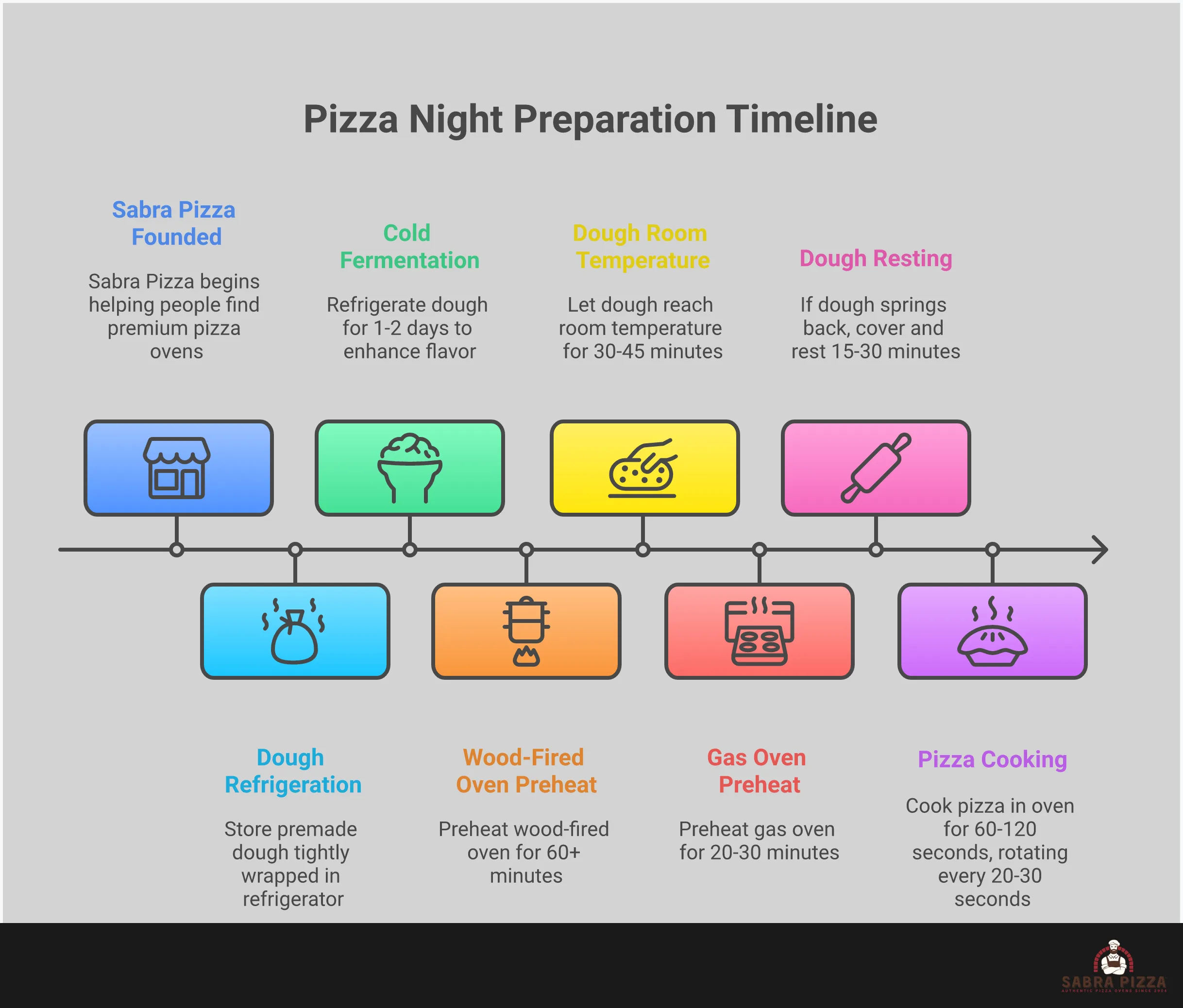
This seems to be the number one frustration. If your dough is a sticky mess, your first instinct might be to drown it in flour, but a light touch is better. Dust your hands and work surface with just enough flour to keep the dough from clinging to everything. Using too much can create a gummy layer that burns on the hot stone of your pizza oven, leaving you with a bitter taste. If your dough feels tough and springs back every time you try to stretch it, it’s likely too cold. Let it sit on the counter, covered, for about 30 minutes to an hour. This gives the gluten time to relax, making the dough much more pliable and cooperative.
Getting more flavor from your crust
Let’s be honest, some premade doughs can be a little bland. The good news is you can easily add more character. One of the best ways to develop complex flavors is through a slow, cold fermentation. If you have time, buy your dough a day or two before you plan to use it and let it rest in the fridge. This simple step allows the yeast to work its magic, creating a richer, more nuanced taste. For a quicker fix, brush the outer edge of your stretched dough with garlic-infused olive oil and a sprinkle of sea salt before adding your sauce and toppings. It’s a small step that makes a huge difference.
Tips for stretching and shaping
The goal is to be gentle. Instead of a rolling pin, which crushes all the lovely air bubbles, use your fingertips. Start from the center and press outward, leaving about an inch untouched around the edge to form that perfect crust. A classic mistake is having your beautifully shaped pizza get stuck to the peel. To avoid this disaster, generously flour your pizza peel—a little cornmeal works wonders here, too, acting like tiny ball bearings. When it’s time to launch your pizza into the oven, use a confident, quick shimmying motion. A little practice is all it takes to master the technique and slide it off the peel smoothly.
How to get a perfectly crisp bottom
A soggy bottom is a pizza tragedy. The secret to a crisp, leopard-spotted crust is high, direct heat. First, make sure your pizza oven and stone are fully preheated—don't rush this step! Launching your pizza onto a screaming-hot surface is what creates that initial puff and crispy base. If you find your dough is prone to tearing, it might be related to the ingredients. Doughs made with high-protein flour, like Italian "00" flour, tend to be stronger and crisp up beautifully in high-heat ovens. When shopping for premade dough, check the label to see what type of flour is used for the best results.
How to Cook Premade Dough in Your Pizza Oven
Using premade dough is a brilliant shortcut that lets you focus on the fun part: the cooking. But even the best dough needs the right technique to shine. A high-temperature pizza oven cooks differently than your standard kitchen oven, turning out crispy, bubbly crusts in minutes. Nailing the process is simple once you know the key steps. From getting your oven screaming hot to sliding the pizza off the peel like a pro, here’s how to get incredible results every time.
Preheat your oven correctly
Patience during preheating is the secret to a perfectly crisp crust. Your goal is to get the oven floor, or deck, incredibly hot so it cooks the bottom of your pizza as quickly as the top. The ideal temperature for most pizza ovens is between 750°F and 900°F. Depending on your fuel type, this can take some time. A quality gas-powered oven might be ready in 20-30 minutes, while a wood-fired oven can take an hour or more to fully saturate the dome and deck with heat. The size and materials of your oven play a big role in heat retention, so get to know how your specific model behaves.
Prep and handle your dough like a pro
Before you even think about stretching, let your premade dough sit at room temperature for at least 30-45 minutes. Cold dough is stiff, difficult to shape, and won’t puff up nicely in the oven. Once it’s pliable, gently stretch it into shape with your fingertips on a lightly floured surface. Never use a rolling pin, as it will crush all the delicate air bubbles that create a light, airy crust. To avoid the dreaded pizza-stuck-to-the-peel scenario, lightly dust your peel with a 50/50 mix of flour and cornmeal. This acts like tiny ball bearings, helping your pizza slide smoothly into the hot oven.
Find the perfect cooking time and temperature
In a properly preheated pizza oven, your pizza will cook in a flash—often in 60 to 120 seconds. This is not the time to walk away and check your phone! Stay close and watch for visual cues. After about 30 seconds, the crust closest to the flame will start to puff and char. This is your signal to use the peel to give the pizza a quick 180-degree turn for an even cook. Keep rotating it every 20-30 seconds until the cheese is melted and bubbly and the crust is golden brown with a few leopard-like charred spots.
Mistakes to avoid for a perfect pizza
A few common missteps can stand between you and the perfect pizza. First, as mentioned before, avoid the rolling pin at all costs. It’s the fastest way to get a dense, cracker-like crust. Second, be mindful of how much flour you use. While a little is necessary, too much can burn on the hot oven deck and create a bitter, unpleasant taste. Finally, don’t overload your pizza with toppings. Too much sauce or too many ingredients can make the center soggy and prevent the dough from cooking through. When it comes to toppings for a Neapolitan-style pizza, less is almost always more.
Finding a Premade Dough for Your Dietary Needs
Making incredible pizza at home should be for everyone, regardless of dietary restrictions. Thankfully, you don’t have to sacrifice flavor or texture just because you need a specific type of dough. The market is full of fantastic options, from gluten-free to plant-based and organic. The key is knowing what to look for so you can find a dough that not only meets your needs but also bakes up beautifully in your pizza oven. Whether you're avoiding certain allergens or simply prefer cleaner ingredients, there’s a perfect premade dough out there for you.
The best gluten-free options
Working with gluten-free dough can feel a little different, but the results are worth it. These doughs often use a blend of alternative flours, like rice or tapioca, which can make them stickier than their wheat-based counterparts. A simple trick is to keep your work surface and hands lightly dusted with gluten-free flour. This makes the dough much easier to shape without it sticking to everything. Just be mindful not to use too much, as excess flour can burn on the hot surface of a pizza stone, giving your crust a bitter taste. Look for brands that have perfected their gluten-free flour blends to achieve that perfect chewy-crisp texture.
Exploring plant-based and organic dough
If you follow a plant-based diet or prefer organic ingredients, you have plenty of great choices. Many of the best options are found in the freezer section, as freezing is a natural way to preserve the dough's freshness and flavor without relying on artificial preservatives. When you’re comparing brands, look for those that use high-quality, simple ingredients. A dough made with organic flour and extra virgin olive oil will almost always outperform a generic crust filled with additives. Reading the organic labels can also help you understand the product's sourcing and quality, ensuring you get a wholesome and delicious base for your pizza.
How to read labels for quality and allergens
Becoming a savvy label-reader is your best tool for finding the right dough. The ingredient list tells you everything you need to know about the dough's quality, flavor, and texture. A shorter list with recognizable ingredients is usually a good sign. Check the "best by" date to ensure you're getting the freshest product possible. If you have allergies, always scan for warnings about cross-contamination, such as "made in a facility that also processes nuts." The FDA provides helpful guides on how to read food labels, which can make you a more confident shopper and pizza maker.
How to Save on Pizza Dough and Kits
Making incredible pizza at home is a rewarding experience, and using high-quality premade dough and kits makes it even easier. While premium ingredients are an investment in flavor, that doesn't mean you have to overspend. With a few smart shopping strategies, you can keep your pantry stocked with the best dough without breaking the bank. Here are a few simple ways to save on your next purchase, ensuring your pizza nights are both delicious and affordable.
Save with a subscription
If pizza night is a regular event in your household, a subscription service can be a game-changer for both convenience and your wallet. Many brands offer a discount when you sign up for recurring deliveries of your favorite dough or kits. For example, some companies provide a 20% savings for subscribers, which really adds up over time. This approach ensures you never run out of dough and locks in a lower price. It’s the perfect way to automate your shopping and make sure you’re always ready to fire up the oven for a delicious, organic pizza kit.
Get discounts for buying in bulk
Another tried-and-true method for saving money is to buy your pizza dough in bulk. If you have the freezer or pantry space, stocking up can lead to significant savings. Many suppliers offer tiered discounts, so the more you buy, the more you save. For instance, you might find deals like 5% off a 5-pack or 10% off a 10-pack of pizza dough mix. This is an excellent strategy if you're planning a big pizza party or have a large family to feed. It also means you'll always have dough on hand for those last-minute cravings or unexpected guests.
Look out for seasonal deals
Timing your purchase can make a big difference. Keep an eye out for seasonal promotions, especially around major holidays or events like the Super Bowl, when many companies offer special deals on pizza-related products. Signing up for your favorite brand's newsletter is a great way to stay informed about upcoming sales. Sometimes, the value comes in more than just a discount. Certain kits might include access to free pizza-making masterclasses or dedicated customer support, helping you perfect your craft. These added perks can be just as valuable as a price reduction, giving you more confidence and better results.
How to Store Premade Pizza Dough
So you’ve brought home some fantastic premade pizza dough. Now what? Proper storage is the key to making sure it’s perfectly fresh and ready to go when pizza night rolls around. Whether you plan to use it this week or save it for later, a few simple steps will preserve its flavor and texture. Let's walk through how to keep your dough in top shape in both the fridge and the freezer, ensuring it’s ready for your outdoor pizza oven when you are.
How long does it last in the fridge?
Most premade pizza dough will stay fresh in the refrigerator for about three to five days. The trick is to keep it tightly wrapped in plastic wrap or in an airtight container. This prevents a dry, tough skin from forming and stops the dough from absorbing any stray fridge odors—nobody wants their pizza crust tasting like last night’s leftovers. It’s also worth noting that doughs made with high-quality ingredients tend to hold up better. When you start with a premium product, you’ll notice a real difference in how well it maintains its freshness and flavor right up until you’re ready to bake.
Can you freeze premade dough?
Absolutely! Freezing is your best friend for long-term pizza planning. A good quality premade dough can be frozen for three to six months, making it incredibly easy to have a spontaneous pizza night whenever the craving strikes. To freeze it, divide the dough into individual portions if it isn't already, coat each ball lightly with olive oil, and wrap it tightly in plastic wrap. For extra protection against freezer burn, pop the wrapped dough balls into a freezer-safe bag. When you’re ready to use it, just thaw the dough in the fridge overnight.
Tips to keep your dough fresh
Once your dough is thawed or out of the fridge, letting it sit at room temperature for about 30 minutes makes it much easier to stretch. If you find your dough is a bit sticky, don't be afraid to use a little flour on your hands and work surface. This will make it much more manageable to shape. Just be mindful not to go overboard—too much excess flour on the dough can burn on the hot surface of your pizza stone or steel, creating a bitter taste. The goal is to use just enough to prevent sticking while you shape your perfect crust.
Start Making Restaurant-Quality Pizza at Home
Let’s be honest, the dream is to pull a perfectly blistered, cheesy, delicious pizza out of your own oven. The good news? It’s more achievable than you think. You don’t have to spend hours wrestling with yeast and flour to get that authentic pizzeria taste. With the right premade dough and a quality oven, you can skip the most time-consuming steps and get straight to the fun part: the toppings and the taste test.
High-quality kits make it simple to create an incredible base for your pizza. For instance, the Prepa Pizza kit uses just six organic ingredients, some sourced directly from Italy, to help you make a truly delicious crust. This kind of dough is versatile enough for a standard kitchen oven but performs exceptionally well in a high-heat outdoor pizza oven. If you follow a plant-based diet, options like the Plantstrong Organic Pizza Kit ensure you don’t have to miss out on pizza night.
The secret to that classic chewy-yet-crispy texture often comes down to the flour. When you’re shopping, look for mixes that use Italian type 00 flour. It’s a super-fine flour that professional pizzaiolos swear by for creating a light, airy crust with the perfect amount of bite. Pairing a premium dough with the high, even heat of a dedicated pizza oven is the ultimate combination for making what can only be described as "amazing" and "epic" pizzas right in your own backyard.
Related Articles
Frequently Asked Questions
Is using premade dough "cheating," or can it really taste as good as from-scratch? Not at all! Think of it as a smart shortcut, not a compromise on quality. The best premade doughs use the same high-quality ingredients, like finely milled Italian flour, that you would use if you were making it yourself. It simply saves you the time and mess of mixing and kneading, letting you jump straight to the creative part of topping and baking your pizza. When you choose a premium dough, you're getting a fantastic foundation that can absolutely rival a from-scratch crust.
My dough is always tough and springs back when I try to stretch it. What's the secret? This is a super common issue, and it usually comes down to one thing: the dough is too cold. When dough is chilled, the gluten strands are tight and tense, which is why it resists stretching. The simple fix is to let your dough ball sit on the counter, covered, for at least 30 to 45 minutes before you try to shape it. This gives the gluten time to relax, making the dough soft, pliable, and much easier to work with.
Do I really need a special pizza oven, or can I use my regular kitchen oven with these doughs? You can certainly use a conventional oven, but a dedicated pizza oven is what creates that truly authentic, pizzeria-style crust. Your home oven maxes out around 500°F, while a pizza oven can reach temperatures of 900°F or more. This intense, direct heat cooks the pizza in just a couple of minutes, creating a perfectly crisp bottom and a light, airy crust with a beautiful char that a standard oven just can't replicate.
What's the one ingredient I should look for to know if a premade dough is high-quality? If you're aiming for an authentic Italian pizza experience, check the ingredients list for "type 00" flour. This is the gold standard used by professional pizzaiolos in Naples. It's an incredibly fine, powdery flour that creates a crust that is wonderfully soft and tender with a slight chew, rather than being dense or bready. It's a clear sign that the brand is serious about creating a top-tier product.
I'm worried about my pizza sticking to the peel. Any foolproof tips? This is a classic fear, but it's easy to overcome. The trick is to create a barrier between the dough and the peel. Before you place your stretched dough on it, generously dust your pizza peel with a 50/50 mix of regular flour and cornmeal. The cornmeal acts like tiny ball bearings, helping the pizza slide off smoothly. When you're ready to launch it into the oven, use a quick, confident shimmying motion. A little practice and you'll be sliding pizzas like a pro.