

While the name gives away its primary purpose, a good pizza stone is one of the most versatile tools you can add to your kitchen. It’s the secret to achieving a professional-quality crust on your pizzas, but its talents don’t stop there. That same super-hot, dry surface is perfect for baking rustic artisan breads with a beautiful crust, making delicious calzones, or even roasting vegetables to perfection. Understanding how pizza stones work—how they absorb and radiate heat—will help you get the most out of this incredible piece of equipment and improve your entire baking game, far beyond just pizza night.
Key Takeaways
- Your Stone's Material Defines the Crust: The surface you choose—durable cordierite, classic ceramic, or powerful steel—directly impacts your pizza's final texture. Steel gets the hottest for a serious char, while cordierite offers a reliable, even crispness.
- A Long Preheat is Non-Negotiable: For a truly crispy, never-soggy bottom, your stone needs to be scorching hot. Place it in a cold oven and let it heat at the highest temperature for a full hour before you even think about baking.
- Protect Your Stone from Soap and Shock: Never use soap to clean your porous stone, as it will absorb the flavor and ruin your food. To prevent cracking, always let it cool down completely in the oven and avoid sudden temperature changes.
What is a Pizza Stone (and Why You Need One)
If you’ve ever wondered how pizzerias get that perfectly crisp, never-soggy crust, the answer is usually a scorching hot oven with a stone floor. A pizza stone is your ticket to recreating that magic at home. Think of a baking stone as a portable, flat cooking surface made from materials like ceramic, cordierite, or even steel. You preheat it in your oven, and it gets incredibly hot—much hotter than a standard metal baking sheet.
When you slide your pizza onto the preheated stone, it immediately blasts the dough with a powerful, consistent wave of heat from below. This intense, dry heat is what sets a pizza stone apart and makes it an essential tool for any serious home pizza maker. It’s the single best way to get a professional-quality crust from a conventional home oven or an outdoor grill. Without one, you’re often left with a crust that’s either undercooked in the middle or burnt on the edges. A stone solves that problem by ensuring your pizza cooks quickly and evenly every single time.
How a Pizza Stone Creates the Perfect Crust
The secret to a great crust lies in how the heat is transferred to the dough. A pizza stone excels at this because its porous material absorbs and retains high heat, essentially mimicking the floor of a traditional brick oven. When you place your pizza on the hot stone, two things happen at once. First, the stone’s surface instantly pulls moisture from the dough, which is the key to getting that desirable crispy finish on the bottom. Second, the intense, direct heat causes the dough to puff up rapidly—a phenomenon known as "oven spring"—creating a light, airy interior with a satisfying chew. This combination of a dry, super-hot surface is what gives you a perfectly cooked crust that’s sturdy enough to hold all your favorite toppings.
The Benefits of Baking on a Stone
Using a pizza stone does more than just make your crust crispy; it completely changes your homemade pizza game. The primary benefit is, of course, a far superior crust that’s evenly browned and never soggy. Because the stone retains heat so well, it eliminates the hot spots common with metal pans, ensuring your entire pizza cooks uniformly from edge to center. This even heating helps you get fantastic results even if your home oven doesn't reach the extreme temperatures of a professional pizza oven. Plus, a pizza stone is incredibly versatile. You can use it to bake rustic artisan breads with a beautiful crust, make delicious calzones, or even roast vegetables. It’s a simple tool that delivers consistently impressive results.
Choosing the Best Pizza Stone Material
When you start shopping for a pizza stone, you’ll quickly realize they aren’t all made of the same stuff. The material you choose is a big deal—it directly affects how your stone heats up, how it transfers that heat to your dough, and how durable it is over time. Think of it as the foundation of your pizza-making setup. A great stone pulls moisture from the crust, creating that perfect crispy-chewy texture we all crave. It’s the key difference between a good homemade pizza and a great one.
The most common options you'll find are cordierite, ceramic, and steel. Each has its own set of strengths and is suited for slightly different goals and budgets. Cordierite is the reliable workhorse, known for its durability. Ceramic is the classic, budget-friendly choice that gets the job done with a little extra care. And steel is the modern powerhouse for those who want serious, restaurant-quality heat. Understanding the differences will help you pick the perfect surface for launching your homemade creations, whether you're baking in a standard kitchen oven or a high-performance outdoor pizza oven. Let's break down what makes each material unique so you can find the right fit for your kitchen.
Cordierite: The Durable All-Rounder
If you’re looking for a pizza stone that can handle just about anything, cordierite is your best bet. This is a natural mineral known for its incredible durability and ability to withstand extreme temperature changes without cracking—a problem known as thermal shock. Cordierite excels at absorbing and retaining heat, ensuring an evenly cooked pizza every time. More importantly, it effectively pulls moisture from the dough, which is the secret to achieving a perfectly crisp, never-soggy crust. It’s a fantastic, reliable material that performs consistently, making it a favorite among both beginners and seasoned home chefs. For a stone that will last for years and deliver great results, cordierite is an excellent investment.
Ceramic: The Budget-Friendly Classic
Ceramic is the original pizza stone material and remains a popular choice, largely because it’s so affordable. A good ceramic stone can absolutely produce a delicious, crispy crust by absorbing moisture and distributing heat evenly across the base of the pizza. However, its biggest weakness is its fragility. Ceramic is highly susceptible to cracking if it experiences thermal shock, like being exposed to a sudden temperature change or having a cold pizza placed on a hot stone. If you’re careful with preheating and handling, a ceramic stone can be a great entry point into the world of pizza making. Just be prepared to treat it with a little extra care to keep it in one piece.
Steel: The Modern Powerhouse
For those who want to replicate the intense, blistering heat of a commercial pizza oven, a baking steel is the way to go. While not technically a "stone," it serves the same purpose with a modern twist. Steel is a phenomenal conductor of heat—it heats up much faster and stores more energy than any stone. This allows it to transfer heat to your dough with incredible speed, resulting in a faster cooking time and an amazing "oven spring" for a light, airy crust with a serious char. Plus, as the name implies, steel is virtually indestructible. You can drop it, get it messy, and never worry about it cracking. It's a fantastic option for thin-crust pizzas and for anyone who values speed and durability.
Natural Stone: The Traditional Option
You might also come across pizza stones made from natural materials like granite or marble. While these can look beautiful, they generally don't perform as well as materials engineered specifically for baking. Natural stones often have uneven heating patterns and are very prone to cracking under the high temperatures needed for pizza. Some newer baking stones are even made from materials like salt, offering unique flavor profiles but requiring special care. Unless you’re drawn to a specific aesthetic or culinary experiment, you’ll likely get more reliable and consistent results from a cordierite stone or a baking steel, which are designed from the ground up for perfect pizza.
Key Features to Look For in a Pizza Stone
Once you’ve settled on a material, it’s time to look at the details. The right pizza stone isn’t just about what it’s made of; its thickness, shape, and surface texture all play a huge part in your pizza-making success. Thinking through these features will help you find the perfect stone for your oven and your cooking style, ensuring you get that perfect crispy crust every single time.
Why Thickness Matters for Heat
The thickness of your stone directly affects its heat retention and recovery. A thicker stone, around an inch, acts like a thermal battery, holding a massive amount of heat. This is fantastic for baking multiple pizzas back-to-back, as it won’t lose much temperature between pies. The trade-off is a longer preheat time, sometimes up to an hour. Thinner stones, around half an inch, heat up much faster but also lose heat more quickly. If you’re usually making just one or two pizzas for a weeknight dinner, a thinner stone can be more convenient and efficient for your needs.
Finding the Right Size and Shape
While a round stone might seem like the obvious choice for a round pizza, I always recommend a rectangular one. Rectangular stones simply provide more space to work with, giving you a bigger landing pad when you slide your pizza from the peel into the hot oven. This extra real estate is a lifesaver, especially when you’re just starting out. It also gives you the flexibility to bake other things, like a long loaf of bread or multiple pastries. Before you buy, measure the inside of your oven and choose a stone that leaves at least an inch of clearance on all sides for proper air circulation.
Textured vs. Smooth Surfaces
Look for a stone with a smooth, flat surface on both sides. Some stones come with feet or a textured side, but a simple, flat design is far more practical and easier to maintain. Over time, your stone will inevitably get stained. With a reversible flat stone, you can simply flip it over for a fresh surface. Remember that pizza stones are porous, so you should never clean them with soap, which can get absorbed and leave a chemical taste in your food. A simple wipe-down with a damp cloth after the stone has completely cooled is all you need to keep it in great shape.
Our Top Pizza Stone Recommendations
With so many options out there, picking the right pizza stone can feel like a big decision. But don't worry, we've done the homework for you. The best choice really comes down to your oven, your budget, and the kind of crust you're dreaming of. Whether you're working with a standard kitchen oven or one of our premium outdoor pizza ovens, the right baking surface is a game-changer. A good pizza stone helps you make great pizza and bread at home by mimicking the intense, dry heat of a professional brick oven. It works by pulling moisture from the dough, giving you that perfect, crispy-chewy crust that’s so hard to achieve on a regular baking sheet. We've spent years testing and vetting different materials and brands to find what truly works, because we believe everyone deserves pizzeria-quality results. In this guide, we’ll walk through our favorite types of stones and steels, from durable workhorses to high-performance options. We'll cover the pros and cons of each material—cordierite, ceramic, and even steel—to help you find the perfect match for your pizza-making style. Think of this as your personal shopping guide, curated by people who live and breathe pizza. Let's get started.
The Sabra Pizza Stone Collection
We're passionate about all things pizza, so it only made sense to develop our own line of pizza stones. The Sabra Pizza Stone Collection is designed to help you make incredible pizza and bread at home, whether you're using a conventional oven or a high-heat outdoor model. Each stone is crafted from high-quality materials chosen for their superior heat retention and durability. We wanted to create a reliable surface that delivers a perfectly crisp crust every single time. Think of it as the foundation for your best pizza yet—a tool that brings the pizzeria experience right to your backyard.
Our Favorite Cordierite Options
If you're looking for a durable, all-around performer, cordierite is an excellent choice. This material is known for its ability to handle extreme temperature changes without cracking—a huge plus. Cordierite is fantastic because it holds heat exceptionally well and absorbs moisture from the dough, which is the secret to a truly crispy crust. We also recommend looking for a rectangular or square stone. While round stones seem traditional, a rectangular shape gives you more surface area to work with, making it easier to launch your pizza and even bake a loaf of bread alongside it. It's a practical choice that you'll appreciate for years to come.
Top-Rated Ceramic Stones
Ceramic and clay stones are the classic choice and often the most budget-friendly. They can definitely produce a fantastic crust, absorbing moisture effectively to create a nice, crisp base for your pizza. However, they do have a reputation for being a bit fragile. The main drawback is their susceptibility to cracking if they experience a sudden temperature change, a phenomenon known as thermal shock. This means you have to be extra careful when handling them—never place a cold stone in a hot oven or run a hot stone under cool water. For beginners or occasional pizza makers, a ceramic stone can be a great starting point.
High-Performance Steel Alternatives
For those who are serious about achieving the ultimate crispy, leopard-spotted crust, a pizza steel is the way to go. While not technically a "stone," it serves the same purpose with even more power. Steel is an incredible conductor of heat, meaning it gets hotter much faster and holds that heat better than any stone. This intense, direct heat transfer cooks your pizza quickly and creates an unbelievably crispy crust. A product like The Baking Steel Original is a great example of this; it’s virtually indestructible and delivers consistent, professional-level results. If you want the fastest cook times and the crispiest pies, a pizza steel is a worthwhile investment.
How to Use Your Pizza Stone Correctly
You’ve chosen the perfect pizza stone, and now you’re ready for that pizzeria-quality crust. The secret isn’t just in the stone itself, but in how you use it. Getting the technique right—from preheating to the final slide out of the oven—is what separates a good homemade pizza from a great one. Think of your stone as the floor of a classic brick oven; it needs to be treated with the same respect to deliver that incredible, crispy-chewy base we all crave. Following a few simple steps will ensure your stone performs beautifully every time and lasts for years to come.
Preheating for a Crispy Finish
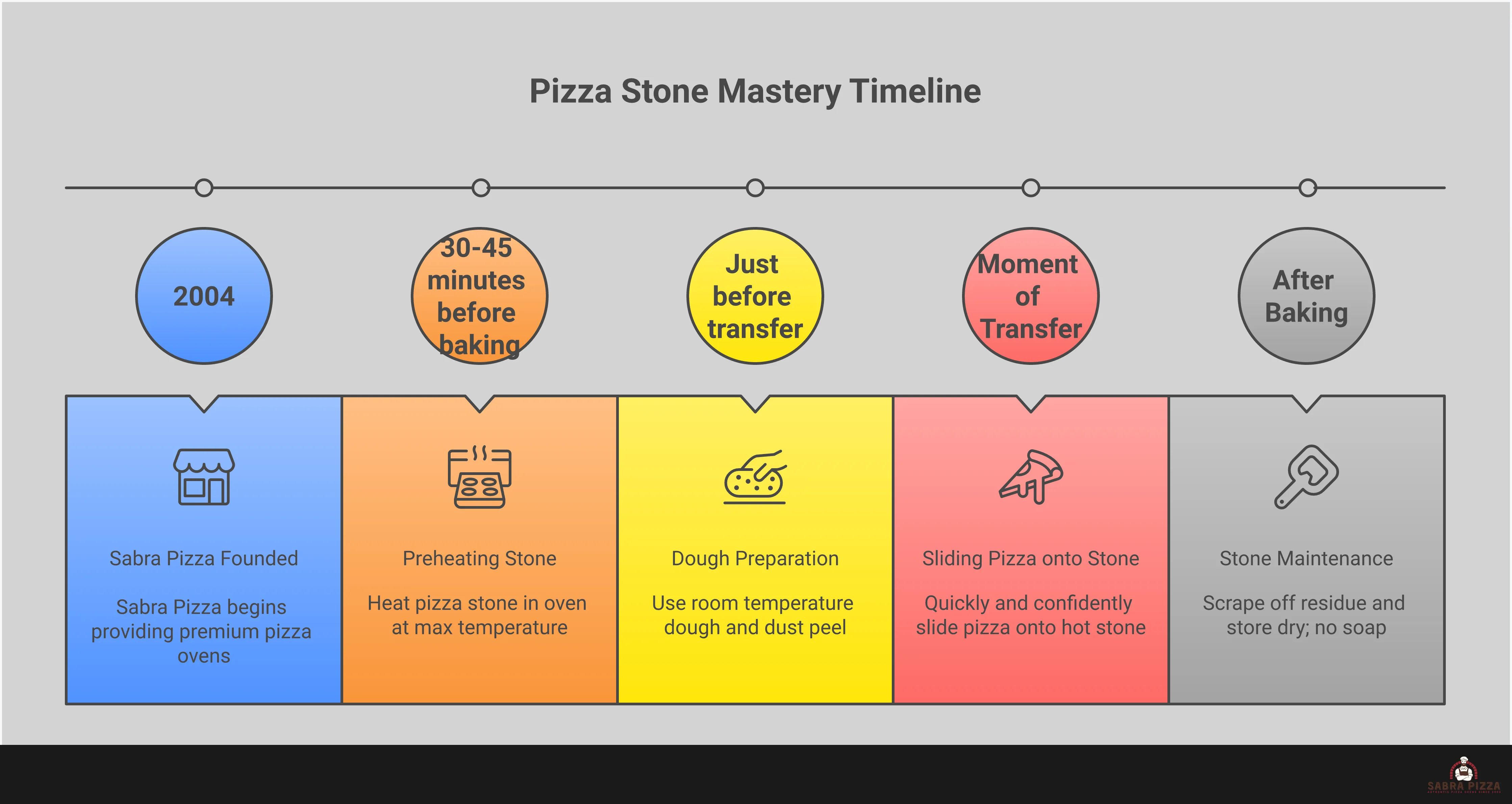
The single most important step for achieving a crispy crust is properly preheating your pizza stone. A lukewarm stone will only steam the dough, leaving you with a soft, disappointing base. You need the stone to be incredibly hot to deliver an intense blast of heat to the dough the moment it makes contact. To do this safely, always place your stone in a cold oven before turning it on. Heating them together prevents thermal shock, which can crack the stone. Crank your oven to its highest setting—at least 500°F—and let the stone heat for a full hour. This allows it to absorb and store enough thermal energy to cook your crust quickly and evenly.
How to Transfer Your Pizza Seamlessly
Moving your delicate, uncooked pizza onto a blazing-hot stone can feel intimidating, but a pizza peel makes it simple. A peel is a large, paddle-like tool designed to slide pizzas into and out of the oven. The trick is to build your pizza directly on a lightly floured peel. When you’re ready to bake, open the oven and position the peel over the back of the stone. With a quick, confident forward-and-back jerk of your wrist, the pizza should slide right off the peel and onto the stone. This direct contact is what allows the stone to act like a brick oven floor, instantly crisping the bottom of your pizza.
Using Cornmeal or Flour for a Clean Release
To make sure your pizza slides effortlessly from the peel, you need a little something to prevent it from sticking. A generous dusting of cornmeal or semolina flour on your peel before you lay down the dough works wonders. These coarser grains act like tiny ball bearings, helping the pizza glide smoothly onto the hot stone. While you can use all-purpose flour, it tends to absorb moisture from the dough more quickly and can sometimes burn at high temperatures. One thing to avoid is oil. Never oil your pizza stone. The stone’s porous surface will absorb it, and at high heat, the oil will smoke and create a sticky residue that’s nearly impossible to remove. A properly heated stone is naturally nonstick, so all you need is the right pizza dough and a little cornmeal.
Common Pizza Stone Mistakes to Avoid
A pizza stone is a game-changer for home pizza making, but a few common missteps can stand between you and a perfect pie. Think of your stone as a key piece of culinary equipment that needs the right technique to truly shine. From preheating properly to cleaning it correctly, mastering the basics will protect your investment and ensure every pizza you make has a perfectly crisp, beautifully browned crust. Avoiding these simple mistakes is the fastest way to get pizzeria-quality results from your home oven or your premium outdoor pizza oven. Let's walk through the most frequent errors so you can sidestep them completely.
Not Preheating Long Enough
Patience is the secret ingredient here. A pizza stone needs to be incredibly hot to work its magic. Its job is to deliver a powerful blast of heat to the dough the instant it makes contact, creating that coveted crispy crust. But it can’t do that if it’s not blazing hot when you slide your pizza on. Always place your stone in a cold oven, then turn the oven on to its highest setting (usually 500-550°F). Let the stone preheat with the oven for at least 45 minutes to an hour. This ensures the stone has absorbed enough heat to cook your crust quickly and evenly, preventing a dreaded soggy bottom.
Cleaning with Soap
This is the number one rule of pizza stone care: never, ever use soap. Pizza stones are made from porous materials like cordierite or ceramic, which means they will absorb anything you put on them. If you wash your stone with dish soap, that soap will seep into the pores and your next few pizzas will have a distinct, and unpleasant, soapy flavor. Instead, let the stone cool completely, then use a bench scraper or spatula to scrape off any baked-on food. For tougher spots, a little warm water and a stiff brush will do the trick. Stains and dark spots are normal—they’re a sign of a well-loved and seasoned stone!
Causing Temperature Shock and Cracks
Pizza stones are tough, but they have one major weakness: sudden, extreme temperature changes. This is known as thermal shock, and it can cause your stone to crack or even shatter. To prevent this, never put a cold stone into a hot oven, and never place a hot stone on a cool surface like a granite countertop. The most common mistake is trying to clean a hot stone with cool water. The best practice is to simply turn off the oven after you’re done baking and let the stone cool down completely inside it. It might take a few hours, but this simple step will ensure your stone lasts for years.
Overloading Your Pizza with Toppings
While it’s tempting to pile on all your favorite ingredients, less is truly more when it comes to pizza toppings. Too many toppings, especially those with high water content like fresh vegetables or pineapple, can release excess moisture during baking. This moisture gets trapped under the toppings and can lead to a soggy pizza, defeating the purpose of your perfectly preheated stone. Stick to a light layer of sauce and a balanced amount of cheese and other toppings. This allows the heat to cook the dough properly and gives you a crisp crust that can support the ingredients without becoming limp.
How to Clean and Care for Your Pizza Stone
Your pizza stone is a workhorse in the kitchen that will last for years with proper care. It only gets better with age, and a well-seasoned stone is a beautiful thing—those dark spots are badges of honor, not signs of a dirty stone. The key is knowing how to clean it without damaging its porous surface. Avoid the common mistakes: aggressive scrubbing, soap, and sudden temperature changes. The goal isn't to keep it looking brand new, but to keep it clean enough to bake incredible pizza every time.
Simple Daily Cleaning
After baking, let the stone cool down completely inside the oven. Once it’s cool to the touch, use a bench scraper or a stiff, dry brush to scrape off any baked-on cheese or food. For any remaining residue, a quick wipe with a damp cloth is all you need. That’s it. Pizza stones are porous, so you should never clean them with soap or your next pizza will taste like dish detergent! Don't worry about stains; they are a natural part of the seasoning process and won't affect the taste of your food.
Removing Stubborn Stains
For tough, baked-on messes like burnt sauce or a major cheese spill, you can give your stone a deep clean without chemicals. Place the cool, scraped stone back into your oven and turn it to its highest temperature (around 500°F) for 45 to 60 minutes. This high heat will essentially burn off any remaining food, turning it into ash. Once the oven and stone have completely cooled, simply wipe away the ash with a damp cloth. This method is like a self-cleaning cycle that restores the surface without damage.
Storing Your Stone for a Long Life
The number one rule for your stone’s longevity is to avoid thermal shock, which is a rapid temperature change that can cause it to crack. Always let the stone cool down completely before cleaning it. Never run a hot stone under cold water or move it from a hot oven to a cold surface. The safest place to store your pizza stone is right inside your oven. This protects it from getting knocked around and means it will preheat along with your oven the next time you bake, saving you a step.
Pizza Stone vs. Pizza Steel: What's the Difference?
When you’re aiming for that perfect pizzeria-quality crust at home, both pizza stones and pizza steels are fantastic tools. They look similar and serve the same basic purpose: to give your pizza a super-hot surface to bake on, creating a crispier crust than a standard baking sheet ever could. But the material they’re made from—stone versus metal—creates some key differences in how they cook. Choosing between them really comes down to the kind of pizza you want to make and your personal cooking style. Let's break down what sets them apart so you can find the right fit for your kitchen.
Heat Transfer and Retention
The biggest difference between a stone and a steel is how they handle heat. A pizza stone, typically made from cordierite or ceramic, is porous. This means it heats up a bit more slowly, but it also draws moisture out of the dough as it bakes, which is a secret to getting a wonderfully crispy crust. Cordierite stones are especially great because they are durable and excellent at holding a steady temperature.
A pizza steel, on the other hand, is a fantastic conductor of heat. It gets hotter much faster than a stone and transfers that heat to your dough with incredible efficiency. This intense, direct heat cooks the pizza quickly and can create a beautifully charred, bubbly crust with those classic "leopard spots" you see on Neapolitan-style pizzas.
Which One Cooks Better Pizza?
This is the million-dollar question, and the answer is: it depends on your taste. Because a pizza stone heats more gently, it’s often more forgiving and produces a uniformly crisp, golden-brown crust. It’s a reliable choice for a classic New York-style slice. Thicker stones are particularly good at retaining heat, making them ideal if you plan to bake several pizzas back-to-back for a party.
A pizza steel’s power lies in its intense heat. It delivers a serious blast of energy to the dough, resulting in a faster bake and a crust with more chew and char. If you love a rustic, slightly blistered crust, a baking steel might be your perfect match. Its ability to cook evenly at high temperatures ensures a delicious result every time.
Comparing Cost and Durability
When it comes to longevity, steel has a clear advantage. Pizza steels are practically indestructible and will likely last a lifetime. Pizza stones, especially ceramic ones, are more fragile. They can crack if exposed to sudden temperature changes (a phenomenon known as thermal shock) or if dropped. Cordierite stones are much more durable but still require careful handling.
Cost often reflects this difference in durability. You can find entry-level pizza stones for as little as $30, though higher-quality models can run closer to $120. Pizza steels typically start around $100 and go up from there. While the initial investment for a steel is higher, its near-indestructible nature means you’ll probably never have to replace it.
Finding the Right Size for Your Oven
Choosing the right size for your pizza stone is about more than just making sure it fits inside your oven. The size and shape you select play a huge role in how your pizza actually cooks. If a stone is too large for the space, it can block hot air from circulating, which often results in a soggy center and burnt edges—the exact opposite of what we’re going for. On the other hand, a stone that’s too small can make launching your pizza a stressful, messy experience.
The goal is to find the perfect balance: a stone that’s big enough to comfortably hold your pizza while leaving enough room for air to move freely around it. This ensures an even, consistent bake every single time. The ideal dimensions depend entirely on where you’ll be doing your cooking, as a standard kitchen oven and a dedicated outdoor pizza oven have very different requirements. Before you start shopping, let’s figure out exactly what you need for your setup.
Sizing for a Standard Home Oven
For a standard home oven, your best friend is a tape measure. Before you even think about buying a stone, measure the oven rack you plan to use. The golden rule is to leave at least one to two inches of clearance on all sides of the stone. This gap is essential for proper air circulation, which is the key to getting that perfectly crisp, evenly cooked crust. Without it, you’ll create hot spots and block heat from reaching the top of your pizza. Many home bakers prefer rectangular stones because they provide a larger landing area for the pizza without hogging all the precious space on the rack.
Sizing for an Outdoor Pizza Oven
Outdoor pizza ovens are built for one thing: making incredible pizza at extremely high temperatures. Because of this, the "stone" is often the oven's built-in cooking floor, engineered to work perfectly with the oven's shape and heat source. If you're looking for a replacement or an additional surface, your first move should be to consult the manufacturer's specifications for your specific model. The size is almost always predetermined to ensure maximum heat efficiency. For instance, the cooking decks in premium Alfa Forni ovens are precisely sized for optimal performance. Here, the most critical factor isn't just the fit, but making sure the material can withstand temperatures that can easily reach 900°F.
Where to Find the Best Pizza Stone
Once you’ve decided on the right material and size for your pizza stone, the next step is finding where to buy it. The good news is that you have plenty of options, from specialty online retailers to local kitchen supply stores. The best place for you will depend on whether you prefer to browse a wide selection from your couch or see and feel the product before you commit.
Shopping online gives you access to a massive variety of brands, materials, and price points. You can easily compare features, read customer reviews, and find the perfect fit for your specific oven, whether it’s a standard kitchen model or a high-performance outdoor oven. This is also where you’ll often find the best deals and a larger inventory of accessories. On the other hand, shopping at a physical store allows you to get a real sense of the stone’s weight, thickness, and surface texture. You can also ask questions and get personalized recommendations from staff who know their products. Think about what matters most to you—convenience and selection, or a hands-on experience—to guide your search.
Shopping Online vs. In-Store
Deciding between shopping online or in-store often comes down to personal preference. Online retailers offer an unparalleled selection, making it easy to compare different brands and prices right from home. You can find everything from budget-friendly ceramic stones to high-end pizza steels. As you browse, you’ll notice that while some stones start around $30, many of the best pizza stones and steels can cost between $100 and $150. Shopping in-store, however, lets you physically inspect the stone. You can feel its heft and texture, which can be helpful for judging quality. It also gives you the chance to get expert advice and walk away with your new stone the same day.
What to Know About Sales and Promotions
Being a little strategic with your timing can help you get a fantastic deal on a high-quality pizza stone. Keep an eye out for major sales events like Black Friday, Cyber Monday, and other holiday promotions when kitchenware is often discounted. Signing up for newsletters from your favorite retailers can also alert you to special offers. A sale is the perfect opportunity to invest in a thicker, more durable stone that will give you better results. A quality stone holds heat exceptionally well, which is the key to a crispy crust. While some premium baking surfaces might need 30-40 minutes to preheat properly, the incredible performance makes it a worthwhile investment in your pizza-making setup.
Related Articles
- How to Use a Pizza Peel: The Ultimate Guide
- 5 Best Stainless Steel Pizza Ovens for 2025
- A Guide to Buy a Stainless Steel Pizza Oven Online
- Best Black Steel Wood-Fired Pizza Ovens of 2025
- The Ultimate Italian Pizza Oven Buyer's Guide
Frequently Asked Questions
My pizza crust is always soggy in the middle. Will a pizza stone really fix that? Yes, this is exactly what a pizza stone is designed to prevent. That soggy center happens when the dough doesn’t get enough direct, intense heat from below. A properly preheated stone acts like the floor of a brick oven, hitting your dough with a powerful blast of heat the moment it makes contact. This cooks the crust quickly from the bottom up and pulls moisture out of the dough, resulting in a perfectly crisp, sturdy base that won't flop over.
I'm worried about my pizza stone cracking. What's the most durable option? If durability is your main concern, I'd recommend a stone made from cordierite. This material is specifically engineered to withstand high temperatures and resist thermal shock, which is the sudden temperature change that causes most cracks. For a virtually indestructible option, you could also consider a pizza steel. While ceramic stones work well, they are the most fragile and require very careful handling to prevent them from cracking.
My pizza stone is covered in dark stains. Is it ruined or is this normal? This is completely normal and a sign of a well-loved stone! The porous surface naturally absorbs oils and darkens over time, creating a seasoned, nonstick surface. Think of those spots as badges of honor from all the great pizzas you've made. As long as you scrape off any burnt-on food after it cools, the stains won't affect the performance of your stone or the taste of your food.
Should I get a pizza stone or a pizza steel? I'm confused about the difference. Think of it this way: a stone bakes more gently, producing a uniformly crisp and golden-brown crust, much like a traditional pizzeria. A steel is a more powerful heat conductor, transferring heat much faster for a quicker bake time. This results in a crust with more chew, a bit of char, and those beautiful leopard spots. If you want a reliable, classic New York-style crust, a stone is perfect. If you're chasing a rustic, artisan-style pie, a steel is a fantastic choice.
Do I really need to preheat my stone for a full hour? I know it sounds like a long time to wait, but yes, this step is crucial. Your stone needs that full hour to absorb and store enough heat to properly cook the crust. If you slide your pizza onto a lukewarm stone, it will just steam the dough instead of crisping it. That long preheat ensures the stone has enough thermal power to create that amazing "oven spring" and give you a perfectly cooked, never-soggy bottom.