

Let's be honest: nothing is more disappointing than pulling a homemade pizza from the oven only to find a pale, soft crust. The solution is intense, direct heat, and that’s exactly what a pizza stone delivers. It’s a simple piece of equipment that makes a world of difference, turning out perfectly crisp, golden-brown crusts every single time. While a premium stone is a worthy investment for any home chef, it’s even better when you can get one at a great price. This guide is dedicated to helping you find the perfect pizza stone sale, so you can get the performance of a high-end brand without the premium cost. We’ll cover what to look for in terms of material, size, and durability, ensuring you make a smart purchase.
Key Takeaways
- Choose a Stone Based on Material and Size: Opt for a durable material like cordierite to prevent cracking and achieve a perfectly crisp crust. Match the stone's size to your oven and how many people you typically cook for, whether it's solo pizza nights or family dinners.
- Handle Your Stone with Care to Prevent Cracking: The number one rule is to avoid thermal shock. Always place your stone in a cold oven to preheat and let it cool down completely before cleaning. Never use soap—just scrape off debris and wipe it down.
- Invest in a Pizza Peel for Easy Transfers: A pizza peel is a non-negotiable accessory for safely moving your pizza onto a hot stone and out of the oven. It's the key to preventing burns, misshapen pizzas, and spilled toppings.
The Best Pizza Stone Brands on Sale
Finding the right pizza stone can completely change your pizza game, turning a good homemade pie into a great one with that perfect, crispy crust. The good news is you don’t have to break the bank to get a fantastic stone. Many top-tier brands offer high-quality options that deliver professional results right in your own kitchen or backyard. Whether you're looking for a premium ceramic stone from a classic brand or a durable cordierite board from a modern innovator, there are excellent choices available. I’ve gathered some of the best pizza stone brands that are known for their performance and quality, so you can find the perfect fit for your pizza-making nights.
Our Premium Stone Selection
When you're ready to invest in a tool that will last for years and consistently produce incredible pizza, it pays to look at the premium brands. These companies have built their reputations on superior materials, thoughtful design, and durability. They understand the science behind the perfect bake—excellent heat retention and distribution are non-negotiable. The stones from these brands are crafted to withstand high temperatures without cracking, a common issue with cheaper alternatives. Let's look at a few standout options that are worth every penny for the serious home chef.
Emile Henry Ceramic Stones
If you love the idea of a classic, French-made ceramic stone, Emile Henry is a brand you need to know. Their beautiful and functional pizza stones are crafted from Burgundy clay, which heats evenly and gently to create a perfectly crisp, golden-brown crust without burning the toppings. They offer a variety of shapes and sizes, so you can find one that fits your oven or grill perfectly. Emile Henry's stones are also incredibly durable and can go from the freezer to a hot oven, making them a versatile and long-lasting addition to your kitchen arsenal.
Ooni Cordierite Stones
Ooni has made a huge name for itself in the world of home pizza ovens, and their accessories are just as impressive. The Ooni Pizza Stone is made from solid cordierite, a mineral known for its extreme durability and ability to handle scorching-hot temperatures without the risk of thermal shock. This material is fantastic at drawing moisture out of the dough, which is the secret to achieving that light, crispy, restaurant-quality crust. It’s a straightforward, no-fuss stone that delivers consistent, professional-level results every single time you fire up the oven.
Pampered Chef Stoneware
For a truly versatile piece of kitchen equipment, the Pampered Chef Pizza Stone is a fantastic choice. It’s designed to do more than just bake homemade pizza; it’s also perfect for frozen pizzas, reheating leftovers, or even baking cookies and pastries. The stone is designed to get better with age, developing a natural non-stick seasoning over time. Its built-in handles make it easy to carry from the oven to the table for serving. It’s a reliable workhorse that proves its value with every delicious, crispy crust it produces.
Great Budget-Friendly Options
You don't always need a brand name to get a fantastic result. For those who love a good DIY project, you can create an incredibly effective pizza stone for just a few dollars. The secret is using unglazed quarry tiles, which you can find at most home improvement stores. These tiles function just like a commercial pizza stone, absorbing heat and wicking moisture away from the dough. For the best results, look for tiles that are at least half an inch thick. This homemade pizza stone method is a simple and affordable way to achieve a perfectly crispy crust.
What Makes a Pizza Stone a Good Investment?
If you’ve ever wondered how pizzerias get that perfectly crisp, evenly cooked crust, the answer often lies in the cooking surface. A pizza stone is one of the most effective tools for recreating that signature texture right in your own backyard. It’s more than just a flat surface; it’s a heat-retaining powerhouse that transforms your oven, ensuring your dough cooks quickly and evenly from the bottom up. Investing in a quality stone means saying goodbye to soggy centers and pale, undercooked crusts. It’s a simple piece of equipment that delivers a significant upgrade to your pizza-making game, giving you consistent, delicious results every time you fire up the oven.
Material Matters: Cordierite vs. Ceramic vs. Stone
The material of your pizza stone is its most important feature. While you’ll see options ranging from basic ceramic to natural clay, most high-quality stones are made from cordierite. This durable, engineered ceramic is prized for its ability to handle extreme temperatures and resist thermal shock (more on that later). What really sets it apart is its porous nature. Cordierite pulls moisture from the dough as it bakes, which is the secret to achieving an incredibly crispy crust. Standard ceramic stones can work, but they are far more susceptible to cracking. Cordierite offers the perfect blend of durability and performance, making it the top choice for serious home chefs.
Heat Retention and Distribution
A pizza stone’s main job is to absorb and radiate intense heat. Your home oven fluctuates in temperature, but a preheated stone provides a consistently blazing-hot surface for your pizza to land on. This intense, direct heat does two things: it gives the dough a powerful initial lift, known as "oven spring," for a light and airy crust, and it cooks the pizza quickly and evenly. The stone stores thermal energy, so even when you open the oven door, the surface your pizza is on remains incredibly hot. This ensures the bottom of your crust is cooked through and crispy by the time your cheese is perfectly melted and bubbly on top.
The Right Thickness and Size for You
When choosing a stone, you’ll notice they come in different thicknesses. A thicker stone, around 15mm, will hold more heat, which is ideal if you’re planning to cook multiple pizzas back-to-back. It will maintain its temperature better between bakes, but it will also take longer to fully preheat. A thinner stone, around 10mm, heats up faster but may lose a bit more heat when you place a cool pizza on it. Consider your cooking style—if you’re usually making one or two pizzas for a weeknight dinner, a thinner stone is perfectly fine. For parties, a thicker stone is a better bet. And don't forget to measure your oven to ensure a good fit!
Durability and Resisting Thermal Shock
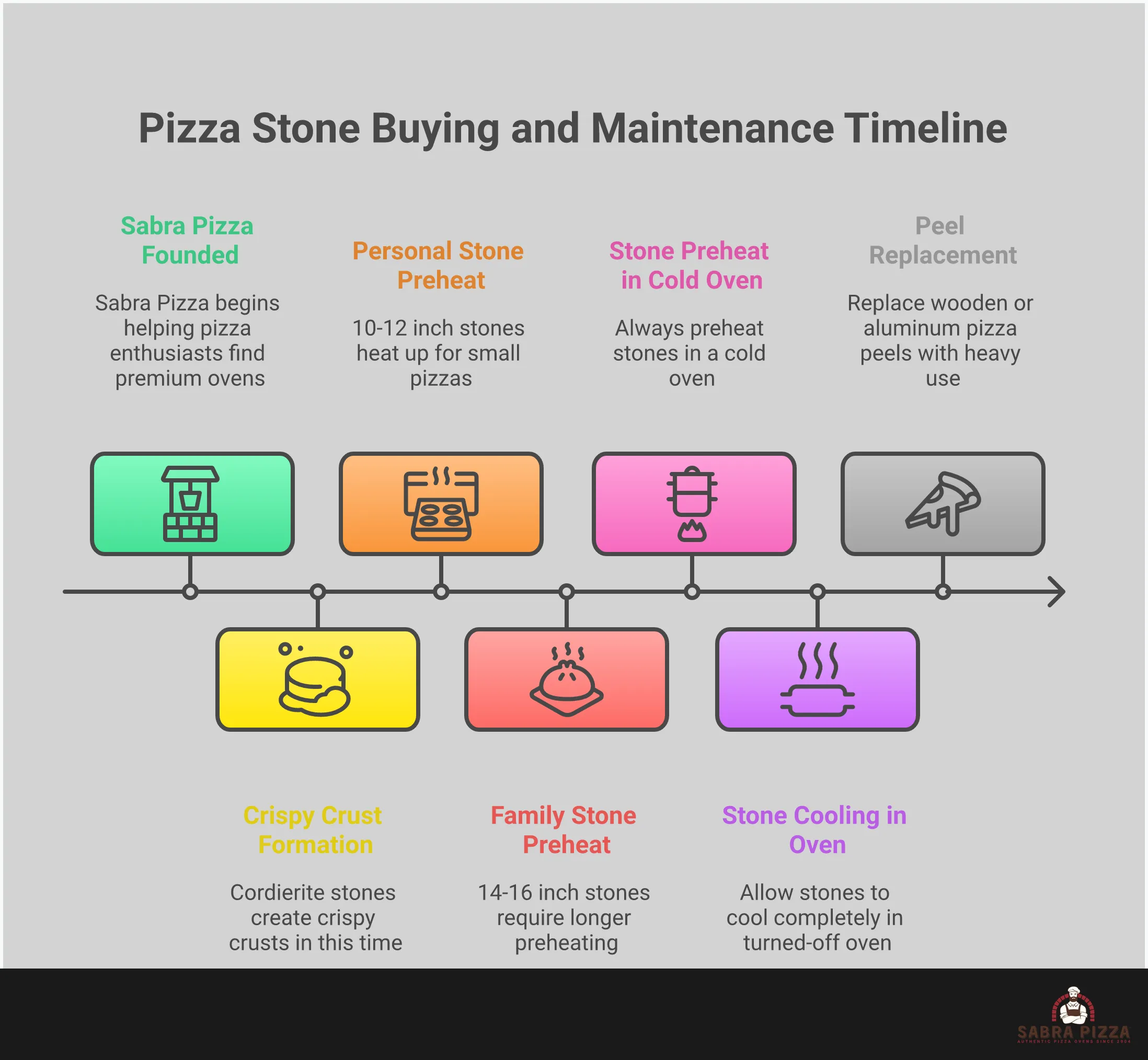
The number one enemy of a pizza stone is thermal shock—a sudden, drastic change in temperature that can cause it to crack. This can happen if you place a cold stone in a hot oven or expose a hot stone to cold water. This is where material choice becomes critical again. High-quality cordierite stones, like the ones from Ooni, are specifically engineered to be durable and withstand extreme temperature shifts without cracking. To extend the life of any stone, always place it in a cold oven and let it preheat along with the oven. Likewise, let it cool down completely before you even think about washing it.
A Guide to Pizza Stone Prices and Deals
Finding the right pizza stone is a lot like finding the perfect pizza topping—it’s all about personal preference and budget. The good news is there’s a fantastic stone out there for every type of home chef, whether you’re just starting your pizza-making journey or you’re ready to invest in a piece that will last for years. Price points generally reflect the stone's material, size, and brand reputation. Let's walk through what you can expect to find at different price levels so you can find the perfect match for your kitchen and your wallet.
Budget-Friendly Finds (Under $50)
You don’t need to spend a lot to get a crispy, delicious crust at home. If you're new to making pizza or just want a reliable stone without a big investment, there are several excellent choices available for under $50. The Ooni Baking Stone, for example, is a fantastic entry-level option made from durable cordierite that holds heat well. For the truly hands-on pizza maker, you can even create your own pizza stone using unglazed quarry tiles from a hardware store for just a few dollars. It’s a simple, effective way to get started and see what a difference a hot surface makes.
Solid Mid-Range Choices ($50-$100)
If you’re ready to step up your game, the $50 to $100 range is where you’ll find some seriously impressive pizza stones. In this bracket, you’ll see higher-quality materials like thicker cordierite and beautiful glazed ceramics that offer superior heat retention and durability. A great example is the classic Pampered Chef Pizza Stone, a favorite in home kitchens for decades. Brands like Emile Henry also offer incredible ceramic pizza stones in this range, known for being able to withstand high heat while producing an evenly baked, golden-brown crust. These stones are a solid choice for the regular home pizza maker.
Premium Stones Worth the Splurge ($100+)
For the dedicated pizza aficionado, investing in a premium stone is a game-changer. These high-end stones, often priced over $100, are crafted from the finest materials designed for exceptional performance and longevity. They heat up quickly, distribute warmth evenly, and can handle the extreme temperatures of high-end grills and pizza ovens without the risk of cracking. These are the stones that will give you that perfect leopard-spotted char and turn your backyard into the neighborhood’s favorite pizzeria. They are built to last, making them a worthwhile investment for anyone serious about their craft and looking for professional-level results at home.
Where to Find Extra Promotions and Discounts
A little savvy shopping can help you get a great deal on the perfect stone. A simple first step is to sign up for email newsletters from your favorite brands. Ooni, for instance, often provides a 10% discount on your first order just for signing up. Also, keep an eye out for free shipping offers, which can save you a significant amount, especially on heavier items. Emile Henry USA often has a free shipping promotion on orders over a certain amount. Finally, watch for seasonal sales around major holidays like Black Friday, Father's Day, or Memorial Day, as these are prime times to find excellent prices on pizza stones and accessories.
Which Pizza Stone Size Should You Buy?
Choosing the right pizza stone size comes down to one simple question: Who are you cooking for? The perfect stone for you will fit comfortably in your oven while matching your pizza-making style, whether you’re crafting a solo dinner or hosting the whole neighborhood. Think about your typical pizza night. Is it a quiet meal for one or two, a classic family dinner, or a big, lively party? Answering that will point you directly to the size you need for making perfect pizzas every time.
For Personal Pizzas (10-12 inches)
If your pizza nights are usually for one or two people, a smaller stone is your best friend. A stone in the 10- to 12-inch range is ideal for creating individual-sized pizzas without wasting oven space or energy. It’s the perfect companion for a quick weeknight meal or for when everyone wants their own custom toppings. Some of the best pizza disks come in sizes around 11 or 12 inches, giving you just enough surface area for a satisfying personal pie. They heat up quickly and are much easier to handle and store than their larger counterparts, making them a practical choice for smaller kitchens and solo chefs.
For Family Night (14-16 inches)
When you’re feeding a family, you need a stone that can handle a crowd-pleasing pie. A 14- to 16-inch pizza stone is the sweet spot for most households. This size gives you enough room to make a large pizza that can be sliced and shared, turning dinner into a fun, communal meal. A quality 16-inch pizza stone is a fantastic investment for any home, ensuring you can bake a pie large enough to satisfy everyone at the table. It’s the go-to size for creating those classic, round pizzas that bring everyone together for a delicious and memorable family night.
For Entertaining a Crowd (18+ inches)
If you love hosting parties and being the go-to house for pizza, go big. An 18-inch or larger pizza stone is a must-have for entertaining. This generous size allows you to make extra-large pizzas that can feed a group, so you spend less time cooking and more time with your guests. According to expert reviews, these larger stones are often big enough for large pizzas or even for baking two loaves of bread at once. This versatility makes it a true workhorse in the kitchen, perfect for anyone who frequently cooks for a crowd and wants to deliver impressive results every time.
Key Features to Look For: Handles & Glazes
Beyond size, a few design features can make a big difference. Some stones come with built-in handles, which can make moving a hot, heavy stone much easier. A raised edge on the back can also help you slide pizzas on and off without any mishaps. However, it’s worth noting that some chefs find that handles get in the way or reduce the usable baking space on the stone. It really comes down to personal preference. Another feature to consider is the surface. Unglazed stones are fantastic for drawing moisture out of the dough for a crispy crust, while glazed stones are easier to clean and less prone to staining.
What Do Customer Reviews Really Say?
When you’re investing in new kitchen gear, it’s always smart to see what other home cooks have to say. I’ve spent hours reading through customer reviews and expert roundups to pull out the most common themes and real-world advice. It turns out, people have strong feelings about their pizza stones. From the quality of the crust to how easy they are to clean, here’s the honest feedback you need to know before you buy.
Praised for Performance
Across the board, the number one reason people love their pizza stones is performance. A great stone is the secret to achieving that perfectly crispy, never-soggy crust we all crave. Reviewers consistently rave about how a preheated stone transforms their pizza game, whether they’re working with fresh dough or even a frozen pizza. The porous surface pulls moisture away from the dough, resulting in a beautifully browned and crisp bottom that’s tough to replicate on a standard baking sheet. Many users also note that stones are fantastic for reheating leftovers, bringing day-old slices back to life with a satisfying crunch.
Feedback on Durability
A pizza stone should be a long-term relationship, not a short-term fling. That’s why durability is a huge topic in customer feedback. The best stones are made from high-quality, robust materials designed to withstand extreme temperatures without cracking. For example, the Ooni Pizza Stone is made from solid cordierite, a material praised for being incredibly durable and built to last. Other brands use proprietary clay blends engineered for extra strength. While a good stone is tough, it’s not indestructible. Most negative reviews stem from thermal shock—placing a cold stone in a hot oven or exposing a hot stone to cold water—so proper care is key to its longevity.
More Than Just Pizza: Versatility Notes
While it has "pizza" in the name, many owners use their stone for so much more. Think of it as a versatile baking surface that can improve anything you cook on it. People love using their stones for baking rustic breads, scones, cookies, and even roasting vegetables. The even heat distribution helps everything cook beautifully. Another interesting point from reviews is that many unglazed stones get better with age. With each use, they develop a natural patina that makes them more nonstick over time, a process often referred to as "seasoning." This means your stone will only improve the more you use it.
Real-World Cleaning and Maintenance Tips
Cleaning is where reality hits, and reviewers have plenty of practical advice. The most critical tip is to always let your stone cool down completely before washing it. A sudden temperature change is the fastest way to cause a crack. Another non-negotiable rule: never use soap. The porous material can absorb the soap, and you’ll end up with soapy-tasting pizza. Instead, most users recommend scraping off any stuck-on food with a bench scraper or spatula, then wiping the stone with a damp cloth. For more detailed instructions, this cleaning guide offers some great tips. Don't worry about stains—they're a sign of a well-loved stone.
Pizza Stone vs. Steel vs. Baking Sheet: Which Is Best?
When you’re aiming for that perfect, pizzeria-quality crust at home, the surface you bake on makes all the difference. While a pizza stone is a classic tool for the job, you’ve likely heard about other options like pizza steels, cast iron pans, and even the humble baking sheet. Each one interacts with heat and dough differently, producing unique results. Understanding these differences is the key to choosing the right tool for your pizza-making goals. Whether you want a classic crispy base, a lightning-fast bake with extra char, or a simple upgrade from what you already have in your kitchen, let's break down how these popular surfaces compare.
Pizza Stones vs. Pizza Steels
The main difference between a pizza stone and a pizza steel comes down to material and how it handles heat. A pizza stone, typically made of cordierite or ceramic, absorbs and retains heat, creating a consistently hot surface that pulls moisture from the dough for a beautifully crisp crust. A pizza steel, on the other hand, is made of solid steel. As a metal, it conducts heat more efficiently than stone. This means it heats up faster and can transfer that heat to your pizza more intensely, often resulting in a quicker bake and an even crispier, slightly charred crust. Steels are also virtually indestructible, whereas stones can crack from thermal shock. However, a quality stone provides that authentic, classic bake that many pizza purists love.
Pizza Stones vs. Baking Sheets
If you're just starting out, you've probably made pizza on a standard baking sheet. While it gets the job done, upgrading to a pizza stone is one of the biggest improvements you can make to your homemade pizza. A baking sheet is thin and doesn't hold much heat. As a result, the crust tends to be softer and less crisp. A pizza stone, however, is designed to hold high heat and draw moisture away from the dough. This wicking action is what creates a firm, crispy bottom crust that can support your toppings, preventing the dreaded soggy middle. Think of a baking sheet as simply holding your pizza, while a pizza stone actively cooks it from the bottom up.
Pizza Stones vs. Cast Iron
Cast iron is another fantastic tool for making pizza, beloved for its incredible heat retention. So, how does it differ from a stone? The biggest distinction is the style of pizza each one creates. A cast iron pan is perfect for pan pizzas or deep-dish styles, giving you a thick, golden crust that’s almost fried on the bottom. A pizza stone, especially one made from high-quality cordierite stone, is porous. This allows it to absorb moisture from the dough, resulting in a drier, crispier, classic stone-baked crust you’d find in a traditional pizzeria. While both get screaming hot and produce amazing results, choose cast iron for a pan-style pizza and a stone for that authentic, crisp-bottomed Neapolitan or New York-style pie.
Must-Have Accessories for Your Pizza Stone
Once you’ve chosen the perfect pizza stone, a few key accessories will make your pizza-making process smoother, safer, and more successful. Think of these not as extras, but as essential parts of your pizza toolkit. They help you handle high temperatures with confidence, keep your stone in great shape for years, and turn out consistently delicious pizzas. Investing in the right tools from the start ensures you get the most out of your stone from the very first bake.
Pizza Peels and Paddles
A pizza peel is the shovel-like tool that is absolutely essential for moving your uncooked pizza onto a hot stone and pulling the finished pie out of the oven. Trying to slide a pizza onto a 500°F stone without one is a recipe for a folded-up mess or a nasty burn. A good pizza peel lets you build your pizza directly on its surface (with a little flour or cornmeal to prevent sticking) and transfer it to the oven with a quick, confident flick of the wrist. It’s the secret to achieving that perfect, round shape and keeping all your toppings exactly where you placed them.
Tools for Cleaning and Care
To keep your pizza stone performing at its best, you need the right cleaning tools. Most stones are porous and shouldn't be cleaned with soap, which can get absorbed and affect the taste of your food. Instead, a simple pan scraper is your best friend for removing any baked-on cheese or sauce. For more stubborn spots, you can create a paste of baking soda and water, let it sit, and then wipe it clean. Proper pizza oven care is crucial for the longevity of your stone, ensuring it seasons beautifully over time and lasts for countless pizza nights.
Solutions for Storage and Protection
Storing your pizza stone correctly is key to preventing cracks and chips. Always let it cool completely before moving or cleaning it. While you can store a large stone right in your oven, some people find them heavy and cumbersome. An alternative is to use a few smaller stones, which are lighter, easier to store, and can be arranged to fit your specific baking needs. Whether you have one large stone or several smaller ones, finding a safe, flat spot where it won’t get bumped is the most important step in protecting your investment.
How to Find the Best Deals on a Pizza Stone
A great pizza stone is an investment in countless delicious pizza nights, but that doesn't mean you have to overspend. With a little strategy, you can find a fantastic deal on a high-quality stone that will last for years. It’s all about knowing where and when to look. Think of it less as bargain hunting and more as smart shopping. By using a few simple tactics, you can either pocket some savings or free up your budget for that top-of-the-line pizza peel you’ve been eyeing. These tips will help you get the best possible value, ensuring your money goes toward a durable, high-performance stone that will become a staple in your kitchen. From timing your purchase perfectly to understanding the long-term value of a good warranty, here’s how to make sure you’re getting a great price on your new pizza stone.
Timing Your Purchase with Seasonal Sales
Patience can be your best friend when shopping for a pizza stone. Retailers often roll out significant discounts during major holidays like Black Friday, Memorial Day, or Labor Day. Planning your purchase around these events can lead to serious savings. Many brands, like Ooni, run special promotions throughout the year. The easiest way to stay in the loop is to join the email newsletters of brands you’re interested in. This way, you’ll get alerts about upcoming sales and exclusive offers sent directly to your inbox, so you never miss a chance to save on high-quality pizza stones.
Saving Money with Bundles
Another smart way to get more for your money is by looking for bundle deals. This doesn’t always mean buying a pre-packaged kit. Often, the savings come from qualifying for free shipping. For example, retailers like Emile Henry USA frequently offer free shipping on orders that meet a certain price threshold. If you’re also in the market for a pizza peel, a cutter, or other accessories, purchasing them all at once can help you hit that minimum and save on delivery fees. It’s an effective strategy for getting all your gear at once while cutting down on extra costs.
Finding First-Time Buyer and Email Discounts
Don’t underestimate the power of a welcome offer. Many online retailers provide a one-time discount to new customers simply for signing up for their email list. It’s one of the quickest and easiest ways to save. For instance, Ooni gives first-time subscribers a 10% discount on their initial order over $100. Before you make any purchase, take a moment to check the website’s homepage or footer for a newsletter sign-up prompt. This simple step can instantly reduce the price of your new pizza stone with minimal effort.
Checking the Warranty and Return Policy
A great deal isn’t just about the initial price—it’s also about the long-term value and peace of mind. Before you buy, always review the product’s warranty. A strong warranty protects your investment against defects and potential issues down the road. A cheap stone that cracks after a few uses is no bargain at all. Brands that stand behind their products offer solid guarantees. For example, Pampered Chef provides a 3-year guarantee on their pizza stones, which shows confidence in their durability. A good return policy is also important in case the stone isn’t the right fit for your oven.
Related Articles
- Pizza Stones: Your Ultimate 2026 Guide
- The 5 Best Pizza Ovens with a Pizza Stone
- Top 4 Italian Pizza Oven Manufacturers to Know
Frequently Asked Questions
How do I stop my pizza stone from cracking? The key to a long-lasting stone is avoiding thermal shock, which is just a sudden, extreme temperature change. Always place your stone in a cold oven and let them preheat together. Once you’re done baking, leave the stone in the oven to cool down completely on its own. The biggest mistake you can make is running a hot stone under cold water—that’s the fastest way to cause a crack.
Is a pizza steel a better choice than a stone? It really depends on the kind of crust you're after. A pizza steel gets hotter and transfers heat faster, which often results in a super-crispy, slightly charred crust that cooks in minutes. A stone provides a more traditional, evenly-baked crispness by drawing moisture out of the dough. If you want an indestructible surface that gives you a serious char, go for steel. If you love that classic, pizzeria-style bake, a quality stone is the perfect tool.
How should I clean my pizza stone without ruining it? The two most important rules are to never use soap and to always wait until the stone is completely cool. Since the stone is porous, it will absorb soap, which will make your next pizza taste like a bubble bath. Instead, just use a bench scraper or a spatula to scrape off any stuck-on food bits. If you need to, you can wipe it with a damp cloth, but that’s it.
My stone is covered in dark stains. Is it ruined? Not at all! In fact, those stains are a good thing. Think of them as a badge of honor. As you use your stone, oils and fats from your food will bake onto the surface, creating a natural non-stick seasoning over time. A well-loved, well-used stone will have spots and discoloration, and that just means it's getting better with every pizza you make.
Do I really need to buy a pizza peel too? Yes, I would say a pizza peel is non-negotiable. A hot stone can reach 500°F or more, and there’s no safe or effective way to get a delicate, uncooked pizza onto that surface without one. A peel allows you to build your pizza and then slide it onto the stone in one smooth motion, which is essential for keeping your pizza’s shape and, more importantly, keeping your hands safe.