

You might be buying a pizza steel with the goal of perfecting your Friday night pizza, but you’ll quickly discover it’s one of the most versatile tools in your kitchen. Think of it less as a single-purpose gadget and more as a high-performance cooking surface for your oven or grill. Its amazing ability to store and radiate intense, even heat opens up a world of culinary possibilities. It can help you bake crusty, artisan breads with a beautiful rise, get a perfect sear on steaks and vegetables, and even make frozen french fries extra crispy. It’s a true workhorse that will improve almost everything you bake or roast.
Key Takeaways
- Steel's Heat Conduction is Key: A pizza steel creates a crispier crust because it transfers intense heat to the dough much faster than a traditional stone. This rapid bake prevents sogginess and mimics the performance of a professional pizza oven.
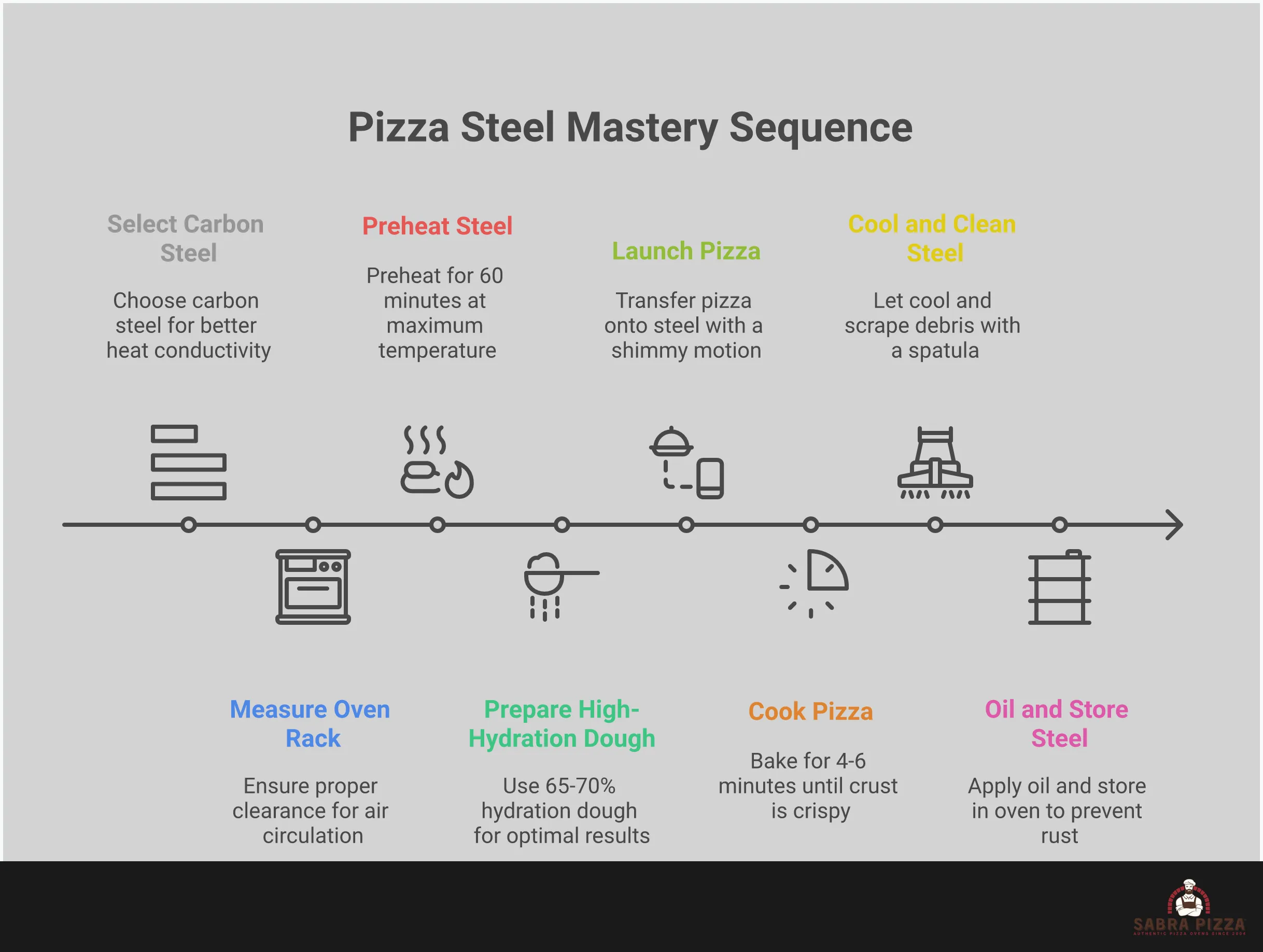
- Choose the Right Tool for the Job: Look for a thick (at least 1/4-inch) carbon steel plate. Before buying, measure your oven rack to ensure you can leave at least one inch of space around the steel for proper air circulation.
- The One-Hour Preheat is Non-Negotiable: The secret to success is preheating your steel for a full hour at your oven's highest temperature. This crucial step ensures the steel stores enough energy to create that perfect, instant bake.
What Is a Pizza Steel?
If you've ever wondered how pizzerias get that perfectly crisp, leopard-spotted crust, the secret isn't just the oven—it's the cooking surface. A pizza steel is exactly what it sounds like: a solid, thick slab of steel designed to turn your home oven into a pizza-making powerhouse. Think of it as the ultimate upgrade from a standard baking sheet or even a traditional pizza stone. It’s a simple tool with a massive impact, designed to absorb, hold, and radiate intense heat directly into your pizza dough. This creates the ideal conditions for a quick, even bake that you just can't get with other surfaces. It's the key to achieving that restaurant-quality texture and flavor right in your own kitchen.
How It Creates the Perfect Crust
The magic of a pizza steel lies in its incredible ability to conduct heat. Steel transfers heat far more efficiently than the ceramic material of a pizza stone. When you launch your pizza onto a properly preheated steel, that intense energy surges into the dough instantly. This rapid heat transfer cooks the pizza in just a few minutes, often between four and six. The result is a phenomenal crust with a crispy, crackly bottom and a light, airy interior. You’ll also get that beautiful char on the edges, a signature of a pizza baked in a professional oven. It’s this quick, powerful bake that prevents a soggy bottom and creates the perfect foundation for your toppings.
Pizza Steel vs. Pizza Stone: What's the Difference?
Many home pizza makers start with a pizza stone, and it's a great first step. But a pizza steel is a true level-up. The main difference is the material. Stones are made of porous ceramic or cordierite, which can crack from thermal shock. A pizza steel is made from solid metal, making it virtually indestructible. More importantly, steel's superior heat conductivity means it gets hotter and transfers that heat to your dough much faster. This gives you a crispier crust and a quicker bake. While stones need more time to reheat between pizzas, a steel bounces back to temperature almost immediately, making it a more powerful and durable tool for serious bakers.
Why a Pizza Steel Beats a Pizza Stone
If you've been making pizza at home for a while, you probably started with a pizza stone. They’re a classic for a reason, but when you’re ready to get serious about achieving that perfect, crispy-chewy crust, it’s time to meet the pizza steel. While both tools aim to mimic the floor of a brick oven, a steel does the job with more power and precision. The difference comes down to basic physics: stone is a ceramic material that absorbs and radiates heat, while steel is a metal that conducts it with incredible efficiency. This single difference is what separates a good homemade pizza from a great one.
Think of it as the difference between a good home-cooked meal and a restaurant-quality dish. A pizza stone will get you a decent pizza, but a steel gives you the power to create something truly exceptional. It’s all about heat, durability, and speed—three areas where steel leaves stone in the dust. It’s not just an alternative; it’s a complete upgrade that transforms your home oven into a high-performance pizza-making machine. For anyone passionate about making incredible pizza, making the switch is one of the easiest ways to improve your final product and get consistently amazing results every single time.
Unbeatable Heat for a Crispier Crust
The secret to a phenomenal pizza crust is intense, direct heat, and this is where steel truly shines. A pizza steel transfers heat far more efficiently than a ceramic stone—some tests show it's up to 20 times more conductive. This means when you slide your dough onto a preheated steel, it gets a powerful blast of heat instantly. This intense energy creates a dramatic "oven spring," causing the crust to puff up beautifully while the bottom gets incredibly crisp and evenly browned. With a steel, your pizza cooks much faster, usually in just four to six minutes, preventing the toppings from overcooking or making the dough soggy.
A Durable Tool That Lasts a Lifetime
Let’s be honest: we’ve all heard the horror stories of a beloved pizza stone cracking in half. Stones are made from ceramic or cordierite, which are brittle and susceptible to thermal shock—a sudden temperature change can easily cause a fracture. A pizza steel, on the other hand, is practically indestructible. Forged from solid steel, it won’t crack, shatter, or chip, no matter how many times you use it. You can slide it in and out of a blazing hot oven without a second thought. It’s a true buy-it-for-life kitchen tool and a smart investment for anyone who takes their pizza making seriously.
Cook Pizzeria-Quality Pizza in Minutes
Ultimately, the goal is to make pizza at home that rivals what you’d get from a professional pizzeria. A pizza steel is your best tool for achieving that. By combining incredibly high heat retention with rapid energy transfer, a steel helps you create a perfect crust with beautiful char and leopard-spotting. It’s designed to give you results that are much closer to what you'd get from an expensive restaurant oven. You get that ideal texture contrast: a crisp, sturdy base that gives way to a soft, airy interior, all cooked in just a few minutes. This speed ensures your cheese is perfectly melted and your toppings are fresh, not overdone.
How to Choose the Right Pizza Steel
Picking the right pizza steel can feel like a big decision, but it really comes down to a few key details. Think of it as an investment in countless nights of incredible, crispy-crusted pizza. When you know what to look for, you can easily find a steel that will fit your oven, match your cooking style, and last for years. We'll walk through the most important factors—thickness, material, and size—so you can choose with confidence and get straight to baking.
Why Thickness and Weight Matter
When it comes to pizza steels, thicker is almost always better. A thicker slab of steel holds more heat, which is the secret to achieving that perfect oven spring and leopard-spotted crust. Look for a steel that is at least 1/4-inch thick; if it's any thinner, it should weigh at least 16 pounds. This substantial weight means the steel has enough thermal mass to transfer a massive amount of energy into your dough instantly. This intense heat cooks the bottom of the pizza rapidly, preventing a soggy crust and ensuring every pizza comes out as crisp as the first, even when you're baking several in a row.
Carbon Steel vs. Stainless Steel
You’ll see steels made from both carbon and stainless steel, but for pizza, carbon steel is the clear winner. The reason is simple: heat conductivity. Carbon steel is a much better conductor, transferring heat about three times more efficiently than stainless steel. This superior heat transfer means your pizza cooks faster and more evenly, and the steel reheats in a flash, so you can bake multiple pizzas back-to-back without losing performance. While stainless steel is great for its corrosion resistance, carbon steel’s ability to get screaming hot and stay that way makes it the ideal choice for a pizzeria-quality crust.
Finding the Perfect Size for Your Oven
Before you click "buy," grab a tape measure. The most common mistake people make is buying a steel that’s too big for their oven. You need to measure the internal dimensions of your oven rack, ensuring you leave at least an inch of clearance on all sides. This gap is crucial for allowing hot air to circulate properly, which helps cook the top of your pizza and melt the cheese perfectly. Without it, you risk a burnt bottom and undercooked toppings. Many popular baking steels come in standard sizes like 14 x 16 inches, which fits most home ovens, but it's always best to confirm your own measurements first.
Key Features for Even Cooking
The magic of a pizza steel lies in its incredible efficiency. A quality steel transfers heat up to 20 times more effectively than a traditional pizza stone. This intense, direct heat is what cooks your pizza in as little as four to six minutes, creating a crispy, blistered crust that’s impossible to get with a stone or baking sheet. When shopping, look for a steel with a smooth, uniform surface. Some come pre-seasoned, which helps create a non-stick finish over time and protects the metal from rust. Ultimately, the combination of a thick, carbon steel plate that fits your oven is the key to unlocking perfect, evenly cooked pizza every time.
Our Top Picks: The Best Pizza Steel Brands
Sabra Pizza's Curated Collection
Choosing the right pizza steel can feel like a big decision, but it’s one of the most important steps toward achieving that perfect, crispy crust at home. After years of helping customers build their dream outdoor kitchens, we’ve seen which tools truly deliver. We’ve curated this list of our favorite pizza steel brands to help you find the perfect match for your setup. Each of these brands has a stellar reputation for quality, performance, and durability. Whether you’re a beginner looking for a reliable starting point or a seasoned pro seeking precision, you’ll find a fantastic option here. Let’s get into the brands that consistently impress us and our customers.
Baking Steel: The Original
When you think of pizza steels, Baking Steel is often the first name that comes to mind, and for good reason. As the original innovator in this space, they set the standard. Their steels are engineered to transfer heat up to 20 times more efficiently than a traditional pizza stone. What does that mean for you? It means your pizza cooks incredibly fast—often in just four to six minutes—resulting in a beautifully crisp, leopard-spotted crust that rivals what you’d get from a professional pizzeria. Beyond pizza, these steels are fantastic for baking artisan breads, giving them the perfect oven spring and a crunchy crust. It’s a true workhorse for any serious home baker.
Dough-Joe: The Heavy-Duty Contender
If you plan on hosting pizza nights and making multiple pies back-to-back, the Dough-Joe is a fantastic heavy-duty option. Known for its exceptional heat retention, this steel stays screaming hot even after you’ve launched your first pizza. This consistency is key to avoiding a soggy second or third pizza. Models like "The Samurai" are praised by food experts for their ability to get incredibly hot and maintain that temperature, ensuring every single pizza has a crispy bottom and a light, airy dough. For the home chef who needs reliable, powerful performance, Dough-Joe’s lineup is a top contender that won’t let you down.
Steelmade: The Versatile Option
For those who love a multi-functional kitchen tool, the Steelmade Pizza Baking Steel is a standout choice. It’s designed not only for your indoor oven but is also durable enough to be used on an outdoor grill, opening up a world of smoky, flame-kissed pizza possibilities. One of its most thoughtful features is the integrated hand-holds, which make it much easier and safer to move the heavy steel in and out of a hot oven. This blend of high performance and practical design makes it a versatile and user-friendly option. It delivers that pizzeria-quality crust while being exceptionally easy to handle, making it a great all-around pick for any home cook.
NerdChef: The Precision Choice
If you’re the type of cook who obsesses over the details, NerdChef is the brand for you. These steels are celebrated for their precision engineering and flawless heat distribution. They are milled to be perfectly flat and are known for holding heat with incredible uniformity across the entire surface. This means no hot spots or unevenly cooked sections—just a perfectly consistent, golden-brown crust from edge to edge, every single time. Reviewers often note that NerdChef’s commitment to quality makes their steels a reliable tool for achieving repeatable, perfect results. It’s the ideal choice for the culinary perfectionist who wants total control over their bake.
Pizza Steel Price Guide: What to Expect
Investing in a pizza steel is one of the best moves you can make for your home pizza game, and thankfully, there’s an option for every budget. The price of a pizza steel is typically determined by its thickness, overall size, and the brand behind it. A thicker, heavier steel will hold and transfer more heat, but it will also cost more. As you start shopping, you’ll find that prices can range from under $100 for a basic model to over $200 for a premium, heavy-duty slab.
It’s helpful to think of it less as a simple purchase and more as a long-term investment in countless crispy, perfectly cooked pizzas. Unlike a pizza stone that can crack from thermal shock, a steel is virtually indestructible. The one you buy today will likely be with you for decades of pizza nights, bread baking, and more. The key is to match the steel to your needs. Are you a casual weekend baker or are you aiming to replicate a true Neapolitan-style pizza in your home oven? Understanding your goals will help you decide where you want to land on the price spectrum. Let’s break down the different price tiers so you can find the perfect steel that fits your budget and your pizza-making ambitions.
Best Budget-Friendly Steels (Under $100)
You don’t need to spend a lot to get started with a pizza steel. If you’re just beginning or want a great value, there are plenty of excellent options under $100. In this price range, you’ll typically find steels that are a bit thinner (around ¼-inch) and smaller, which is perfect for standard home ovens. Some pizza makers even go the DIY route and source a custom-cut piece of A36 steel from a local metal fabricator. This can be a surprisingly affordable way to get a steel that fits your oven’s dimensions perfectly.
Mid-Range Steels for Serious Bakers ($100-$200)
For home cooks who are serious about their craft, the $100 to $200 range is the sweet spot. Here you’ll find well-established brands that offer thicker steels (often ⅜-inch or ½-inch) designed for superior heat retention and faster cooking times. These models provide a noticeable upgrade in performance, giving you a better oven spring and a crispier, more evenly browned crust. Brands like the original Baking Steel dominate this category, offering a fantastic balance of price, performance, and durability that will satisfy the vast majority of pizza enthusiasts.
Premium Steels for the Ultimate Pizza ($200+)
If you’re chasing pizzeria-level perfection and want the absolute best performance, a premium steel is worth the investment. Steels in the $200+ category are built for the true enthusiast. These are typically the thickest and heaviest options on the market, with some weighing over 25 pounds. Their incredible thermal mass allows them to store a massive amount of heat, resulting in lightning-fast bake times and an unbeatable crust. According to culinary experts, this extra mass also means the steel recovers its temperature almost instantly, making it ideal for baking multiple pizzas back-to-back for a crowd.
Your Guide to Using a Pizza Steel
So, you’ve got your pizza steel and you’re ready to make the best pizza of your life. I love that for you! Using a steel is a game-changer, but it’s a little different from using a regular pan or even a stone. The key is understanding how to work with that incredible heat conductivity we talked about. It’s all about getting the steel screaming hot and then working quickly to transfer your pizza. Once you get the hang of it, you’ll be pulling pizzeria-quality pies out of your home oven like it’s second nature. Let’s walk through the process step-by-step, from preheating to that final, perfect launch.
How to Properly Preheat Your Steel
Patience is a virtue, especially when it comes to your pizza steel. To get that perfect, crispy-chewy crust, you need to give your steel enough time to absorb a massive amount of heat. Think of it as charging a battery. You can’t just pop it in a warm oven for 15 minutes and expect magic. For the best results, place your steel on a rack in the upper-middle of your oven and crank the heat to its highest setting—usually 500°F or more. Let it preheat for a full hour. Yes, a whole hour! This ensures the steel is completely saturated with heat, ready to blast your dough and create that amazing oven spring the moment it lands.
Assembling and Launching Your Pizza
When your steel is preheated and ready, it’s go-time. Speed is your best friend here. The longer your sauced dough sits on the peel, the more likely it is to stick, turning your perfect launch into a pizza disaster. Build your pizza quickly on a lightly floured pizza peel or a sheet of parchment paper. When you’re ready, open the oven and confidently slide the pizza directly onto the hot steel. If you’re using parchment paper, you can bake the pizza on it for the first few minutes, then use tongs to carefully pull the paper out from under the crust. This allows the bottom to get extra crispy directly on the steel for the final minutes of baking.
Pro Tips for Managing Heat and Dough
Think of your pizza steel as a powerful heat battery. It holds an intense charge, but every time you open the oven door, you drain some of its power. Launch your pizza quickly and avoid peeking. Trust the process! The type of dough you use also makes a difference. While any dough will be better on a steel, higher hydration doughs—around 65% to 70% water—perform exceptionally well. The high water content turns to steam when it hits the hot steel, creating a light, airy crumb with beautiful holes and a wonderfully crisp exterior. It’s this combination of proper heat management and the right dough that will truly transform your homemade pizza.
Common Pizza Steel Mistakes to Avoid
You’ve invested in a pizza steel, and you’re ready for that incredible, crispy crust you’ve been dreaming of. While it’s a fairly straightforward tool, a few common missteps can get in the way of pizza perfection. Let's walk through them so you can sidestep these issues and get straight to making amazing pizza every single time.
Mistake #1: Not Preheating Long Enough
Patience is probably the most important ingredient when using a pizza steel. One of the biggest mistakes is not giving it enough time to get screaming hot. To truly mimic the floor of a professional brick oven, your steel needs to absorb a massive amount of heat. Crank your oven to its highest setting—at least 500°F—and let the steel preheat for a full hour. It might feel like a long time, but this step is non-negotiable. A properly heated steel stores and transfers intense, direct heat to your dough, which is the secret to a crispy, leopard-spotted crust that cooks in minutes.
Mistake #2: Using the Wrong Dough
Not all pizza dough is created equal, and a pizza steel works best with a specific kind. The intense, dry heat of the steel calls for a dough with higher moisture content. A high-hydration dough, typically around 65% to 70% water, is ideal. When this wet dough hits the hot steel, the water instantly turns to steam, creating that beautiful "oven spring" that gives you a light, airy crust with a satisfying chew. A drier dough, on the other hand, can become tough and cracker-like. So, if your crusts are falling flat, take a look at your dough recipe first.
Mistake #3: Messing Up the Launch
The moment of truth—sliding your pizza from the peel onto the steel—can be intimidating. A clumsy or slow launch is a classic mistake. Think of your steel as a fully charged battery; it holds intense heat, but that energy drains quickly when the oven door is open. If you hesitate, you lose precious heat, and your crust won't get that initial blast it needs to puff up. To nail the launch, make sure your pizza peel is lightly dusted with flour or semolina so the dough slides off easily. A quick, confident shimmy is all it takes to land your pizza perfectly in the center.
Mistake #4: Opening the Oven Door Too Much
Once your pizza is in the oven, trust the process. Constantly opening the door to check on it is just as bad as a slow launch. Every time you peek, you let a huge amount of heat escape, causing the oven and the steel’s temperature to drop. This extends the cooking time and prevents the crust from getting as crisp as it could be. Your oven light is your best friend here. Turn it on and watch the magic happen through the glass. A pizza on a properly preheated steel cooks incredibly fast—often in just a few minutes—so you won’t have to wait long.
How to Care for Your Pizza Steel
Your pizza steel is a serious piece of kitchen equipment and a true workhorse. With just a little bit of attention, it will last a lifetime and only get better with age. Think of it like a cast-iron skillet—the more you use it and care for it, the more seasoned and non-stick it becomes. Proper care really comes down to three things: a good initial seasoning, simple daily cleaning, and smart storage. Getting these basics right will ensure your steel is always ready for your next pizza night, delivering that perfect, crispy crust every single time.
Seasoning Your Steel for the First Time
Before you slide your first pizza onto your new steel, you’ll want to season it. Most steels come pre-seasoned, but giving it a little extra love sets you up for success. The process is simple: start with a quick hot-water wash, then dry it completely with a paper towel. This initial step helps build up that slick, non-stick surface that makes launching and removing pizzas a breeze. Seasoning is what creates the patina that protects the steel from rust and improves its performance over time. It’s a small step that makes a huge difference in the long run.
Your Daily and Weekly Cleaning Routine
Here’s the best part about cleaning a pizza steel: less is more. After you’re done cooking, resist the urge to scrub it with soap and water. Instead, let it cool down completely in the oven. Once it’s cool, just scrape off any burnt-on cheese or food bits with a metal spatula or bench scraper. That’s it. For regular maintenance, or if you notice a little rust, you can lightly coat it with a small amount of a neutral oil, like vegetable or canola oil. Just wipe away any excess with a paper towel. This simple cleaning routine keeps your steel in top shape.
Storing Your Steel to Prevent Rust
Moisture is the enemy of your pizza steel. To keep it from rusting, the most important thing you can do is store it in a dry place. For many people, the easiest spot is right inside their oven. Leaving it on the oven rack means it’s always out of the way, stays completely dry, and is ready to go for your next bake. Plus, it acts as a heat sink, helping your oven regulate its temperature more evenly for other types of baking. If you need to store it elsewhere, just make sure it’s in a dry cupboard or pantry, away from any potential humidity or spills.
How to Handle Deep Cleaning and Tough Stains
Every once in a while, you might have a major cheese catastrophe or notice some stubborn, stuck-on spots that a simple scrape won’t fix. For a deep clean, you can use a bit of steel wool or a stiff brush to scrub away the residue. If you encounter any rust, you’ll want to scrub it off completely. After any intensive cleaning, you’ll need to re-season your steel to restore its protective layer. Just apply a very thin layer of oil and bake it in the oven. This will bring it right back to its beautiful, non-stick glory.
More Than Just Pizza: What Else Can You Cook?
Once you’ve mastered the perfect pizza, you might wonder what else your new steel can do. The answer? A lot. Think of it less as a "pizza steel" and more as a high-performance cooking surface for your oven or grill. Its incredible ability to store and radiate intense, even heat opens up a whole new world of culinary possibilities, turning your home kitchen into a bakery and a steakhouse all in one. This single piece of metal is one of the most versatile tools you can own, ready to help you tackle everything from delicate pastries to hearty main courses.
Bake Incredible Breads and Pastries
If you’ve ever dreamed of pulling a loaf of bakery-quality bread from your own oven, the pizza steel is your new best friend. That intense, sustained heat is exactly what you need to bake incredible crusty artisan breads with a beautiful "oven spring"—that initial burst of rising that happens when you first place dough in a hot oven. The steel helps keep your oven’s temperature steady, creating the perfect environment for everything from dinner rolls and pies to cookies and cakes. You can even use it to make frozen foods like french fries extra crispy, giving them a texture you just can’t get from a standard baking sheet.
Get the Perfect Sear on Meats and Veggies
The same thermal properties that create a perfectly crisp pizza crust are also ideal for searing. Place your steel on the grill or in a ripping-hot oven to get a deep, flavorful crust on steaks, pork chops, and burgers. The steel’s surface makes direct, even contact with the food, delivering a consistent sear that’s hard to achieve in a pan. It’s also fantastic for roasting vegetables like asparagus, broccoli, and bell peppers, giving them a delicious char without turning them mushy. Just remember to lightly coat your steel with oil after cleaning to maintain its surface and prevent rust, especially after cooking savory foods.
Where to Buy Your Pizza Steel
Once you’ve decided a pizza steel is right for you, the next step is finding where to get one. You have a few options, from specialty culinary brands to local metal shops. The best path depends on your budget and how much you value convenience versus a custom solution. Shopping from a trusted, authorized retailer guarantees you’re getting a food-safe product designed specifically for cooking, while exploring other avenues can sometimes save you money if you know what to look for.
Why to Shop with Authorized Retailers
When you buy from an authorized retailer or a specialty brand, you’re paying for more than just a piece of metal—you’re getting peace of mind. Companies like Baking Steel have perfected their products, ensuring they are made from food-grade materials and are pre-seasoned and ready to use right out of the box. These steels are engineered for optimal heat transfer and durability. Plus, buying from a dedicated retailer means you get the benefit of customer support, warranties, and the confidence that your steel is specifically designed for making incredible pizza, not for an industrial project. It’s the most straightforward way to ensure quality and safety.
Tips for Finding the Best Deals
If you’re on a budget or enjoy a good DIY project, you can find some great deals. One popular route is to source custom-cut steels from a local metal supplier. You can often get a thick piece of A36 carbon steel cut to your exact oven dimensions for a fraction of the price of a branded one. Just remember you’ll need to do the prep work yourself, which includes thoroughly cleaning off any industrial oils and seasoning it properly before its first use. Keep an eye out for sales at major retailers, too, especially around holidays, as you can sometimes snag a premium steel at a discount.
Related Articles
- Pizza Oven Stainless Steel: A Buyer's Guide
- Best Black Steel Wood-Fired Pizza Ovens of 2025
- 4 Best Premade Neapolitan Pizza Doughs of 2025
- 5 Best Stainless Steel Outdoor Pizza Ovens (Tested)
- 5 Best Stainless Steel Pizza Ovens for 2025
Frequently Asked Questions
Is it really worth upgrading from a pizza stone to a steel? If you're happy with your pizza stone, that's great! But if you're chasing that truly crisp, perfectly browned crust you get at a great pizzeria, then yes, the upgrade is absolutely worth it. A steel transfers heat so much more powerfully and efficiently than a stone. This intense energy gives your dough a better oven spring for a lighter, airier texture and creates a crispier bottom in less time. It’s a noticeable, immediate improvement to your pizza's quality and consistency.
Does a thicker, more expensive steel actually make a better pizza? A thicker steel holds more heat, which is a huge advantage. Think of it as a bigger battery. It can dump more energy into your dough all at once, which helps create a fantastic crust. It also recovers its temperature much faster between pizzas, so your second and third pies will be just as good as the first. While you can make great pizza on a standard 1/4-inch steel, a thicker 3/8-inch or 1/2-inch model offers more power and consistency, especially if you're cooking for a crowd.
My pizza always sticks to the peel when I try to launch it. What am I doing wrong? This is a super common frustration, and it usually comes down to two things: moisture and time. First, make sure your peel has a light, even dusting of flour or semolina to create a barrier between it and the dough. Second, you have to work quickly. The longer your wet dough sits on the peel as you add toppings, the more time it has to absorb the flour and stick. Try to assemble your pizza in just a minute or two and launch it onto the steel with a confident, quick shimmy.
Can I use my pizza steel on an outdoor grill? Yes, and it's a fantastic way to make pizza! Using a steel on a grill can get you even closer to the high temperatures of a true pizza oven. Just place the steel directly on the grates, close the lid, and let it preheat for at least 45 minutes to an hour until it's blazing hot. This method gives the crust a wonderful, slightly smoky flavor that you just can't get from an indoor oven.
What should I do if my pizza steel gets rusty? Is it ruined? Don't panic! A little rust is completely normal for carbon steel and it's easy to fix. Your steel is definitely not ruined. Just use some steel wool and a bit of elbow grease to scrub the rust spots away completely. Once it's clean, rinse it with hot water, dry it immediately and thoroughly, and then re-season it by applying a very thin coat of a neutral oil and baking it in the oven for an hour. It will be as good as new.