

The secret to an unforgettable pizza isn't just in the sauce or the toppings—it's all about the crust. That perfect combination of a crispy base and a light, airy edge comes from intense, consistent heat. While professional pizzerias have massive ovens, achieving that same result at home can feel out of reach. A high-quality gas pizza oven is the tool that closes that gap. It takes the guesswork out of temperature management, giving you the power to bake perfect pies every single time. We’ll explore how these ovens work, what to look for when buying one, and how to care for your new favorite appliance.
Key Takeaways
- Embrace Convenience Without Sacrificing Quality: Gas pizza ovens provide the high, consistent heat required for a perfect crust with the ease of turning a dial, giving you restaurant-level results without the hassle of managing a wood fire.
- Focus on the Fundamentals of Heat: When selecting an oven, prioritize features that ensure a great bake: the ability to reach at least 900°F, a thick refractory cooking surface for a crispy base, and a design that circulates heat evenly.
- Recognize the Long-Term Value: While prices vary based on size and brand, a quality gas oven is a low-maintenance investment. Simple cleaning and predictable fuel costs mean you spend less time on upkeep and more time enjoying amazing pizza.
Why Choose a Gas Pizza Oven?
If you're dreaming of creating authentic, restaurant-quality pizza at home, you might be weighing your fuel options. While wood-fired ovens have a certain rustic charm, gas pizza ovens offer a compelling blend of convenience, control, and consistency that’s hard to beat. Think of it as getting all the high-heat power you need for a perfect crust, without the steep learning curve or lengthy prep time. It’s the ideal choice for anyone who wants to host amazing pizza nights without spending the whole party managing a fire.
A gas-powered pizza oven gives you the ability to focus on what really matters: the craft of making delicious food for people you love. Instead of tending to logs and embers, you’re turning a dial. This simplicity means you can fire up the oven for a quick weeknight dinner just as easily as you can for a weekend gathering. From rapid heat-up times to minimal cleanup, gas ovens are designed for the modern home chef who values both exceptional results and their own precious time. They are true workhorses that deliver incredible performance, meal after meal.
Enjoy Effortless Temperature Control
One of the biggest advantages of a gas oven is the precise command you have over the heat. Gas ovens allow for simpler adjustments to temperature, which helps you avoid burning your food. With just the turn of a knob, you can dial in the exact heat you need and maintain it consistently throughout the cook. This level of control is particularly beneficial for achieving the perfect pizza crust—that coveted combination of a crispy base and a light, airy cornicione. No more guessing games or anxiously watching for flare-ups. You set the temperature, and the oven does the work, giving you repeatable, reliable results every time you cook.
Heat Up in Minutes, Not Hours
Let’s be honest: when a pizza craving hits, you don’t want to wait. One of the most significant advantages of gas ovens is their rapid heating capability. While a traditional wood-fired oven can take an hour or more to reach the right temperature, a quality gas oven can be ready to go in as little as 15 to 20 minutes. This speed makes spontaneous pizza nights a reality. The flame from the gas burner also creates a slightly moist environment inside the oven, which helps the pizza dough rise quickly, creating that light, open texture everyone loves in a great crust.
Simplify Your Cooking and Cleanup
After a wonderful meal with family and friends, the last thing anyone wants is a complicated cleanup process. Unlike wood-fired ovens, gas ovens do not produce ash or soot, which means less cleanup after cooking. There’s no need to scoop out embers or scrub away stubborn soot stains. A quick wipe-down of the pizza stone and interior is usually all it takes to get your oven ready for its next use. This convenience makes gas ovens a fantastic option for home cooks who entertain often or simply want to spend more time enjoying their meal and less time on chores. It’s all about making gourmet home cooking as easy as possible.
Cook More Than Just Pizza
While they excel at making pizza, these ovens are far from a one-trick pony. Gas pizza ovens are versatile and can be used to cook a variety of dishes, making them a valuable addition to any outdoor kitchen. The high, consistent heat is perfect for searing steaks, roasting vegetables to perfection, or baking artisan bread with a beautiful crust. You can even use cast-iron skillets to cook fish, chicken wings, or decadent desserts. Think of your Alfa Forni oven as a complete outdoor cooking station, ready to handle almost any recipe you can imagine.
What to Look For in a Gas Pizza Oven
Once you’ve decided a gas oven is right for you, the fun part begins: choosing the perfect model. But with so many options, it’s easy to feel overwhelmed. Let’s break down the key features to focus on so you can confidently pick an oven that will serve up incredible pizzas for years to come.
Check the Temperature Range and Heat Distribution
To get that perfect Neapolitan-style pizza with a crispy, leopard-spotted crust, you need high heat. Look for an oven that can reach at least 900°F. Just as important is how the oven distributes that heat. A well-designed oven will have even heat circulation, eliminating hot spots and ensuring your pizza cooks uniformly without needing constant turning. A powerful burner and a domed ceiling are great indicators of a commercial-quality pizza oven that manages heat effectively.
Consider the Cooking Surface Material
The floor of the pizza oven, or the cooking deck, is where the magic happens. The material it’s made from directly impacts how your crust bakes. You’ll want a surface made from refractory materials like cordierite or firebrick. These materials are excellent at absorbing and retaining high heat, then releasing it evenly into the pizza dough. This intense, direct heat is what creates that signature crispy-on-the-outside, chewy-on-the-inside crust. A thick, high-quality cooking surface is a non-negotiable feature.
Find the Right Size for Your Space
Before you fall in love with a specific model, grab a tape measure. Consider where you plan to put your oven and how much space you have. Think about both the oven's footprint and the necessary clearance around it for safety. Also, consider capacity. Are you usually cooking for two, or do you host big pizza parties? An oven that can cook one 12-inch pizza might be perfect for your family, while a larger model that fits multiple pizzas will make entertaining a breeze.
Prioritize Safety Features and Controls
Cooking with gas is incredibly safe, especially when you choose an oven with modern safety features. Look for models with built-in flame safety systems that automatically cut off the gas supply if the flame goes out. Easy-to-use temperature controls and a clear, built-in thermometer also give you precise command over your cooking environment. Since gas ovens require a fuel line, always ensure your setup is secure and check the components regularly for peace of mind.
Plan for Installation and Space
Think through the logistics of getting your new oven set up. Will it sit on a countertop, or does it need a dedicated stand? Some larger models are quite heavy and may require a few people to move into place. You’ll also need to plan for your fuel source, whether it’s a natural gas line or a propane tank. Unlike some electric ovens, gas models require proper ventilation, so make sure your outdoor space allows for adequate airflow. Proper kitchen planning ensures your pizza-making station is both functional and safe.
Gas vs. Wood-Fired vs. Electric: Which Is Best?
Choosing the right fuel type for your pizza oven is a huge decision. It impacts everything from flavor and convenience to your overall cooking experience. While each has its place, the "best" oven is the one that fits your lifestyle. Let's walk through how a gas oven compares to its wood-fired and electric counterparts to help you find your perfect match.
The Convenience of Gas vs. The Flavor of Wood
This is the classic debate for pizza purists. Wood-fired ovens are famous for imparting a subtle, smoky flavor that is undeniably delicious. However, that authentic taste comes with a significant trade-off in effort. You have to source dry hardwood, build and manage a live fire, and deal with ash cleanup. Gas ovens, on the other hand, offer incredible convenience and control. You get consistent, adjustable heat at the turn of a knob. While some argue about the flavor difference, many experts in the gas versus wood debate agree it's quite subtle. For most home chefs, the ability to fire up the oven and be cooking in minutes far outweighs the slight flavor variation.
The Power of Gas vs. The Simplicity of Electric
Electric pizza ovens are often seen as the simplest option—just plug them in and go. While they are great for indoor use and require minimal maintenance, they typically can't match the raw power of a gas oven. Achieving the 900°F+ temperatures needed for a perfect, leopard-spotted Neapolitan crust is a challenge for most electric models. Gas ovens provide that high-heat performance while still being incredibly easy to use. They also offer more flexibility for outdoor placement and don't require the specialized ventilation that can be necessary for indoor solid-fuel ovens. Gas gives you the best of both worlds: serious power with straightforward operation.
Common Gas Oven Myths, Busted
Let's clear up a few misconceptions about gas pizza ovens. A popular myth is that they are only good for making thin-crust Neapolitan pizzas. This couldn't be further from the truth. The precise temperature control of a gas oven makes it one of the most versatile outdoor cooking tools you can own. You can easily lower the heat to bake thick-crust Sicilian pies, roast vegetables, sear steaks, or even bake bread. Another myth is that gas can't get as hot as wood. High-end gas ovens, like the Alfa Forni models we carry, are engineered to reach and maintain scorching temperatures, ensuring a perfect bake every single time.
A Quick Look at Energy Efficiency
When it comes to efficiency, gas ovens have a clear edge in both time and cost. A wood-fired oven can take an hour or more to fully heat-soak the dome and floor, using a lot of wood in the process. A gas oven can be ready for your first pizza in as little as 15 to 20 minutes. This rapid heat-up time means you use less fuel and spend more time cooking and enjoying your meal. Over the long term, the lower operational cost of natural gas or propane compared to buying bags of quality hardwood makes a gas oven a more economical choice for frequent use.
How Much Does a Quality Gas Pizza Oven Cost?
Figuring out your budget is one of the first steps in finding the right gas pizza oven. The price range is wide, spanning from a few hundred dollars for a portable unit to tens of thousands for a commercial-grade masterpiece. Think of it not just as a purchase, but as an investment in your home, your cooking, and your ability to bring people together over incredible food.
The cost of a gas pizza oven is tied directly to its size, materials, brand reputation, and features. A smaller, simpler oven is perfect for casual weeknight pizzas, while a larger, feature-rich model can become the centerpiece of your outdoor kitchen and entertaining space. To help you understand what to expect, we’ve broken down the costs into three main tiers. This will give you a clear idea of what your budget can get you and help you find the perfect fit for your culinary ambitions.
Entry-Level Models: Getting Started ($500-$1,500)
If you’re just dipping your toes into the world of authentic homemade pizza, an entry-level model is a fantastic place to start. These ovens are typically smaller, often portable, and designed for straightforward outdoor use. They offer the core benefit of a gas oven—quick preheating and easy temperature management—without the bells and whistles of more expensive units. This price range is perfect for anyone who wants to experiment with pizza making without a massive upfront commitment. You’ll get a reliable oven that can turn out delicious pizzas and help you decide if this is a hobby you want to invest in more seriously down the line.
Mid-Range Models: The Sweet Spot ($1,500-$4,000)
For the serious home chef, the mid-range category is where you’ll find the best balance of performance, features, and value. Ovens in this price bracket offer a significant step up in build quality, with better insulation for stable temperatures and more durable materials. You’ll find larger cooking surfaces, allowing you to make bigger pizzas or cook for a crowd more easily. This is also where you’ll start to see hybrid fuel ovens that give you the option to cook with wood for that classic smoky flavor. These models are designed to be a more permanent and impressive part of your outdoor cooking setup.
Premium Models: The Ultimate Experience ($4,000+)
When you want the absolute best in performance and design, you’ll be looking at premium models. These ovens are for the true culinary enthusiast who demands professional-grade results at home. In this tier, you’ll find renowned Italian brands like Alfa Forni, which are celebrated for their exceptional craftsmanship, patented technology, and beautiful designs. These ovens are built with superior materials like refractory clay for unmatched heat retention and feature advanced airflow systems for perfectly cooked pizzas every time. They are true statement pieces that transform your backyard into a gourmet pizzeria and are built to last a lifetime.
What Influences the Final Price?
So, what exactly are you paying for as you move up in price? Several key factors determine the final cost of a gas pizza oven. Brand reputation and country of origin play a big role, with Italian-made ovens often commanding a premium. The quality of materials is another major driver—from the grade of stainless steel to the thickness of the insulation and the type of cooking floor. Size and capacity are also crucial; a larger oven that can cook multiple pizzas at once will naturally cost more. Finally, advanced features like digital thermostats, dual-fuel capabilities, and integrated stands all add to the price tag.
What to Expect for Maintenance and Ongoing Costs
Once you’ve brought your beautiful new gas pizza oven home, the fun is just beginning. But like any premium appliance, a little bit of care will ensure it performs flawlessly for years of pizza parties to come. Thinking about maintenance and ongoing costs isn't the most glamorous part of owning a pizza oven, but it’s key to protecting your investment. The good news is that gas ovens are refreshingly low-maintenance, especially when you compare them to wood-fired ovens that require daily scooping of ash and soot. You get all the high-heat performance without the constant cleanup.
With a gas oven, your main considerations are fuel and some basic cleaning. There’s no need to source specific hardwoods or worry about creosote buildup. Instead, you can focus on what matters: making incredible pizza. The ongoing costs are predictable, and the maintenance tasks are simple enough to become a quick, easy habit. Below, we’ll walk through everything you need to know, from what to budget for fuel to a simple cleaning routine that will keep your oven looking and cooking like new. We’ll also cover when it’s best to leave a repair to the professionals and how care differs if you’re using your oven in a commercial setting versus your backyard. Think of this as your go-to guide for keeping your oven in peak condition.
Calculating Fuel Costs
One of the best things about a gas oven is the predictable and manageable fuel cost. Your main choice will be between using refillable propane tanks or connecting to a natural gas line from your home. Propane offers portability, which is perfect if you plan to move your oven around your patio. A standard 20-pound tank provides many hours of cooking time. For a more permanent setup, a natural gas line offers uninterrupted fuel without any tank swaps. While there's an initial cost for a professional to install a gas line, the fuel itself is typically less expensive over time. Either way, you’ll find the costs are consistent and far less variable than sourcing quality, seasoned hardwood for a wood-fired oven.
Your Simple Maintenance Checklist
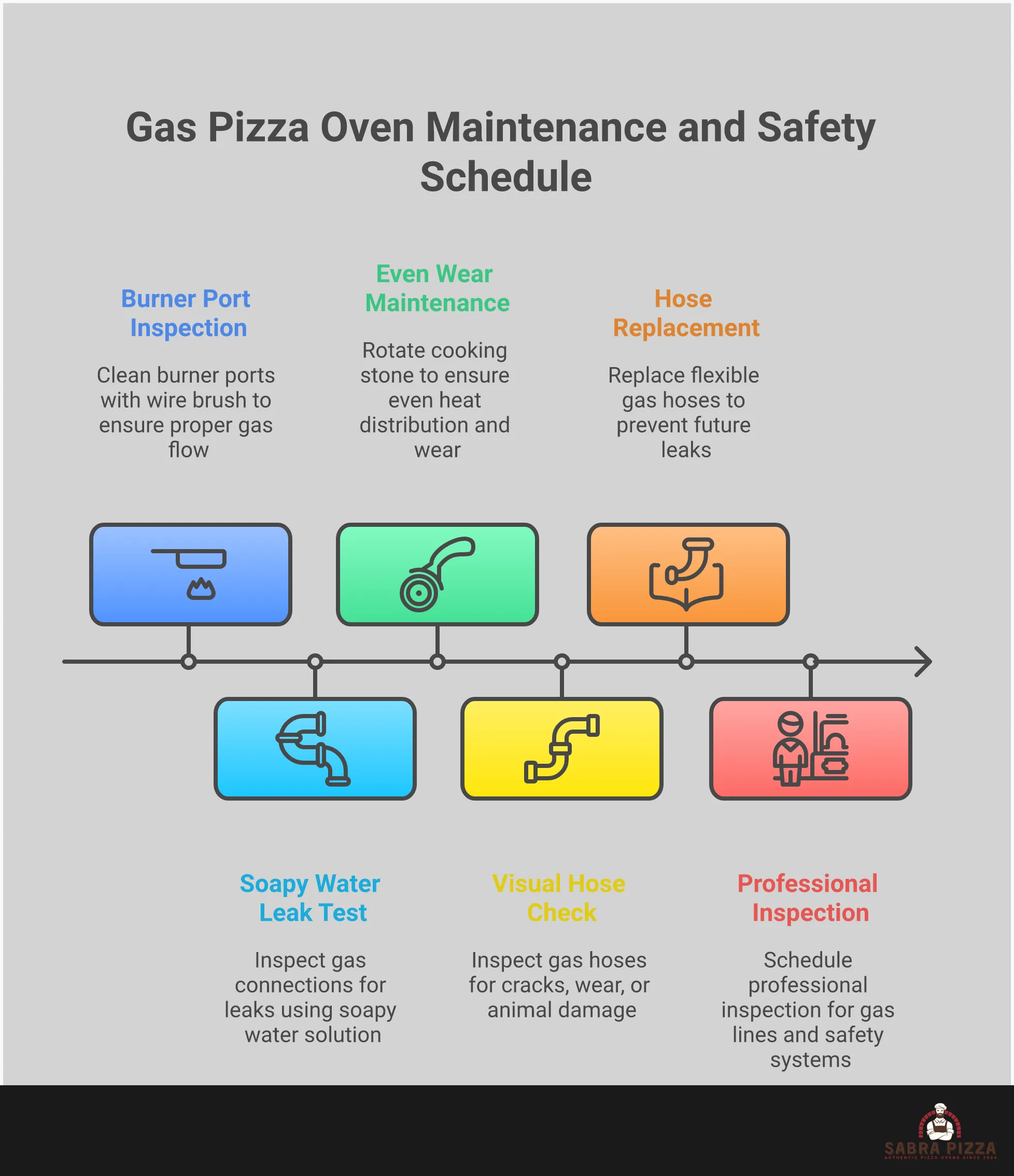
Keeping your gas oven in top shape doesn't require a lot of time, just a bit of consistency. A simple routine will prevent buildup and ensure safe, efficient operation for years. After every cook, give the stone a quick brush to remove any burnt-on food once it has cooled. On a regular basis, wipe down the exterior to keep it looking sharp. The most important task is to periodically clean the burners and surfaces to prevent any ignition problems. A wire brush can help clear any debris from the burner ports. Finally, make it a habit to visually inspect your gas hose and connections for any signs of wear or damage. A little care goes a long way.
When to Call a Pro for Service
While regular cleaning is simple enough to do yourself, some things are best left to a professional. Your safety is the top priority, and gas appliances demand respect. If you ever smell gas when the oven isn't on, or if you notice any visible damage or cracks in the gas line or burner components, it's essential to shut off the gas supply and call a qualified technician immediately. Other red flags include a flame that’s yellow and sooty instead of blue and steady, or an igniter that consistently fails to light the burner. Don't try to diagnose or fix these issues yourself; a professional will have the tools and expertise to service your appliance safely.
Caring for a Commercial vs. Residential Oven
The core maintenance for a gas pizza oven is the same whether it’s in a bustling restaurant or a quiet backyard—the main difference is frequency. A commercial oven that runs for hours every day will need daily cleaning of its surfaces and burners to handle the high volume. It will also require more frequent professional inspections to ensure it meets safety standards and can withstand constant use. Commercial kitchens also have specific ventilation and hood requirements that need regular servicing. For a residential oven used a few times a month, a less frequent but still consistent cleaning schedule is perfectly fine. Simply scale your maintenance efforts to match how often you’re firing up your oven for pizza night.
Our Top Picks: The Best Gas Pizza Oven Brands
When you start shopping for a gas pizza oven, you’ll quickly notice a few brands that stand out from the rest. These companies have earned their reputations by consistently delivering on quality, performance, and design. While there are many great options out there, we often recommend starting your search with these industry leaders. They each offer something unique, whether you’re looking for authentic Italian craftsmanship, sleek modern design, or on-the-go convenience.
Alfa Forni: The Italian Standard
If you want an oven that embodies the soul of Italian pizza making, look no further than Alfa Forni. As the country's #1 retailer of their ovens, we can tell you firsthand that they are the gold standard. Handcrafted in Italy, Alfa Forni ovens are engineered for incredible heat retention and performance, giving you that perfect Neapolitan-style pizza with a crispy, leopard-spotted crust. They are as beautiful as they are powerful, making a stunning centerpiece for any outdoor kitchen. An Alfa is more than an appliance; it’s an investment in authentic flavor and timeless quality that will last for years.
Gozney: Modern Design and Performance
Gozney has made a name for itself by combining professional-grade performance with a sleek, modern aesthetic that appeals to design-conscious homeowners. These ovens are incredibly versatile, with many models offering hybrid fuel capabilities, so you can enjoy the ease of gas or the classic flavor of wood-fired cooking. Gozney’s thoughtful design extends to their wide range of pizza-making accessories, from peels to dough trays, helping you perfect every step of the process. They are a fantastic choice for anyone who values both high performance and a contemporary look in their outdoor cooking space.
Ooni: Portable and Powerful
For those who want incredible pizza without committing to a large, stationary oven, Ooni is the perfect solution. This brand revolutionized the home pizza market with its compact, powerful, and affordable models. Ooni ovens are known for their portability, making them ideal for camping trips, tailgating, or simply moving around your backyard. Despite their smaller size, they pack a serious punch, reaching temperatures over 900°F in minutes. This allows you to cook a delicious, flame-cooked pizza in about 60 seconds. Ooni makes it easy for anyone to get started with high-heat pizza making.
Top Choices for Commercial Use
Running a food business requires an oven built for volume, consistency, and durability. While residential ovens are fantastic for home use, a commercial setting demands equipment that can handle the constant workflow of a professional kitchen. When choosing a commercial pizza oven, you’ll need to consider factors like output capacity, recovery time, and the type of pizza you plan to serve. Brands like Bakers Pride and Blodgett are staples in the restaurant industry, known for their reliability and ability to produce perfect pizzas, one after another, even during the busiest dinner rush.
Related Articles
- 5 Best Natural Gas Pizza Ovens for Home (2025)
- 5 Best Built-In Gas Pizza Ovens For Sale in 2025
- 10 Best Gas Patio Pizza Ovens Reviewed for 2025
- 5 Best Natural Gas Pizza Ovens for Pros
Frequently Asked Questions
Will my pizza taste as good as it does from a wood-fired oven? This is the big question, and the honest answer is yes, it will be fantastic. The real secret to a perfect, crispy-chewy crust is incredibly high heat, which premium gas ovens deliver beautifully. While wood can add a subtle smoky flavor, many find the difference is minimal. What you gain with gas is incredible consistency and control, which means you can produce amazing pizza every single time without the hassle of managing a live fire.
How difficult is it to set up a new gas pizza oven? Setup really depends on the model you choose. Many portable and countertop ovens are practically ready to go right out of the box—you just need to place the cooking stone inside and connect your propane tank. Larger, more permanent models might require some simple assembly for the stand or chimney. The process is very straightforward, and the instructions are clear, so you can expect to be cooking in no time.
Can I use my gas pizza oven for more than just thin-crust pizza? Absolutely. While they excel at high-heat Neapolitan-style pizza, the precise temperature control of a gas oven makes them incredibly versatile. You can easily lower the heat to bake thicker Sicilian or Detroit-style pies, which require a longer, slower bake. They are also perfect for roasting vegetables, searing steaks in a cast-iron pan, baking bread, and so much more. Think of it as a powerful outdoor oven, not just a pizza maker.
How long will a standard propane tank last? A standard 20-pound propane tank will fuel many hours of cooking. The exact time depends on your oven's power and the temperatures you're cooking at, but you can generally expect it to last for several pizza nights. The quick heat-up time of a gas oven is very efficient, so you aren't wasting fuel waiting for it to get hot. For a permanent setup, connecting to a natural gas line is a great option for an endless supply.
Do I need to buy a lot of special accessories to get started? You only need a few key tools to make great pizza. The most important is a good pizza peel for launching your pizza into the oven and retrieving it. An infrared thermometer is also extremely helpful for making sure your cooking stone is at the perfect temperature before you start. Beyond that, things like a turning peel and a wire brush for cleaning are nice to have but not essential for your first cook.