

There’s nothing more disappointing than pulling a beautiful, bubbly pizza from the oven only to discover it has a soft, soggy bottom. This common problem happens when a cooking surface, like a metal pan, traps moisture and can’t deliver the intense, even heat needed for a perfect crust. The solution is simpler than you think. This is where ceramic pizza stones come in, acting as a powerful, portable brick oven floor. Their porous nature wicks moisture away from the dough while their ability to retain and radiate heat ensures a powerful, consistent bake from below. This guide will show you how this single tool can eliminate soggy crusts forever.
Key Takeaways
- Master the Perfect Crust: A ceramic stone's success comes from its ability to hold intense, even heat while its porous surface pulls moisture away from the dough, guaranteeing a crispy, never-soggy bottom.
- Prioritize Size and Thickness When Buying: Before you purchase a stone, measure your oven to ensure a proper fit with an inch of airflow on all sides, and choose one that's at least ⅝-inch thick for superior heat retention.
- Follow Two Simple Rules for a Long Life: Always place your stone in a cold oven and preheat them together to prevent cracking, and never use soap for cleaning—a simple scrape is all it needs to build a natural, non-stick surface.
What is a Ceramic Pizza Stone? (And Why You Need One)
If you’ve ever wondered how pizzerias get that perfectly crisp, evenly-browned crust, the secret often lies in the cooking surface. A ceramic pizza stone is a flat, porous slab designed to replicate the floor of a traditional brick oven right in your own kitchen or backyard. It absorbs and holds a tremendous amount of heat, creating a searingly hot surface that cooks your pizza quickly and evenly.
Think of it as the ultimate upgrade from a flimsy metal baking sheet. While a metal pan heats up fast, it can also create hot spots and steam the bottom of your dough, leading to a soggy, disappointing crust. A ceramic stone, on the other hand, provides a stable, dry heat that is essential for achieving that coveted crispy-chewy texture. Whether you're using a conventional oven, a grill, or one of our premium outdoor pizza ovens, a ceramic stone is a game-changing tool for any serious home pizza maker. It’s the most direct path to transforming good homemade pizza into a great one.
Get Even Heat for a Perfect Cook
The magic of a ceramic pizza stone lies in its ability to manage heat. Ceramic is excellent at absorbing and radiating heat in a slow, steady, and even manner. When you preheat the stone properly, it becomes a uniformly hot surface that eliminates the hot spots common with metal pans. This means your pizza cooks consistently from the edge to the center, preventing burnt sections next to undercooked, doughy spots. A quality pizza stone works by getting very hot and staying hot, much like a professional pizza oven. This thermal stability ensures that even after you place a cool pizza dough on its surface, the stone maintains its temperature, delivering a powerful blast of heat right where it's needed most.
Achieve That Crispy, Brick-Oven Crust
The number one reason to use a ceramic stone is to get that signature crispy crust. The stone accomplishes this in two ways. First, its high heat immediately begins to cook the dough, creating a phenomenon known as "oven spring" that results in a light, airy interior. Second, and just as important, is the porous nature of the ceramic. This porosity allows the stone to absorb moisture from the surface of the dough. By wicking away that excess water, the stone effectively dries out the bottom of the crust as it bakes, turning it wonderfully crisp and golden brown instead of limp and steamy. It’s this combination of intense, direct heat and moisture absorption that mimics a true brick oven floor.
Enjoy Lighter Weight and Easier Handling
When you're working with extremely hot cooking surfaces, ease of handling is a major plus. Compared to alternatives like cast iron or thick pizza steels, ceramic stones are significantly lighter. This makes moving the stone in and out of a hot oven a much simpler and safer task. You get the incredible heat retention needed for a perfect bake without the unwieldy weight of a solid slab of metal. This balance of performance and practicality makes ceramic an ideal choice for home cooks. You can easily position it on your oven rack or grill grates, and storing it is less of a hassle. It’s a user-friendly option that doesn't compromise on the results you’re looking for.
Choosing Your Material: Ceramic vs. The Competition
When you start shopping for a pizza stone, you’ll quickly realize there are a few different materials to choose from. While we’re partial to ceramic for its incredible performance, understanding how it compares to other options will help you feel confident you’re making the right choice for your kitchen. Each material has its own personality and brings something different to the pizza-making party. Let’s look at how ceramic stacks up against steel, cast iron, and its close cousin, cordierite.
Ceramic vs. Steel
Think of ceramic as the seasoned artist and steel as the powerhouse. A ceramic stone heats evenly, drawing moisture from the dough for a uniformly crisp crust. It’s also much lighter than a pizza steel, making it easier to handle, but it can break if dropped. A pizza steel is a virtually indestructible slab of metal that conducts heat much faster, meaning quicker cook times. This intensity can make it easier to scorch your crust if you’re not watching closely. Steel is great for experienced cooks, while ceramic offers a more forgiving baking experience.
Ceramic vs. Cast Iron
Cast iron is the rugged, versatile workhorse of cookware. Like ceramic, it holds heat exceptionally well for a fantastic crust. Its biggest advantage is versatility—you can use a cast iron pan on the grill, in the oven, or over a campfire. It’s incredibly tough, but it requires regular seasoning and maintenance to prevent rust. Ceramic is much lower maintenance; just scrape it clean. If you want a dedicated, simple tool for pizza, ceramic is the way to go. If you love a multi-purpose tool and don’t mind the upkeep, cast iron is a solid contender.
Ceramic vs. Cordierite and Natural Stone
This comparison is a bit more technical, as cordierite is a type of engineered ceramic. While a basic ceramic stone is made from clay, a cordierite stone is engineered to be extremely durable and resistant to thermal shock, making it far less likely to crack. The trade-off is that cordierite often requires a longer preheating time—at least 30 minutes. Many of the best pizza stones on the market are made from cordierite because it combines the baking properties of ceramic with added strength. When you see "ceramic," check if it's a cordierite blend for extra durability.
What to Look For When Buying a Ceramic Stone
You're ready to get a ceramic pizza stone—great choice! But before you buy, know that a few key details make all the difference between a perfectly crisp crust and a soggy bottom. Thinking about these factors will help you invest in a stone that becomes a trusted part of your pizza-making toolkit. We'll look at three main things: getting the size and thickness right, understanding its heat tolerance, and checking the overall build quality.
Find the Right Size and Thickness
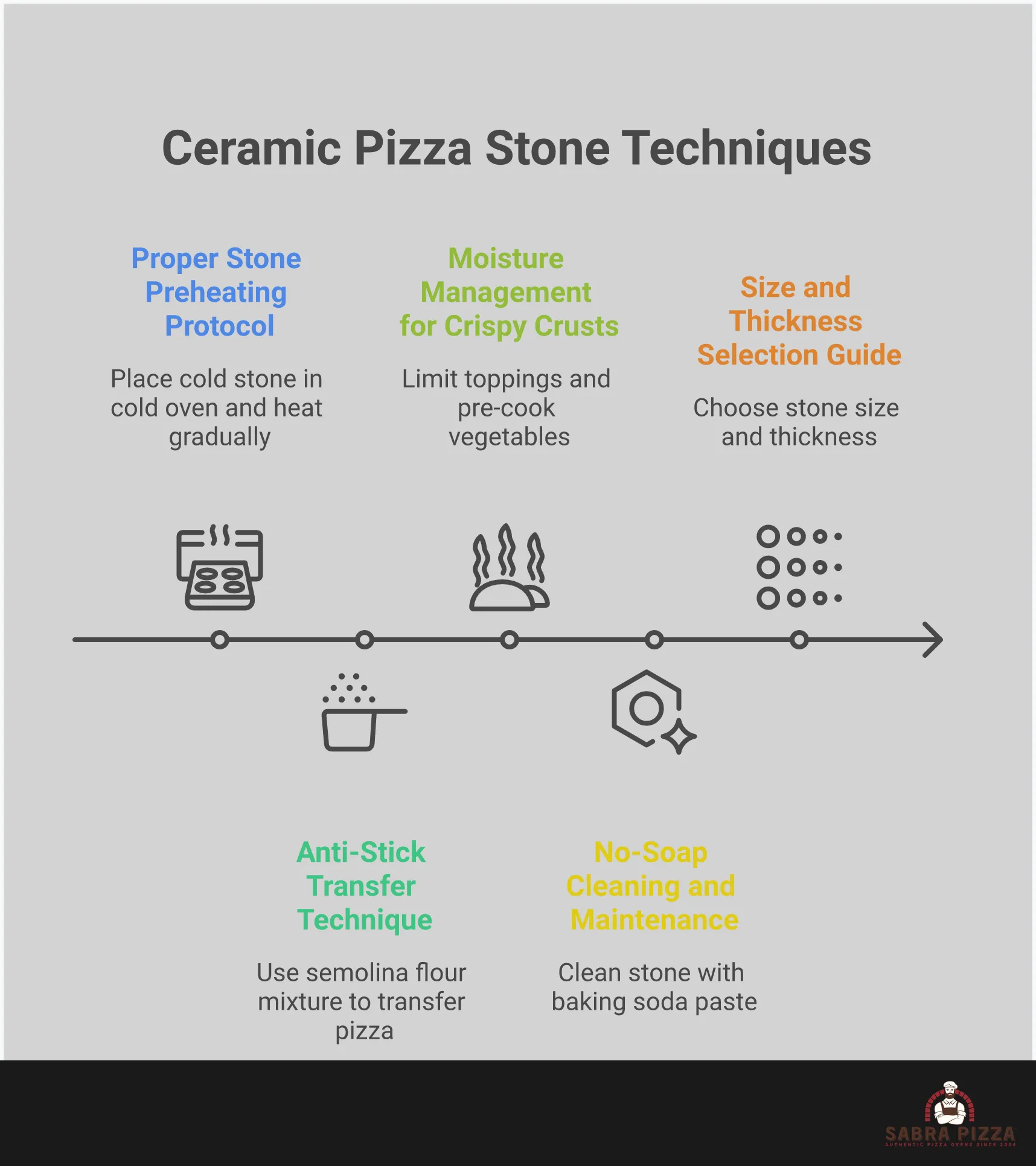
First things first: measure your oven. It’s the most important step. The goal is to get the biggest stone that will comfortably fit, leaving an inch or two of clearance on all sides for air to circulate. A larger surface gives you more room to work. When it comes to thickness, a stone that’s at least ⅝-inch thick will hold heat incredibly well, which is key for a crispy crust. It will take longer to preheat, but the results are worth it. Also consider the shape—while round stones are classic, a rectangular one is more versatile for baking bread or larger pizzas.
Check the Max Temperature Rating
Your pizza stone needs to handle the heat. Most quality ceramic stones are rated for at least 600°F, but always confirm the manufacturer's maximum temperature. This is especially important if you're using a high-performance outdoor pizza oven that reaches scorching temperatures. To get that perfect bake, the stone must be incredibly hot. The safest way to do this is to place the stone in a cold oven and let them preheat together for at least an hour. This gradual change prevents thermal shock, which can cause a stone to crack. Never put a cold stone into a hot oven.
Inspect the Surface and Build Quality
When your new stone arrives, give it a quick inspection. Check for any hairline cracks, as these can worsen with heat over time. A quality stone should feel solid and have a slightly porous, unglazed surface. This texture is your secret weapon; it pulls moisture from the dough, helping you achieve a perfectly crisp bottom. A properly heated stone is also the best defense against sticking. To help it out, use a good quality pizza dough that won't tear easily and resist the urge to go overboard with wet toppings, which can make your pizza soggy no matter how great your stone is.
Our Top Picks for Ceramic Pizza Stones
After countless hours of testing and tasting, we’ve found that not all ceramic stones are created equal. The right one can truly transform your homemade pizza from good to unforgettable. It’s all about finding a stone that fits your oven, your cooking style, and your quest for the perfect crust. Whether you're firing up a dedicated outdoor oven or using your kitchen grill, one of these top-tier ceramic stones is sure to become your new best friend on pizza night. We’ve selected these based on their heat performance, durability, and user-friendly features, so you can spend less time worrying and more time enjoying that perfect slice.
Sabra Pizza's Premium Selection
As experts in all things pizza, we’ve curated a collection of what we believe are the best tools for the job. Our selection of ceramic pizza stones is chosen to complement our premium ovens, ensuring you get a flawless bake every time. We focus on stones that offer superior heat distribution and durability, so you can achieve that signature crispy-on-the-outside, chewy-on-the-inside crust. Because our inventory is always being updated with the best new products, we invite you to explore our current collection of pizza oven accessories to find the perfect stone for your setup. You can trust that anything we carry has been vetted to meet the highest standards of quality and performance.
Emile Henry
If you’re looking for a versatile workhorse, the Emile Henry stone is a fantastic choice. Made in France from Burgundian clay, it heats evenly and can handle the intense heat of an open flame, making it perfect for your grill, oven, or even under the broiler. One of its best features is the integrated handles, which make moving a hot pizza from the grill to the table much safer and easier. According to testing from The Spruce Eats, you can also cut your pizza directly on its glazed surface without causing damage. Best of all, it’s dishwasher-safe, making cleanup an absolute breeze.
Unicook
For those who love pushing their ovens to high temperatures, the Unicook pizza stone is a standout. It’s crafted from cordierite, a durable material that can withstand thermal shock and extreme heat up to 1,450°F. This makes it an ideal partner for high-performance smokers, grills, and outdoor pizza ovens. The stone’s porous nature is excellent at drawing moisture away from the dough, which is the secret to achieving a perfectly crisp, never-soggy bottom crust. Its thermal stability ensures your pizza cooks evenly from the center to the edges, giving you consistent, professional-quality results with every bake.
Pizzacraft
Pizzacraft has built a solid reputation for creating reliable pizza accessories, and their ceramic stones are no exception. These stones are specifically designed to hold and distribute heat incredibly well, which is essential for getting that quick, high-heat bake that produces a light, airy crust with a satisfying crunch. A Pizzacraft stone is a great option if you’re focused on consistency. It’s engineered to withstand high temperatures without cracking, ensuring it will be a durable part of your pizza-making toolkit for years to come. It’s a straightforward, no-fuss stone that simply delivers a fantastic crust every single time.
How to Use Your Ceramic Pizza Stone
Getting that perfect, crispy-on-the-bottom, chewy-in-the-middle pizza crust at home is an art, and your ceramic stone is the canvas. But just owning one isn't enough—using it correctly is what separates a good pizza from a great one. Think of it less like a baking sheet and more like a portable brick oven floor. With the right technique, you can consistently produce pizzeria-quality pies right from your own kitchen or outdoor oven. Let's walk through the three key steps: preheating, prepping, and cooking. Master these, and you'll be the designated pizza maker for every gathering.
Preheat Your Stone Correctly
Patience is the most important ingredient here. To get that signature crust, your stone needs to be screaming hot. Start by placing your cold ceramic stone on the bottom rack of a cold oven. Never put a cold stone into a hot oven. Then, turn the oven up to its highest temperature—usually around 500-550°F—and let the stone preheat for at least 45 minutes to an hour. This slow and steady heat absorption is essential for two reasons: it prevents the stone from cracking due to thermal shock, and it stores enough heat to instantly cook the dough, creating that coveted crispy bottom.
Prep and Transfer Your Dough Like a Pro
Here’s a tip that will save you a lot of frustration: prepare your pizza on a lightly floured countertop, not directly on the pizza peel. The less time your dough sits on the peel, the less likely it is to stick. When you’re ready to transfer, generously dust your pizza peel with a 50/50 mix of regular flour and semolina. The coarser semolina acts like tiny ball bearings, helping the pizza slide effortlessly onto the hot stone. Give the peel a little shake to make sure the pizza moves freely before you approach the oven. A confident, quick shimmy is all it takes to launch your pizza perfectly onto the center of the stone.
Nail the Placement and Cooking Time
For the best results in a conventional oven, always place your stone on the lowest rack. This position is closest to the heating element, making it the hottest spot and best replicating the intense bottom heat of a true pizza oven. Once your pizza is on the stone, it will cook quickly. A classic Neapolitan-style pizza at a high temperature can be done in as little as five to six minutes. Keep an eye on it—you’ll know it’s ready when the cheese is bubbly, the crust is golden brown with a few charred spots, and the bottom is crisp when you lift an edge with a spatula.
Common Mistakes to Avoid
A ceramic pizza stone is a game-changer, but a few common missteps can stand between you and pizza perfection. Think of these less as "rules" and more as pro tips to help you get the most out of your stone from day one. Avoiding these simple mistakes will protect your investment and ensure every pizza you make is better than the last.
Prevent Cracking from Temperature Shock
This is the golden rule of pizza stone care. Ceramic is tough, but it hates sudden, extreme temperature changes—a phenomenon known as thermal shock. Placing a cold stone into a screaming hot oven or pulling a hot stone out and setting it on a cool countertop is a recipe for a crack. To keep your stone in one piece for years, always place it in a cold oven and let them preheat together. When you’re done baking, just turn the oven off and let the stone cool down completely inside. It requires a little patience, but this simple habit is the best way to protect your cookware from damage.
Never Use Soap to Clean Your Stone
I know it feels counterintuitive, but please, step away from the dish soap. Your ceramic pizza stone is porous, like a sponge. When you wash it with soap, the stone absorbs the soapy flavor and will generously pass it on to your next pizza—and nobody wants a pepperoni and lavender-scented slice. Instead of suds, let the stone cool completely and then use a bench scraper or a stiff, dry brush to remove any baked-on bits. A little staining is normal and even desirable; it’s a sign of a well-seasoned stone. Think of it as a badge of honor from all the delicious pizzas you’ve made.
Don't Overload Your Pizza
It’s tempting to pile on all your favorite toppings, but a "less is more" approach is key for a crispy crust. Overloading your pizza introduces a lot of excess moisture, which turns to steam in the oven. This steam works against your hot stone, making it difficult to achieve that perfect, crunchy base and often resulting in a soggy center. A heavily loaded pizza is also much harder to slide off the peel. Stick to a few high-quality toppings and a light layer of sauce. This allows the heat to cook the pizza dough evenly and lets the flavor of each ingredient shine through.
How to Clean and Care for Your Stone
Your ceramic pizza stone is a workhorse in the kitchen, but it does need a little TLC to keep it performing at its best for years to come. Proper cleaning and care aren't just about hygiene; they're about preserving the stone's integrity and ensuring every pizza you make has that perfect, crispy crust. The good news is that caring for your stone is incredibly simple. It’s less about scrubbing and more about knowing what not to do. Forget harsh chemicals or intense cleaning sessions. The best approach is a gentle one that respects the porous nature of the ceramic and allows it to build up a natural seasoning over time. Think of it like caring for a cast-iron skillet—the more you use it, the better it gets, as long as you follow a few basic rules. A well-maintained stone is an investment that pays off with countless delicious, restaurant-quality pizzas right from your own oven.
Clean Your Stone Safely (Without Soap)
This is the golden rule of pizza stone care: never, ever use soap. Because ceramic is porous, it can absorb the soap, and no one wants their next margherita pizza to have a soapy aftertaste. Instead, you’ll want to stick with natural cleaning methods that clean effectively without leaving behind unwanted flavors or residues. Water and a little bit of scraping are all you really need. If you have some baked-on cheese or sauce, a simple paste of baking soda and water can help lift the stain without harming the stone. Just remember to rinse it thoroughly with plain water afterward and let it dry completely before its next use.
Scrape Away Stubborn Stains and Residue
The best time to deal with any spilled cheese or toppings is right after you’ve pulled your pizza from the oven. While the stone is still hot, carefully use a metal spatula or a grill brush to scrape off stubborn stains and any food residue. The heat helps loosen everything up, making it much easier to remove than if you wait until it’s cooled and hardened. Of course, be extremely careful when working with a hot stone. Use oven mitts and long-handled tools to keep a safe distance. This quick scrape-down is usually all the cleaning your stone needs after each use, keeping the surface ready for your next pizza night.
Store Your Stone for a Long Life
To ensure the longevity of your pizza stone, always let it cool down completely inside the oven. Taking a hot stone out and exposing it to cool air or, even worse, cool water, can cause thermal shock and lead to cracks. Patience is key here. Once it’s fully cool, you can give it a final wipe-down and store it. Many people just leave their stone in the oven, as it can help regulate temperature for other types of baking. Don’t be alarmed as your stone develops dark spots and stains over time. This is a natural "patina" that shows it’s been well-loved, and it actually improves the stone's non-stick properties and performance.
Finding the Right Ceramic Pizza Stone for You
Okay, you're sold on getting a ceramic pizza stone. Now comes the fun part: picking the one that’s perfect for you. This isn't a one-size-fits-all situation. The right stone for your kitchen depends on your cooking style, how often you plan to make pizza, and of course, your budget. Think of it as an investment in countless delicious, crispy-crusted pizzas to come. A great stone can last for years with the right care, so it’s worth taking a moment to consider your options.
When you start looking, you'll see a wide range of prices and brands. Don't let that overwhelm you. The key is to find the sweet spot between quality and cost. A higher price tag often means better materials and craftsmanship, which translates to superior heat retention and durability. We'll walk through where to find reputable stones, how to snag a good deal, and how to align your choice with your budget. Whether you're a casual Friday-night pizza maker or a dedicated culinary enthusiast aiming for pizzeria-level results in your outdoor pizza oven, there's a ceramic stone out there with your name on it.
Where to Shop for Quality Stones
When you're ready to buy, it's best to shop at places that specialize in quality cookware. Retailers who focus on culinary tools tend to curate better products and can offer expert advice. A great place to start is with brands known for their ceramic craftsmanship. For example, Emile Henry has a fantastic reputation and offers a variety of stones designed specifically for home pizza making. You can also find excellent options at specialty kitchen stores or right here at Sabra Pizza, where we select only the best pizza oven accessories to complement our premium ovens. Look for brands with a history of quality and positive customer reviews.
When to Look for Sales and Promotions
Who doesn't love a good deal? Investing in a quality stone doesn't always mean paying full price. Keep an eye out for seasonal sales and promotions, especially around major holidays or the start of grilling season. Signing up for newsletters from your favorite cookware brands is a smart move, as you'll be the first to know about discounts. Some companies occasionally offer "second" quality items at a significant discount. These stones might have minor cosmetic blemishes that don't affect their performance at all, giving you top-tier quality for less. It's a fantastic way to get a premium product without stretching your budget.
Match a Stone to Your Budget
Ceramic pizza stones come in a wide range of prices, so you can definitely find one that fits your budget. You might see smaller, individual stones starting around $40, while larger, premium glazed stones can go for well over $150. The price difference usually comes down to size, thickness, material quality, and brand name. Before you buy, think about how you'll use it. If you're making pizza every week, investing in a more durable, high-end stone makes sense. If it's for occasional use, a more budget-friendly option will still give you great results. The goal is to find the best stone you can comfortably afford.
Related Articles
- Pizza Oven Stainless Steel: A Buyer's Guide
- The 5 Best Pizza Ovens with a Pizza Stone
- 5 Best Stainless Steel Pizza Ovens for 2025
- 5 Best Stainless Steel Outdoor Pizza Ovens (Tested)
Frequently Asked Questions
Why is my pizza sticking to the stone? Sticking is almost always caused by one of two things: your dough is too wet, or it sat on the pizza peel for too long before you launched it. To fix this, make sure your peel is generously dusted with a mix of flour and semolina; the semolina acts like tiny ball bearings. Also, try to assemble your pizza quickly and get it into the oven right away. A confident, swift motion when sliding the pizza onto the stone is your best friend.
Do I really have to preheat the stone for a full hour? Yes, and it’s probably the most important step for getting a fantastic crust. The goal isn't just to get the stone hot, but to let it absorb and store a massive amount of thermal energy. This stored heat is what instantly sears the bottom of the dough, creating that perfect oven spring and crispy texture. Cutting the preheat time short will leave you with a crust that’s good, but not great.
My stone is getting dark and stained. Is that normal? Absolutely. A stained, discolored stone is a sign of a well-loved and well-used tool. Think of those marks as a seasoning, similar to a cast-iron skillet. Over time, this natural patina will actually improve the stone's non-stick properties. Just scrape off any physical bits of food after use and remember to never use soap, which can soak into the stone and affect the taste of your food.
Can I cook a frozen pizza on my ceramic stone? You should avoid placing a frozen pizza directly onto a hot stone. The extreme temperature difference between the frozen pizza and the preheated stone can cause thermal shock, which will likely crack your stone. If you want to cook a frozen pizza, it's best to let it thaw first or simply use a regular baking sheet as instructed on the packaging.
Can I use my pizza stone for anything besides pizza? Of course! A ceramic stone is a fantastic tool for all kinds of baking. It’s perfect for making rustic, artisan-style breads with a wonderfully crisp crust. You can also use it for baking calzones, flatbreads, or even roasting vegetables. Anything that benefits from a powerful, steady heat from below will cook beautifully on your stone.