

After two decades of helping people find their perfect pizza ovens, we’ve learned what truly matters. We’ve seen countless models come and go, and we know which ones stand the test of time. This isn’t just another list compiled from the internet; it’s a curated selection based on our hands-on experience and feedback from thousands of happy customers. We’ve focused on ovens that deliver consistent, professional-grade results, whether you’re a seasoned chef or just starting out. Let us share our expertise so you can choose the best residential wood fired pizza oven with complete confidence, knowing it’s backed by years of industry knowledge.
Key Takeaways
- Heat retention is the real performance metric: A great oven doesn't just get hot; it stays hot. Look for quality insulation and materials, as this is what ensures a perfectly cooked crust and gives you the versatility to bake or roast using residual heat.
- Define your pizza-making goals first: Before you shop, decide if you prioritize authentic wood flavor, push-button convenience, or the flexibility of a portable model. Knowing how you'll use the oven makes choosing the right one simple.
- Invest in the right tools and practice: The oven is only half the equation. Essential gear like a pizza peel and a protective cover, combined with learning the rhythm of managing a fire, are what will truly help you master the craft of wood-fired pizza.
Our Top 8 Picks for Residential Wood-Fired Pizza Ovens
Choosing the right wood-fired pizza oven is a big decision. It’s not just an appliance; it’s the new heart of your backyard, the centerpiece for gatherings, and your ticket to making unforgettable food. With so many options out there, it can be tough to know where to start. That’s why we’ve done the heavy lifting for you. We’ve spent countless hours researching, comparing, and drawing on our two decades of experience to curate this list of the absolute best residential ovens available.
Our selections are based on what matters most: performance, build quality, ease of use, and overall value. We looked for ovens that can reach and maintain the scorching-hot temperatures needed for a perfect Neapolitan-style pizza, but that also offer the versatility to roast vegetables, bake bread, or sear a steak. We prioritized durable materials and smart design because we believe a pizza oven should be a long-term investment in your culinary adventures. Whether you’re a seasoned pro looking for an authentic Italian-made masterpiece or a beginner searching for a user-friendly model to get started, you’ll find an option here that fits your space, budget, and cooking style. Let’s explore the wood-fired pizza ovens that made our final cut.
Alfa Forni Nano Wood Fired Pizza Oven
If you’re looking for an oven that combines stunning Italian style with serious cooking power, the Alfa Forni Nano is a showstopper. As the country's #1 retailer of Alfa Forni, we can tell you this brand knows what it’s doing. The Nano is a perfect example of their craftsmanship. It’s large enough to cook two pizzas at once, making it ideal for hosting friends and family. What really sets it apart is its versatility; you can fuel it with wood, charcoal, or even convert it to gas. This flexibility means you can get that authentic wood-fired flavor one night and opt for the convenience of gas the next. It delivers consistently excellent results and will instantly become the focal point of your outdoor kitchen.
Palazzo Wood Fired Pizza Oven
For those who value American craftsmanship and want an oven built to last a lifetime, the Palazzo is an incredible choice. Designed and manufactured in the USA, this oven is a testament to quality construction. The most impressive feature is its special lifetime guarantee on the brick dome's structure and performance. That’s a level of confidence you don’t see every day, and it gives you complete peace of mind in your investment. The Palazzo is more than just an oven; it’s a permanent fixture for your home, promising decades of delicious, wood-fired meals. It’s perfect for the homeowner who is building their dream outdoor living space and wants a reliable, high-performance oven at its core.
Pizza Party Emozione
Imported directly from Italy, the Pizza Party Emozione is engineered for one thing: creating authentic Neapolitan pizza at lightning speed. This oven is a powerhouse, featuring a strong burner and a spacious cooking surface lined with true Biscotto stones. These special stones are key to achieving that classic soft, chewy crust with the perfect amount of char, all in about 60 seconds. If your goal is to replicate the pizza you’d find in Naples, this is the oven to do it with. It’s designed for enthusiasts who are passionate about the craft and want a no-compromise tool to perfect their technique. The Emozione brings the heart of an Italian pizzeria right to your backyard.
Ooni Karu 16 Multi-Fuel Pizza Oven
The Ooni Karu 16 is all about giving you options without sacrificing performance. This oven’s multi-fuel capability is a game-changer, allowing you to cook with wood or charcoal for authentic flavor or attach a gas burner for convenience. It’s designed with a wide opening and a tall interior, which promotes airflow and helps pizzas cook incredibly evenly. One of its most user-friendly features is the integrated digital thermometer, which displays the internal ambient temperature so you can launch your pizza with confidence. The Karu 16 is a fantastic all-arounder, making it a great fit for both beginners who appreciate the helpful features and experienced cooks who want the flexibility to experiment with different fuels and recipes.
Gozney Dome Wood Fired Pizza Oven
The Gozney Dome is a masterclass in design and engineering, built for the home chef who is serious about pizza. This oven is incredibly versatile, capable of producing amazing Neapolitan pizzas in under a minute while also having the temperature control to bake a perfect New York-style pie. The build quality is exceptional, with a ceramic-bonded outer casing and dense insulation that ensures fantastic heat retention. It’s not just a powerful cooking tool; its sleek, professional look makes it a statement piece in any outdoor setting. If you’re looking for a residential oven that delivers professional-grade results and looks incredible doing it, the Gozney Dome is in a class of its own.
Solo Stove Pi Prime Wood Fired Pizza Oven
Proving that you don’t have to break the bank to make incredible wood-fired pizza, the Solo Stove Pi Prime delivers performance that rivals much more expensive ovens. It’s a fantastic entry point into the world of pizza making, offering a user-friendly experience at an accessible price point. The Pi Prime features a wide opening that makes it easy to launch and turn your pizzas, and it can reach cooking temperatures in about 20 minutes, turning out perfectly cooked pies in around 90 seconds. This oven is ideal for anyone who has been curious about wood-fired cooking but felt intimidated by the cost or complexity. It makes getting started simple, fun, and affordable.
Fontana Forni Margherita Wood Fired Pizza Oven
Fontana Forni has been a leader in Italian-made ovens for decades, and the Margherita is a perfect example of their expertise. This oven is celebrated for its quick heat-up times and incredible efficiency, thanks to its high-quality stainless steel construction and heavy-duty insulation. It’s a portable powerhouse that you can place on a countertop or an optional cart, giving you flexibility in your setup. To keep this beautiful oven performing at its best for years, you’ll want to follow a simple maintenance routine. Proper pizza oven care ensures your investment remains clean and ready for every pizza night, reducing any risk of flavor transfer from old ingredients.
Mugnaini Piccolo Wood Fired Pizza Oven
The Mugnaini Piccolo brings true Italian authenticity to your home. These ovens are renowned for their traditional materials and design, providing an unmatched cooking experience. The Piccolo is one of their more compact models, making it a great fit for residential patios and backyards. It’s built to be the centerpiece of a custom outdoor kitchen. A key part of owning an authentic oven like this is simple, regular upkeep. Proper maintenance starts with keeping the pizza stone and interior clean. After each use, once the oven has completely cooled, you just need to brush away any leftover food debris to have it ready for your next culinary creation.
What Defines a Great Wood-Fired Pizza Oven?
When you start shopping for a wood-fired pizza oven, you’ll quickly realize they aren’t all created equal. The difference between a good oven and a great one comes down to a few key principles of design and engineering. A truly exceptional oven is more than just a box that holds a fire; it’s a finely tuned instrument designed for one thing: creating incredible food. It’s about achieving blistering temperatures, holding that heat for hours, and cooking your pizza evenly from top to bottom. The best ovens combine smart material choices with thoughtful design to create a cooking environment that’s both powerful and predictable. From the shape of the dome to the thickness of the insulation, every element plays a role in the final result. A great oven gives you control and consistency, so you can focus on the fun part—making delicious pizza—instead of fighting with your equipment. Let’s look at the core qualities that separate the best from the rest.
High Temperatures and Solid Heat Retention
The secret to that perfect, crispy-chewy Neapolitan pizza crust is intense heat. A great wood-fired oven can reach temperatures of 900°F or higher, something your indoor kitchen oven simply can’t do. This searing heat cooks a pizza in as little as 90 seconds, creating the signature "leopard spotting" on the crust without drying out the toppings. But getting hot is only half the battle. The best ovens are designed to hold that heat exceptionally well, thanks to thick insulation and quality refractory materials. This means you’ll use less wood and the oven stays hot enough to bake bread or roast meats long after the fire has died down.
The Right Size Cooking Surface
When it comes to the cooking surface, or "deck," size and proportion are everything. You need enough space to manage your fire and comfortably fit your pizza, with room to maneuver it. If the oven is too small, the fire will be too close to your food, leading to uneven cooking. If it’s too large for your needs, you’ll burn through more wood than necessary just to heat the space. The key is finding a balance. You should be able to maintain a fire on one side while leaving plenty of hot deck space for the pizza itself, ensuring the cooking area gets properly heated.
Built to Last: Quality and Materials
A premium wood-fired oven is a real investment in your outdoor kitchen, so it needs to be built to last. Look for ovens constructed from high-quality materials like refractory brick, high-grade stainless steel, and multiple layers of ceramic fiber insulation. These materials are designed to withstand extreme temperature changes without cracking or degrading over time. Some manufacturers are so confident in their construction that they offer a lifetime guarantee on the oven’s dome. Of course, proper care is also essential. Following a simple maintenance routine, like keeping the pizza stone and interior clean, will ensure your oven performs beautifully for years to come.
Even Cooking: Insulation and Heat Distribution
Have you ever had a pizza with a burnt bottom but undercooked toppings? That’s usually a sign of poor heat distribution. A great wood-fired oven cooks from all directions at once. The hot floor (the deck) cooks the crust from below, while the dome absorbs heat and radiates it down onto the toppings. This combination of conductive and radiant heat is what creates a perfectly balanced pizza. Excellent insulation is crucial for this process, as it ensures the oven’s interior surfaces stay consistently hot. For a uniform bake, you’ll still need to rotate the pizza during the short cooking time, but a well-designed oven makes this process nearly foolproof.
Wood-Fired vs. Gas and Electric Ovens: What's the Difference?
Choosing the right fuel source for your pizza oven is a big decision, and it really comes down to what you value most in your cooking experience. Are you chasing that authentic, smoky flavor you can only get from a real wood fire? Or do you prioritize speed, convenience, and push-button simplicity? Each type—wood, gas, and electric—has its own distinct personality and set of benefits. Let's break down the key differences to help you find the perfect match for your backyard setup and cooking style.
The Unbeatable Flavor of Wood Fire
There's a certain romance to cooking with a live fire, and the flavor it creates is simply unmatched. Wood-fired ovens impart a unique, subtle smokiness that infuses everything from the crust to the toppings. This isn't an artificial "smoke flavor"; it's a complex taste that comes from the wood itself as it burns. Different types of hardwood like oak, maple, or fruitwoods can add their own distinct notes, giving you another layer of culinary creativity to play with. Gas and electric ovens are fantastic for consistency, but they can't replicate that authentic, rustic flavor that is the hallmark of a true Neapolitan-style pizza. For many pizza purists, this incredible taste is the number one reason to choose a wood-fired oven.
Heat-Up Times and Temperature Control
When it comes to getting your oven hot and ready, gas is the clear winner for speed. Most gas pizza ovens can reach cooking temperatures in 20 minutes or less with the turn of a knob. Wood-fired ovens, on the other hand, require a bit more patience. You'll need to build a fire and let the oven's dome and floor soak up the heat, which can take 45 minutes or more. Once they're hot, however, wood ovens excel at retaining that heat. Managing the temperature in a wood oven is also more of a hands-on art, requiring you to manage the fire to maintain a consistent heat, whereas gas ovens offer precise, steady control at the twist of a dial.
Fuel Costs and What You'll Need
Your oven's fuel is an ongoing cost, so it's worth considering what you'll need to keep on hand. For a wood-fired oven, you'll need a steady supply of dry, seasoned hardwood. The cost of wood can vary quite a bit depending on where you live and whether you're buying it by the bag or by the cord. You'll also need a dry place to store it. Gas ovens typically run on either a standard propane tank, like the one for your grill, or can be connected to your home's natural gas line. Propane is widely available and relatively inexpensive, making it a convenient and often more budget-friendly option in the long run.
How Easy Is It to Use?
If you're looking for the simplest, most straightforward experience, electric and gas ovens are the way to go. They offer simple ignition systems and precise temperature dials, removing much of the guesswork from the cooking process. There's virtually no learning curve. A wood-fired oven involves more skill and attention. You'll learn to build and manage a fire, understand how to move coals to create different heat zones, and get a feel for cooking with live flame. While this requires more practice, many owners find that mastering their wood-fired oven is an incredibly rewarding part of the experience. It turns making pizza from a simple task into a true culinary craft.
Key Features to Look For When You're Shopping
Once you’ve narrowed down your choices based on size, materials, and heat performance, it’s time to look at the finer details. These are the features that truly shape your day-to-day experience with the oven. Think of it like buying a car—the engine specs are crucial, but it’s the steering, visibility, and dashboard layout that you’ll notice every time you drive. A great pizza oven isn’t just about hitting high temperatures; it’s about how easily you can control that heat and how well the overall design works for you.
From managing airflow to deciding on a permanent backyard fixture versus a portable model you can take on the go, these practical considerations will make all the difference. We’ll walk through the key design elements and practical features that separate a good oven from a great one, ensuring you find a model that you’ll love using for years to come.
Smart Design: Doors and Chimneys
The door and chimney on a wood-fired oven are far more important than you might think. They are the primary tools for controlling airflow, which directly impacts your fire management and temperature stability. A well-designed oven will have a sturdy, well-fitting door that helps trap heat inside for efficient cooking. Look for models with adjustable vents on the door or a chimney with a damper. These features give you precise control over the oxygen supply to the fire, allowing you to easily raise or lower the temperature. A good chimney also effectively funnels smoke up and away, keeping your cooking area clear and comfortable.
Keeping an Eye on the Heat
Consistency is everything when you’re aiming for the perfect pizza, and you can’t be consistent without knowing your oven’s temperature. Most high-quality ovens come with a built-in thermometer, usually on the door or face of the oven. While these are great for getting a general idea of the ambient temperature, serious pizza makers often use a handheld infrared thermometer to measure the temperature of the cooking floor directly. This is the most accurate way to know if your stone is hot enough for that perfect crispy crust. When shopping, check for a built-in thermometer and consider investing in the right pizza oven accessories to get the most precise readings.
Portable Ovens vs. Permanent Setups
Your lifestyle and how you plan to use your oven will guide your decision between a portable or a permanent model. Portable pizza ovens are fantastic for their flexibility—you can move them around your patio, store them in the garage during winter, or even take them to a friend’s house. They tend to be smaller and heat up faster. On the other hand, a permanent, built-in oven becomes a stunning centerpiece for your outdoor kitchen. These models are typically larger, offer superior heat retention for cooking multiple dishes, and add significant value and appeal to your home. Think about whether you value flexibility or want to create a dedicated outdoor cooking destination.
Don't Forget the Warranty and Support
A premium wood-fired pizza oven is an investment, so you want to be sure it’s protected. A strong warranty is a good indicator of a manufacturer's confidence in their product’s quality and durability. Look for brands that offer comprehensive coverage on the oven dome, cooking floor, and other structural components. For example, premium brands like Alfa Forni are known for their excellent craftsmanship and solid warranties. Beyond the warranty, consider the retailer’s customer support. Having access to a knowledgeable team who can answer your questions about setup, use, and maintenance provides invaluable peace of mind.
How Do the Top Brands Compare on Price and Performance?
Once you start shopping for a wood-fired pizza oven, you’ll quickly see that prices and features can vary quite a bit. The great news is that there’s a perfect oven out there for every space and budget. The key is to understand what you’re getting for your money. Performance isn’t just about hitting high temperatures; it’s also about heat retention, fuel efficiency, and how easy the oven is to use. Some brands are known for their incredible portability, making them perfect for backyard parties or camping trips, while others are designed as stunning, permanent fixtures for your outdoor kitchen.
As you compare models, think about how you plan to use your oven. Are you looking for a quick, weeknight pizza solution or a weekend centerpiece for entertaining? Do you value the authentic flavor of a traditional Italian oven, or are you drawn to the robust engineering of an American-made model? We’ll break down some of the top contenders to help you see how they stack up in terms of craftsmanship, budget, and overall design, so you can feel confident you’re making the right investment for your home.
Italian Craftsmanship vs. American Made
The debate between Italian and American-made pizza ovens is a classic one, with both sides offering incredible quality and performance. While Italy is the birthplace of pizza, American manufacturers have introduced innovations that are hard to ignore. For example, the Palazzo wood-fired pizza oven is designed and built right here in the United States and comes with something truly unique: a lifetime guarantee on the brick dome’s structure and performance. This kind of warranty is practically unheard of in the industry and speaks volumes about the confidence in its craftsmanship. It’s a fantastic choice if you’re looking for an oven built to last a lifetime, backed by a solid promise of durability.
Finding the Right Oven for Your Budget
You don’t have to spend a fortune to get a fantastic wood-fired pizza oven. If you’re watching your budget, the Solo Pi Prime is a standout choice that performs like much pricier models. For around $350, you get an oven with a wide opening that can cook a delicious pizza in about 90 seconds. For those ready to invest a bit more, the Ooni Koda 16 Pizza Oven offers amazing value from a top-tier brand at $649. It heats up quickly for its size and is still light enough to move around, making it a versatile and reliable option for any outdoor cooking enthusiast.
Price and Performance: Portable vs. Built-In
Your lifestyle can help you decide between a portable oven and a more permanent setup. If you love hosting gatherings or want to take your pizza party on the road, a portable model is the way to go. The Gozney Roccbox is a top contender, built tough enough to handle travel while cooking pizzas in under a minute. For those looking for a more permanent fixture with maximum versatility, the Ooni Karu 2 Pro Multi-Fuel Pizza Oven is an excellent choice. At $849, it gives you the freedom to cook with charcoal, wood, or gas and even includes a digital temperature screen to help you achieve perfect results every time.
Common Myths About Wood-Fired Pizza Ovens
Wood-fired ovens have a certain mystique, don't they? They bring to mind ancient traditions, rustic Italian courtyards, and the most authentic pizza you can imagine. But that mystique sometimes comes with a few intimidating misconceptions. You might worry that they’re too slow, too complicated, or too much of a one-trick pony for your backyard.
I’m here to tell you that most of what you’ve heard is probably based on outdated ideas. Modern wood-fired ovens, especially the premium models from brands like Alfa Forni, are engineered for the modern home chef. They blend timeless cooking principles with smart design, making them far more approachable than you might think. Let’s clear the air and bust some of the most common myths so you can see just how practical and versatile these incredible ovens really are.
Myth #1: They Take Forever to Heat Up
If you’re picturing yourself starting a fire at dawn just to cook dinner, you can relax. While older, traditional brick ovens could take hours to reach temperature, today’s residential ovens are built for speed. Thanks to advanced materials like stainless steel and superior insulation, a quality oven can get screaming hot in a surprisingly short amount of time. Many models can reach temperatures of 900°F or more in under 30 minutes. That intense heat is exactly what you need to cook a perfect Neapolitan-style pizza in about 90 seconds, giving you that signature crispy, leopard-spotted crust.
Myth #2: They're Hard to Use and Maintain
Let’s be honest: managing a live fire is a skill. But it’s a fun and incredibly rewarding one to learn. There’s a small learning curve, but once you get the hang of it, you’ll feel like a true pizzaiolo. As for upkeep, it’s much simpler than you’d expect. You don’t need a long list of special equipment or hours of scrubbing. To properly maintain your oven, you just need a few basic tools like a good oven brush and a scraper. A quick sweep of the cooking floor after it cools is often all you need. A simple, consistent cleaning routine will keep your oven performing beautifully for years to come.
Myth #3: You Can Only Cook Pizza
Thinking a wood-fired oven is only for pizza is like thinking a high-end grill is only for hot dogs. It’s a huge underestimation of its capabilities! The unique, high-heat environment is perfect for so much more. These ovens are fantastic for roasting other foods like whole fish, steaks, and vegetables, infusing them with a subtle smoky flavor that’s impossible to replicate indoors. You can also use the retained heat after your pizza party is over. As the oven slowly cools, it creates the perfect environment for baking crusty loaves of bread, slow-roasting meats, or even making desserts. It’s a truly versatile piece of outdoor cooking equipment.
What Accessories Do You Actually Need?
You’ve picked out your dream oven, and you’re ready to start making incredible pizza. But before you fire it up, let’s talk about the gear that will make your experience smoother, safer, and more successful. While there are tons of gadgets out there, you don’t need a drawer full of them to get started. A few key items will make all the difference, helping you handle your pizzas like a pro and protect your new centerpiece for years to come. Think of these not as extras, but as essential parts of your pizza-making setup. From the tools that touch the pizza to the wood that fuels the fire, getting the right accessories is the next step in your journey.
Must-Have Tools and Pizza Peels
First things first: you absolutely need a pizza peel. This is the large, paddle-like tool used to slide your uncooked pizza into the hot oven and retrieve the finished pie. A perforated metal peel is a fantastic choice because it’s lightweight and the holes allow excess flour to fall away, which helps keep the dough from sticking. You’ll also want a smaller, round turning peel to rotate the pizza inside the oven for an even, leopard-spotted crust. Finally, a good oven brush with brass bristles is essential for sweeping the cooking floor clean of ash and debris before you launch your first pizza. These basic pizza oven accessories are the true workhorses of your outdoor kitchen.
Protecting Your Oven with Covers
Your pizza oven is an investment, and just like any other piece of premium outdoor equipment, it needs protection from the elements. Rain, snow, sun, and falling leaves can all take a toll on your oven's finish and longevity. A high-quality, weather-resistant cover is non-negotiable. Many top brands offer custom-fit covers designed specifically for their models, ensuring a snug fit that won’t blow away in the wind. When you're planning your budget for the oven itself, it's smart to set aside a portion for essential extras like a proper cover. It’s a small price to pay to keep your oven in pristine condition and ready for action whenever a pizza craving strikes.
Choosing and Storing the Right Wood
The "wood" in "wood-fired oven" is the secret ingredient that creates that authentic, smoky flavor. But not just any wood will do. You’ll want to use seasoned hardwoods like oak, hickory, or maple, as they burn hotter and cleaner than softwoods, producing less smoke and soot. The size of the logs is also critical. You need pieces that fit comfortably inside your oven while still leaving room for the pizza. For smaller, portable ovens, thin logs cut to about four to six inches are often perfect. Once you have the right pizza oven wood, be sure to store it in a dry, covered place off the ground to keep it seasoned and ready to burn efficiently.
How to Install and Set Up Your New Oven
Bringing home a new wood-fired oven is incredibly exciting, but before you can fire up that first pizza, you need to find the perfect home for it. Taking the time to plan your setup ensures you’ll have a safe, convenient, and long-lasting pizza-making station for years of delicious meals and memories.
Finding the Perfect Spot
Choosing the right location is about more than just aesthetics; it’s about function and protecting your investment. First, find a spot that is completely level and stable. You’ll also want it to be easily accessible from your kitchen and close enough to your outdoor entertaining area so you can be part of the action while you cook.
Think about how you can best protect your oven from the elements. While these ovens are built for the outdoors, placing them under a covered patio or pergola is a great idea. This helps minimize moisture ingress, which can affect performance and longevity over time. A little cover goes a long way in keeping your oven in prime condition.
Staying Safe: Clearances and Ventilation
Safety should always be your top priority. Wood-fired ovens get extremely hot, so you need to give them plenty of breathing room. A good rule of thumb is to maintain a clearance of at least three to five feet between your oven and any flammable materials. This includes wooden fences, deck railings, patio furniture, low-hanging tree branches, and your home’s siding.
Proper ventilation is also key. Make sure the oven’s chimney has a clear, unobstructed path to the sky. Pay attention to the prevailing wind direction in your yard to ensure smoke is directed away from your seating areas and open windows. Following these simple guidelines is crucial for preventing fire hazards and creating a comfortable cooking environment.
Should You DIY or Hire a Pro?
This is a big question for many new oven owners. If you’re handy and love a good project, a DIY installation can be a really rewarding experience. Many portable ovens are straightforward to assemble, but building a permanent base requires careful planning. If you’re considering building your own oven setup, make sure you start with a solid, level foundation and follow the manufacturer’s instructions to the letter.
However, there’s absolutely no shame in calling in a professional. If you’re short on time or not confident in your construction skills, hiring a contractor or landscaper can ensure the job is done right. A pro will handle everything from building the base to ensuring proper clearances, giving you peace of mind and a beautiful, professional finish.
How to Get the Most Out of Your Wood-Fired Oven
Your new wood-fired oven is more than just an appliance; it’s an experience. Getting that perfect, leopard-spotted crust takes a little practice, but the learning process is half the fun. Think of it like learning a new dance—it’s all about rhythm, timing, and feeling the heat. Once you get the hang of building a fire, managing the temperature, and timing your cook, you’ll be turning out incredible pizzas that will make your backyard the most popular spot on the block. Let's walk through the key steps to becoming a true pizzaiolo.
Lighting Your First Fire
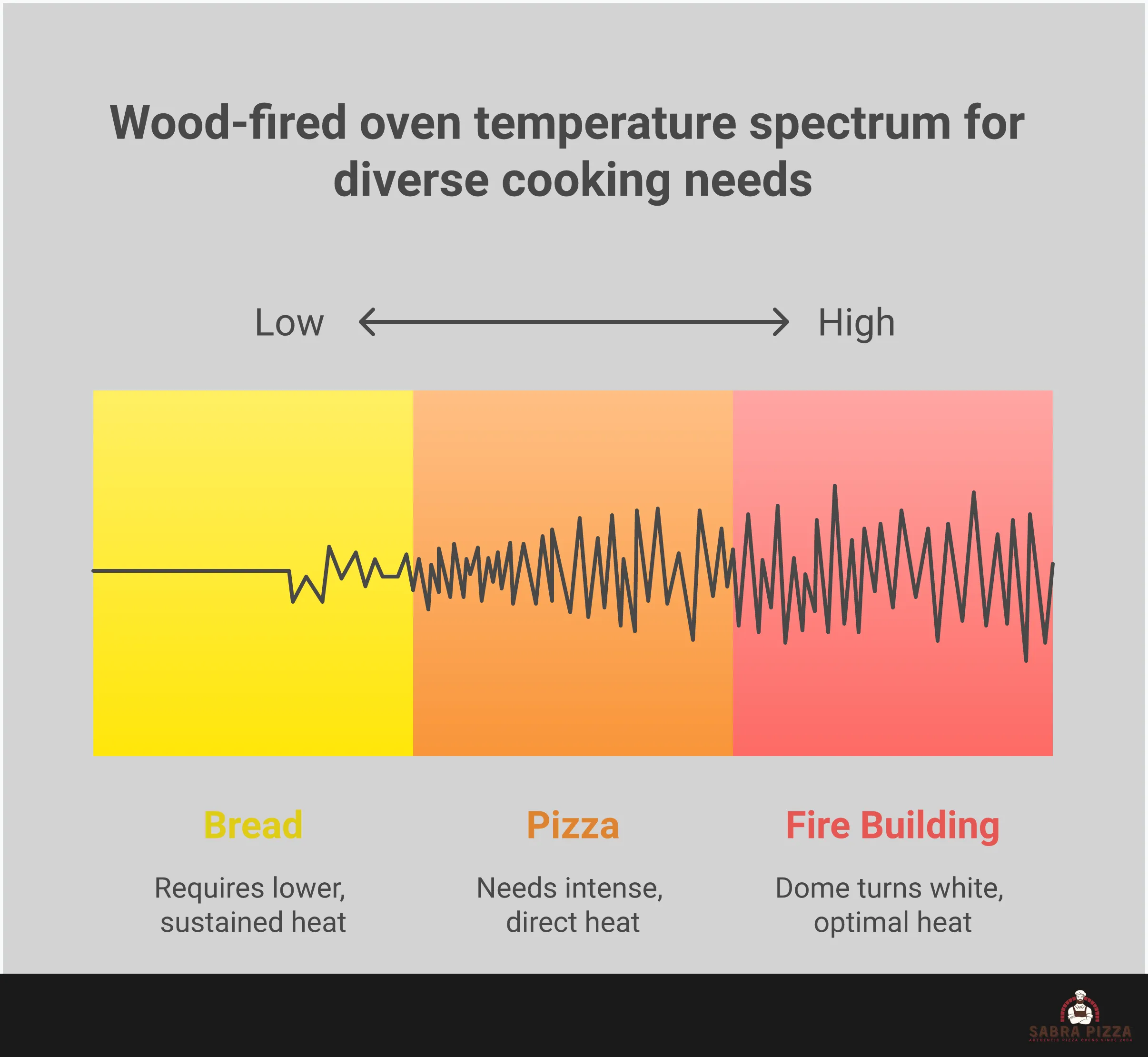
The foundation of a great pizza is a great fire. Start by building a small structure of kindling in the center of the oven, then light it and slowly add slightly larger pieces of dry, seasoned hardwood. The goal is to build a healthy fire that heats the oven dome and floor evenly. A common mistake is using logs that are too large. You need the right size logs for your oven so they fit inside while leaving room for the pizza and can heat the space effectively. Once your fire is roaring and the dome starts to turn from black to white, you’ll know it’s getting close to temperature.
Mastering the Perfect Cook
With your oven hot and ready, it’s showtime. Lightly flour your pizza peel and slide your pizza onto the center of the hot oven floor. Wood-fired ovens cook incredibly fast, often in just 60 to 90 seconds, so don’t walk away! The back of the oven, where the fire is, will be the hottest spot. To evenly bake the pizza, you need to rotate it about a third of the way every 20 to 30 seconds until it’s done. This is the secret to a perfectly crisp crust, bubbly cheese, and evenly cooked toppings all around. A long-handled turning peel will be your best friend for this step.
Getting the Temperature and Timing Just Right
Heat management is what separates good pizza from great pizza. After you build a good hot fire for an hour or so to fully heat the oven, scrape the coals to one side and sweep the floor clean with a brush. It's a good idea to wait at least 10 minutes for the floor to cool a bit before cooking your first pizza; this prevents the bottom from burning before the top is cooked. During your cook, you’ll want to maintain a consistent temperature. Keep a small flame going during cooking for consistent heat, adding a small log gradually as needed to keep the fire alive and the ambient temperature stable for batch after batch of delicious pizza.
How to Keep Your Wood-Fired Oven in Great Shape
Your wood-fired oven is an investment in incredible food and memorable gatherings, and a little care will ensure it performs beautifully for years to come. These ovens are built tough, but regular maintenance is the key to consistent results and a long lifespan. Think of it less as a chore and more as part of the ritual of wood-fired cooking. Keeping your oven in top condition isn't complicated; it really just comes down to a simple routine after each use and some basic prep for the colder months. By staying on top of cleaning, managing ash, and protecting your oven from the elements, you’ll be ready to fire it up for a perfect pizza whenever the craving strikes.
Simple Cleaning and Upkeep
Once the party’s over and your oven has completely cooled down, it’s time for a quick cleanup. The first step is to take care of the cooking surface. Use a sturdy oven brush with brass bristles to sweep away any ash, flour, and bits of stray cheese or toppings from the pizza stone. This prevents old food from burning and creating off-flavors the next time you cook. For any stubborn, baked-on spots, a long-handled scraper can be a lifesaver. To properly maintain outdoor pizza ovens, you’ll want to wipe down the exterior with a damp cloth to keep it looking sharp. This simple, five-minute routine is the most important thing you can do to keep your oven ready for action.
Managing Ash and Soot
With a wood-fired oven, you’re going to have ash. It’s just part of the deal. The key is to clear it out regularly. After every cook and once the oven is totally cold, you’ll need to remove the ashes from the firebox and cooking chamber. A small metal shovel or a dedicated ash vacuum makes this job quick and easy. Clearing the ash ensures good airflow for your next fire, which is crucial for getting up to temperature efficiently. You might also notice some black soot on the inside of the oven dome. A healthy, hot fire will naturally burn most of this off, but you can also wipe down the interior surfaces with a dry cloth to keep things tidy.
Prepping Your Oven for the Off-Season
If you live in a place with harsh winters, you’ll want to give your oven a little extra attention before you tuck it away. Start with a final, thorough cleaning, making sure all ash and food debris are gone. Check the manufacturer’s guidelines for any specific winterizing instructions. The most important step is to protect it from moisture. A high-quality, waterproof pizza oven cover is essential for shielding your oven from rain, snow, and ice, which can damage the materials over time. It’s also a good idea to bring your tools—like your pizza peels and brushes—indoors to keep them in prime condition for your first pizza night of the spring.
Related Articles
- 5 Best Wood Burning Pizza Ovens (2025 Guide)
- The Ultimate Italian Pizza Oven Buyer's Guide
- The Ultimate Outdoor Wood Fired Pizza Oven Guide
- 7 Best Backyard Pizza Ovens (Tested & Reviewed)
- Authentic Wood Fired Pizza Oven: A Buyer's Guide
Frequently Asked Questions
Is a wood-fired oven too complicated for a beginner? Not at all! While there's a small learning curve, it's more of a fun craft than a complicated chore. Modern ovens are designed to be user-friendly, and you'll quickly get the hang of building and managing a fire. The process of learning to control the heat and rotate the pizza is incredibly rewarding, and after just a few tries, you'll feel like a seasoned pro.
What's the real difference between a budget-friendly oven and a high-end one? The main differences come down to materials, heat retention, and size. A more expensive oven is typically built with thicker insulation and higher-grade materials, which means it will hold its heat for much longer. This allows you to cook for hours or even bake bread with the residual heat. Budget-friendly models are fantastic for making amazing pizza quickly, but they may not offer the same long-term heat performance or cooking versatility as a premium, built-in model.
Besides pizza, what can I realistically cook in a wood-fired oven? Think of it as a high-performance outdoor roaster. The intense, dry heat is perfect for searing steaks, roasting a whole chicken, or cooking fish on a cast-iron plank. It also does incredible things to vegetables like asparagus, bell peppers, and potatoes, giving them a beautiful char and smoky flavor. Once the fire dies down, the retained heat is ideal for baking crusty loaves of bread.
I'm new to this. Should I get a wood-only oven or a multi-fuel model? A multi-fuel oven is a fantastic starting point if you're feeling a bit hesitant. It gives you the best of both worlds. You can begin by using the gas attachment for push-button convenience and predictable temperature control. As you get more comfortable, you can start experimenting with wood or charcoal to achieve that authentic, smoky flavor. This flexibility allows you to ease into the craft at your own pace.
What is the single most important thing I can do to take care of my new oven? The two most critical habits are cleaning and covering. After the oven has completely cooled down, always use a brush to sweep the cooking floor clean of ash and any leftover food bits. This ensures your next pizza tastes fresh. Just as important, invest in a high-quality, waterproof cover. Protecting your oven from rain, snow, and sun is the best way to ensure it stays in great condition for years of pizza parties.