

You already know you need a pizza peel, but did you know that many seasoned pizza makers use two different peels to make a single pizza? The art of pizza making has its secrets, and understanding your tools is one of them. There’s a distinct difference between a launching peel, designed to gently slide your raw pizza into the heat, and a turning peel, built for nimble rotations inside the oven. This guide goes beyond the basics to explore these nuances. We’ll cover why a perforated surface can be a game-changer for your crust and how to build the perfect toolkit, ensuring you find the best pizza peel for your pizza oven and master every step of the process.
Key Takeaways
- Use Two Peels for a Flawless Process: Make your pizza night easier by using a wooden peel for building and launching your pizza and a separate, smaller metal peel for turning and retrieving it. This prevents the dough from sticking and gives you better control inside the hot oven.
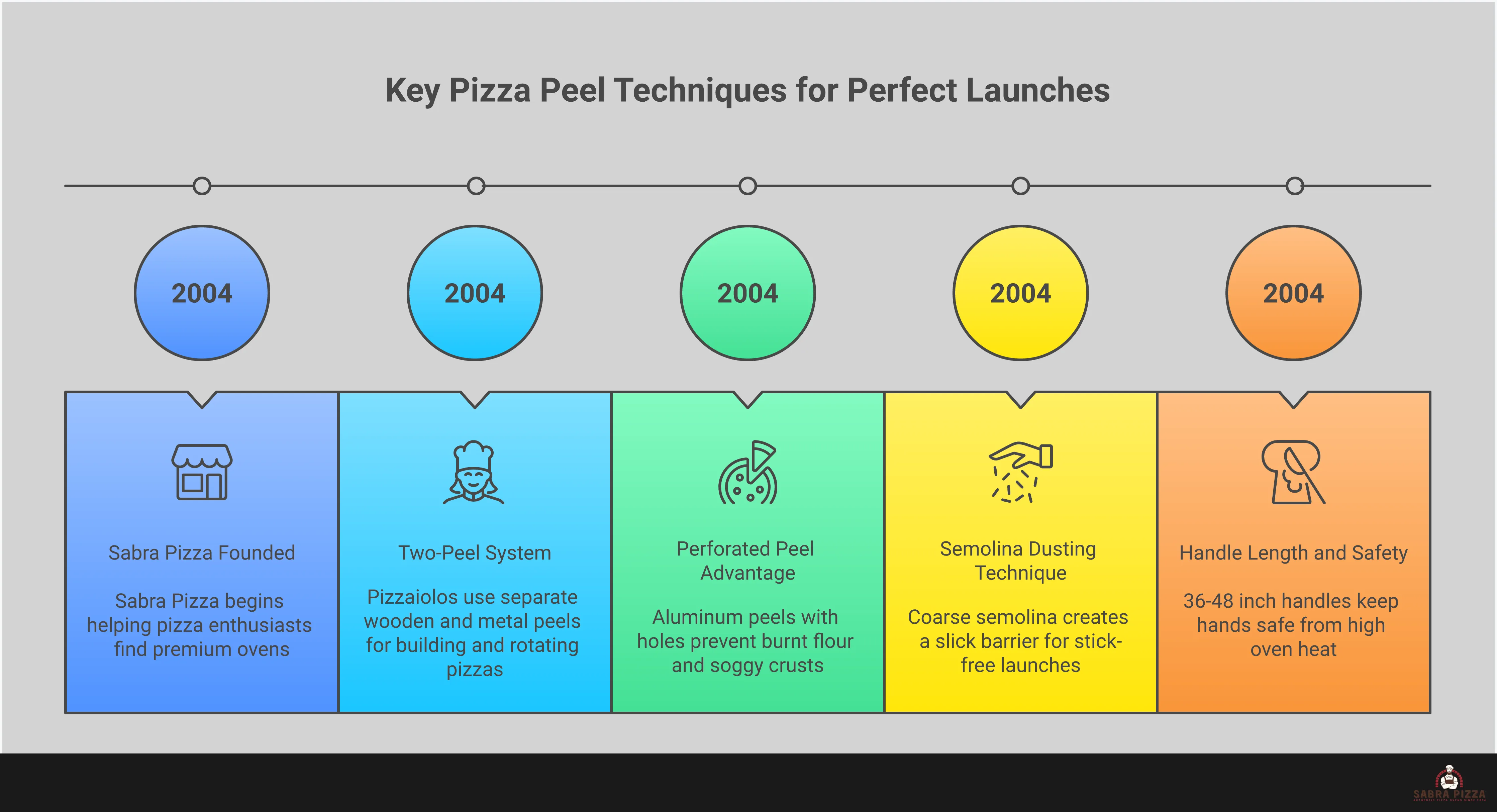
- Focus on Smart Design, Not Just Material: A great peel has a thin, tapered edge for sliding under dough, a long handle (36-48 inches) to keep you safe from the heat, and a perforated surface to shake off excess flour for a crispier, less bitter crust.
- Master the Shake Test to Prevent Sticking: Before launching, always dust your peel with semolina and give it a gentle shake to ensure the pizza slides freely. If it sticks, lift the dough and add more flour underneath. Working quickly is key—don't let a topped pizza sit on the peel.
What is a Pizza Peel and Why Do You Need One?
If you’ve ever watched a pizzaiolo at work, you’ve seen them gracefully slide a pizza into a fiery oven with what looks like a giant paddle. That essential tool is a pizza peel, and it’s non-negotiable for anyone serious about making great pizza at home. Think of it as your all-in-one pizza chauffeur: it’s designed to launch your delicate, uncooked pizza into a hot oven, turn it for an even bake, and safely retrieve it once it’s perfectly cooked.
So, why can’t you just use a baking sheet or your hands? The answer comes down to heat, speed, and safety. A proper pizza oven can reach temperatures well over 900°F. A peel with a long handle keeps your hands and arms safely away from that intense heat. More importantly, it allows you to slide the pizza directly onto the hot oven floor or pizza stone. This direct contact is the secret to achieving that sought-after crispy, bubbly, restaurant-quality crust. Trying to maneuver a floppy, topped pizza dough without a peel is a recipe for a folded, messy disaster. It’s a must-have tool that makes the entire process smoother, safer, and delivers far better results.
Wood vs. Metal vs. Perforated: Which Peel is for You?
Walking into the world of pizza peels can feel a bit like choosing a magic wand—each one has its own unique properties and purpose. The material and design of your peel directly impact how easily you can launch, turn, and retrieve your pizza. While you might be tempted to find one peel that does it all, many seasoned pizza makers swear by having at least two different types on hand. Let's break down the three main players—wood, metal, and perforated—to help you find the perfect fit for your pizza-making style. Understanding the strengths of each will help you build your ideal toolkit and make every pizza night a success.
Wooden Peels: Best for Launching
Think of a wooden peel as the classic, traditional launching pad for your pizza. Wood has a slightly porous surface, which naturally keeps raw dough from sticking as much as it would on a slick metal surface. With just a light dusting of flour or semolina, your carefully crafted pizza will glide smoothly into the hot oven. They are typically lightweight and easy to handle, making that final, crucial launch feel controlled and confident. The main thing to watch for with wood is moisture; sauce spills can make the surface sticky, and they can stain or scorch over time. For launching, a thin, lightweight wooden peel is an excellent and reliable choice.
Metal Peels: Ideal for Turning and Retrieving
When it comes to working inside a blazing hot oven, a metal peel is your best friend. Metal peels, usually made from aluminum or stainless steel, are thinner and more durable than wood. This slim profile makes it incredibly easy to slide under a cooking pizza to give it a quick turn for an even bake. They are also strong and sturdy, perfect for retrieving a heavy, fully-loaded pizza without any wobbling. While their slick surface can make raw dough stick, it’s a huge advantage when pulling out a finished, crispy pizza. Many chefs use a smaller, round metal peel specifically as a turning peel because it’s so nimble and easy to maneuver inside the oven.
Perforated Peels: For a Crispier, Flour-Free Crust
If you're chasing the perfect, crispy crust, a perforated metal peel is a game-changer. These peels have small holes across the surface that serve two brilliant purposes. First, as you prep your pizza for launch, a gentle shake allows all the excess flour to fall away. This means no more burnt flour on the bottom of your pizza, which can leave a bitter taste. Second, those same holes allow steam to escape from under the crust as you retrieve your pizza, preventing it from getting soggy. It’s a simple design feature that delivers a noticeably crispier, better-tasting result. For any home chef serious about perfecting their craft, a perforated peel is a fantastic investment.
Choose the Right Material for Your Peel
Choosing the right material for your pizza peel is a bit like choosing the right pan for a specific dish—each one has its own strengths and is suited for different tasks. The material you pick will affect everything from how easily your pizza slides into the oven to how simple the cleanup is afterward. It’s a decision that balances tradition, performance, and personal preference. While it might seem like a minor detail, the right peel can be the difference between a perfectly launched pizza and a doughy disaster.
The three main players in the game are wood, aluminum, and stainless steel. Each one brings something different to the table (or, in this case, the oven hearth). Wood offers a classic feel and is fantastic for prepping and launching, while metal peels are workhorses for turning and retrieving pizzas from the intense heat. Let's break down the pros and cons of each so you can find the perfect match for your pizza-making style and your beautiful new outdoor pizza oven. Understanding these differences will help you handle your dough with confidence and get that perfect bake every single time.
The Pros and Cons of Wood
There’s something undeniably classic about a wooden pizza peel. It looks the part and feels great in your hands. Wood is naturally less sticky than metal, which makes it a fantastic surface for building your pizza and launching it into the oven. However, wood is porous, meaning it can absorb moisture and oils over time, making it a bit trickier to keep perfectly clean. You’ll also need a generous dusting of flour to ensure a smooth launch, and that excess flour can burn on the hot oven floor, sometimes adding a bitter taste. If you love the traditional feel, look for a thin, lightweight acacia or bamboo peel with a tapered edge for the best performance.
The Pros and Cons of Aluminum
Aluminum peels are a modern favorite for a reason. They are incredibly lightweight, durable, and easy to maneuver, making them perfect for quick turns and retrievals. Because they’re so thin, they can easily slide under a cooking pizza without disturbing the crust. Many high-quality aluminum peels are perforated, which is a game-changer. These little holes allow excess flour to fall away before the pizza hits the oven, preventing that burnt-flour taste and reducing friction for a smoother launch. The main drawback is that wet dough can stick to bare metal, so you have to work quickly. Still, for an all-around performer, a perforated aluminum peel is a fantastic investment.
The Pros and Cons of Stainless Steel
If durability is your top priority, stainless steel is the champion. These peels are incredibly strong, built to last, and a breeze to clean and sanitize. You won’t have to worry about them warping or absorbing odors. The trade-off for all that strength is weight. Stainless steel peels are noticeably heavier than their wood or aluminum counterparts, which can make them feel a bit cumbersome, especially when you’re handling a large, fully-loaded pizza. Because of this, they are often preferred as smaller, round turning peels, where their strength and slick surface are assets for rotating pizzas without the burden of extra weight. They are a practical, long-lasting choice for serious pizza makers.
How to Choose the Right Size Peel for Your Oven
Picking the right size pizza peel is about more than just the size of your pizza—it’s about fitting your oven, keeping you safe, and making the whole process feel effortless. A peel that’s too big for your oven is clumsy and impractical, while one that’s too small can make launching and retrieving a challenge. Think of it as finding the perfect dance partner for your pizza oven; the right fit makes all the difference. When you're shopping, you'll want to pay close attention to three key factors: the size of the peel's head, the length of its handle, and its overall weight and thickness. Getting these three elements right will ensure every pizza night is smooth, successful, and fun.
Match the Peel to Your Oven's Dimensions
The first rule of thumb is to match the peel's head to your oven's opening and the size of the pizzas you plan to make. You need a peel that can comfortably slide in and out without bumping the sides. For example, if you have a 12-inch oven, a 12-inch peel is your best bet. If you're working with a larger 16-inch oven, you have more flexibility and can use a 12, 14, or 16-inch peel depending on your preference. Just remember to leave a little wiggle room on each side to make turning and retrieving your pizza a smooth, stress-free motion. You can explore a variety of sizes in our collection of pizza peels.
Find the Right Handle Length for Safety
The handle is your connection to the pizza, but it’s also your primary safety feature. A handle that’s too short puts you dangerously close to the intense heat of a high-performance oven. For most backyard pizza ovens, a handle between 36 and 48 inches is the sweet spot. This length keeps your hands and arms a safe distance from the heat while still giving you excellent control to place your pizza perfectly on the stone. Shorter handles are generally for conventional home ovens, while much longer ones are for deep, commercial setups. Your comfort and safety are paramount, so choose a length that feels right for your outdoor pizza oven.
Consider Weight and Thickness for Comfort
Imagine holding a heavy, awkward peel while trying to delicately launch a perfectly topped pizza—it’s a recipe for disaster. A good peel should feel like a natural extension of your arm. Look for one that is lightweight and easy to manage. If you opt for a wooden peel, choose one that’s thin with a tapered edge to help it slide under the dough. For metal peels, a perforated design is a fantastic feature. The holes allow excess flour or cornmeal to fall through before the pizza hits the oven, which prevents the bottom of your crust from burning and tasting bitter. This small detail makes a huge impact on the final result.
Launching Peel, Turning Peel, or Both?
When you’re gearing up for your first pizza night, you might wonder if you really need more than one pizza peel. It seems like a simple shovel for your pizza, right? While you can get by with one, you’ll quickly find that the art of moving a pizza involves two distinct motions: launching the raw pizza into the oven and turning the cooking pizza for an even bake.
Using a specialized peel for each task makes the entire process smoother, safer, and more successful. Think of it like having different knives in your kitchen—a chef’s knife is great for chopping, but a paring knife is better for detailed work. The same principle applies here. Let’s break down the difference between launching and turning peels and why having both in your arsenal is a true game-changer.
Launching vs. Turning Peels: What's the Difference?
A launching peel is your tool for getting the delicate, uncooked pizza from your prep station into the blazing hot oven. These peels typically have a larger, rectangular surface to support the entire base of the pizza, preventing any tragic sagging or stretching. They are often made of wood, which has a naturally non-stick surface, or solid aluminum. The main job of a launching peel is to provide a stable, secure platform for a smooth and swift launch.
A turning peel, on the other hand, is designed for agility inside the oven. It has a much smaller, round head that allows you to easily slide under a corner of the pizza and rotate it. This ensures every part of the crust gets evenly cooked by the flames. Because they need to be lightweight and nimble, turning peels are almost always made of metal, like aluminum or stainless steel.
Why You'll Probably Want Both
Having separate peels for launching and turning will make your pizza-making experience so much easier. Many pizza aficionados, including the experts at Fontana Forni USA, recommend having two peels for a simple reason: moisture. When your raw dough sits on a wooden launching peel, it can transfer a bit of moisture, making the surface slightly sticky. If you try to use that same peel to retrieve your cooked pizza, you risk the crust sticking.
A dedicated turning peel stays clean and dry, allowing it to slip effortlessly under the cooked pizza for turning and retrieval. The smaller head is also far easier to maneuver in a tight space, giving you precise control without accidentally pushing your pizza into the back of the oven.
Can One Peel Do It All?
So, can you get by with just one peel? Technically, yes, but it comes with compromises. You could use a large launching peel to turn your pizza, but it’s a clumsy process. Maneuvering a big, rectangular peel in a round, hot oven is awkward and increases the risk of tearing the crust or messing up your toppings. It’s a bit like trying to parallel park a bus when you really need a compact car.
As the team at Ooni points out, a classic aluminum peel can be a decent all-rounder, but specialized peels simply do their jobs better. While a single peel can work if you’re just starting out, you’ll quickly appreciate the ease and control that comes from having the right tool for each step.
Key Features of a Great Pizza Peel
Once you've settled on the material and size, it's time to look at the finer details. These small design elements are what separate a good peel from a great one, and they can make your pizza-making process feel effortless. A well-designed peel gives you more control, helps you avoid common mishaps (like a pizza folding in on itself during launch), and ultimately leads to a better-tasting pizza. Think of it like choosing a chef's knife—the balance, the edge, and the handle all matter. Let's break down the three key features you should always look for.
A Tapered Edge for a Perfect Slide
This is probably the most critical feature for a launching peel. A tapered, or beveled, edge means the front of the peel is thinner than the rest of the blade. This design allows you to slide the peel under your raw pizza dough with minimal friction and disruption. Without it, you risk pushing the dough around, messing up your perfectly round shape, or worse, causing a topping avalanche. A sharp, tapered edge makes the entire launch feel smooth and controlled, helping you transfer your creation from the counter to the hot stone like a pro. It's a small detail that makes this important tool so much more effective.
A Sturdy Handle and Comfortable Grip
The handle is your connection to the pizza, and it plays a huge role in both safety and maneuverability. First, consider the length. You’ll want a long handle to keep your hands and arms safely away from the intense heat of the oven, especially if you have a deeper wood-fired model. Beyond length, the handle should feel sturdy and comfortable in your hand. A secure grip gives you the confidence to slide, turn, and retrieve your pizza without any wobbling or hesitation. Whether it's made of smooth wood or a composite material, make sure it feels balanced and allows you to maintain complete control from a safe distance.
Perforated or Solid: Which Surface is Better?
This is a hot topic in the pizza world! A solid peel has a flat, continuous surface, while a perforated peel has holes. While both work, many pizza enthusiasts swear by perforated peels. Why? A peel with holes allows excess flour or cornmeal from the bottom of your dough to fall through before it ever reaches the oven. This simple feature prevents that extra flour from burning on your pizza stone, which can create smoke and add a bitter taste to your crust. The perforations also mean less surface area is touching the dough, which can help prevent sticking and makes for an even smoother launch.
The Best Pizza Peels for Your Home Oven
With so many options out there, picking the right pizza peel can feel a little overwhelming. But don't worry—I've sorted through the noise to help you find the perfect tools for your pizza-making setup. Whether you need an all-in-one workhorse or a specialized peel for turning your pies like a pro, there’s a great fit for you. The right peel makes the entire process smoother and more enjoyable, letting you slide, turn, and retrieve your pizzas with total confidence. Let's look at some of the best peels available, from our own top recommendations to what fellow pizza lovers are using in their kitchens.
Our Top Picks from Sabra Pizza
When you invest in a premium oven, you deserve accessories that match its quality. One of our favorites is the Ooni Perforated Peel, a fantastic all-around choice. Its perforated aluminum surface lets excess flour fall away, preventing that burnt taste and helping your pizza slide off effortlessly. For those who want to master the art of the turn, the Chef Pomodoro 9-Inch Turning Peel is a game-changer. Its smaller, round head gives you incredible control inside a hot oven, ensuring a perfectly even bake every time. And if you prefer the classic feel of wood for launching, a simple and sturdy birchwood peel is a reliable starting point that’s gentle on your dough.
Other Great Peels on the Market
Many experienced pizza makers will tell you that the secret isn't finding one perfect peel, but having two. A detailed pizza peel buyer's guide often recommends using a wooden peel for building and launching your pizza, as the surface is less prone to sticking. Then, you can switch to a nimbler metal peel for turning the pizza during the bake and pulling it out of the oven. A perforated metal peel is especially popular because it reduces the amount of flour that gets into your oven, which means less smoke and a cleaner bake. This two-peel system gives you the best of both worlds: a smooth launch and precise control.
What Real Pizza Makers are Saying
If you browse any online pizza community, you'll find passionate debates about the best tools for the job. A common piece of advice from home chefs is to use a wooden peel for launching and a metal one for retrieving. The logic is simple: wood grips the dough just enough to keep it stable, while metal is thin and slick, making it easy to scoop a finished pizza. If you only have room for one, a non-perforated metal peel is a versatile choice. The most important tip you'll see repeated is to use plenty of flour or semolina and give the peel a little shake to ensure the pizza can move freely before you launch it into the oven.
How to Keep Pizza From Sticking to Your Peel
There’s nothing more heartbreaking than crafting the perfect pizza, only to have it stick to the peel and fold into a messy calzone on its way into the oven. We’ve all been there. A flawless launch is the final, crucial step between you and a perfectly cooked pizza, and it all comes down to technique. The good news is that preventing a sticky situation is easy once you know a few simple tricks. It starts with what you put on your peel and ends with a little bit of confidence. Let’s walk through how to guarantee a smooth slide every single time.
The Great Debate: Flour, Cornmeal, or Semolina?
To get that perfect slide, you need to create a barrier between your dough and the peel. While regular all-purpose flour works, it can absorb moisture from the dough quickly, becoming gummy. For a truly reliable launch, coarse semolina is your best friend. Think of the grains as tiny ball bearings that allow the pizza to glide effortlessly off the peel. A 50/50 mix of semolina and all-purpose flour is also a fantastic option. Don’t be shy with it—a generous dusting is key. If you’re using a perforated pizza peel, the excess flour will fall through the holes, so you get a smooth launch without a burnt, floury taste on your crust.
Master the "Shake Test" for a Stick-Free Launch
Before you even approach the oven, you need to know if your pizza is ready to launch. This is where the "shake test" comes in. It’s a simple, non-negotiable step that will save you a world of frustration. Once your pizza is fully topped and ready to go, place your hands on the peel’s handle and give it a gentle, back-and-forth shake. The pizza should slide freely on the surface. If it sticks in any spot, don't panic. Just lift the edge of the dough where it’s sticking and toss a little more semolina or flour underneath until it moves without hesitation. This quick check ensures your pizza is primed for a perfect entry into the hot oven.
Common Sticking Mistakes to Avoid
The biggest culprit behind a stuck pizza is time. The longer your wet dough sits on the peel, the more moisture it will absorb into the flour, creating a glue-like bond. To avoid this, build your pizza on a well-floured countertop or board. When you’re ready to bake, dust your peel, give it a final shake test, and then slide the prepared pizza onto it. Immediately launch it into the oven. Don’t let it sit on the peel while you grab a drink or check your phone. The key is to work quickly and confidently. Also, be mindful of your pizza dough; a very high-hydration dough will always be more prone to sticking, so a little extra flour is essential.
How to Care for Your Pizza Peel
You’ve found the perfect pizza peel, and it’s already become an essential part of your pizza-making ritual. To keep it in top shape for years to come, a little bit of care goes a long way. Just like any quality kitchen tool, proper cleaning and storage will protect your investment and ensure your peel is always ready for action. Whether you’ve chosen classic wood or sleek metal, these simple steps will prevent warping, sticking, and staining, so you can focus on what really matters: making incredible pizza. Taking care of your peel is just as important as taking care of your oven, and thankfully, it’s much easier.
Caring for Wooden Peels
A wooden peel has a classic, rustic charm, but it does require a bit of attention to stay in prime condition. Think of it like a good wooden cutting board. After use, avoid soaking it in the sink. Instead, wipe it down with a damp, soapy sponge and rinse it quickly. The most important step is to dry it completely with a towel right away. Letting a wooden peel air dry can lead to warping or cracking. To keep the wood from drying out, you’ll want to periodically treat it with food-grade mineral oil. This simple step keeps the wood hydrated, prevents stains from setting in, and maintains a smoother, less sticky surface for launching your pizzas.
Maintaining Metal Peels
Metal peels are the workhorses of the pizza world—durable and much easier to maintain. For routine cleaning, a simple wash with a soapy sponge and warm water is all you need. They can handle a good scrub if you have some baked-on cheese or sauce. If your metal peel has a wooden handle, be sure to avoid soaking it to prevent the handle from getting damaged or loose. While some all-metal peels are technically dishwasher-safe, I always recommend handwashing. It’s gentler on the tool and ensures it will last as long as your pizza oven. Just like with a wooden peel, always dry it thoroughly before putting it away.
Smart Storage to Prevent Warping
How you store your peel is just as important as how you clean it. The biggest enemy of a flat, functional pizza peel is improper storage, which can lead to warping over time, especially with wood. The golden rule is to never store your peel leaning against a wall at an angle. The best methods are to either store it lying completely flat or to hang it vertically from a hook. Many peels come with a hole in the handle for this exact reason. Using a simple wall hook or one of Sabra Pizza's pizza tool racks keeps your peel safe, out of the way, and perfectly flat for your next pizza night.
Related Articles
- The Ultimate Guide to a Pizza Oven Turning Peel
- 10 Best Pizza Peels of 2025 (Tested & Reviewed)
- Best Pizza Peels Guide | Material Comparison & Reviews | Sabra Pizza
- 10 Pizza Peel Oven Tips for Flawless Pizza
- The Ultimate Pizza Oven Peel Buyer's Guide
Frequently Asked Questions
If I can only buy one pizza peel to start, what should it be? If you're looking to invest in just one peel, I'd recommend a perforated aluminum peel. It’s the best all-around player. The metal is thin enough to easily slide under a cooking pizza for turning and retrieving, while the perforations help reduce friction and get rid of excess flour for a clean launch. It’s a fantastic and versatile tool that bridges the gap between a dedicated launching peel and a turning peel.
Is semolina really that much better than regular flour for dusting my peel? Yes, it absolutely makes a difference. Think of coarse semolina grains as tiny ball bearings for your pizza dough. Unlike fine all-purpose flour, which can absorb moisture from the dough and become sticky, semolina creates a durable, slick layer that helps the pizza glide smoothly into the oven. This simple switch is one of the easiest ways to guarantee a stick-free launch every time.
Can I just use my large launching peel to turn the pizza in the oven? You technically can, but it’s not a great idea. Trying to rotate a pizza with a large, rectangular peel inside a hot, compact oven is incredibly awkward. It’s like trying to stir a pot of sauce with a dinner plate—it’s clumsy and you risk tearing the crust or pushing the pizza into the back of the oven. A small, round turning peel is designed for agility and gives you the precise control you need for an even bake.
Does the handle length on a pizza peel really matter that much? It matters immensely, especially for safety. A high-performance outdoor pizza oven generates intense heat, often reaching over 900°F. A long handle, typically between 36 and 48 inches, is your primary defense, keeping your hands and arms a safe distance from the heat. It also provides the leverage you need to place and retrieve your pizza with control and confidence, so you never feel rushed or unsteady.
How do I get rid of the burnt flour taste on the bottom of my crust? That bitter taste comes from excess flour burning on the hot oven floor. The best way to solve this is by using a perforated pizza peel. As you prepare to launch your pizza, a gentle shake allows all the extra flour or semolina to fall through the holes before it ever enters the oven. This leaves just enough to prevent sticking, giving you a clean, crisp crust without any burnt flavor.